A closer look
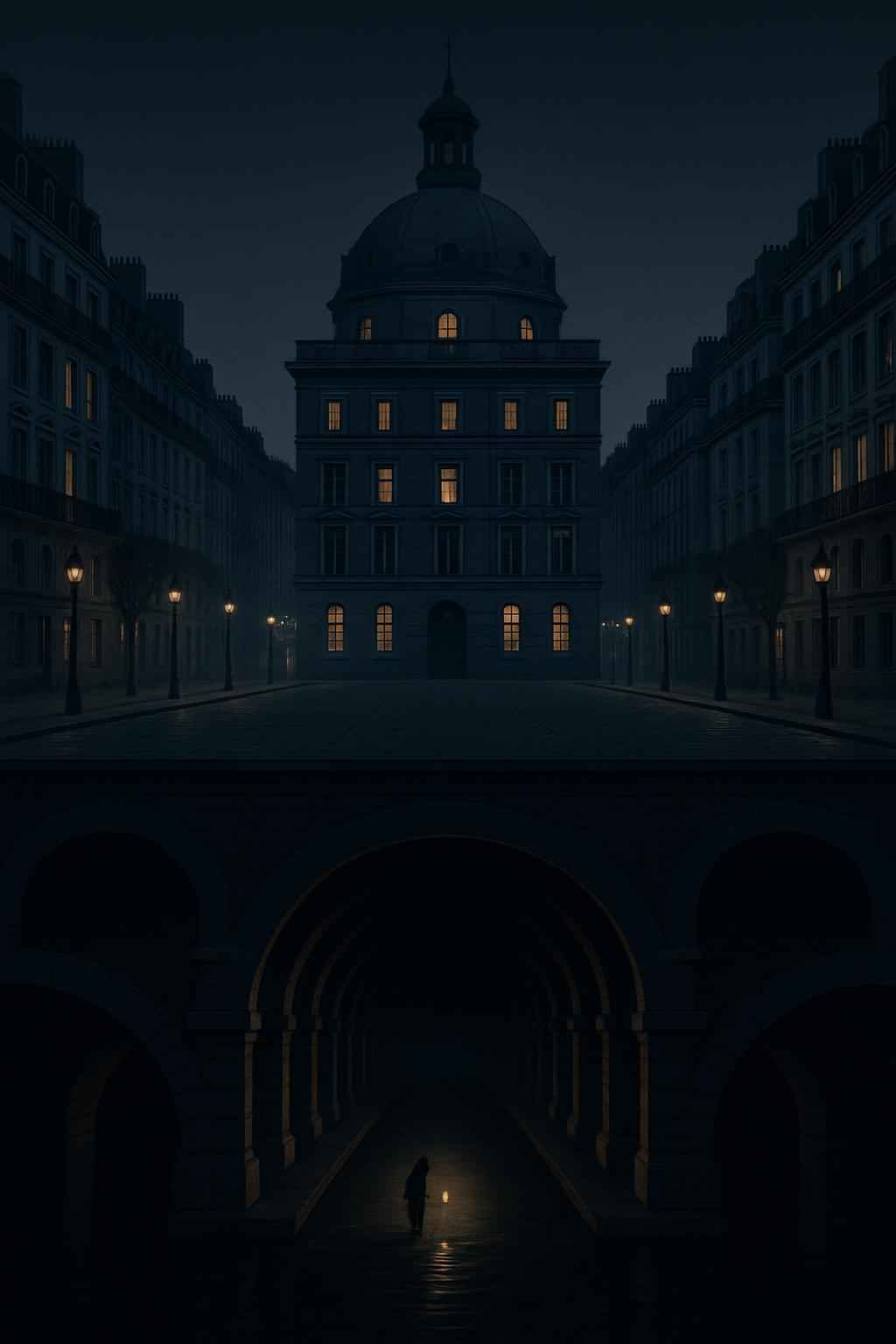
Before Paris rose in symmetry, it nearly drowned in sewage. Mid-19th‑century reformer Georges-Eugène Haussmann demolished half the medieval city to build light-filled boulevards—and an underground sanitation labyrinth. Beyond beauty, it was rebellion-by-design: wide avenues prevented barricades during uprisings. Paris’s aesthetic became a subtle instrument of control. But the same urban model influenced modern zoning and public health worldwide. The next time you stroll a uniform boulevard, remember its double legacy: hygiene for citizens, easier surveillance for rulers. History lives not just in monuments but in the logic beneath your feet.