A closer look
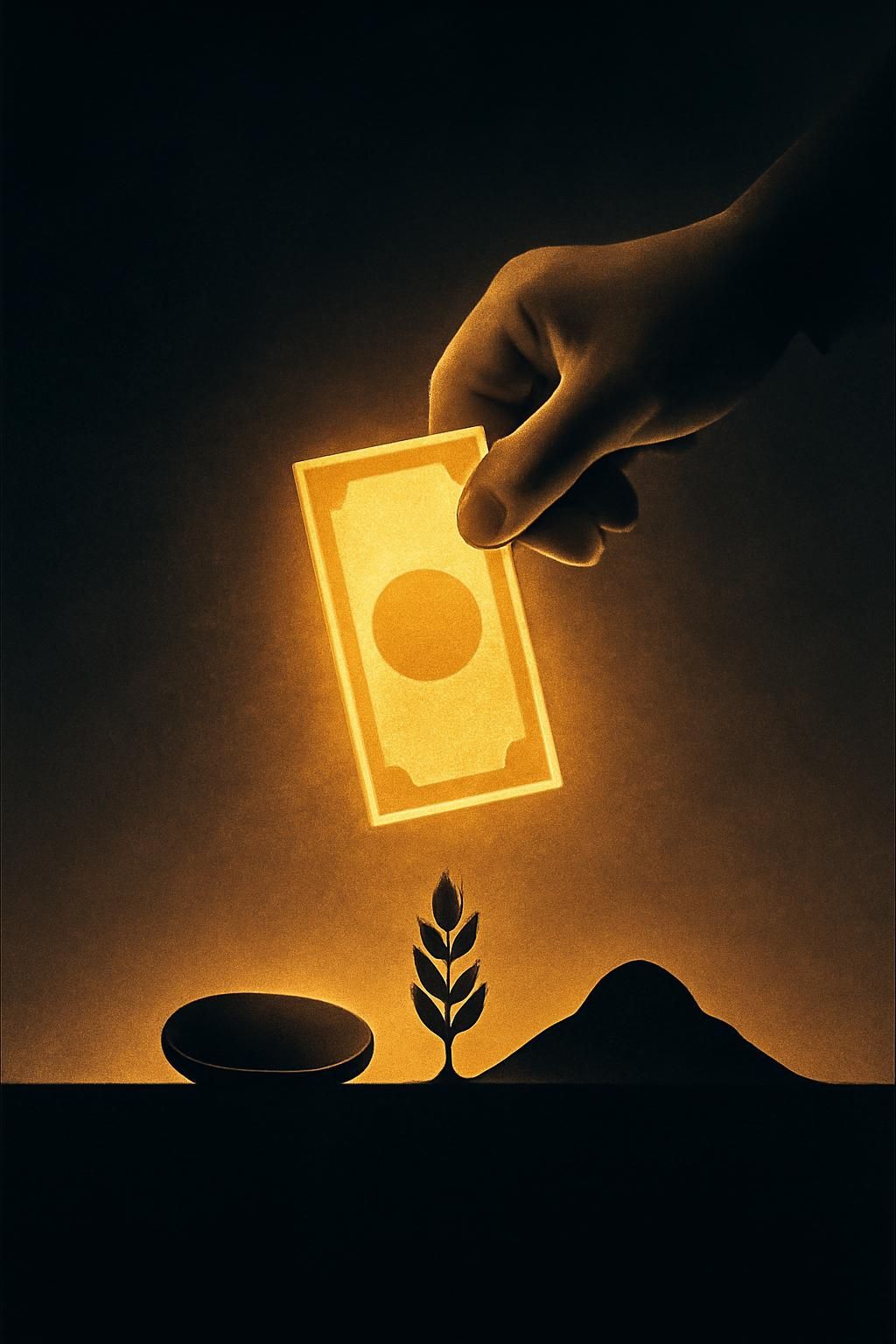
First time a piece of paper was accepted as money, it must have felt like a magic trick or a scam. For most of history, value meant metal you could bite, grain you could eat, or land you could stand on. Then merchants in places like medieval China and later Europe began using promissory notes and bank receipts as stand ins for heavy coins. At first they were just convenient claims on real treasure stored elsewhere, but gradually people started trading the paper itself. Trust quietly shifted from the metal to the institution issuing the note. That invisible leap laid the foundations for modern banking, credit cards, and even cryptocurrencies. Every tap to pay today is built on that one wild idea: value can live in shared belief, not just in physical stuff you can hold.