A Fingerprint That Could Outlast Its Maker
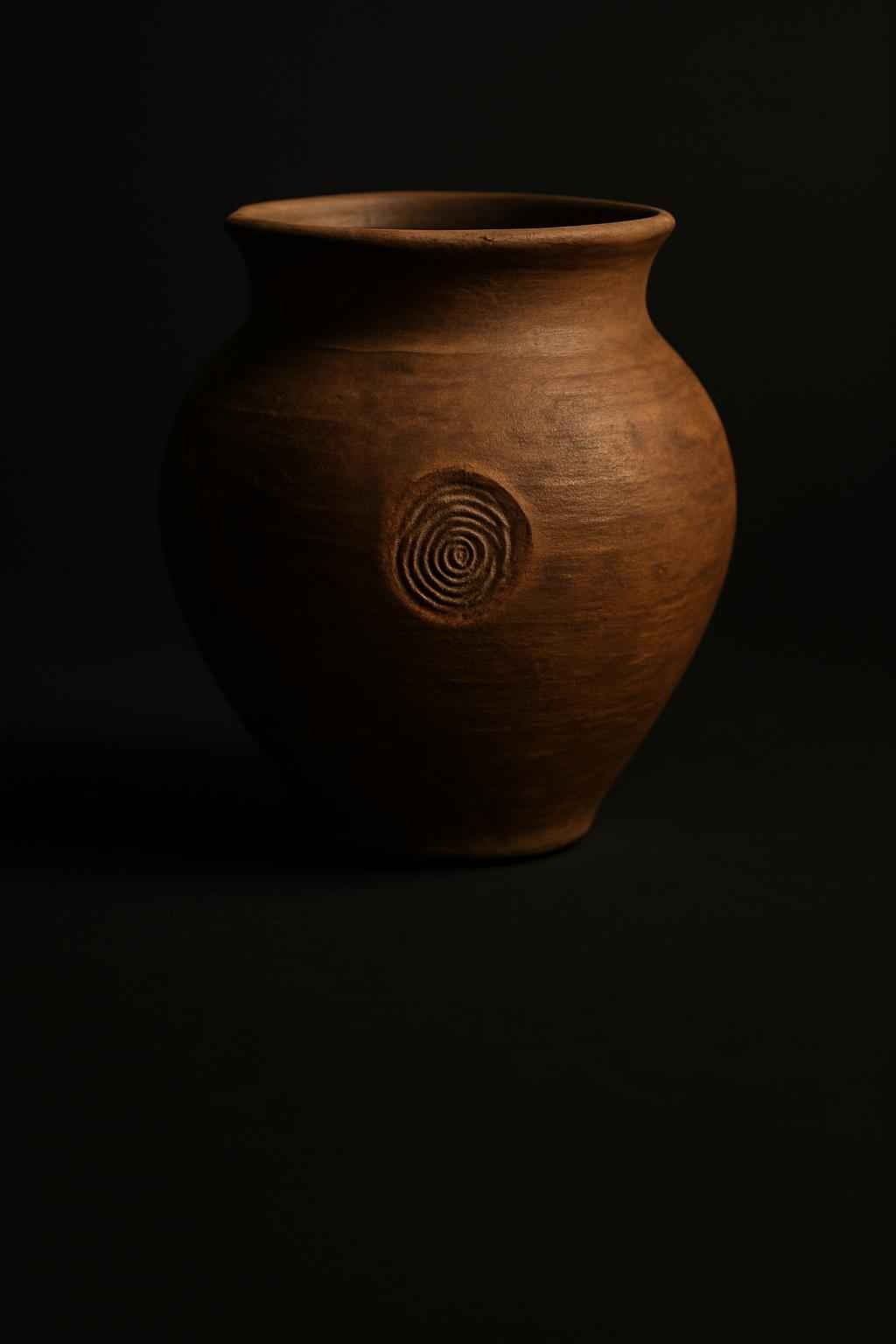
A thumb pressed into wet clay leaves a small, durable groove. Once a jar was fired, that mark stayed on the vessel through storage, transport, and sale. Unlike a spoken recommendation, it could accompany the goods wherever they went.
That mattered in a market where buyers might encounter jars without knowing who made them. A familiar mark offered a quick way to recognize a product again. It did not need to explain the jar’s contents or quality; its value was that shoppers had seen it before and could connect it with an earlier purchase.
Recognition Made the Mark Valuable
A mark works only when people learn to associate it with something. If customers began looking for a particular thumbprint, another potter could imitate it and borrow that recognition. The same feature that helped a maker stand out could therefore become an advantage for a competitor.
This was not branding in the modern legal sense: there was no need for a registered trademark or a printed logo. The mechanism was simpler—repeat a recognizable sign on goods, let buyers remember it, and make that memory matter at the point of sale. The jar itself became the message, carrying its mark from the potter’s hands to the shopper’s.