A closer look
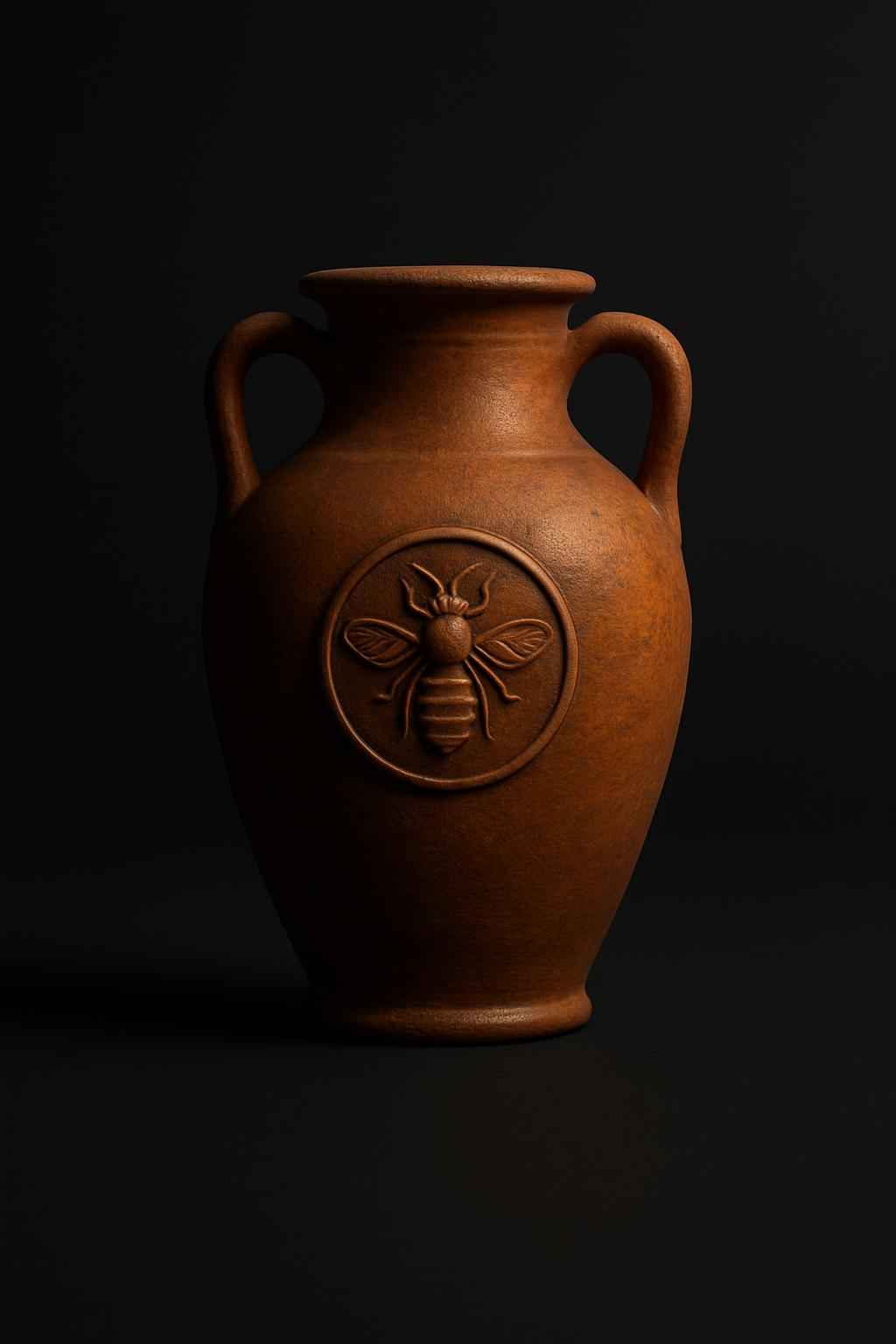
In ancient Athens, honey sellers faced a strange law: their jars had to be stamped with a bee symbol only if the honey came from Mount Hymettus—failure meant exile or enormous fines. Why? Because Athenians knew branding 2,500 years before trademark law existed. Hidden in dusty tablets and fragments are early proofs of 'origin branding'—from Roman artisans etching symbols on amphorae to medieval bakers marking loaves with family crests. These laws weren’t just pride, they were quality control—how the public could trust a product in an unregulated market. Fast-forward to modern logos and 'Protected Designation of Origin' labels on wine or cheese—same psychological mechanism, different typography. History whispers that 'trust' was the first currency, long before coin or credit. Every barcode today is the direct descendant of an Athenian beekeeper’s anxiety and a buyer’s search for authenticity.