Could Alexander the Great Have Been Buried Alive?
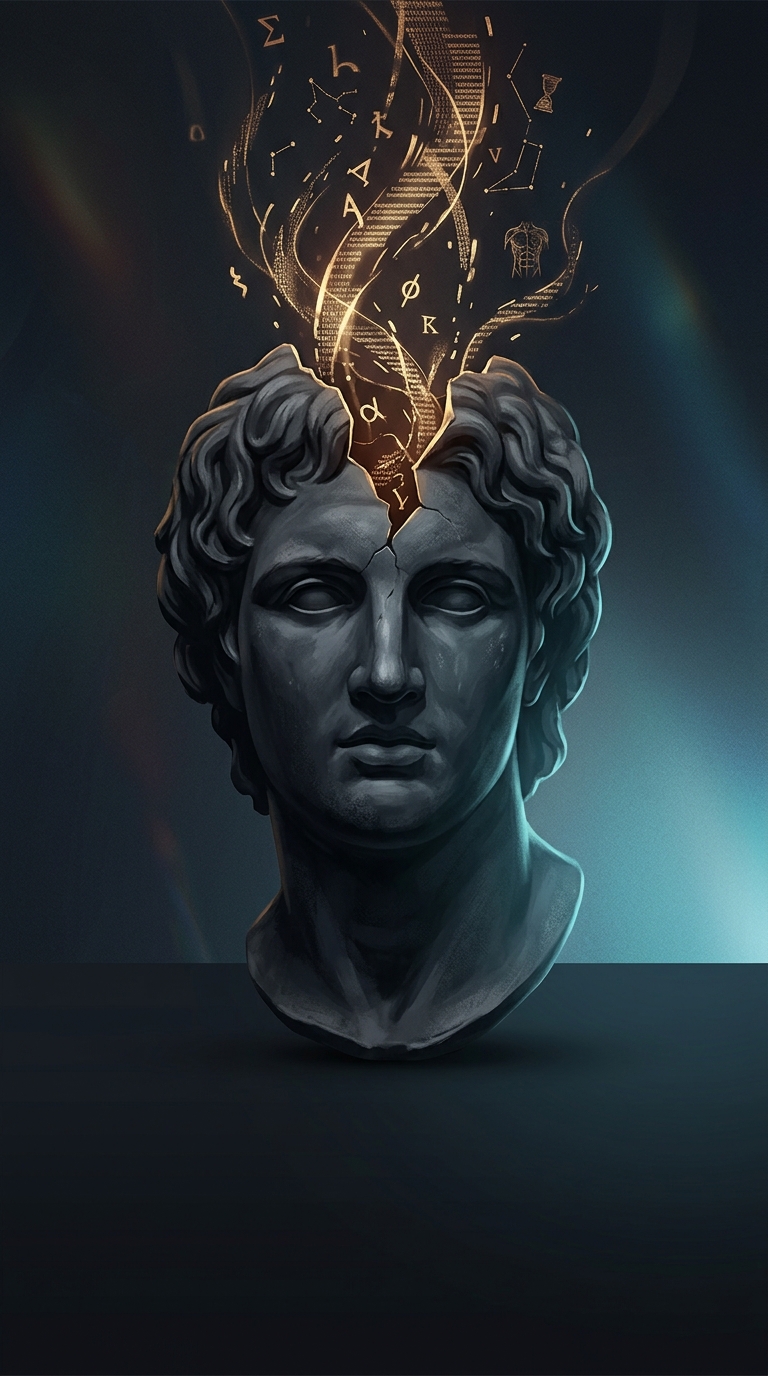
Alexander died in Babylon in 323 BCE after days of fever and worsening illness. Ancient accounts describe him becoming increasingly weak and eventually unable to speak, but they do not give historians enough evidence to identify a definite cause. One modern theory is that he suffered from Guillain–Barré syndrome, a rare disorder in which the immune system attacks nerves, causing progressive weakness and, in severe cases, paralysis.
That theory leads to a chilling possibility: Alexander may have been mistaken for dead while still alive. If the illness left him unable to move or speak—and made his breathing extremely shallow—observers without modern medical tests could have struggled to recognize that he was still alive.
Why the Theory Is Hard to Prove
The case rests on how later accounts describe his decline, not on medical records or a body that can be examined. The symptoms of many serious illnesses overlap, and fever and paralysis alone cannot establish Guillain–Barré syndrome. Nor can the surviving accounts settle whether Alexander was conscious when he was declared dead.
A frequently repeated detail says his body showed little or no decay for several days. That has been used to support the idea that he was alive, but it is not proof: ancient descriptions can be difficult to interpret, and the circumstances of his death are uncertain. The theory’s force is therefore not that historians have solved the mystery, but that a condition resembling death could have made a mistaken declaration possible. If so, Alexander’s final ordeal may have been not only a fatal illness, but the inability to signal that he was still alive.