Why “The British are coming” was the wrong warning in 1775
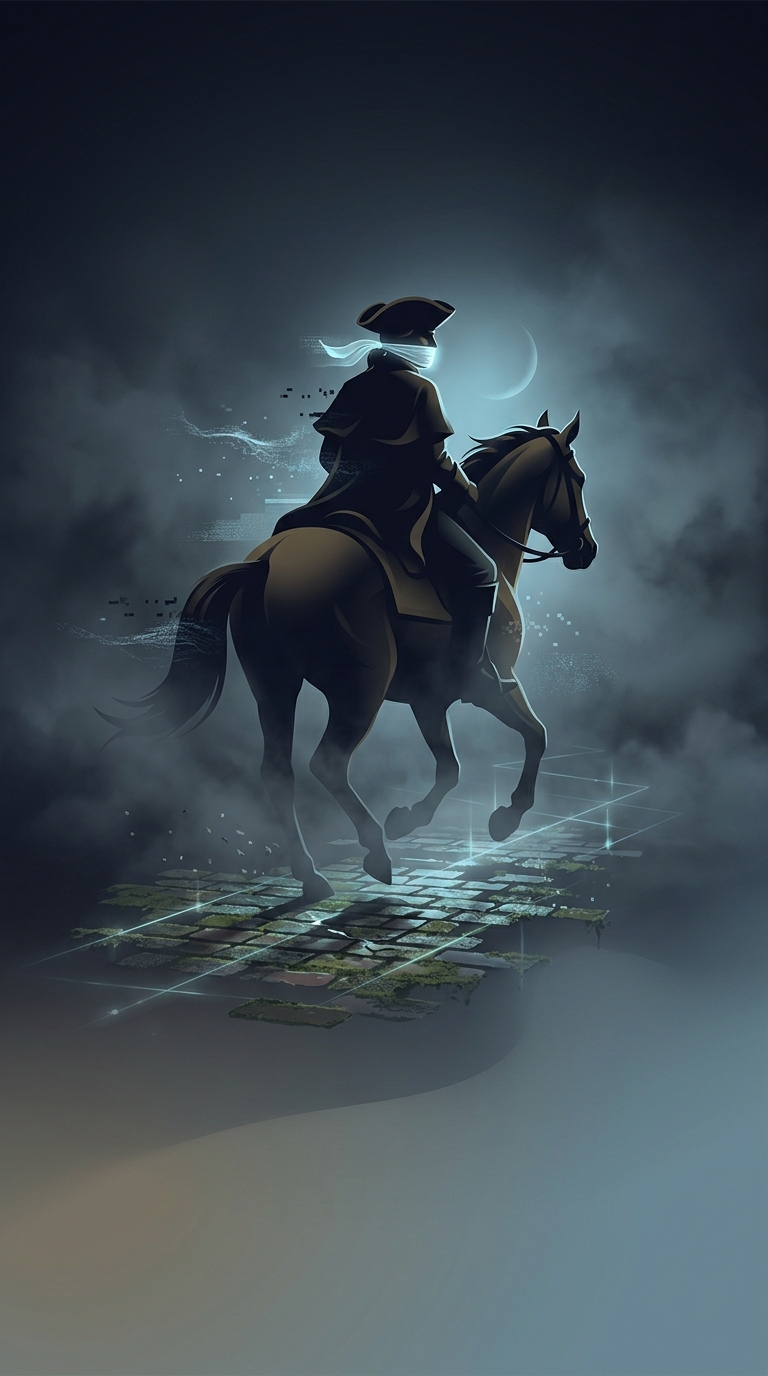
On the night of April 18, 1775, Paul Revere rode to alert people in Massachusetts that British soldiers were moving toward Lexington and Concord. But the colonists he was warning were themselves British subjects. To shout “The British are coming!” would have blurred the distinction between the king’s troops and the local people who still belonged, politically and legally, to Britain’s empire.
That distinction mattered in a crisis. The soldiers were commonly called “regulars”—meaning the regular British army—as opposed to local militia. A warning such as “the regulars are coming” would have identified the threat more clearly. The familiar slogan is not a reliable record of Revere’s exact words.
A warning ride, not a shouted catchphrase
Revere’s job was to spread an alarm quickly through a network of towns and messengers. He warned people along the way, but the popular image of him racing through the countryside shouting one memorable line oversimplifies how the alert worked. The warning passed from person to person, helping militia members prepare before the troops reached their targets.
The wording also reflects a political moment before independence had been declared. Many colonists objected to British policies and military actions without yet thinking of themselves simply as a separate nation facing “the British.” Calling the troops “regulars” named the immediate danger without implying that every British subject was an enemy.
How the slogan became shorthand
The phrase survives because it compresses a complicated event into a line everyone can understand today: an alarm that British forces were advancing. But it projects later national identities onto a population still arguing over its place in the empire. The more historically apt distinction was between the king’s soldiers and the colonial communities they were marching against.