Why an anatomy school needed a hidden supply
In 18th-century Britain, surgeons learned anatomy by dissecting human bodies, but access to cadavers was tightly restricted. The law allowed only a limited number of bodies to be dissected, while many people regarded the practice as a degrading violation of the dead. That left medical teachers with more students—and more demand for bodies—than legal supply.
The gap created a market for grave robbers, who dug up recently buried corpses and sold them to anatomy teachers. The theft was often called “body snatching”: it was not murder, but it violated families’ graves and could provoke public outrage. A basement school offered a discreet place to teach and dissect without drawing attention to the work.
What the remains reveal
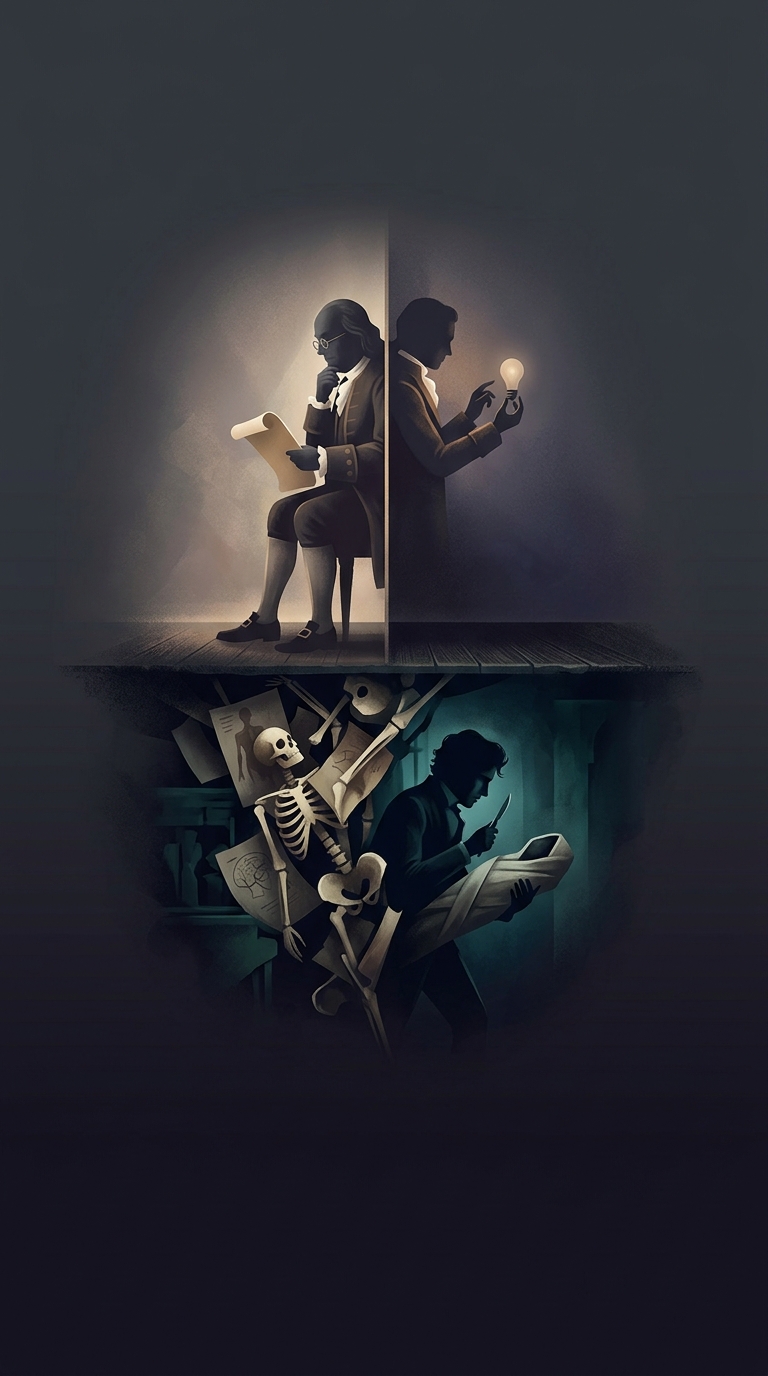
William Hewson’s school turned the basement into a working anatomy classroom. Dissection was central to training because students needed to see how organs, bones, and tissues fit together—not just read descriptions of them. The buried remains are evidence of the physical scale of that teaching, and of the illicit supply chain that supported it.
Benjamin Franklin’s connection is a matter of location: he lived in the house while Hewson used it for medical instruction. The discovery does not make Franklin responsible for the school. It does, however, show how an ordinary London home could conceal a trade that connected graveyards to the emerging practice of hands-on medical education.