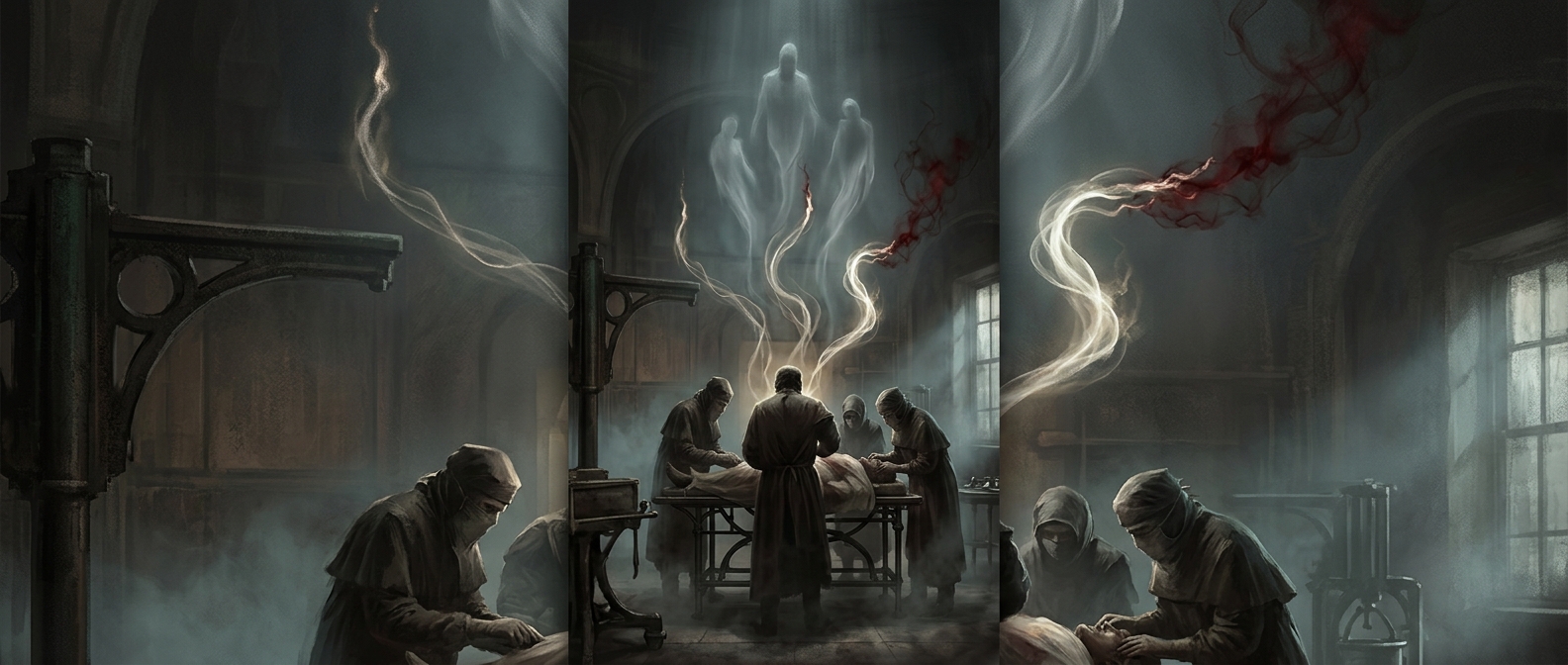
A weapon aimed at unit cohesion
The proposal treated soldiers’ morale and discipline as targets in their own right. Wright Laboratory, an Air Force research facility, requested $7.5 million for a chemical weapon intended to provoke homosexual behavior among enemy troops. The hoped-for effect was not simply physical harm: the planners imagined that sexual behavior within a military unit might disrupt its relationships, distract its members, or weaken their ability to function together.
That premise depended on a sweeping assumption: that a chemical exposure could reliably produce a specific behavior in a group of people, and that the resulting behavior would damage military cohesion. The proposal offered a striking example of how military research can pursue psychological and social effects, not just injury or destruction.
From proposal to paper trail
The idea did not become a deployed weapon or an operational program. It remained at the initial proposal stage, where a request for funding is a bid to explore an idea—not proof that researchers had developed a working method. The plan’s bureaucratic fate was therefore central to its history: the proposed weapon never moved beyond paperwork.
The episode is memorable because it joined an ambitious theory about human behavior to the machinery of military research. But its concrete legacy was not a new battlefield capability; it was a proposal for a weapon whose intended social effect never advanced into practice.