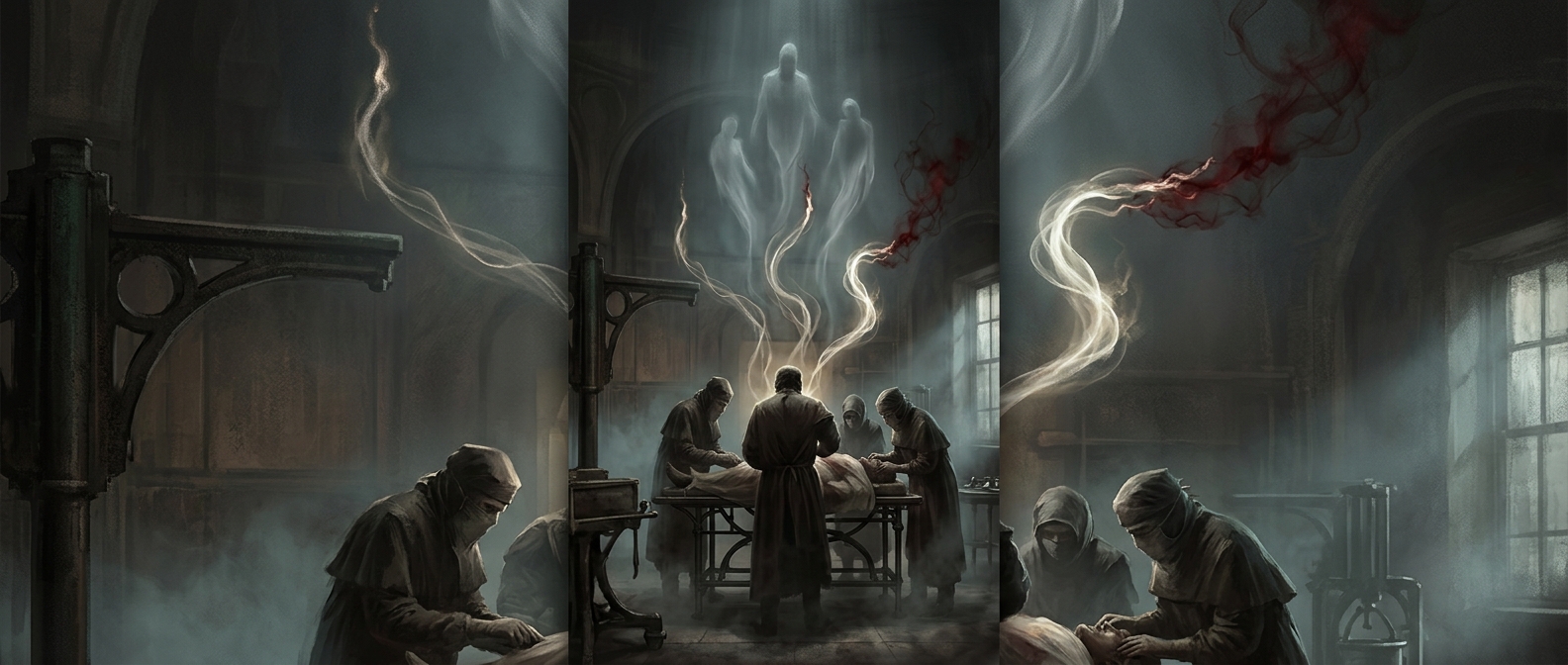
The bumps on your head were supposed to be a map of your mind
In the 19th century, phrenology claimed that a person’s character could be read from the shape of their skull. Its practitioners felt the head for bumps and hollows, then compared them with charts that divided the brain into areas—or “organs”—said to govern traits such as courage, affection, and acquisitiveness. A prominent area supposedly meant a stronger faculty; a hollow one, a weaker one.
The claim rested on a tempting idea: if different parts of the brain handled different mental abilities, perhaps the skull’s exterior could reveal how those parts had developed. Phrenology turned that speculation into a simple reading method. A few touches and measurements, it suggested, could disclose not just someone’s temperament but their moral character and likelihood of criminal behavior.
Why it seemed convincing—and why it failed
The brain does have specialized regions, but the skull is not a reliable surface map of them. Its contours do not reveal a person’s personality, and feeling a bump cannot diagnose criminal tendencies. Phrenology mistook a broad insight about the brain for evidence that character could be measured from the head.
Its appeal was practical as well as scientific-sounding. A chart seemed to make human nature legible: people could use it to assess themselves or judge others without long acquaintance. That confidence also gave prejudice a measurement-like disguise. Observers could treat their assumptions about someone’s character as if they had discovered them by touch.
Phrenology’s most lasting lesson is less about the shape of a skull than the authority of a neat system. A method can look objective because it produces a map and a verdict—even when the thing it claims to measure is not actually visible there.