When a Queen’s Dress Looked Like a Rebuke
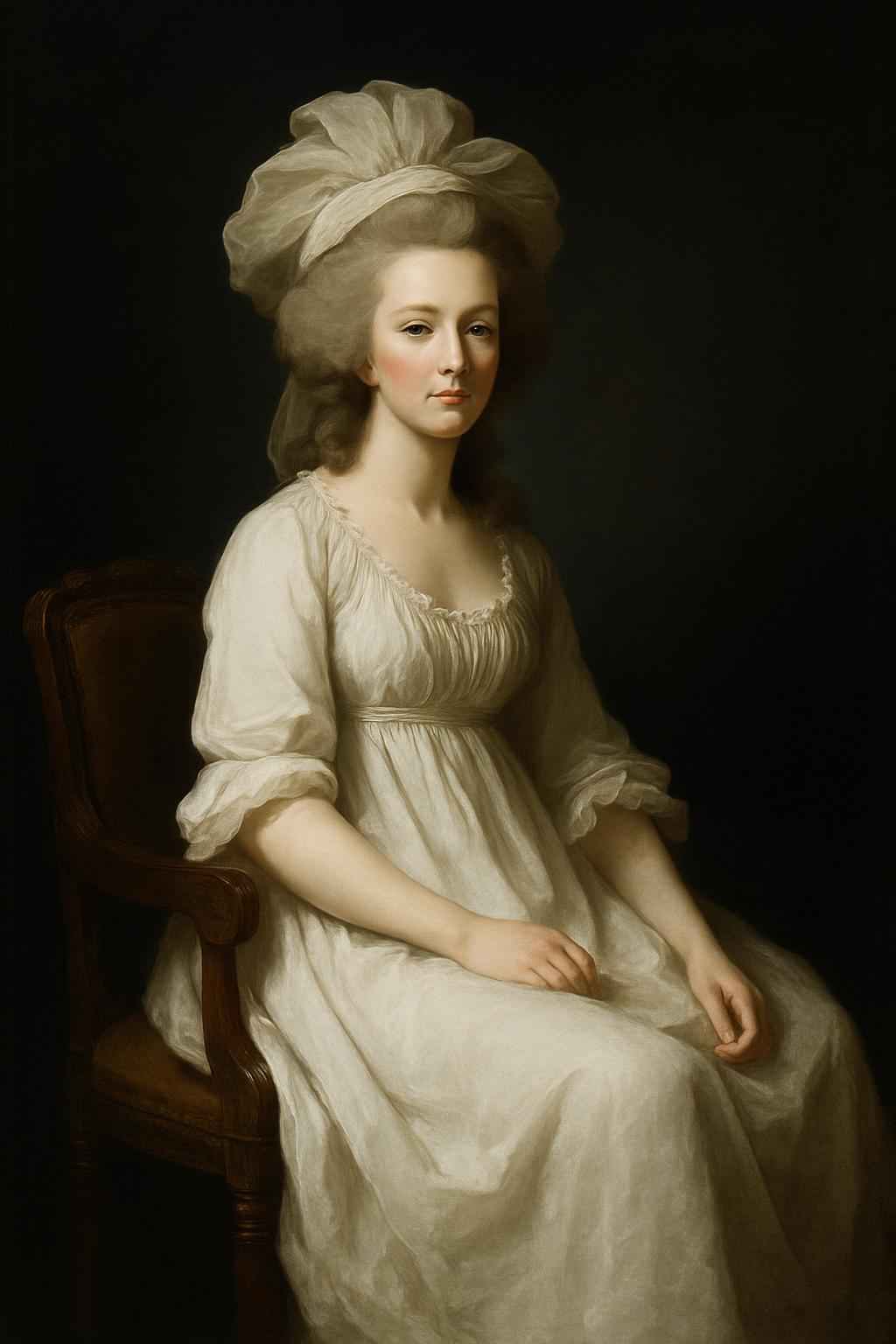
In 1783, the painter Élisabeth Vigée Le Brun showed a portrait of Marie Antoinette wearing a loose, plain white muslin dress. The outfit was striking partly because it looked less like formal royal dress than a soft, informal garment. To critics, that informality made the queen seem improperly dressed for her rank; to people whose livelihoods depended on France’s luxury trades, it also carried an economic sting.
The Politics Woven Into Silk
Court clothing was more than personal style. Elaborate silk gowns and accessories displayed the wealth and authority of the monarchy, while supporting a chain of makers and sellers, including weavers, dyers, seamstresses, and merchants. Lyon, in particular, was known for silk production. A queen choosing a simple muslin outfit could therefore be read as turning away from French luxury goods and the workers tied to them—even if the portrait alone could not prove what she intended or where every part of the garment came from.
The controversy was sharpened by the dress’s resemblance to a chemise, a light undergarment. What might look comfortable and fashionable in private could seem indecent or undignified when presented as a queen’s public image. The portrait was withdrawn after the uproar and replaced by a more conventionally regal image.
A Small Choice, a Larger Resentment
The episode did not topple the monarchy by itself. It mattered because it made a broad grievance visible: royal display was expected to sustain an economy and signal respect for social rank, while the queen’s clothing could appear to reject both. A dress became politically charged not simply because it was plain, but because people saw its simplicity as a choice made at their expense.