History
Discover facts about history. Small discoveries that change the way you see familiar things.
History
A French soldier became Sweden's king without mastering Swedish
Jean-Baptiste Bernadotte rose through the French army before becoming Sweden's crown prince and later Charles XIV John. French remained his working language.…
Discover more
A Bounty mutineer's pigtail ended up in a museum
Royal Museums Greenwich preserves the plaited hair of John Adams, the last surviving Bounty mutineer on Pitcairn. It was framed under glass and passed through…
Discover more
Mary I's court prepared for a royal baby who never arrived
In 1555, England's queen withdrew for an expected birth and officials readied announcements for other courts. Months passed without a child. Another apparent…
Discover more
The planet astronomers invented to explain Mercury
Mercury’s orbit didn’t quite match what Newtonian physics predicted, so astronomers proposed an unseen planet inside its orbit and named it Vulcan. Einstein’s…
Discover more
Ancient Greeks voted with colored pebbles
In some Greek votes, citizens cast pebbles as ballots. The Greek word for pebble became the root of “psephology,” the study of elections—a small stone with a…
Discover more
Japan's spies sometimes posed as wandering monks
A wandering ascetic could pass military checkpoints that might stop other travelers. Feudal Japan’s covert operatives sometimes carried flutes as part of the…
Discover more STACKY FOR IPHONE
A bigger world.
One discovery
at a time.
Keep discovering with Stacky. Interesting facts in an app that is always within reach.
Kites were historically used for meteorological data
To measure conditions too high up for ground instruments, researchers sent thermometers skyward on kites. Before radar and satellites, a kite could carry the…
Discover more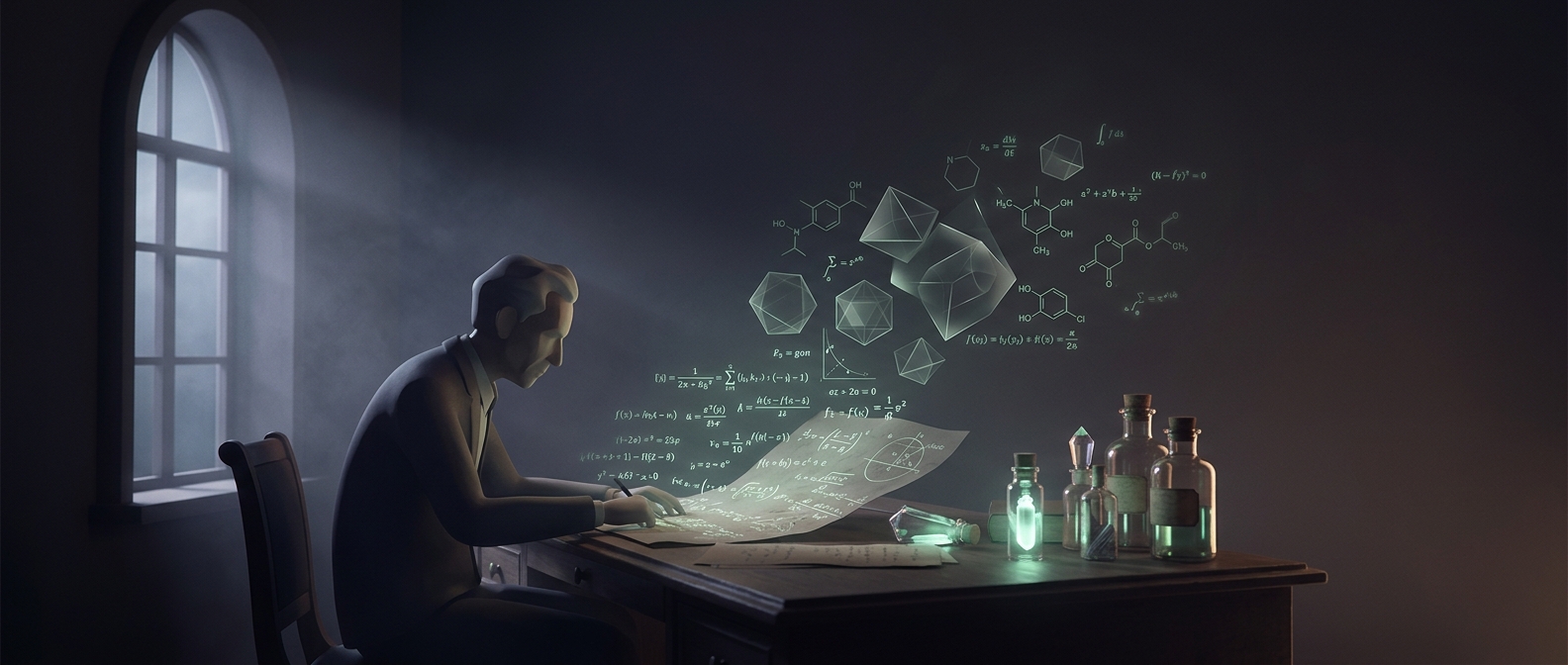
Paul Erdős won a bet by giving up amphetamines for a month
His friend Ron Graham bet him $500 that he could not stop. Erdős did, then complained that the break had left him unable to work as productively. The…
Discover more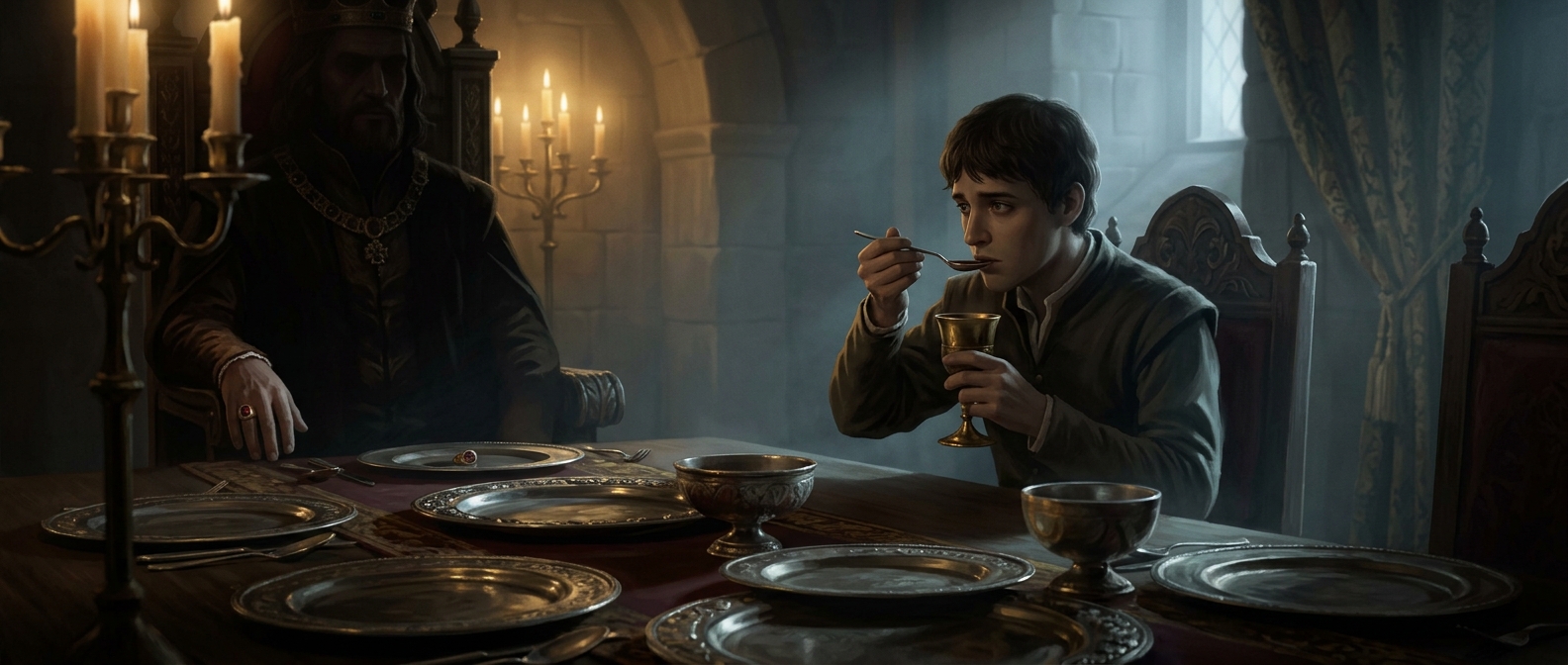
Why monarchs hired people to taste their food
A hired taster ate first and waited to see whether the food made them ill before the monarch touched it. The ruler’s safety depended on someone else taking…
Discover more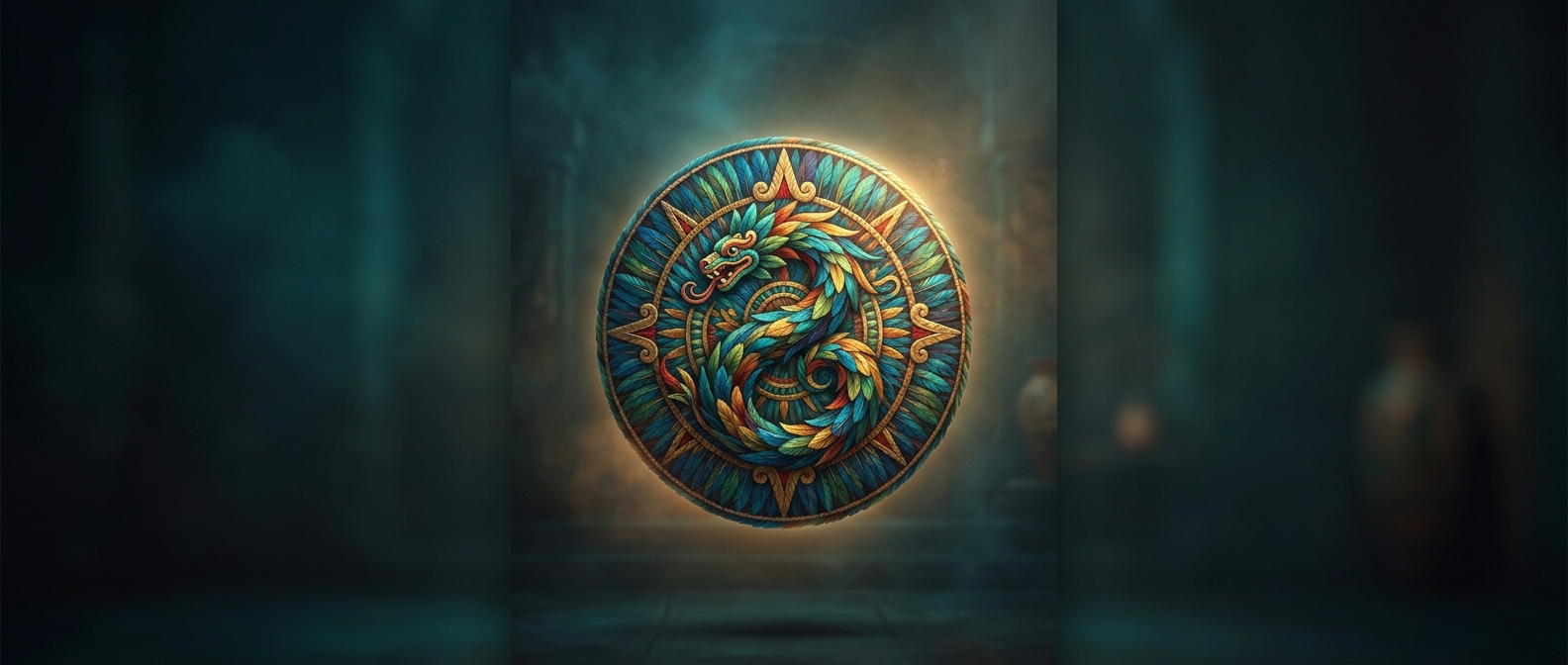
Aztec artists made shifting-color mosaics from feathers
Amanteca artisans arranged thousands of iridescent feathers into shields, headdresses, and tapestries. As the light shifted, so did the colors—no paint…
Discover more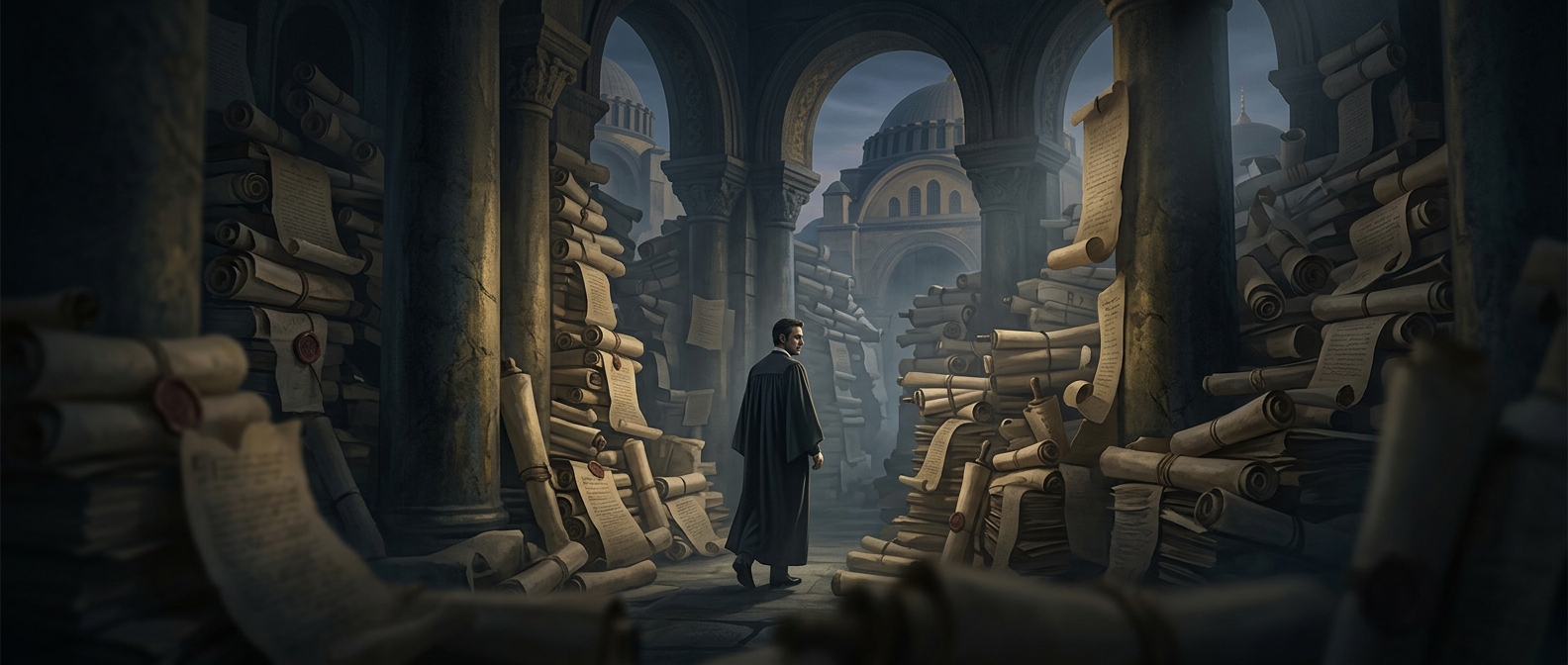
One emperor tried to organize centuries of contradictory laws
Justinian’s problem was that centuries of laws contradicted one another. He set scholars to gather them into a single code, giving officials one place to turn…
Discover more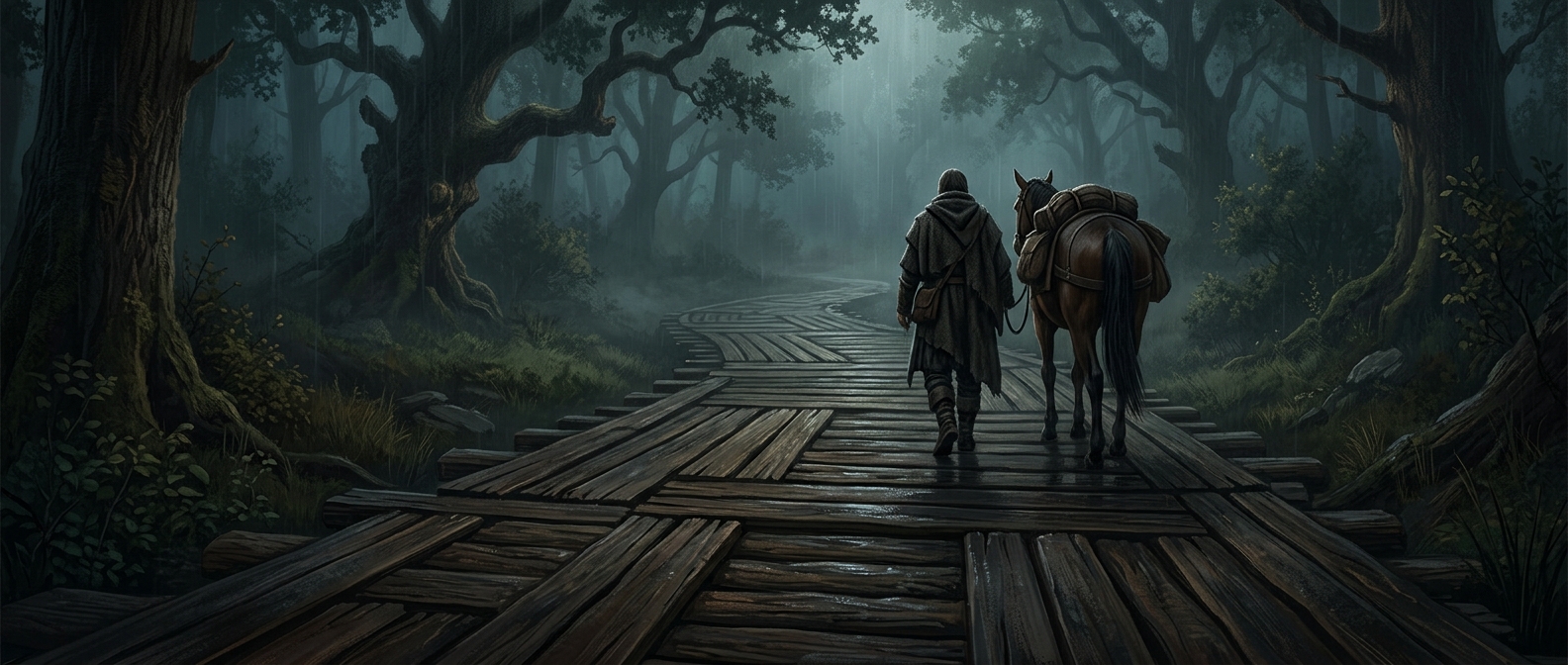
Europe's first paved roads were made of wood
Instead of letting heavy wagons sink into mud, road builders laid logs across it to make a firm track. It was a rough fix, but a road that bounced was better…
Discover more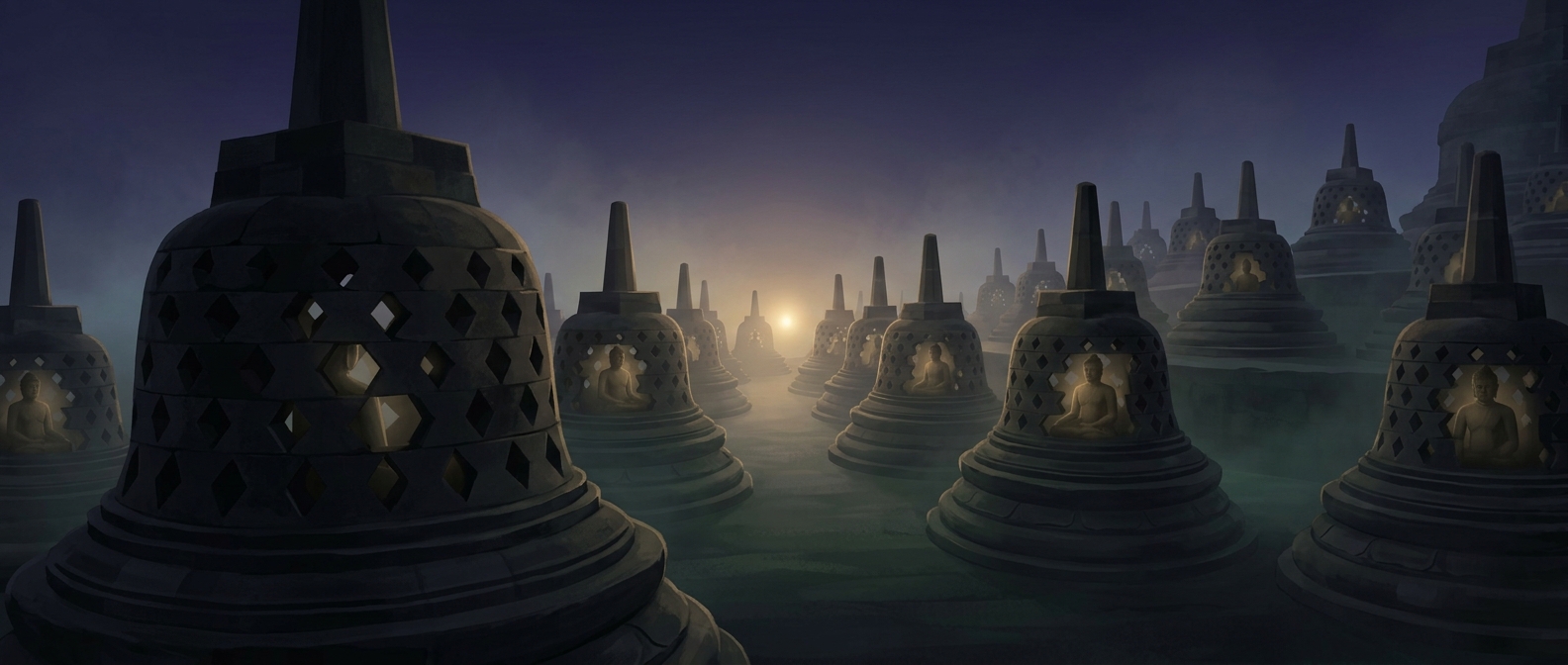
Borobudur temple contains over five hundred statues
More than 500 seated statues line Borobudur’s tiers. Many look alike, so the temple’s repetition turns finding a particular one into a stone game of…
Discover more
Mesopotamian fashion layered heavy fringed shawls
Mesopotamians wore wool garments layered with long fringe, sometimes in overlapping rows that hung around their ankles.
Discover more
The 335-year war with no shots fired
The Dutch fleet left without firing, and nobody brought the conflict to a formal end. It went unnoticed for centuries until a historian uncovered it; in 1986,…
Discover more
Jute stalks provided tough plant fibers in Bengal
Soaking jute stalks in slow-moving water loosens their coarse fibers, which cultivators then strip to make durable ropes and sacks.
Discover more
Mariachi bands blended brass and string sounds
Its signature sound pairs violins with brass instruments, especially trumpets, giving regional folk music a fuller, louder presence.
Discover more
The doorway problem with medieval cone hats
The tall, rigid cones couldn’t bend when their wearers reached a doorway. A grand fashion statement could turn an ordinary entrance into a small architectural…
Discover more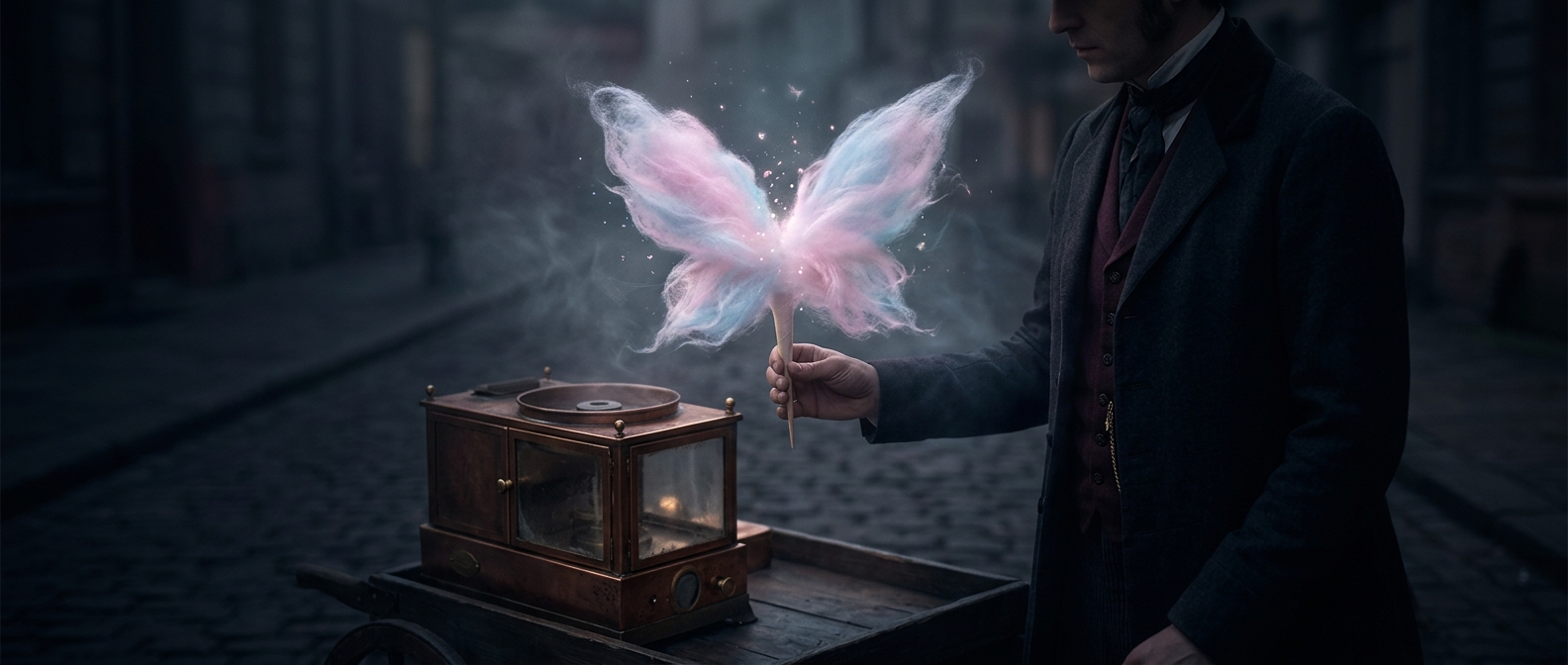
Cotton candy was once called fairy floss
Cotton candy was once called “fairy floss”—a name that makes spun sugar sound like a fairy’s dental floss.
Discover more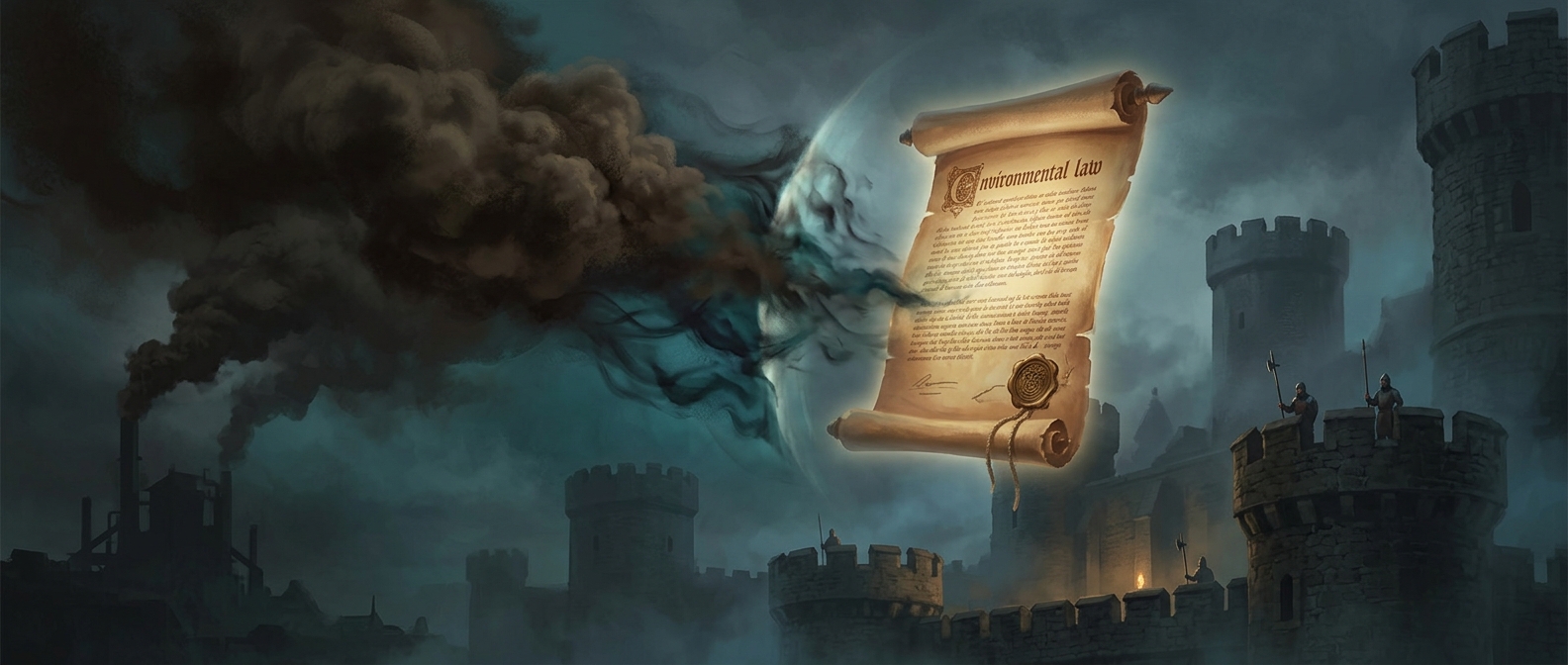
Why medieval cities banned sea-coal
Sea-coal burned cheaply but filled medieval streets with choking smoke, so authorities banned it to clear the air. The rule ran into a basic problem: people…
Discover more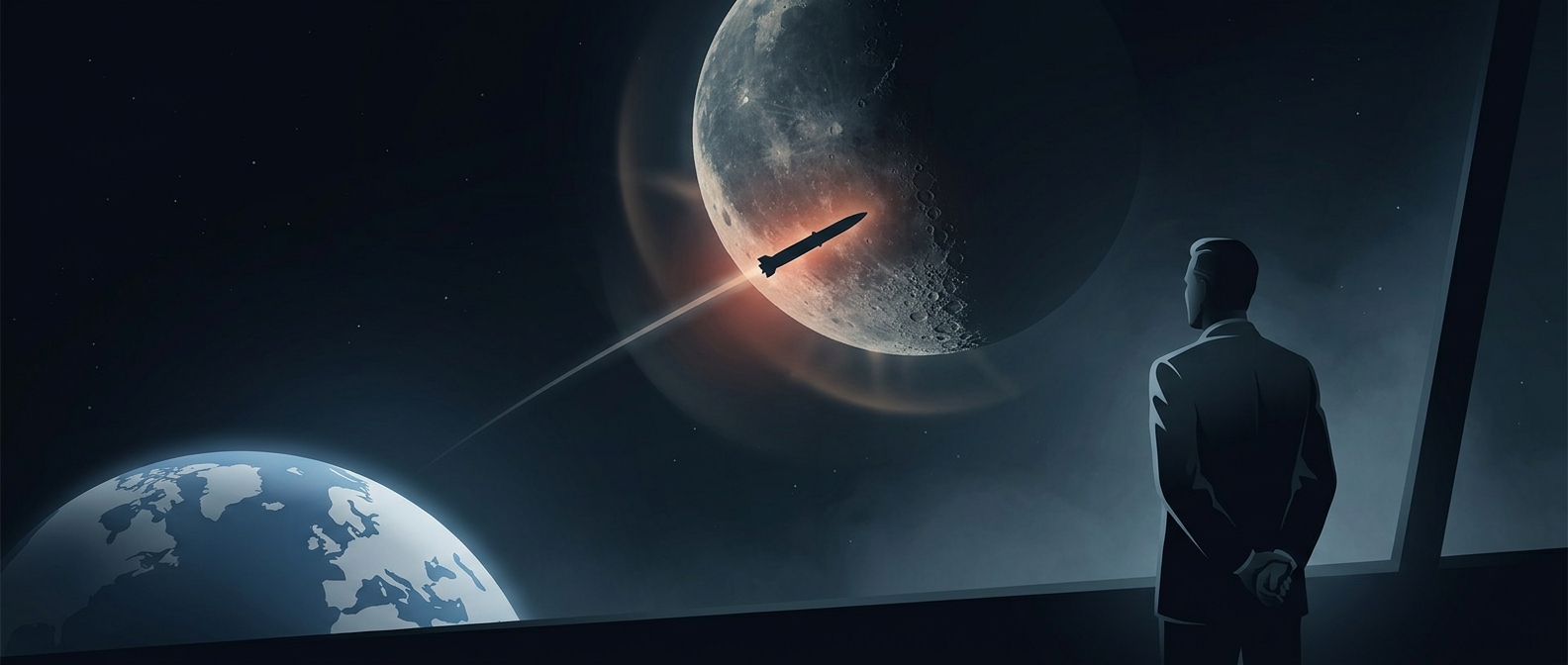
The secret plan to nuke the Moon
After Sputnik, the Air Force wanted a nuclear flash on the Moon that the world could see—and the Soviet Union could not ignore. Project A119 was an…
Discover more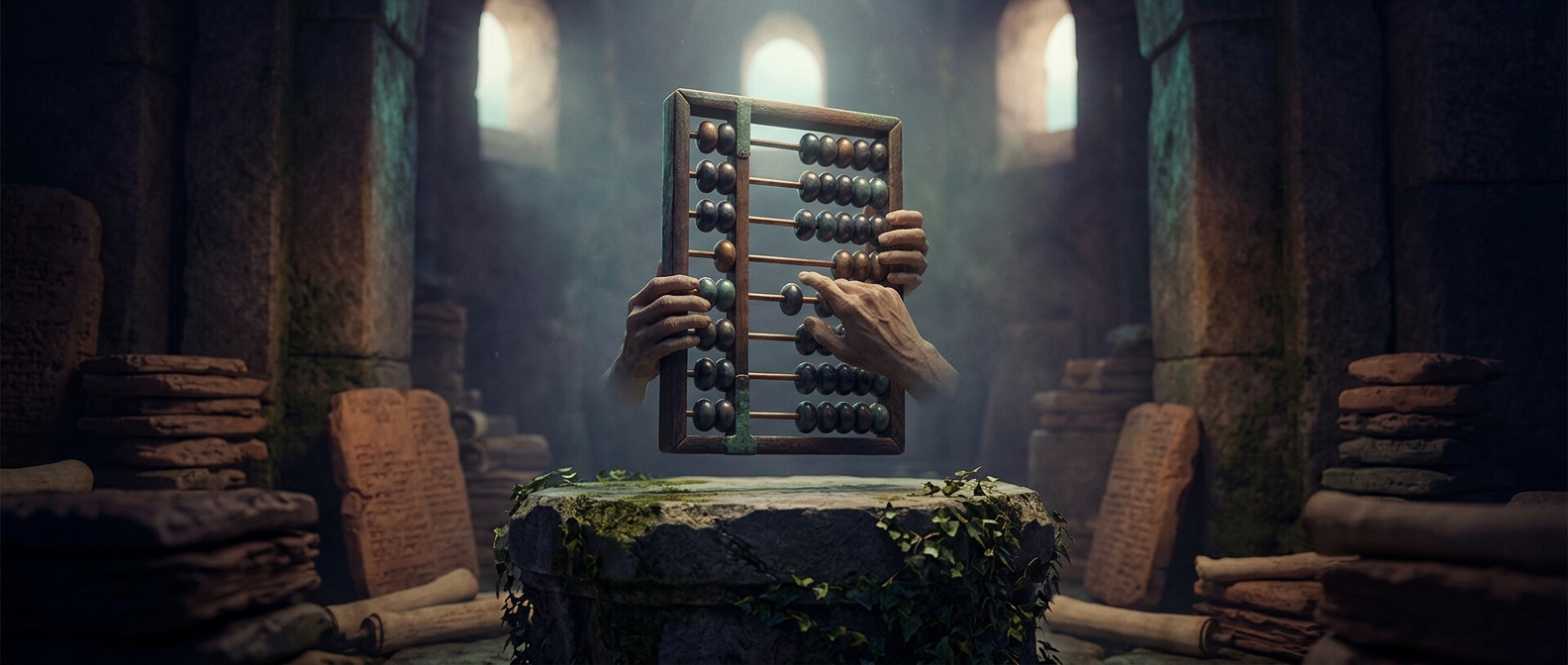
Abacus was used for centuries before written numbers
Its beads let merchants calculate faster than writing out sums, and the tool remained useful even after written numbers became standard.
Discover more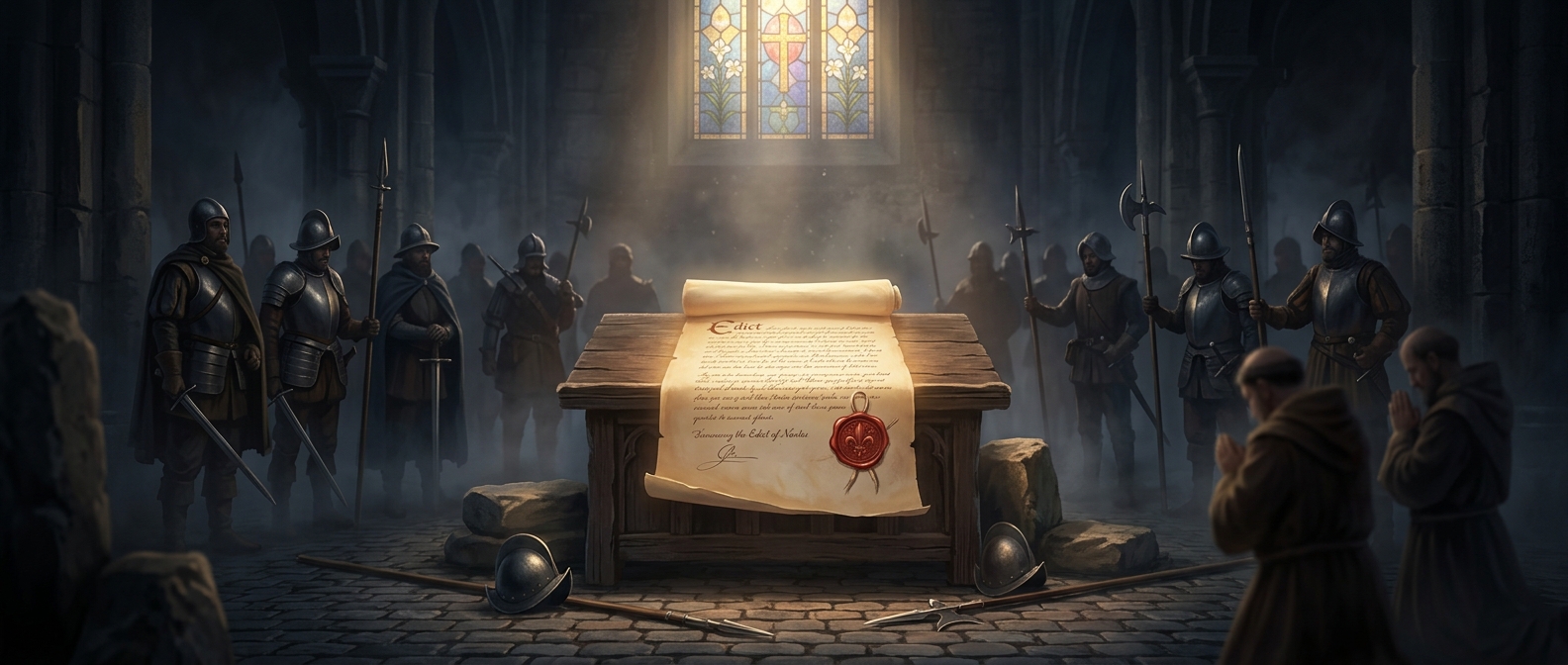
French religious edicts temporarily halted domestic warfare
Henry IV’s 1598 Edict of Nantes gave French Protestants limited rights, helping end the Wars of Religion. Louis XIV revoked it in 1685, turning a peace…
Discover more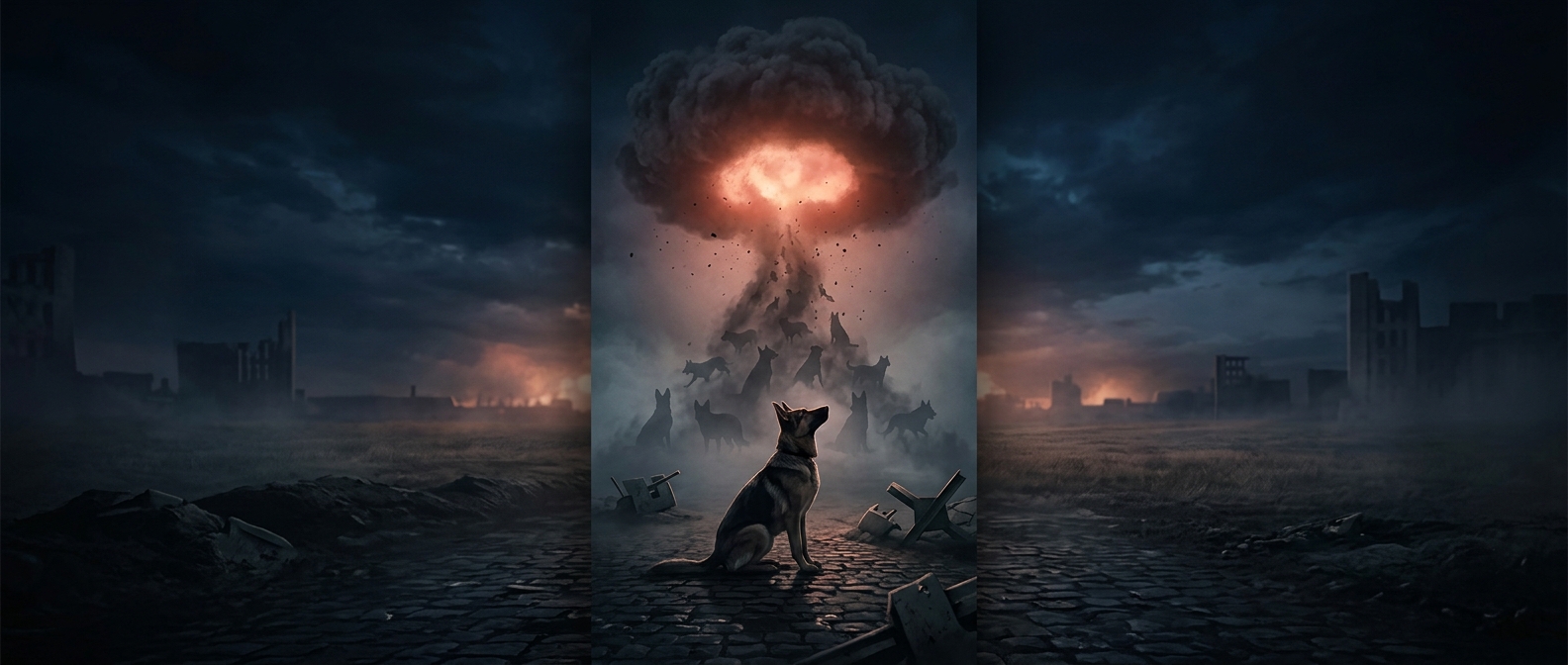
The Soviet army turned dogs into anti-tank weapons
During World War II, Soviet forces deployed dogs carrying explosives against tanks. The project tried to turn trained animal behavior into a delivery system…
Discover more