History
Discover facts about history. Small discoveries that change the way you see familiar things.
History
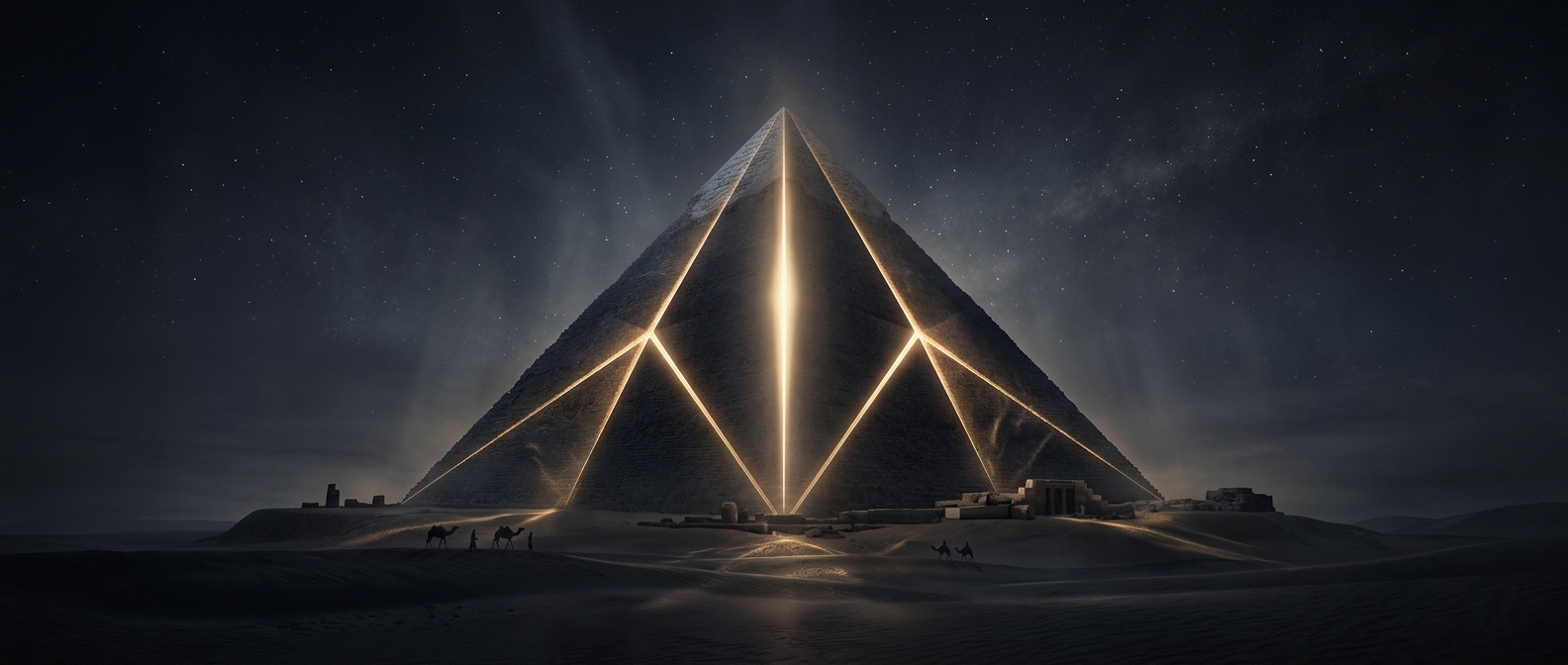
The Great Pyramid once wore a smooth white exterior
Fine limestone casing covered the rougher core blocks, giving the monument a bright, continuous surface. Much of that outer layer was later removed. The…
Discover more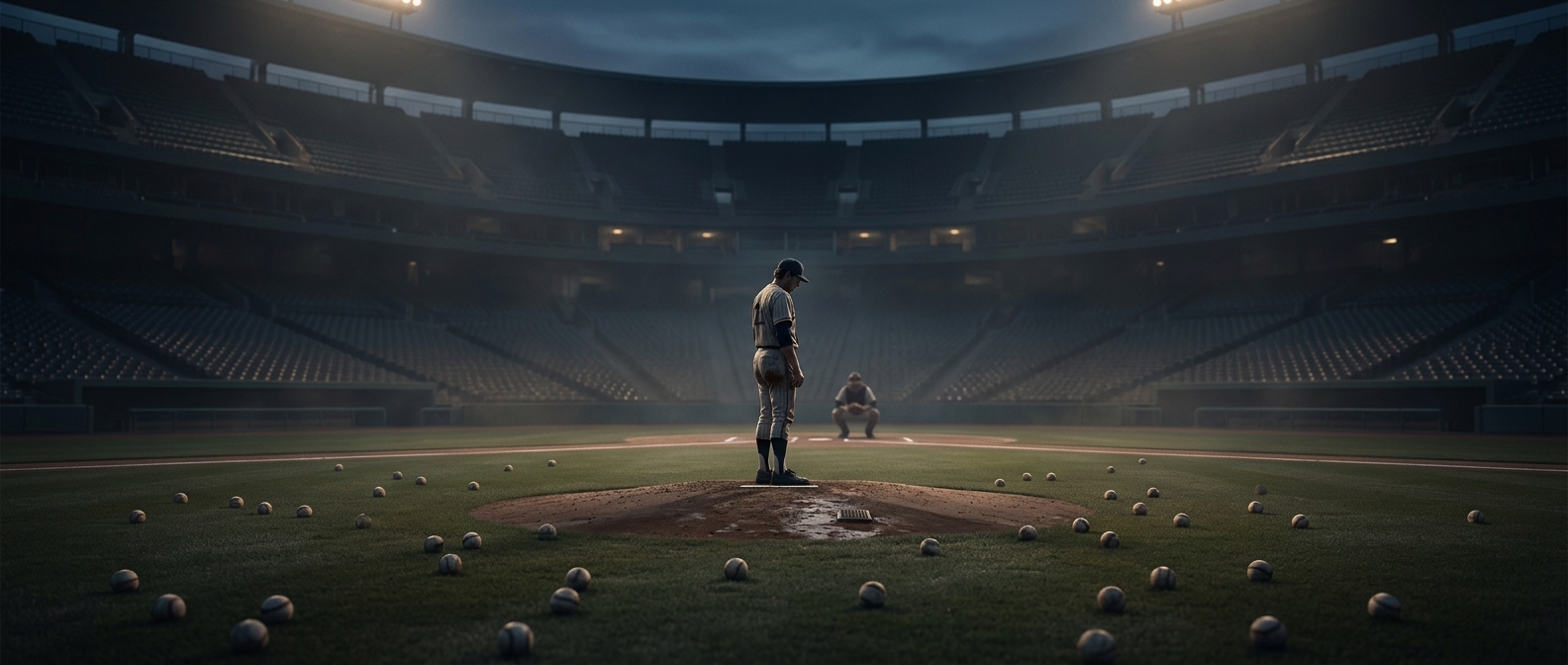
One baseball game lasted 33 innings
The minor-league game kept going through the night until officials suspended it at 4 a.m. The teams resumed two months later and finished the 33rd inning—one…
Discover more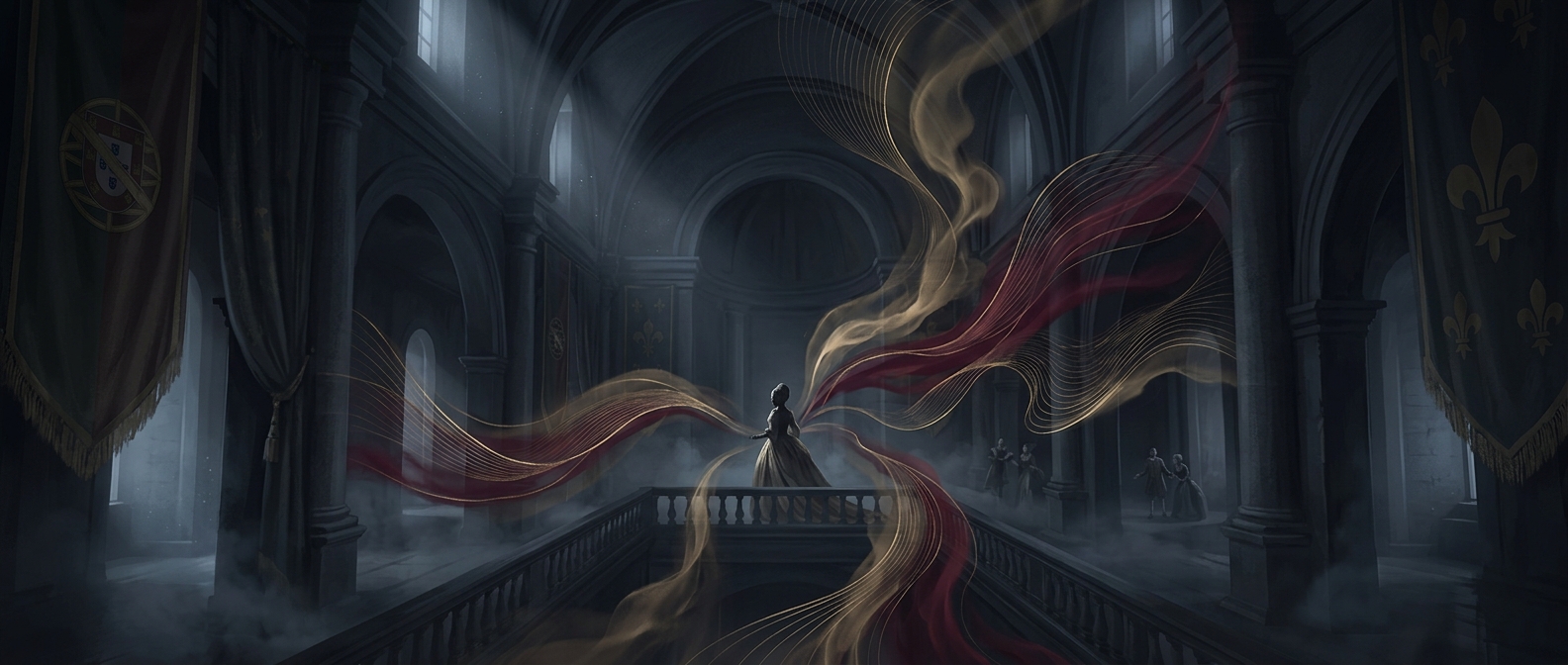
A Portuguese queen's screams echoed through her palace
After several family deaths, Maria I developed intense religious fears and believed she was damned. She spent long stretches wailing at Queluz Palace,…
Discover more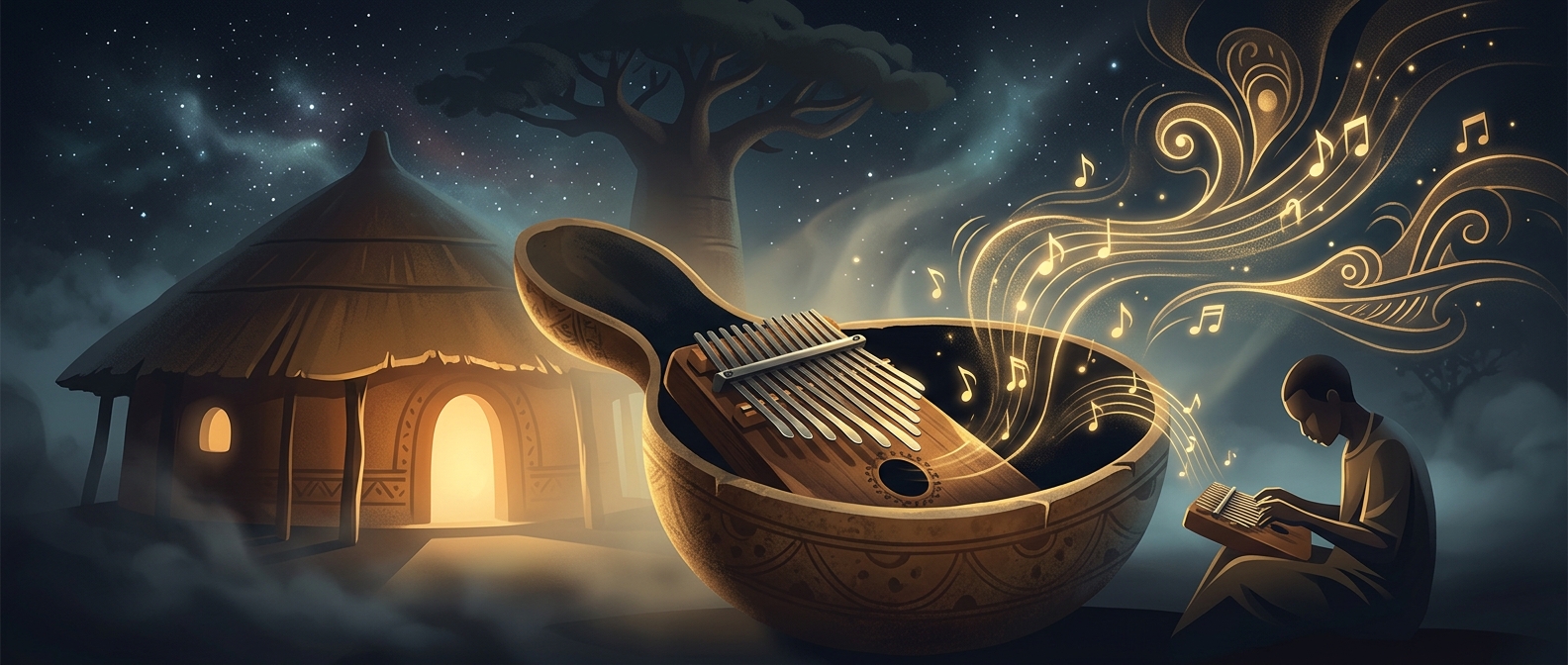
Mbira thumb pianos resonate in hollow gourds
The mbira’s iron keys are set into a hollow calabash gourd. Plucking them sends the sound into the gourd, giving the instrument its resonant, watery voice.
Discover more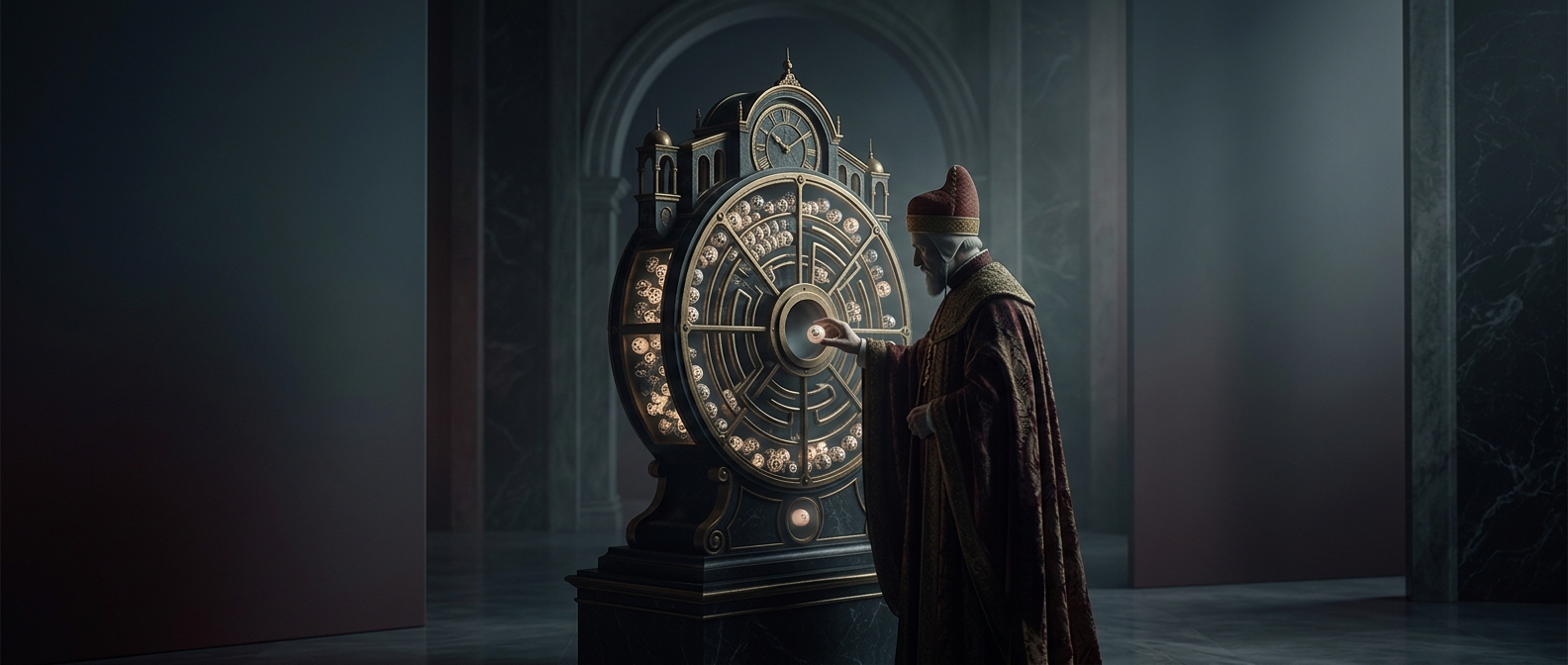
Venice used a lottery to choose its doges
Venice alternated drawing lots with elections, repeatedly shrinking and enlarging the groups involved in choosing a doge. The elaborate process made it harder…
Discover more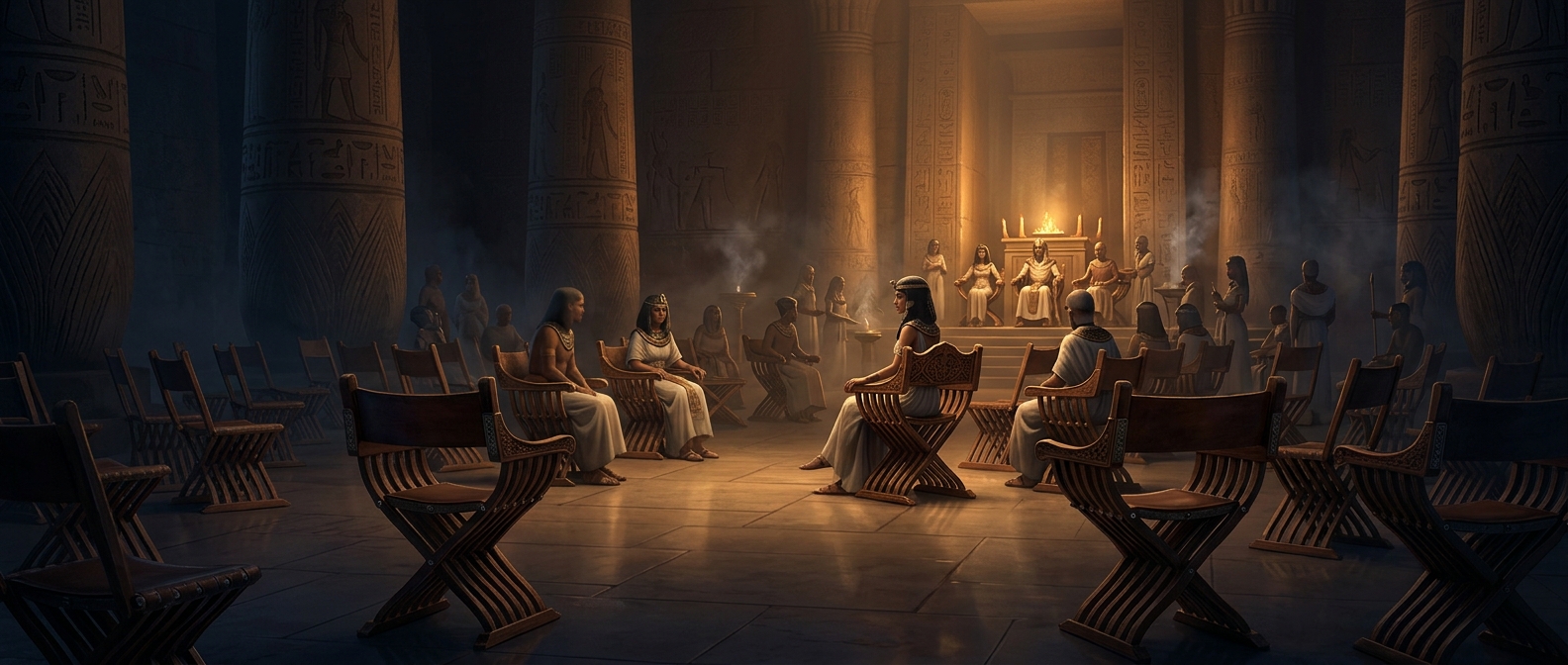
Ancient Egyptian officials carried folding stools
High-ranking officials carried elegantly carved wooden folding stools, portable seats long before folding chairs became a modern staple.
Discover more STACKY FOR IPHONE
A bigger world.
One discovery
at a time.
Keep discovering with Stacky. Interesting facts in an app that is always within reach.
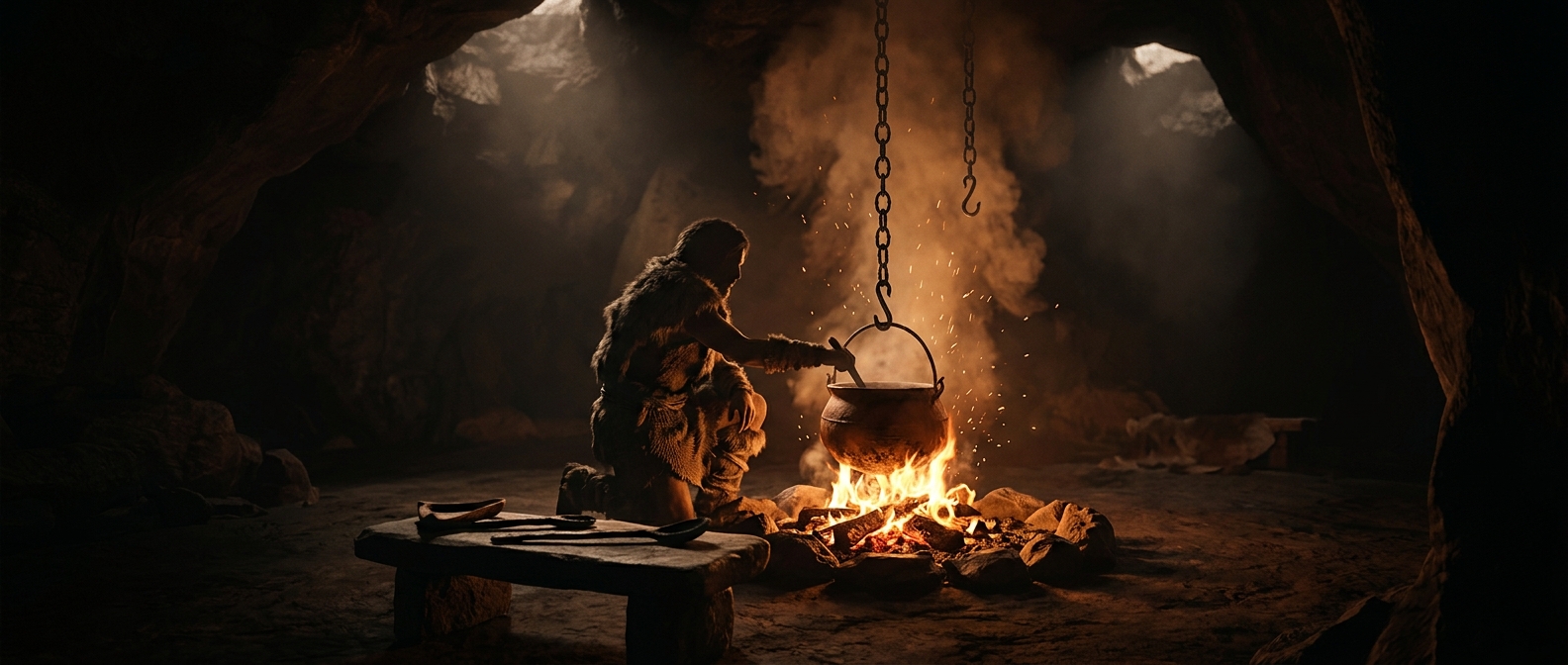
Stoves did not exist for the vast majority of human history
Before stoves, cooking meant tending an open fire, often crouched close enough to risk singeing your sleeves.
Discover more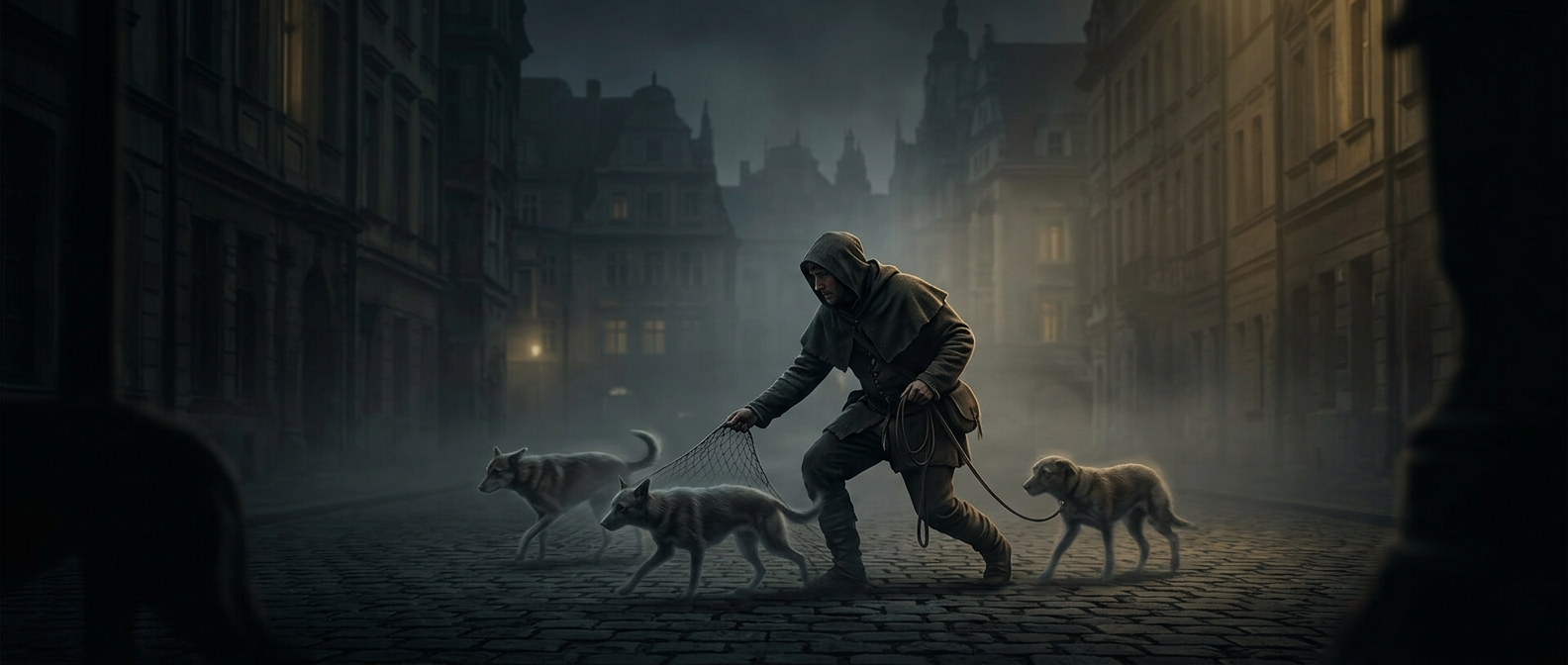
Aristocrats hired specialized workers to capture stray dogs
Manorial estates hired laborers with iron tongs to seize stray dogs that roamed the grounds or disturbed estate life.
Discover more
Why crying at weddings once promised a happy marriage
The tears were thought to release the sorrow a bride might otherwise face later, leaving room for happiness in married life. A wedding cry was less an omen…
Discover more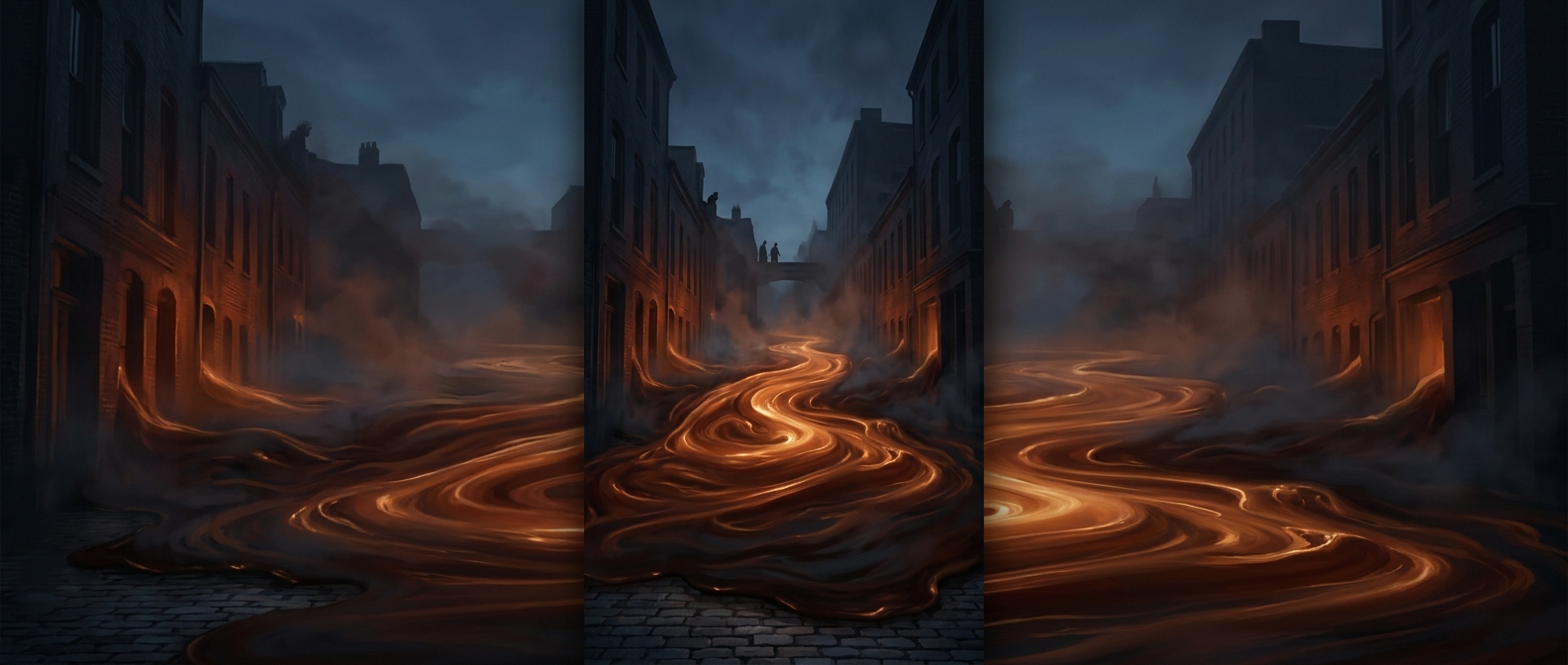
Sugar dust turned a refinery into a chain reaction
At Georgia's Imperial Sugar refinery in 2008, an initial dust explosion set off further explosions as accumulated sugar dust was thrown into the air. Finely…
Discover more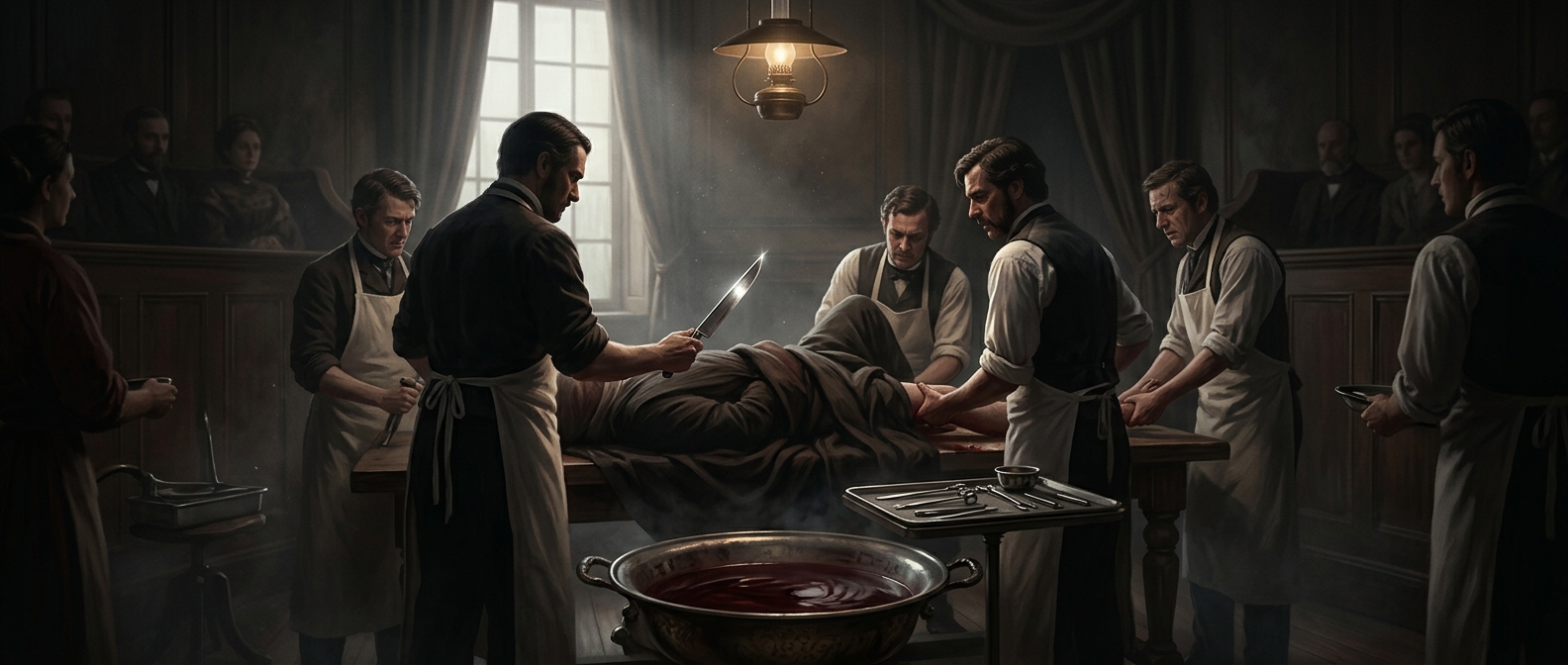
Surgery once meant staying awake through the pain
Before chemical anesthetics, patients were strapped to tables, and a surgeon’s speed was one of the few ways to shorten the ordeal. A reputation for fast…
Discover more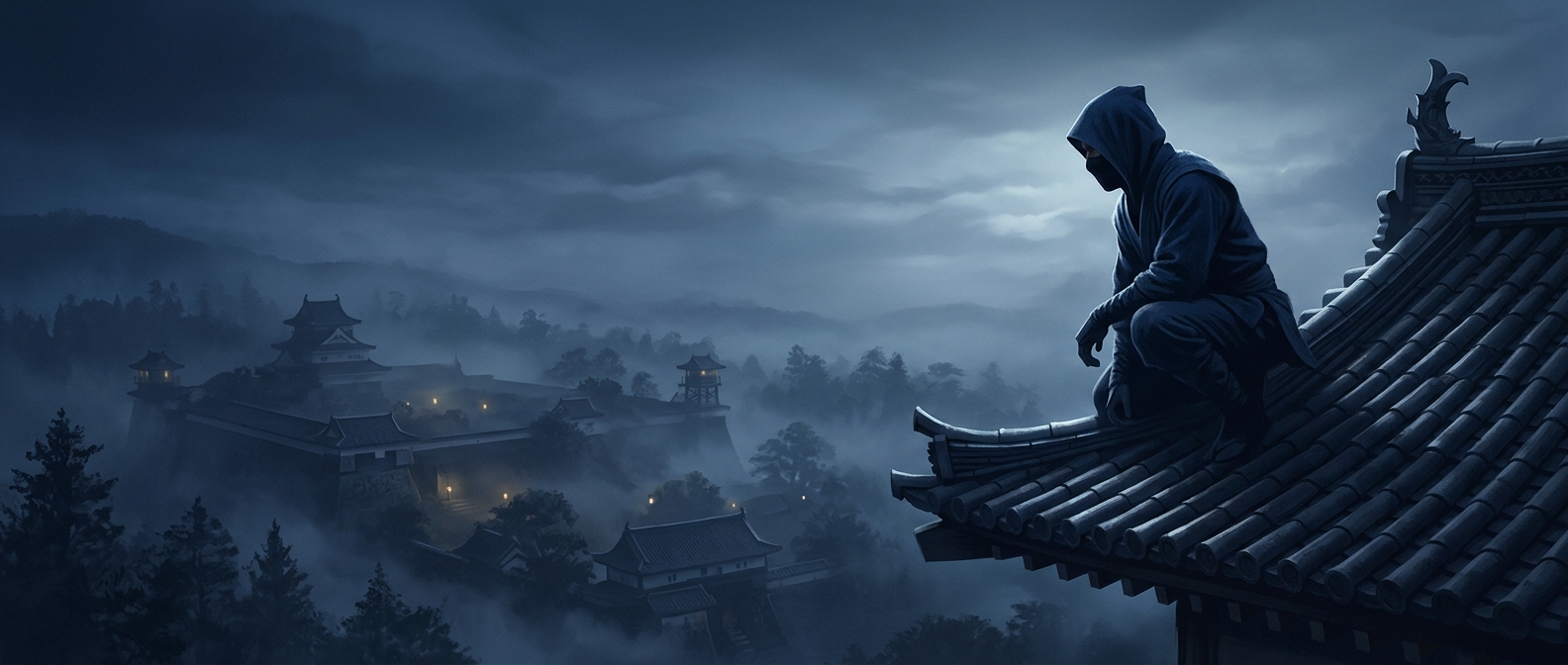
A ninja's disguise could be ordinary work clothes
Iga ninja used farmers' clothes and disguises such as merchants or traveling performers to move without attracting attention. Familiar clothing let a spy…
Discover more
Morin Khuur honors the Mongolian horse spirit
The morin khuur’s horsehair strings were meant to evoke a horse galloping across the steppe. The instrument didn’t just honor the horse spirit; its materials…
Discover more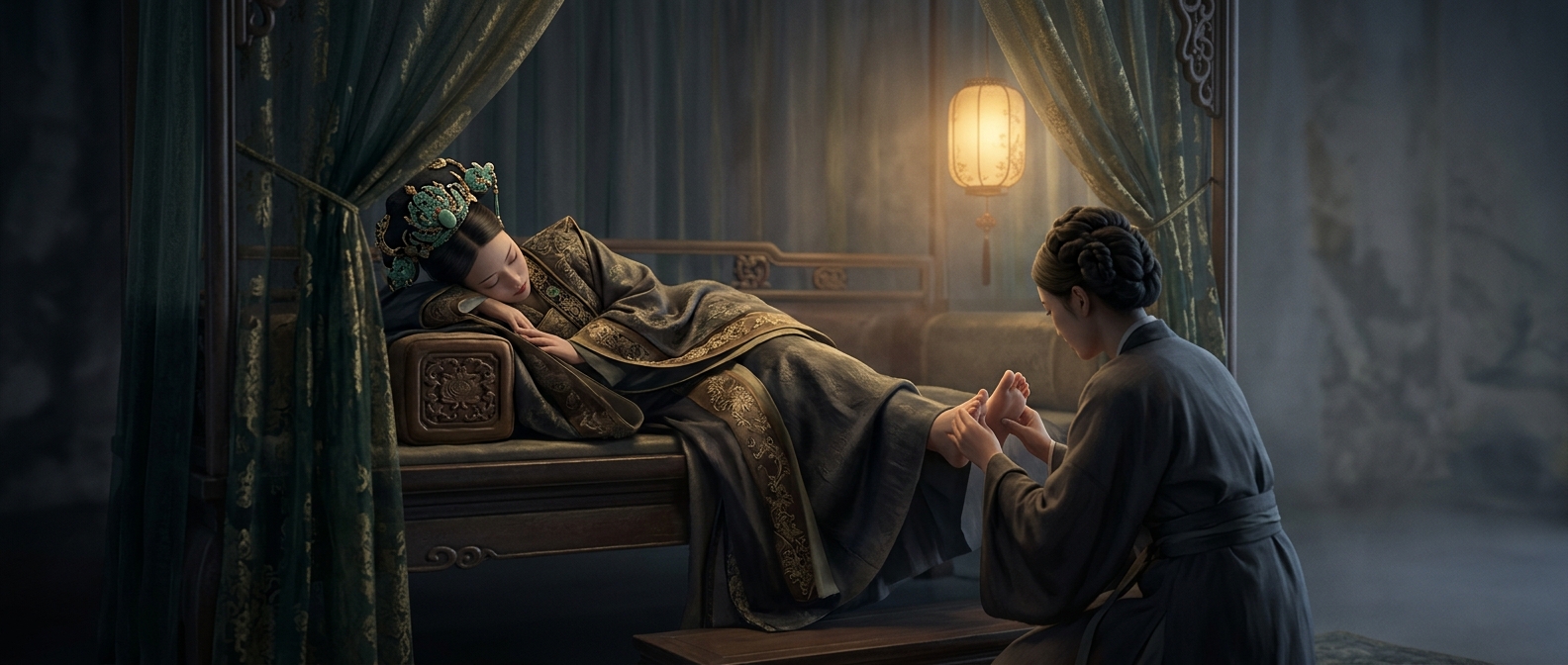
Russia's Empress Elizabeth feared sleeping at night
Biographer Robert K. Massie describes attendants rubbing and tickling her feet to keep her awake until daylight. She had seized power in a nighttime coup and…
Discover more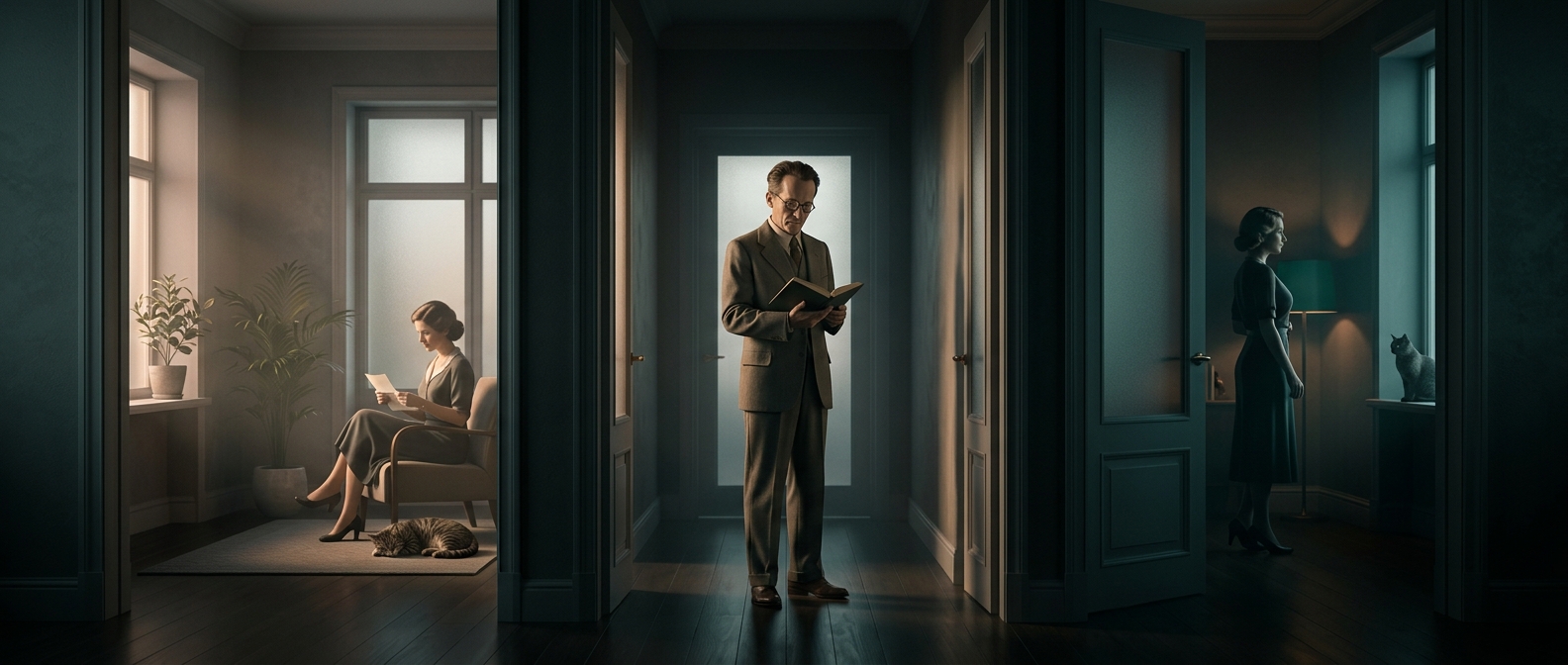
Schrödinger housed his wife and mistress together
Erwin Schrödinger moved his mistress into the same house as his wife. Oxford University objected to the arrangement, and he eventually left the country.
Discover more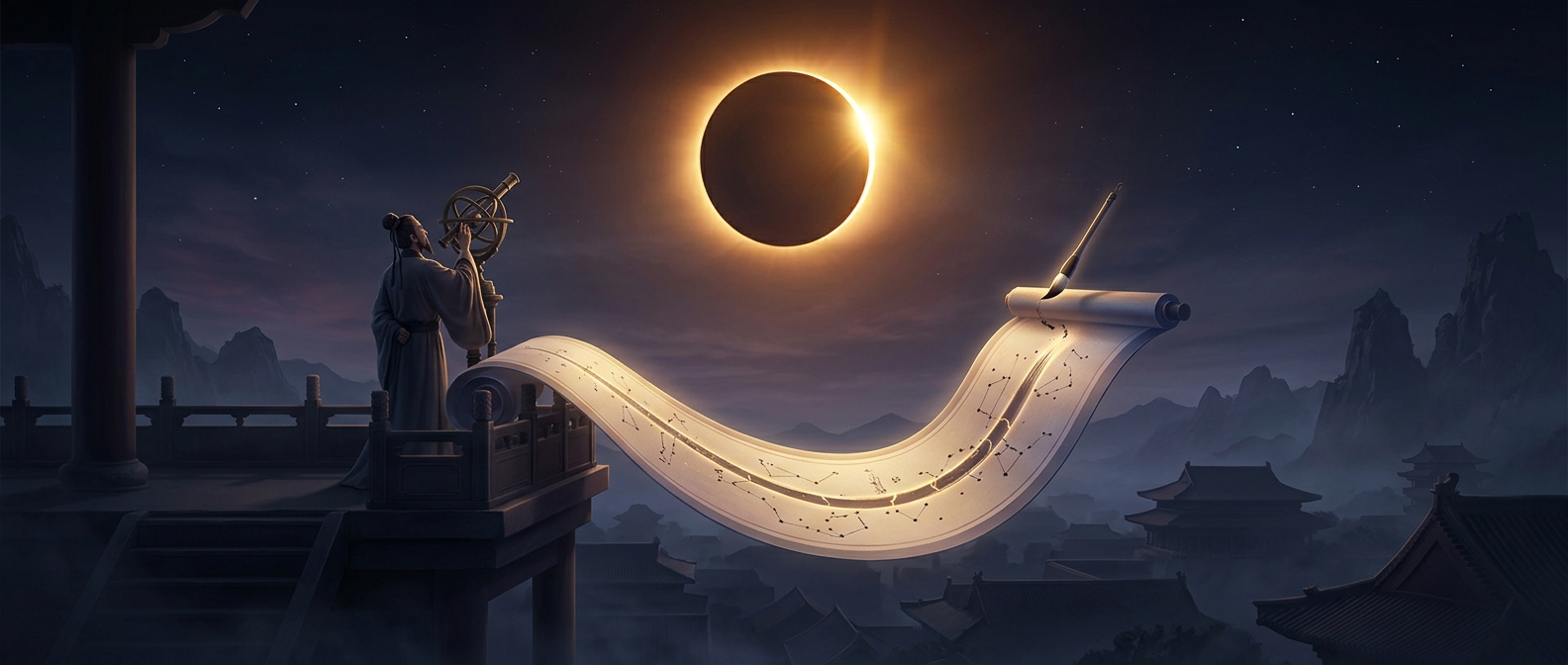
Chinese astronomers precisely recorded ancient solar eclipses
By comparing recorded eclipse times with celestial calculations, scientists can track how Earth’s rotation has changed. Ancient observations preserve the…
Discover more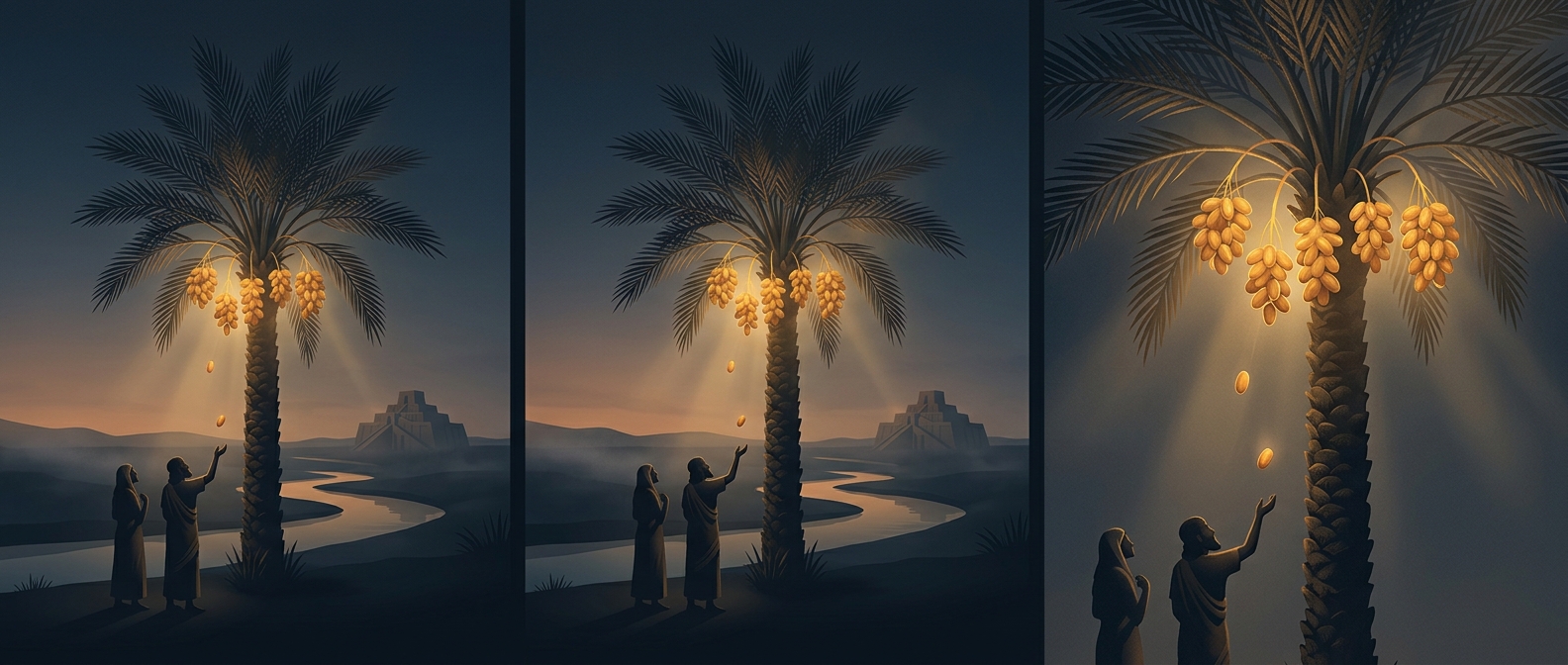
Date palms provided sustenance in ancient Mesopotamia
Date palms supplied sweet fruit that was an important food source for ancient Mesopotamian communities. Their value was simple and practical: they helped put…
Discover more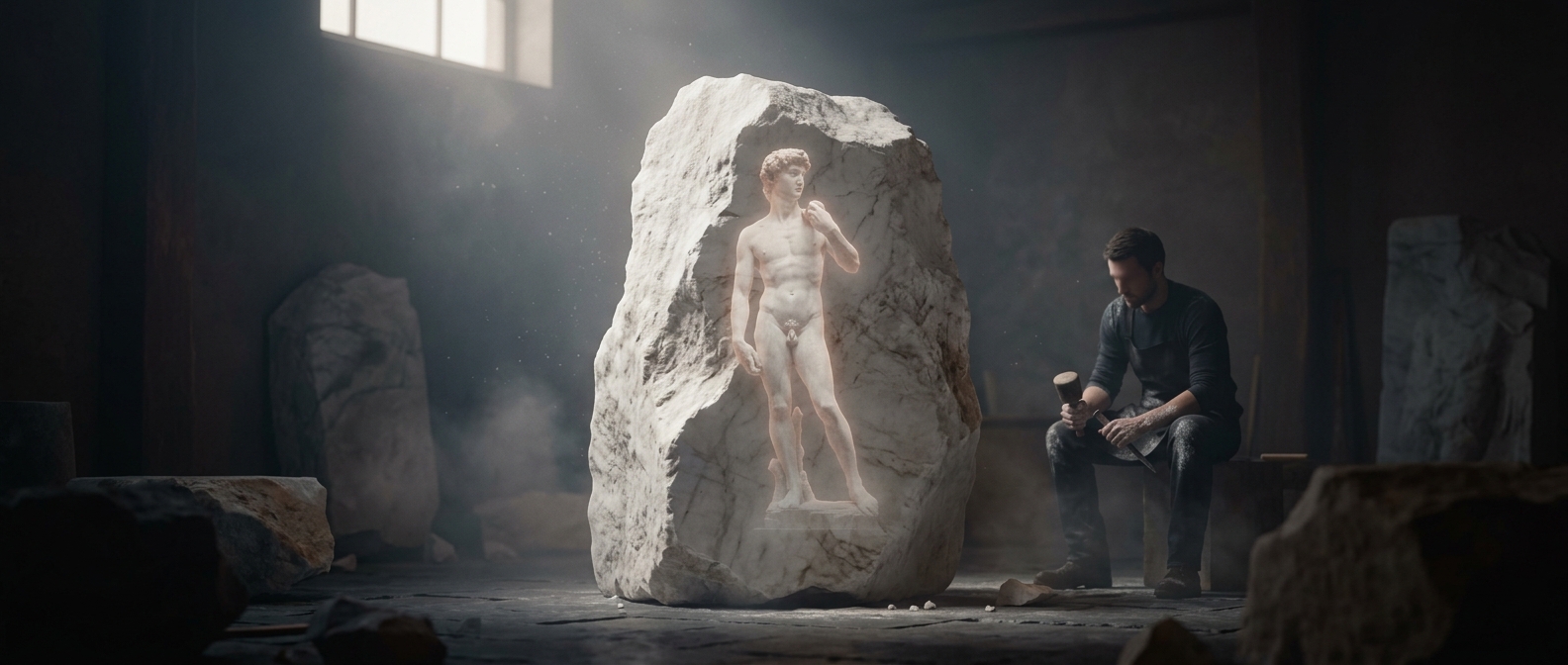
Michelangelo turned rejected marble into David
The slab had already been cut and abandoned, leaving Michelangelo to work with a block other sculptors had given up on. He carved David from it, turning…
Discover more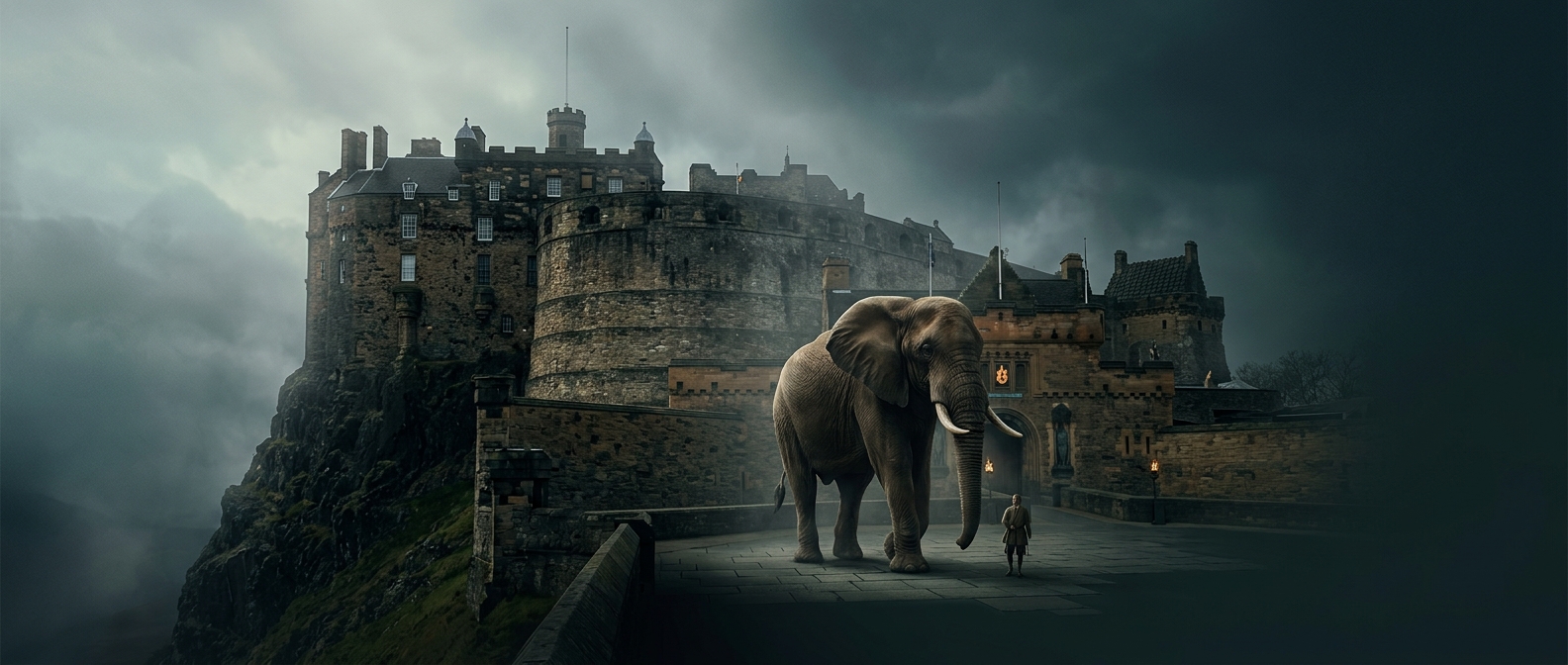
The elephant that lived in Edinburgh Castle
A regiment returning from Ceylon brought an elephant to Edinburgh Castle in 1838. It became the regiment’s mascot and slept in the stables—a distinctly…
Discover more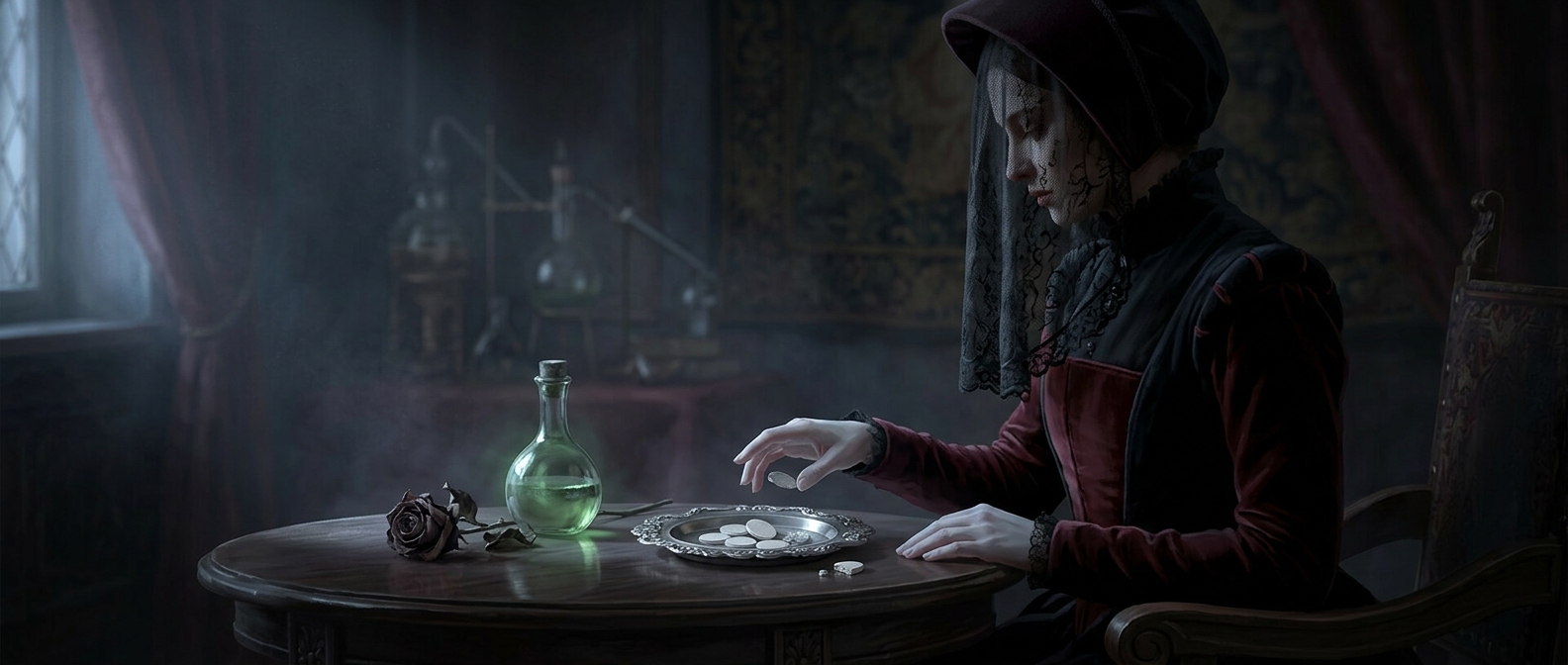
Arsenic was once sold as a complexion treatment
The Smithsonian holds a package of Dr. Campbell's Arsenic Complexion Wafers from around the turn of the twentieth century. The product promised beauty through…
Discover more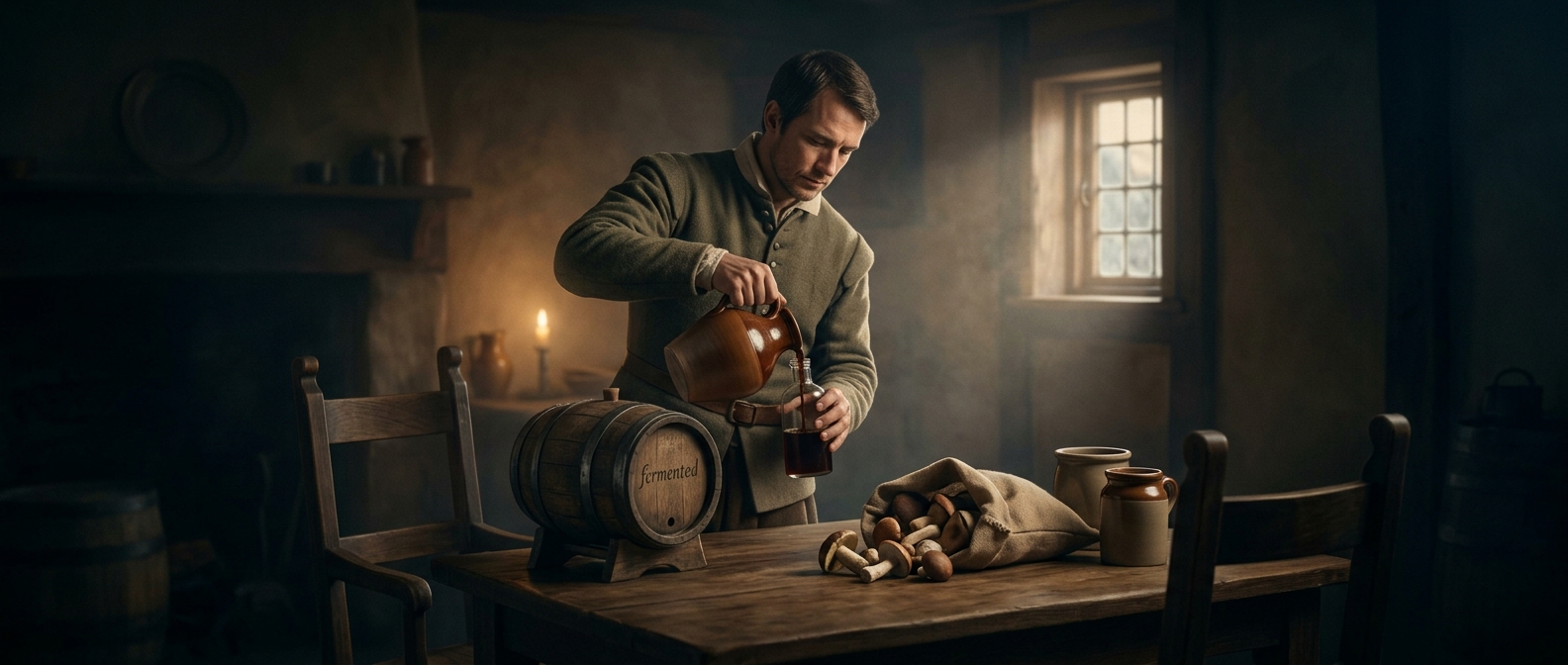
Ketchup existed before tomatoes took over
Earlier ketchups included savory preparations made from ingredients such as mushrooms or fish. Tomato ketchup later developed into the thick, sweet-tart…
Discover more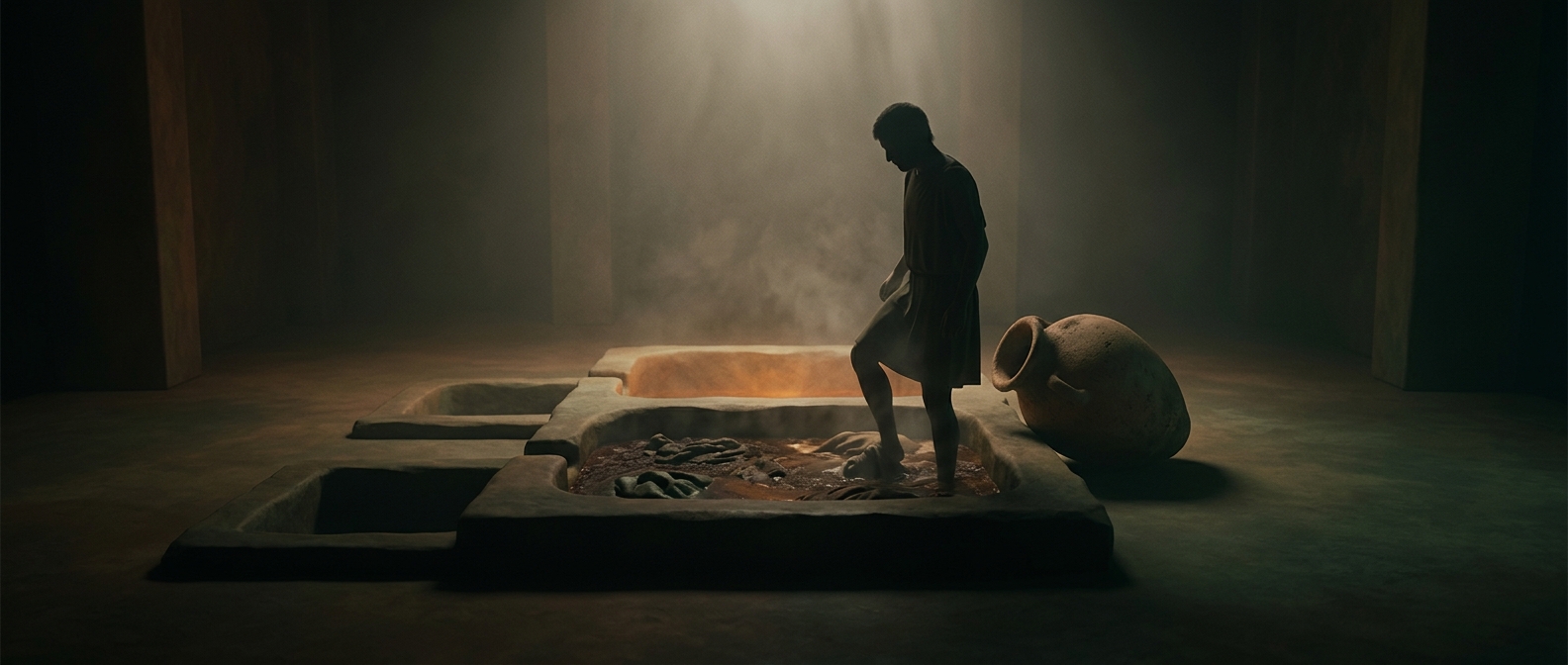
Old laundry methods used the chemistry of stale urine
As urine stands, microbes can convert urea into ammonia, making it alkaline. That helps explain its historical use in cleaning and textile processing. The…
Discover more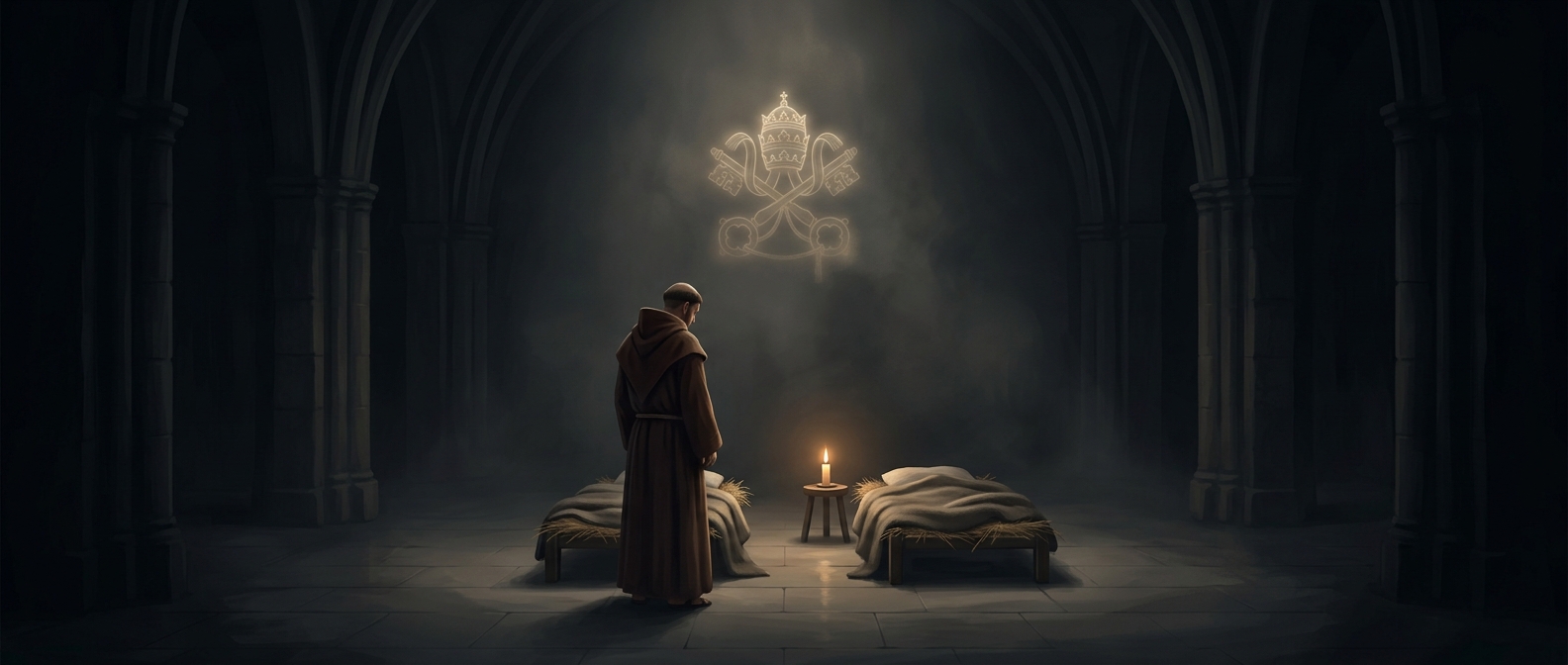
Benedictine monks were told to sleep dressed—but without knives
The Rule of Saint Benedict specified separate beds, a light burning until morning, and clothing ready for a quick rise to prayer. It also explicitly said not…
Discover more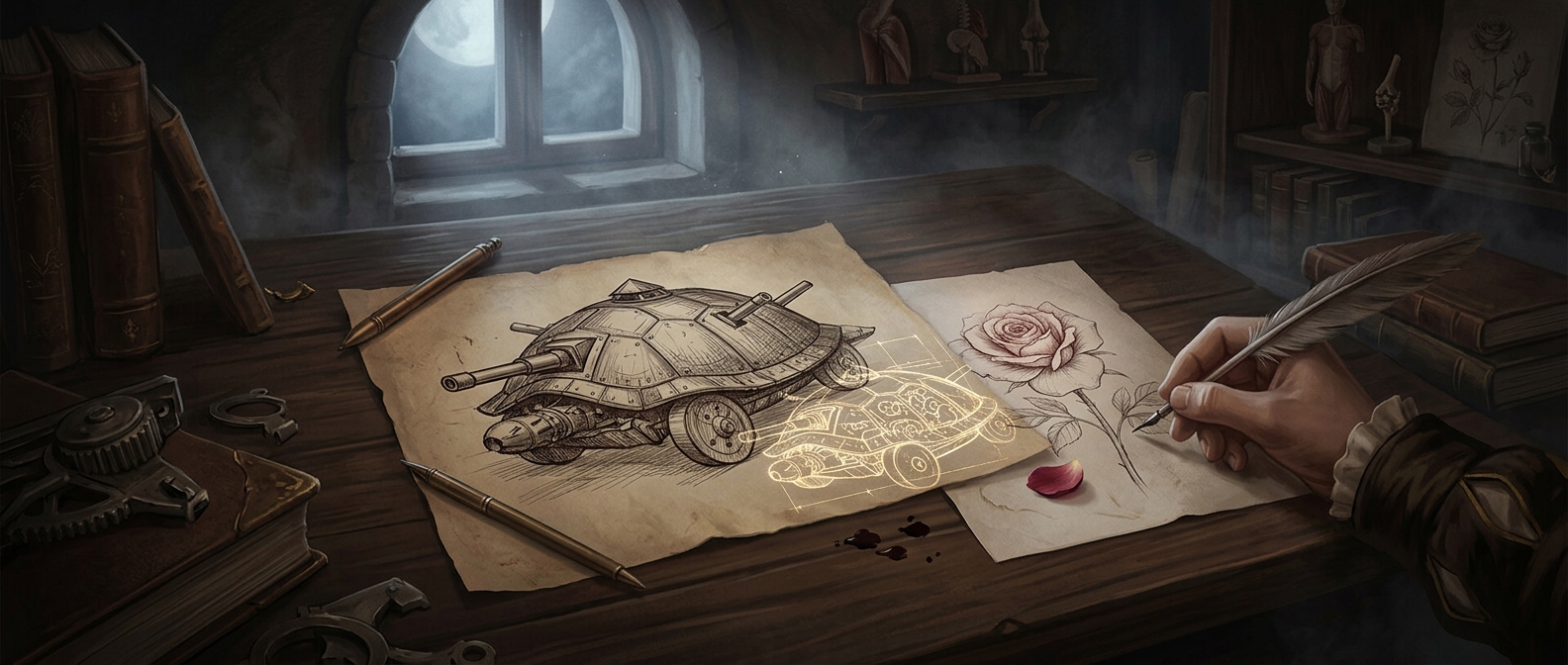
Leonardo da Vinci designed weapons too
His notebooks ranged well beyond painting: Leonardo sketched giant crossbows, armored tanks, and multi-barreled cannons. Renaissance ingenuity had a military…
Discover more