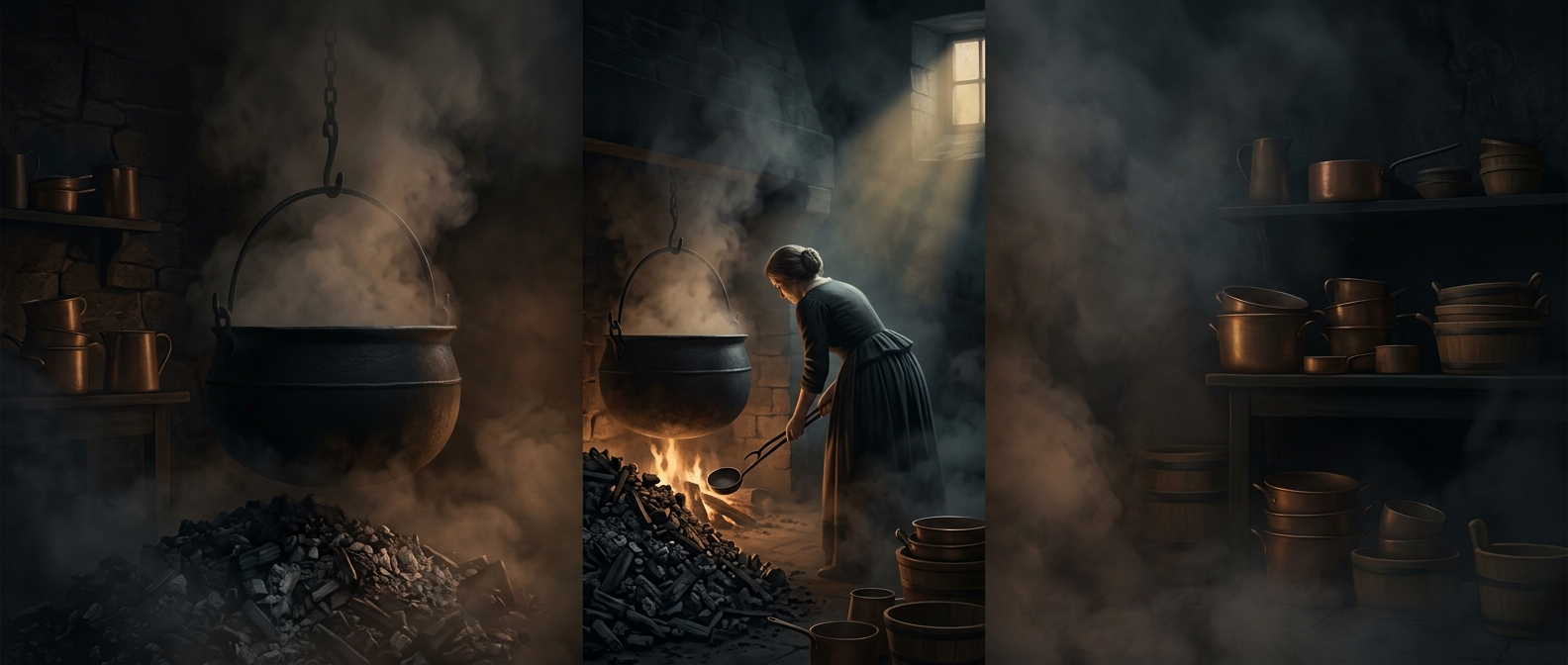
Cooking began at the hearth
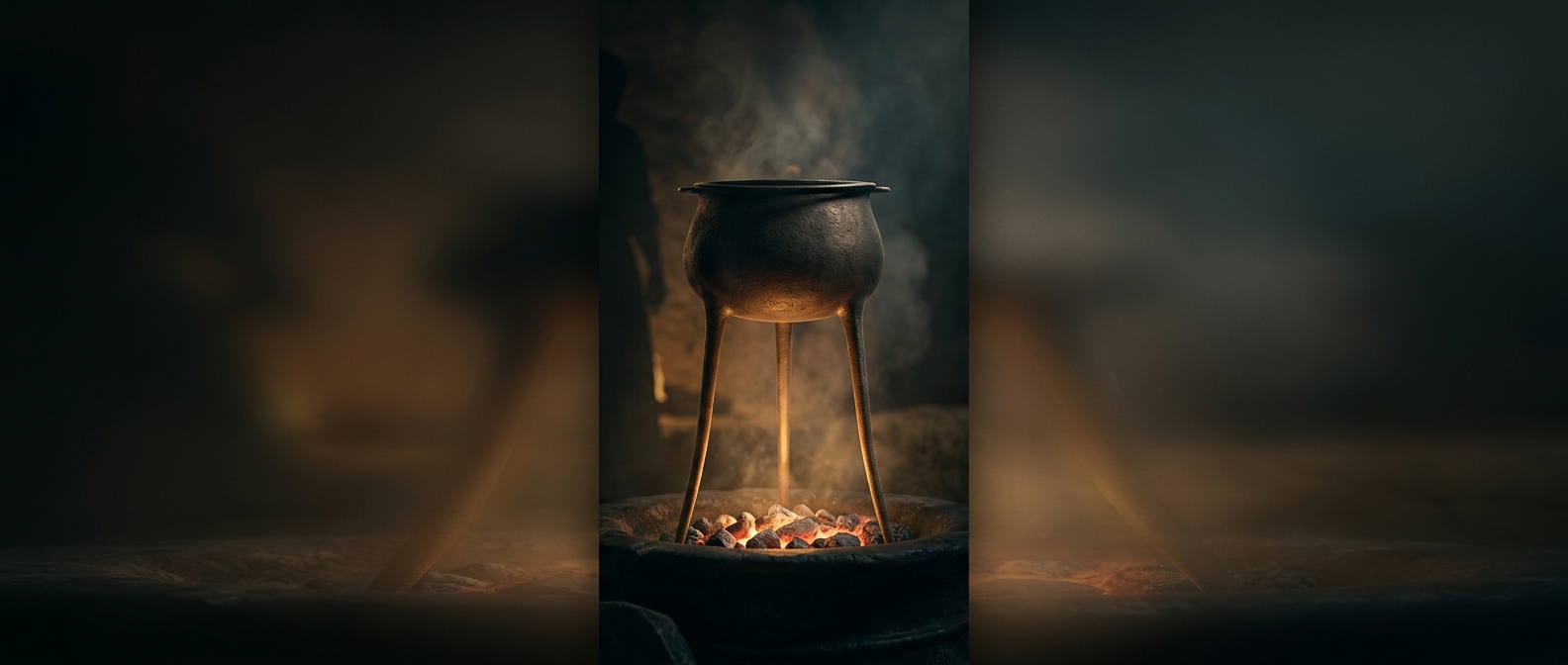
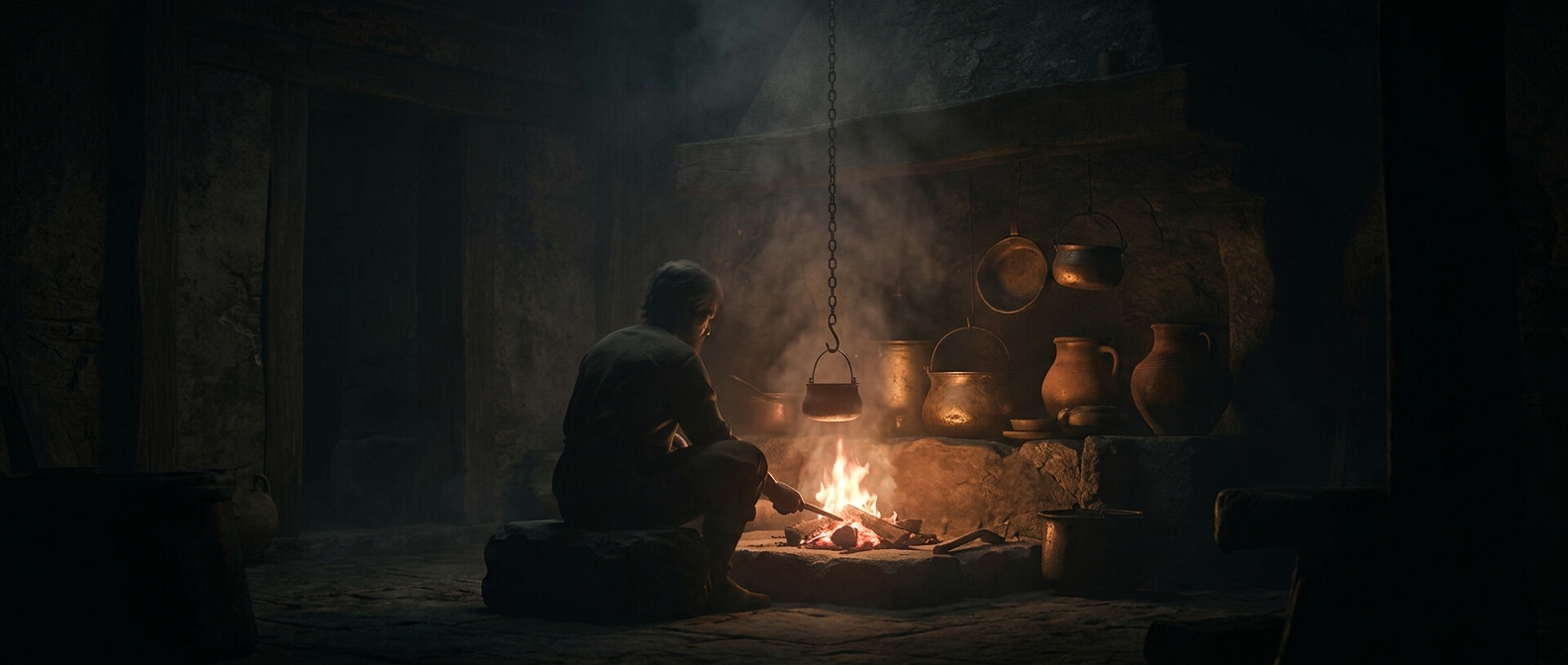
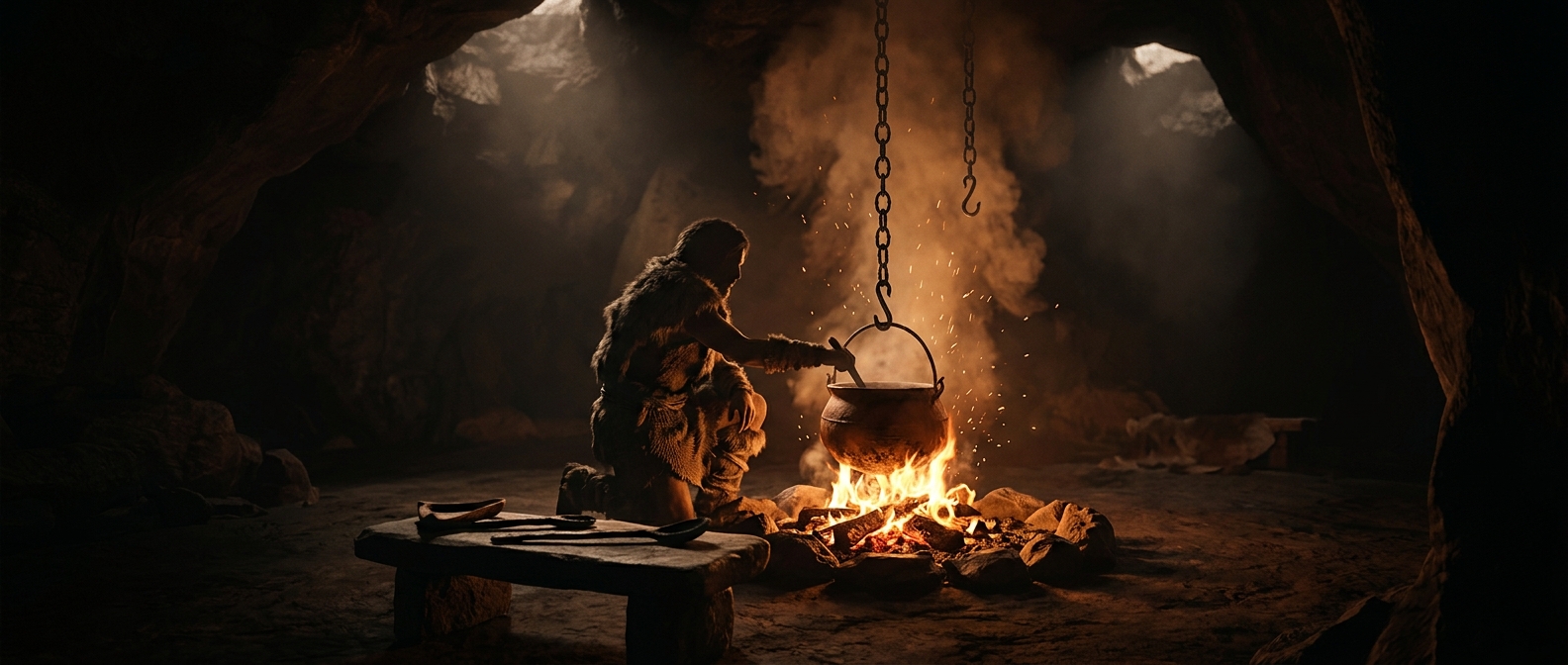
For most of human history, people cooked over fires that were open to the room or outdoors—not inside a purpose-built stove. A hearth could be as simple as a cleared patch where fuel was burned. Cooks placed food on hot embers, set pots on stones or supports, or suspended them above the flames. The fire itself was the heat source, so cooking required constant attention: someone had to feed it, move food away from flare-ups, and judge temperature by sight and experience.
Why an open fire was demanding
An open fire gave off heat in every direction, much of it escaping rather than warming a pot. Smoke could drift through the living space, and sparks or uneven flames made the cooking area harder to control. The arrangement also shaped daily routines: fuel had to be gathered and kept dry, and cooking often meant working close to the fire.
A stove changed that relationship by containing the fire or channeling its heat toward cookware. Enclosing the flames made it easier to manage heat and, in designs with a flue, direct smoke out of the room. But stoves did not replace hearths everywhere at once; their spread depended on materials, building styles, fuel, and local cooking habits.
A change in the work of cooking
The shift was more than a new appliance. It altered where cooking happened and how people managed fire indoors. With an open hearth, the cook had to adapt continually to a living flame. A stove made the heat source more bounded and predictable—turning fire from the center of the task into something a household could control more deliberately.