Why a Pot of Boiling Water Took So Much Work
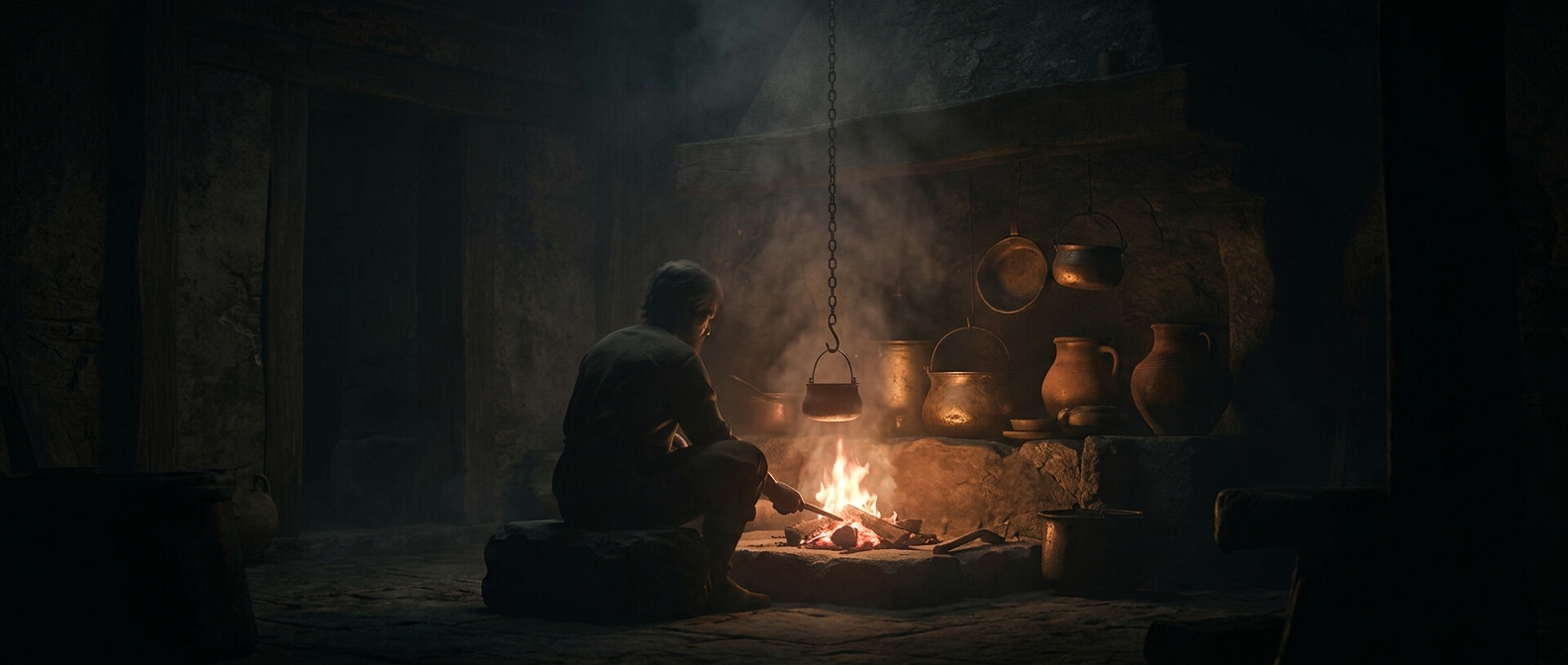
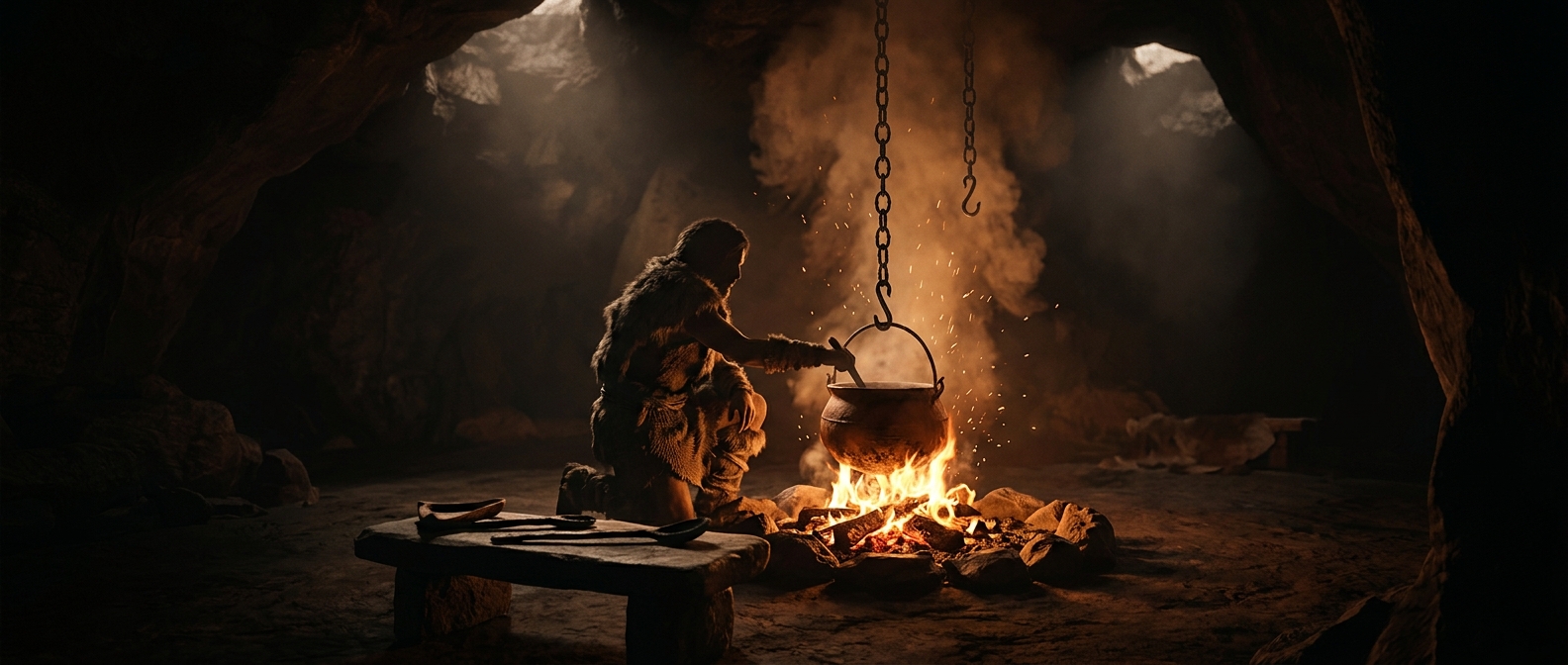
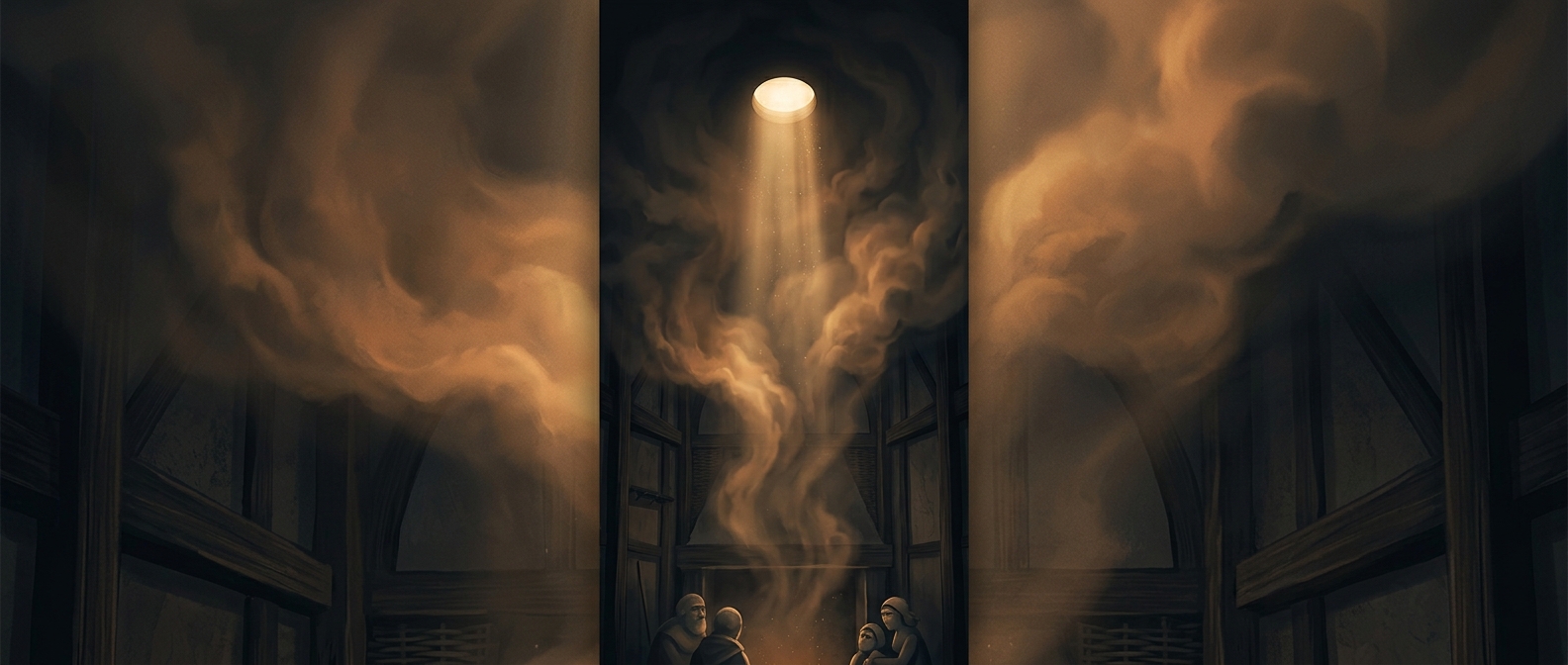
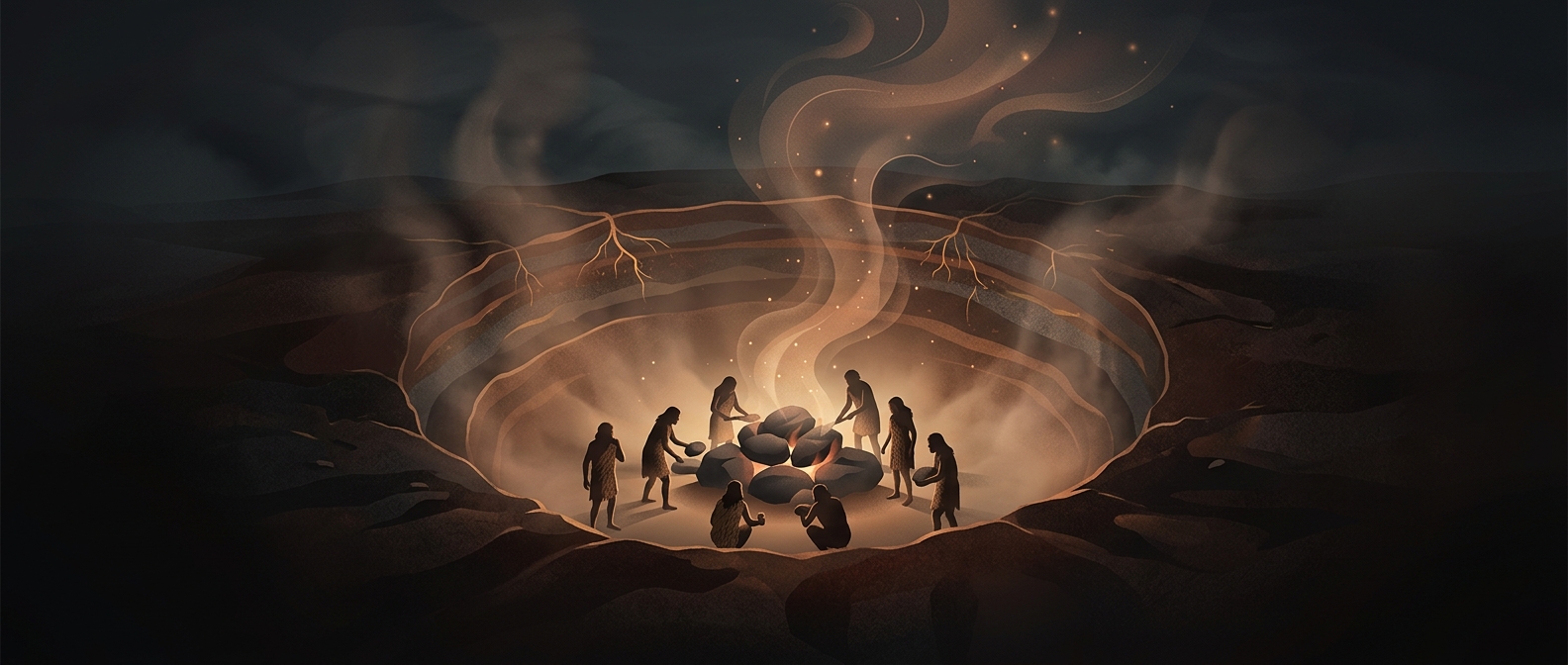
A fire had to be useful before it could heat a kettle. Someone needed to gather or prepare fuel, light the hearth, and coax it into a steady blaze. Depending on the stove or fireplace, getting a reliable cooking fire could take time—and the fire then needed watching so it did not die down or flare too hot.
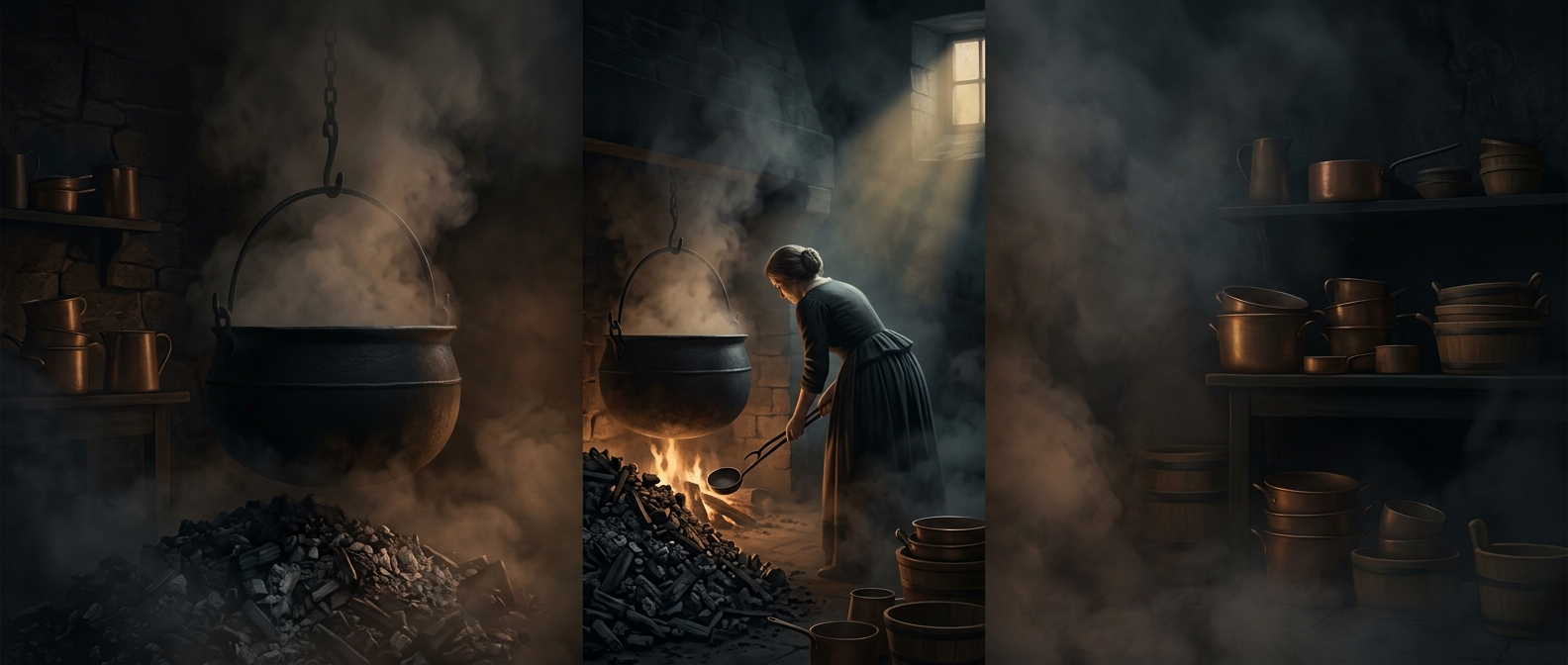
The water itself was only one part of the delay. It first had to be fetched, often in heavy containers, then carried to the hearth and heated in a substantial pot or kettle. A large vessel held more water but also took more energy to warm. Unlike an electric kettle, which delivers heat directly and switches off when the water boils, a wood or coal fire warmed the cookware gradually and demanded attention throughout.
A Small Convenience Could Require a Whole Routine
Tea or another hot drink therefore meant coordinating several chores, not simply pressing a button. The person tending the fire might need to adjust fuel, move the vessel, and keep an eye on the water while handling other household work. Fuel was also a resource to manage: burning it for a small amount of hot water competed with the fuel needed to cook meals and heat the home.
That effort shaped the ordinary use of hot water. People could heat more at once, reuse warmth where practical, or wait until a fire was already lit for cooking. The change brought by an electric kettle was not merely faster boiling; it separated a cup of hot water from the larger work of building and maintaining a fire.