History
Discover facts about history. Small discoveries that change the way you see familiar things.
History

Mayans threw raw jade into deep water pools
The Maya offered jade to Chaac, the rain god associated with cenotes, hoping to bring good harvests. Some offerings remained in the deep pools for centuries,…
Discover more
A king of Naples went to market to sell his own fish
Historical accounts describe Ferdinand IV of Naples selling his catch in the public market and haggling with buyers. He later ruled as Ferdinand I of the Two…
Discover more
An infection experiment helped a famous surgeon defend a wrong theory
John Hunter reported an inoculation experiment in which symptoms of gonorrhea and syphilis appeared in the same subject. He treated the result as evidence…
Discover more
British bankers helped finance America's deal with Napoleon
The Louisiana Purchase relied on financing arranged through Barings in London and Hopes in Amsterdam. U.S. bonds helped turn France's claim on future payments…
Discover more
Mohist philosophers advocated for impartial care
Mozi’s idea, called “jian ai,” urged people to care for everyone impartially, not just their own family or group.
Discover more
Benin's earthworks reshaped a whole landscape
In what is now Nigeria, interconnected banks and ditches marked and defended settlements across the Benin region. Their scale comes from a network of works…
Discover more STACKY FOR IPHONE
A bigger world.
One discovery
at a time.
Keep discovering with Stacky. Interesting facts in an app that is always within reach.

Mary's white wedding dress crossed a royal mourning code
Mary, Queen of Scots, wore white when she married the French dauphin in 1558. In France, white was traditionally associated with royal mourning. A color that…
Discover more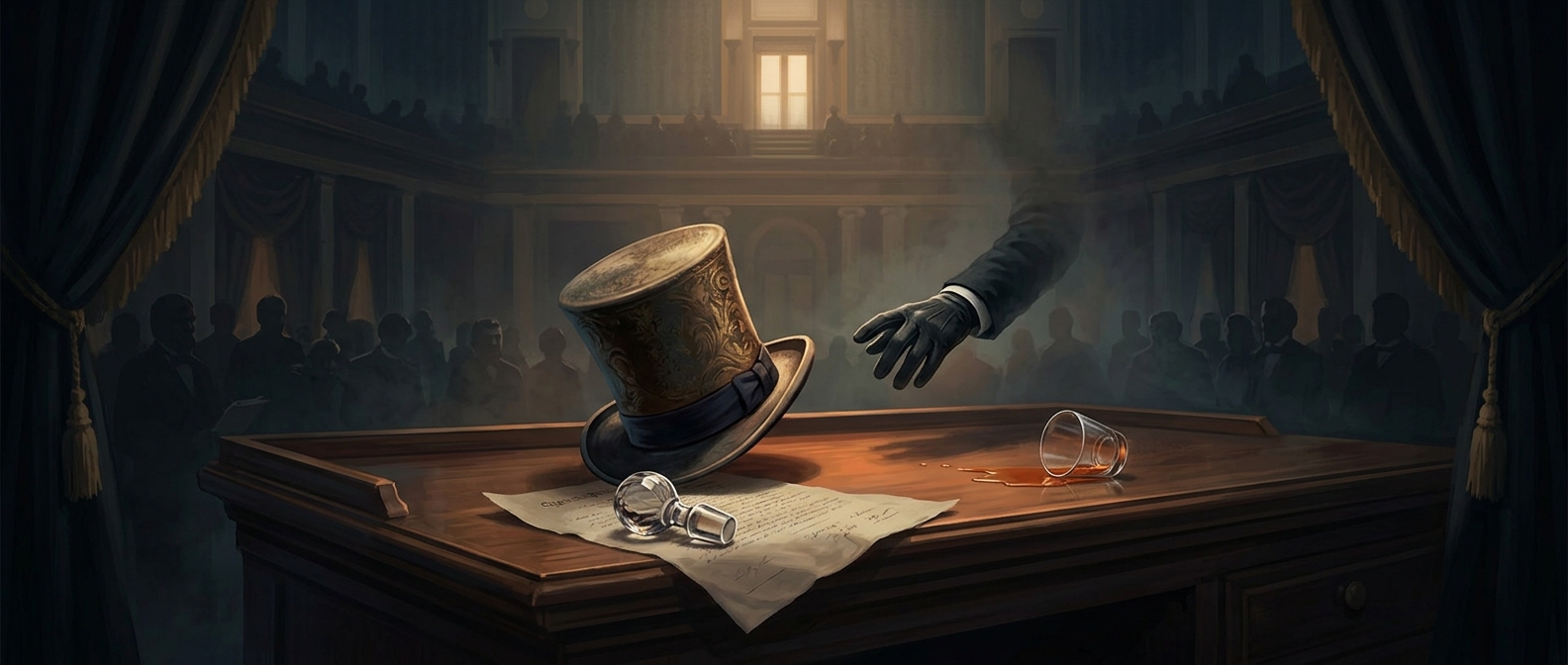
Andrew Johnson's inauguration speech was clouded by whiskey
At his 1865 vice-presidential inauguration, Johnson delivered a rambling speech after drinking whiskey while unwell. The occasion was supposed to project…
Discover more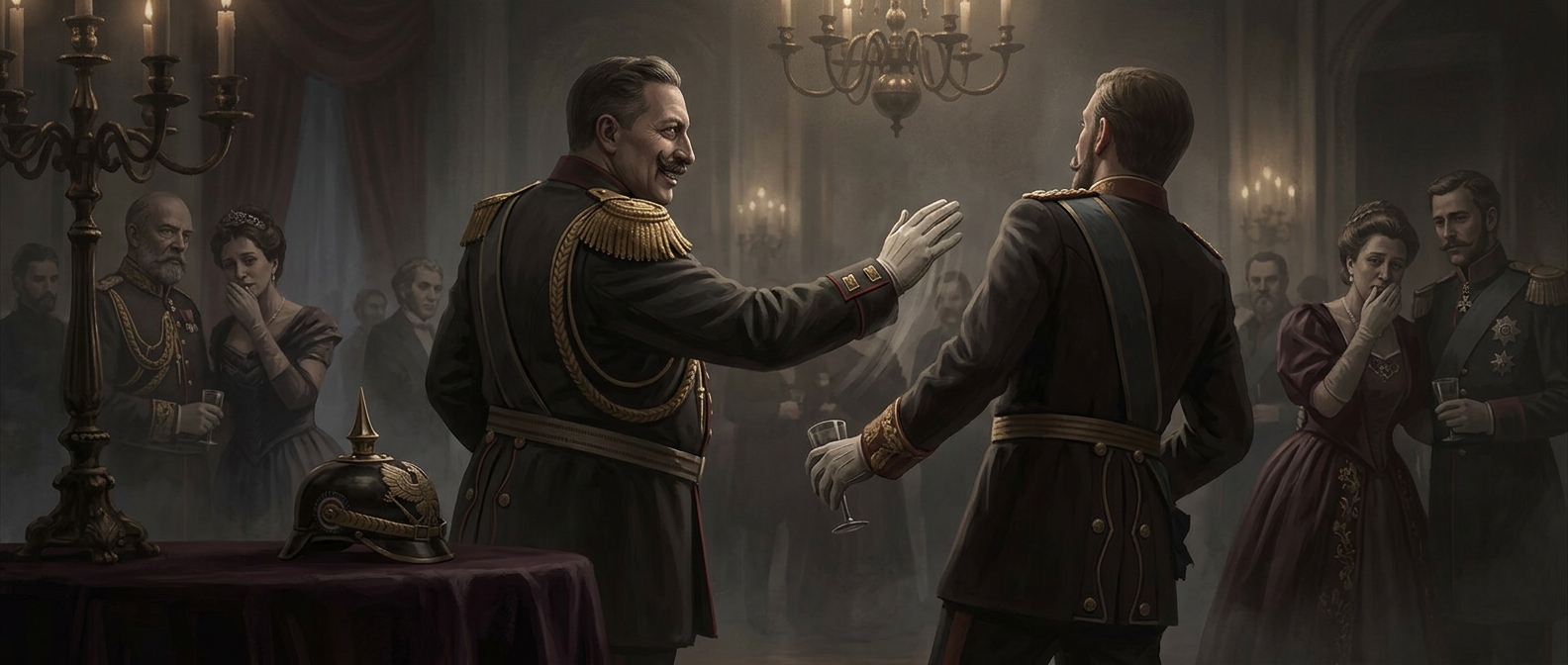
The emperor who slapped European royals
Wilhelm II was known for slapping his royal cousins on the backside. On one yacht trip, he reportedly slapped Bulgaria’s monarch so hard that the king packed…
Discover more
Newton put a needle behind his own eye
Newton wanted to learn how the eye perceived light, so he pressed a blunt needle between his eye and the surrounding bone until colored rings appeared. He…
Discover more
Early fiber optic cables were made of spun glass
Nineteenth-century physicists showed that light could follow a curved stream of water or glass instead of traveling only in a straight line. That…
Discover more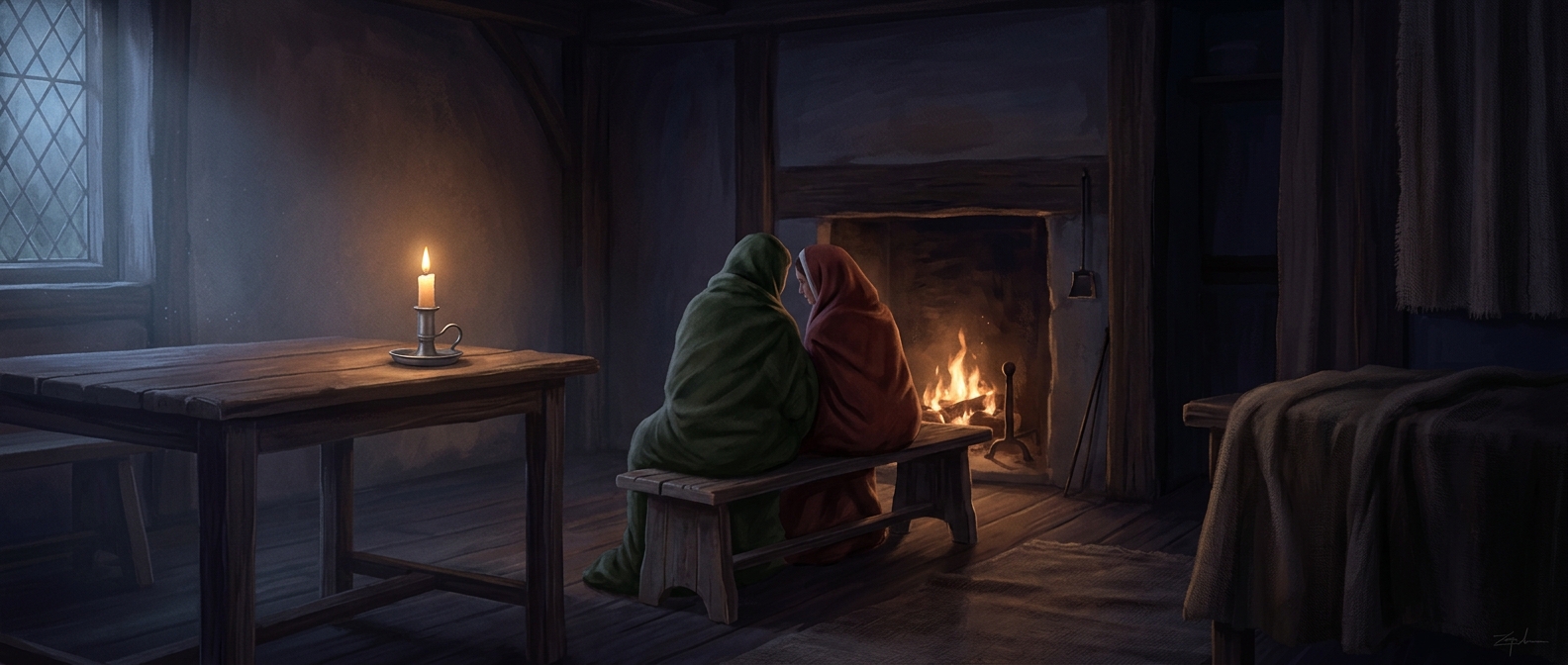
How Puritan couples dated in sleeping bags
In some communities, Puritan couples sharing a bed were separated by a wooden board or wrapped in restrictive coverings to discourage premarital sex. They…
Discover more
Boston once banned Christmas celebrations
Puritan leaders objected to Christmas drinking, feasting and other festivities. Massachusetts made celebrating a five-shilling offense from 1659 to 1681—a…
Discover more
Romans roasted dormice with honey
Romans bred dormice in terracotta jars, fattened them on walnuts and acorns, then served them roasted with honey and poppy seeds at elite banquets.
Discover more
Why court musicians went deaf
Years of playing beside loud brass in small, unpadded stone chambers could leave court musicians deaf.
Discover more
A cosmonaut left the USSR and returned after it disappeared
Sergei Krikalev launched to Mir in May 1991 and remained in orbit through the Soviet Union’s collapse. His extended mission ended in March 1992, after roughly…
Discover more
Manhattan's famous sale may have been a misunderstanding
Dutch colonists valued the trade goods at about 60 guilders, but that price didn’t mean both sides understood the deal the same way. Local people may have…
Discover more
Canadian researchers extracted insulin to save diabetics
Before insulin, diabetes was often managed with near-starvation diets. In the 1920s, Canadian researchers extracted the hormone from animal pancreases, giving…
Discover more
The warships with roofs covered in iron spikes
Korean turtle ships had enclosed wooden roofs studded with iron spikes, making it dangerous for enemy sailors to board while crews fired cannons from inside.
Discover more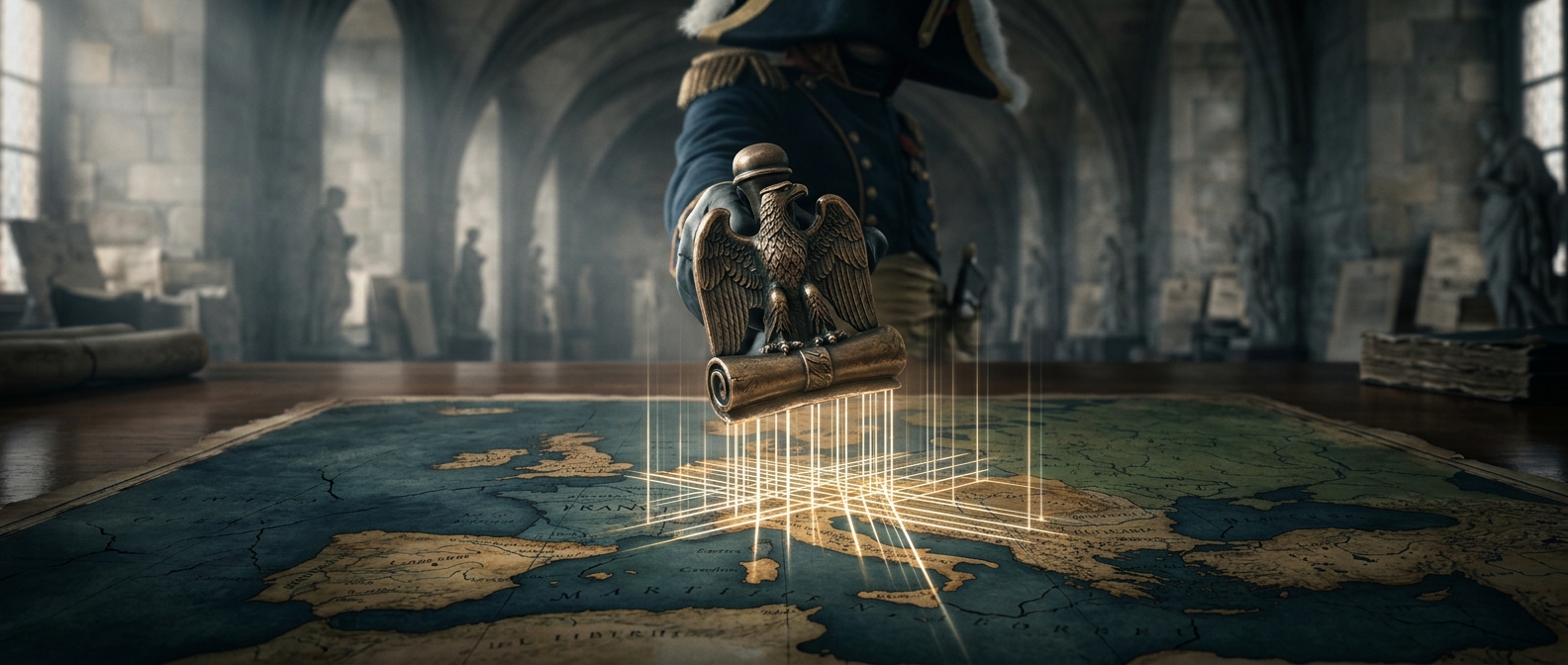
How French armies spread one legal code across Europe
As French armies conquered territory, they imposed standardized civil codes in place of local feudal laws, often by force. The invasion ended; the legal rules…
Discover more
People used to cover filthy floors with fresh grass
Instead of removing rotting scraps and dog droppings, people spread fresh dried grass over them. The floor got a new layer, not a cleaning.
Discover more
A revolving door acts like an airlock you can walk through
Theophilus Van Kannel's design reduced drafts by keeping a barrier between the street and the lobby as people passed. That was especially useful in tall…
Discover more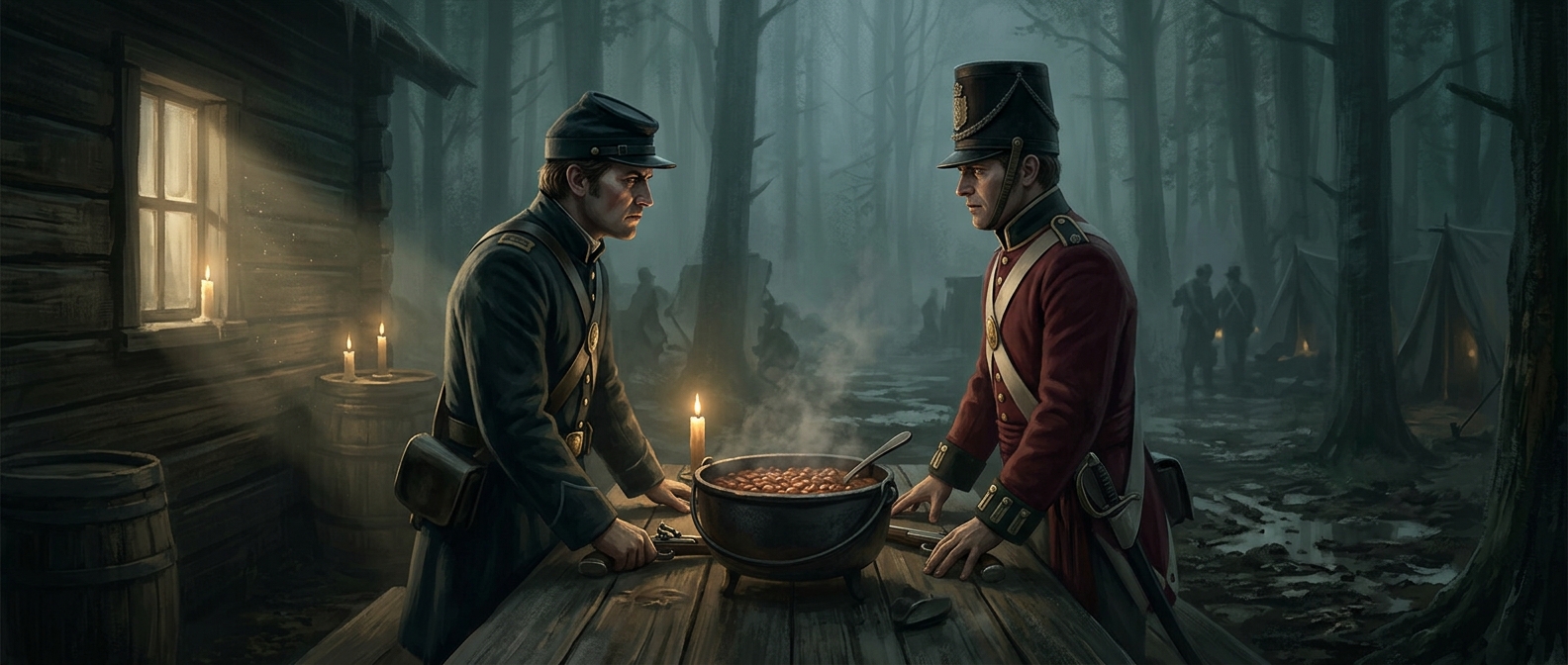
The border war fueled by pork and beans
American troops’ pork-and-beans rations gave the Aroostook War its nickname, though the border standoff never turned into combat. The food made it into the…
Discover more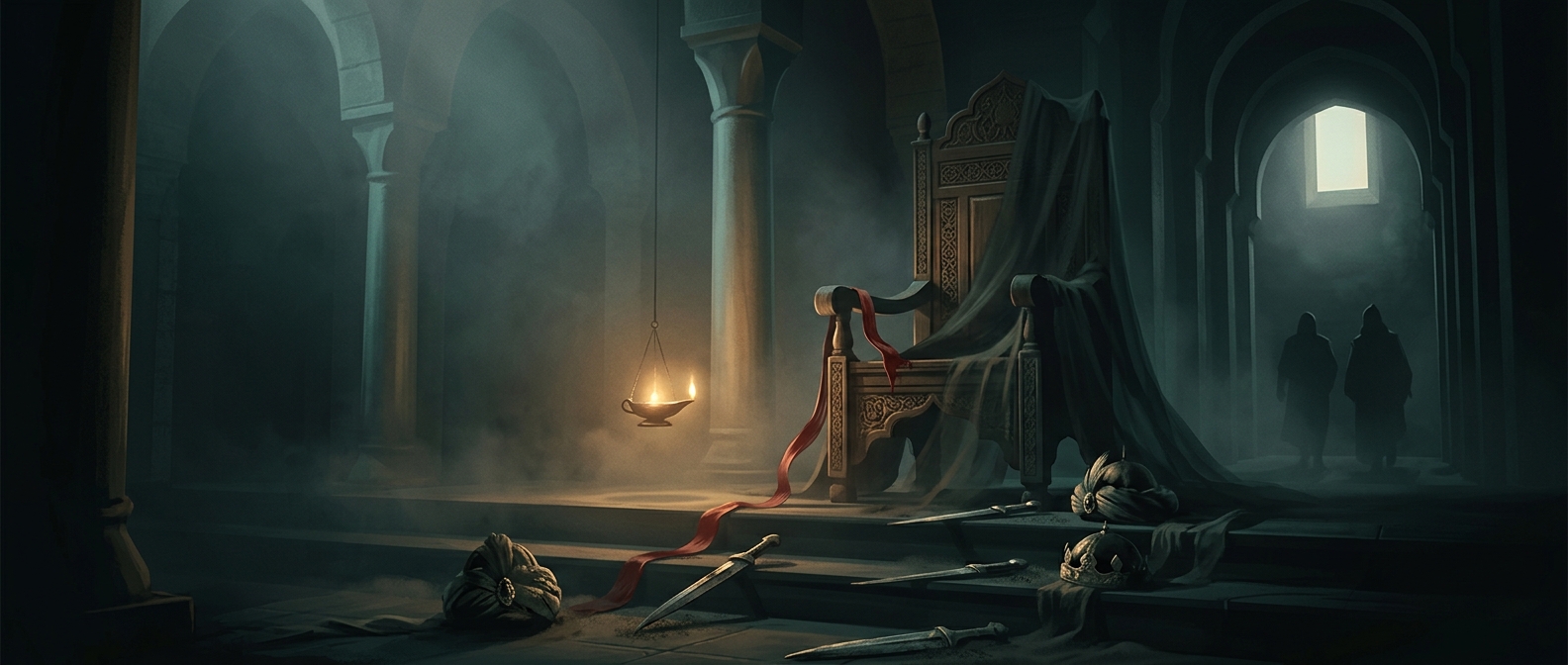
The sultanate where rulers were often assassinated
The sultan depended on elite soldiers to hold power, but the men with the weapons could also remove him. If he seemed weak—or fell behind on gold payments—his…
Discover more