A mission stretched by events on Earth
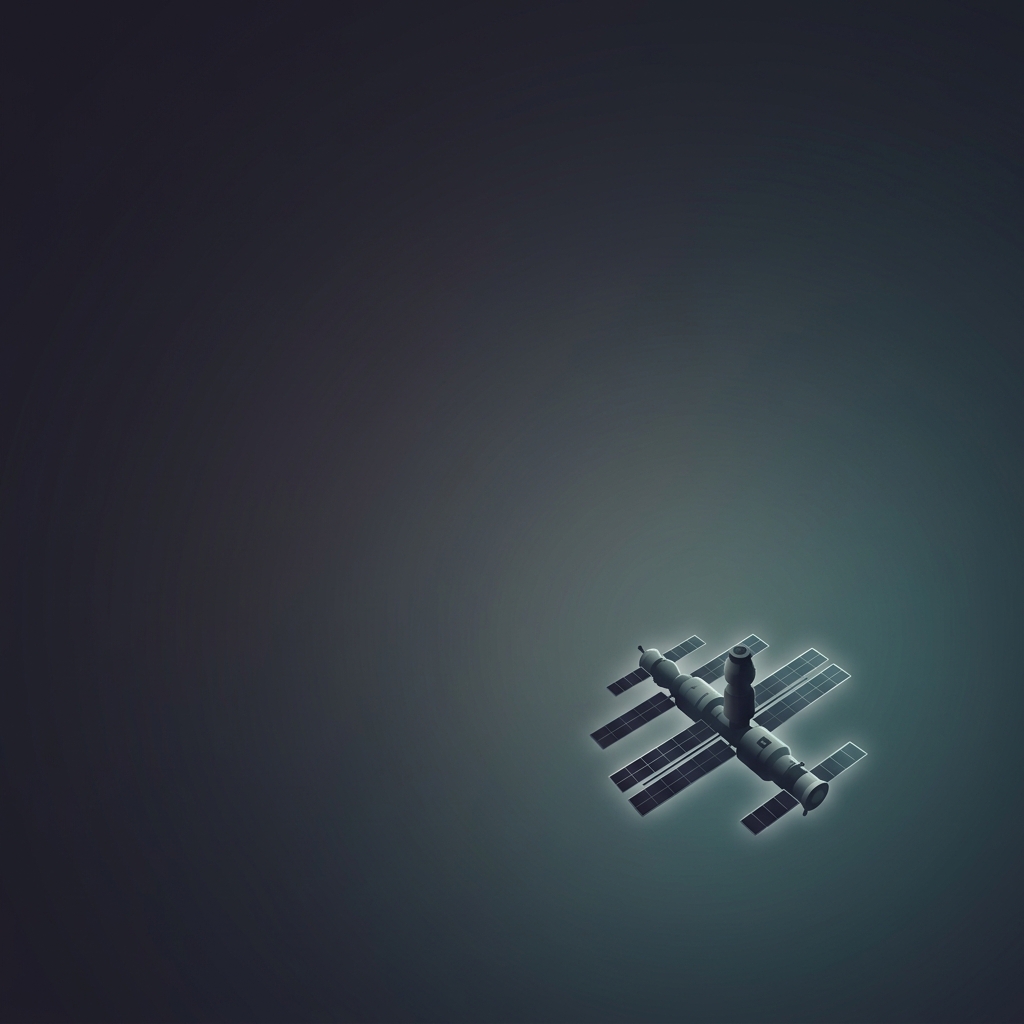
Sergei Krikalev’s flight was planned as a rotation on Mir, the Soviet Union’s permanently crewed space station. Such rotations depended on a chain of Earthbound arrangements: a replacement crew had to be prepared and launched, while mission control coordinated spacecraft, supplies, and the station’s operations. In 1991, that chain was disrupted by the upheaval and economic strain surrounding the Soviet Union’s breakup. Krikalev’s stay lasted far longer than expected.
This was not a change in Mir’s orbit or a sudden failure of the station. The spacecraft continued along its predictable path. The difficulty was that keeping people there—and bringing them home on schedule—required a functioning program and decisions made by people and institutions on the ground.
The border changed beneath the station
The Soviet Union dissolved while Krikalev was circling Earth. Its space program did not vanish overnight, but responsibility for operating it shifted into a new political reality, with Russia taking over the Soviet space program. Budgets, agencies, and national borders were being reorganized even as mission control had to keep doing the practical work of sustaining a crew in orbit.
Mir made that contrast unusually vivid. From space, national borders are not visible features of the landscape; from the ground, they determine who runs a space program, pays for launches, and arranges a crew’s return. Krikalev’s extended mission became a human-scale example of how a political collapse could reach into a place that seemed far removed from politics.
Coming home to a changed map
When Krikalev returned in March 1992, his landing brought him back to Earth—but not to the country that had sent him up. The Soviet Union was gone, and the former Soviet republics were now independent states. The lasting image is not simply of a cosmonaut who spent months in orbit: it is of a routine journey home crossing a political boundary that had ceased to exist while he was away.