History
Discover facts about history. Small discoveries that change the way you see familiar things.
History

Frankish state simply dissolved due to strict inheritance laws
Frankish rulers treated a kingdom as an inheritance to divide among their sons, not a state to pass on intact. Each royal death could split the realm into…
Discover more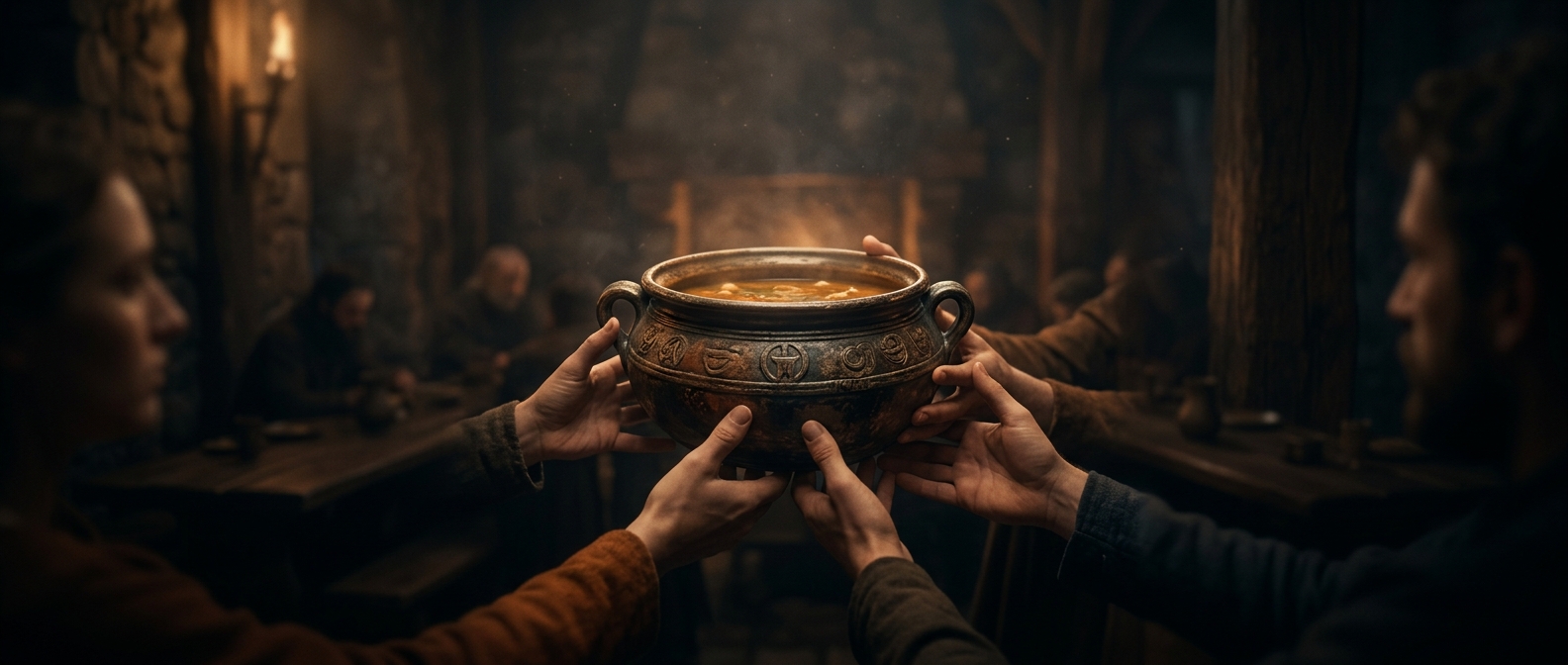
When everyone shared one giant bowl of soup
Diners passed one bowl around, each taking a slurp before handing it on. The soup did double duty as dinner and a communal germ shuttle.
Discover moreWhy chimney sweeps used tiny children
Adults could not fit through many narrow chimneys, so sweep masters sent children up to scrape away soot. Some lit fires below to force hesitant children…
Discover more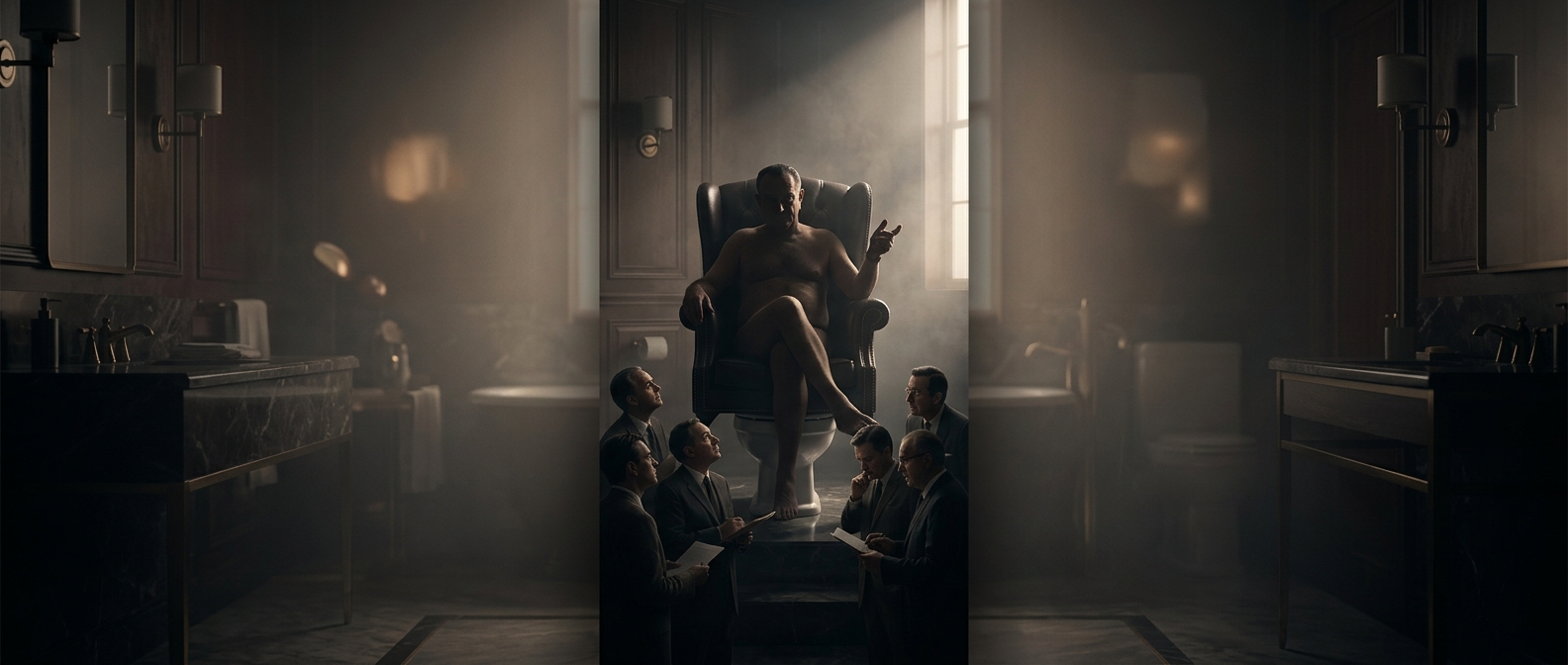
LBJ held political meetings from the toilet
Johnson sometimes brought aides, cabinet members, and reporters into the bathroom, keeping business moving on his terms and stripping meetings of their usual…
Discover more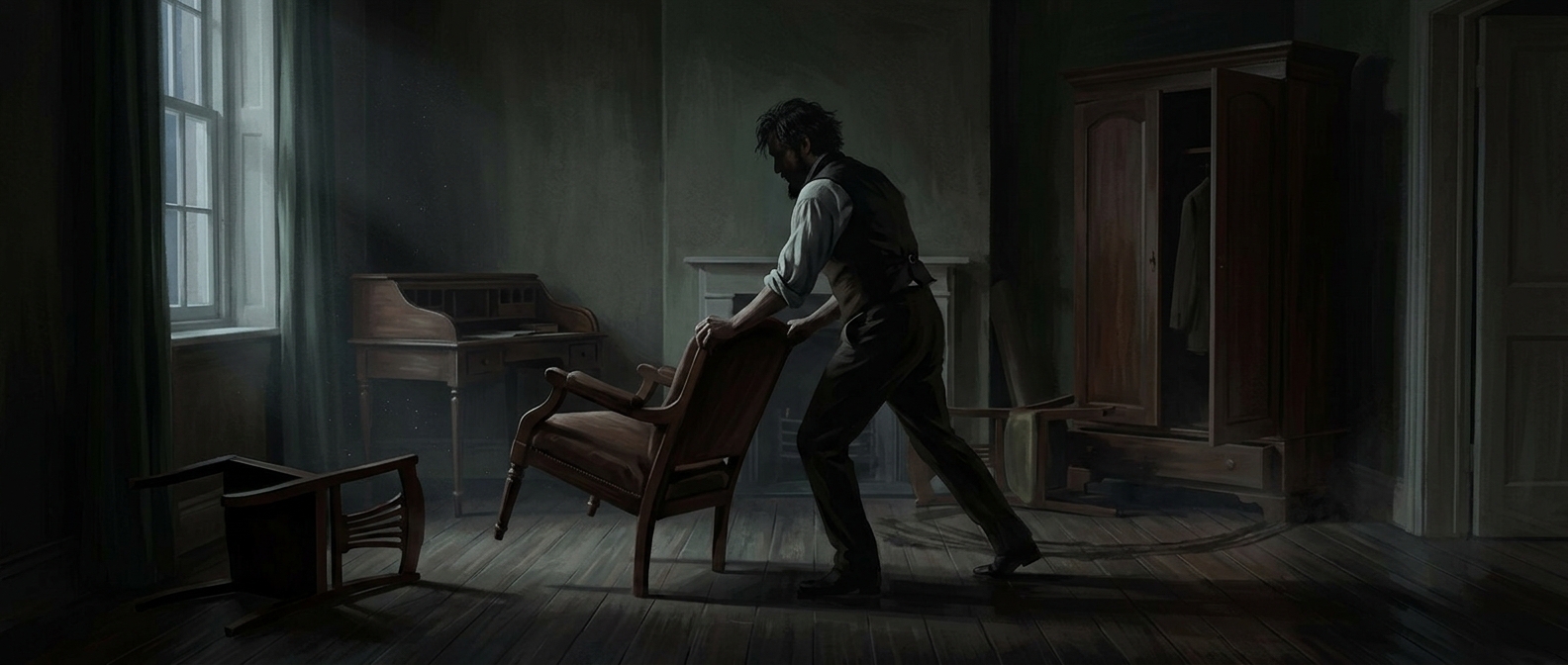
Dickens got lost on a mountain—and his compass broke too
In an 1857 letter, he described climbing in torrential rain with a guide who hadn't visited the summit for 20 years. Mist closed in, and Dickens's compass…
Discover more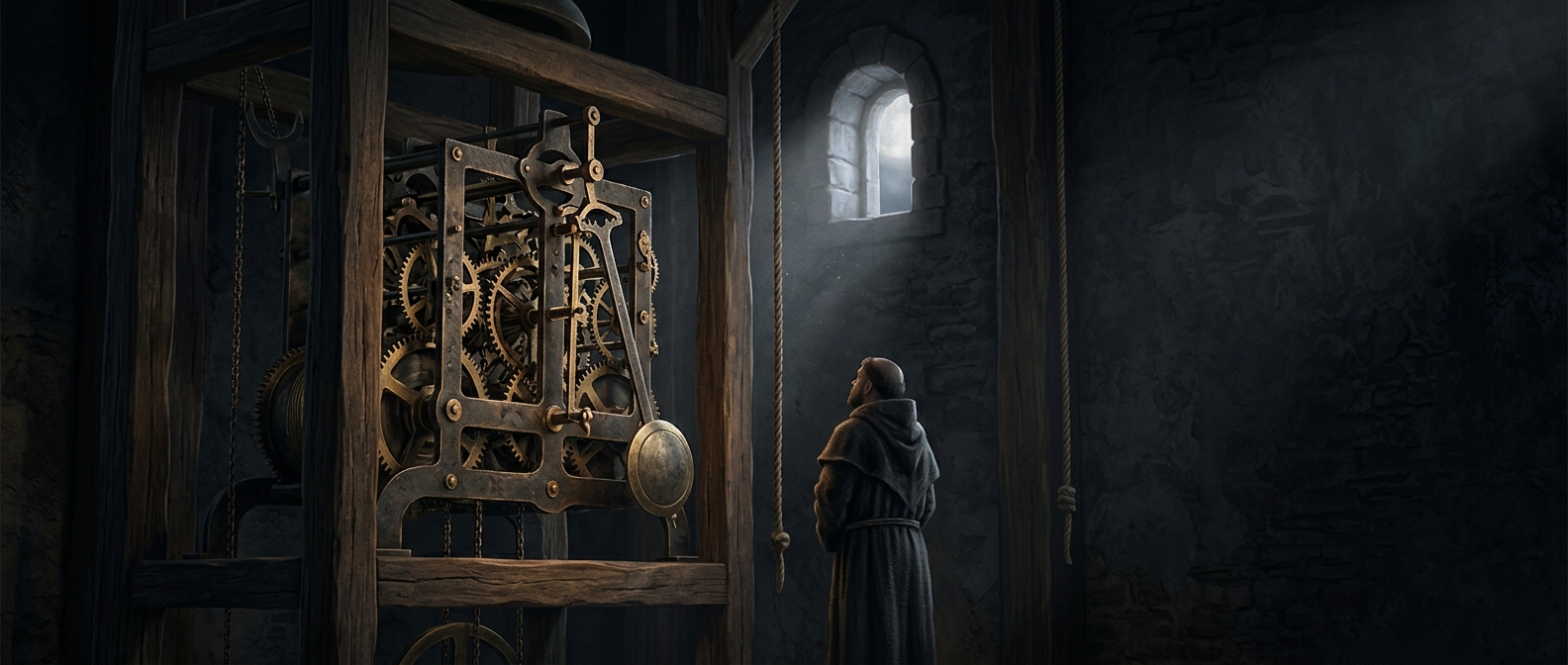
A working medieval clock has no face to read
Salisbury Cathedral's clock, dated to 1386 or earlier, was built to strike the hours rather than display them on a dial. Its mechanism told a community the…
Discover more STACKY FOR IPHONE
A bigger world.
One discovery
at a time.
Keep discovering with Stacky. Interesting facts in an app that is always within reach.
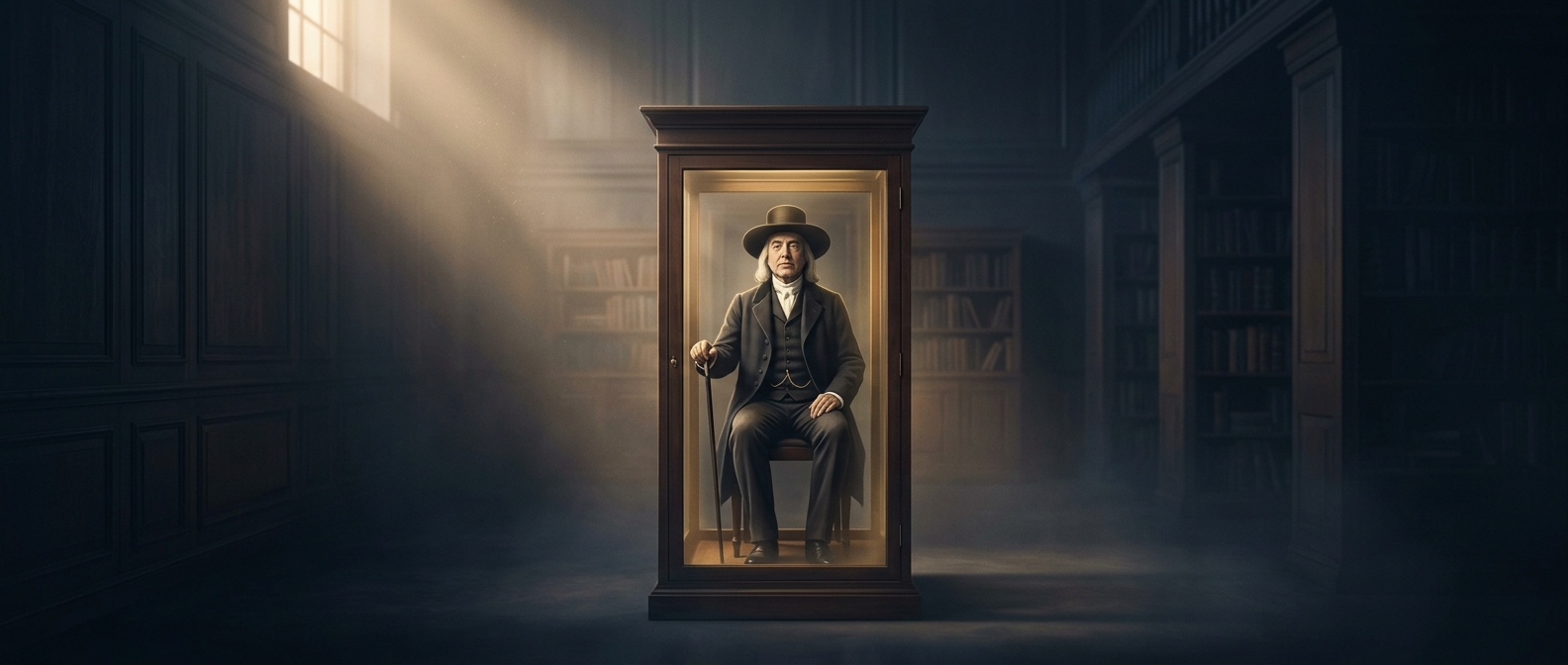
Jeremy Bentham's display contains a real skeleton and a wax head
At UCL, the philosopher's preserved skeleton is dressed in his clothes and topped with a wax replacement head. Bentham requested this 'auto-icon' before his…
Discover more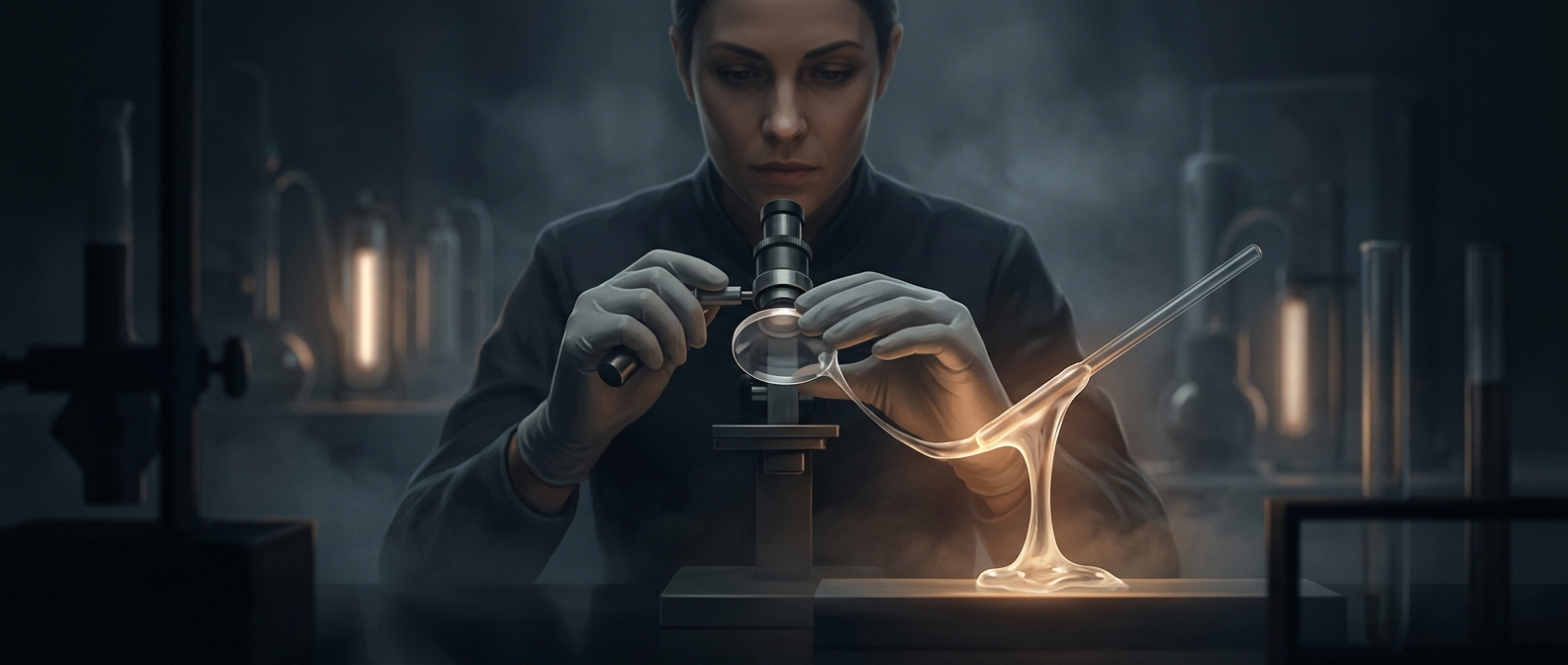
Superglue began as a failed lens material
The formula was a disaster for optical sights because it stuck to everything. Researchers later turned that unwanted grip into the product—and marketed it as…
Discover more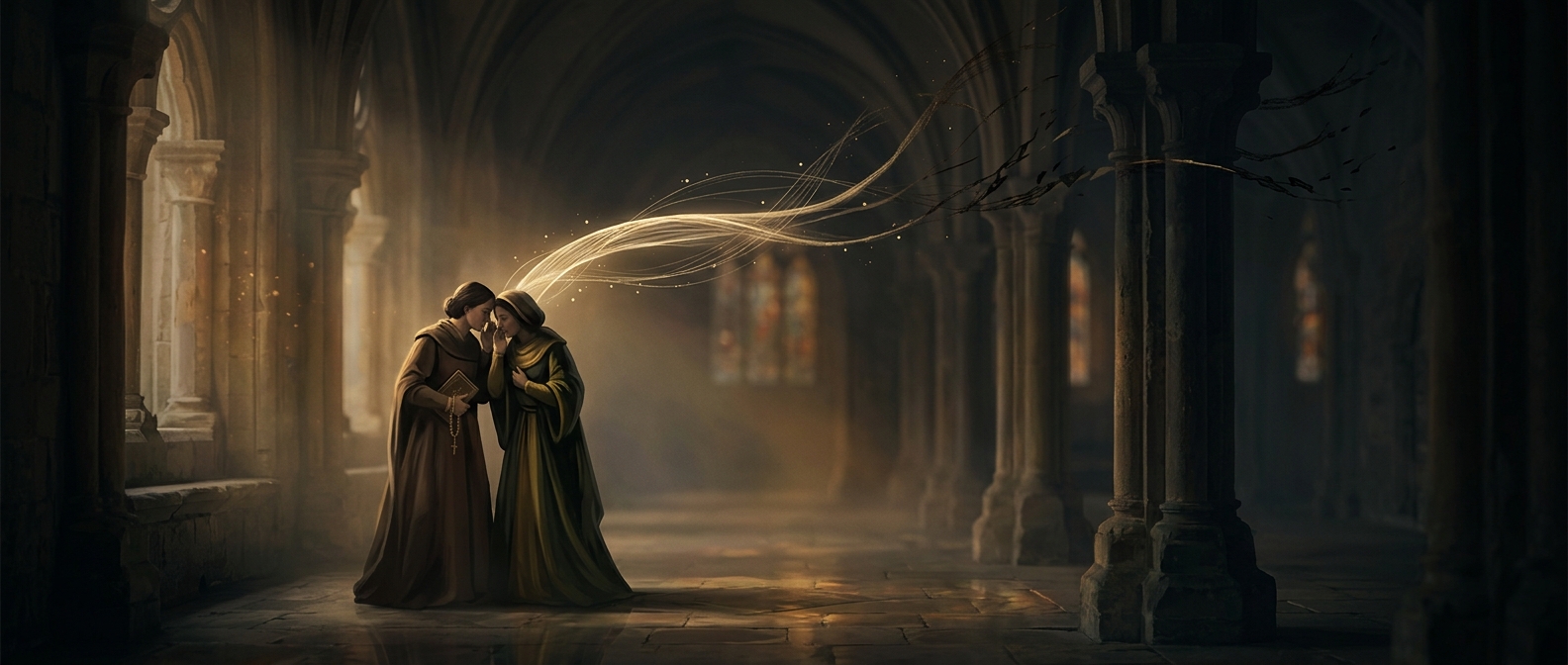
Gossip once meant a trusted godparent
In Old English, godsibb meant a godparent or close spiritual relation. The word later shifted from family ties to close friends, then to idle talk and,…
Discover more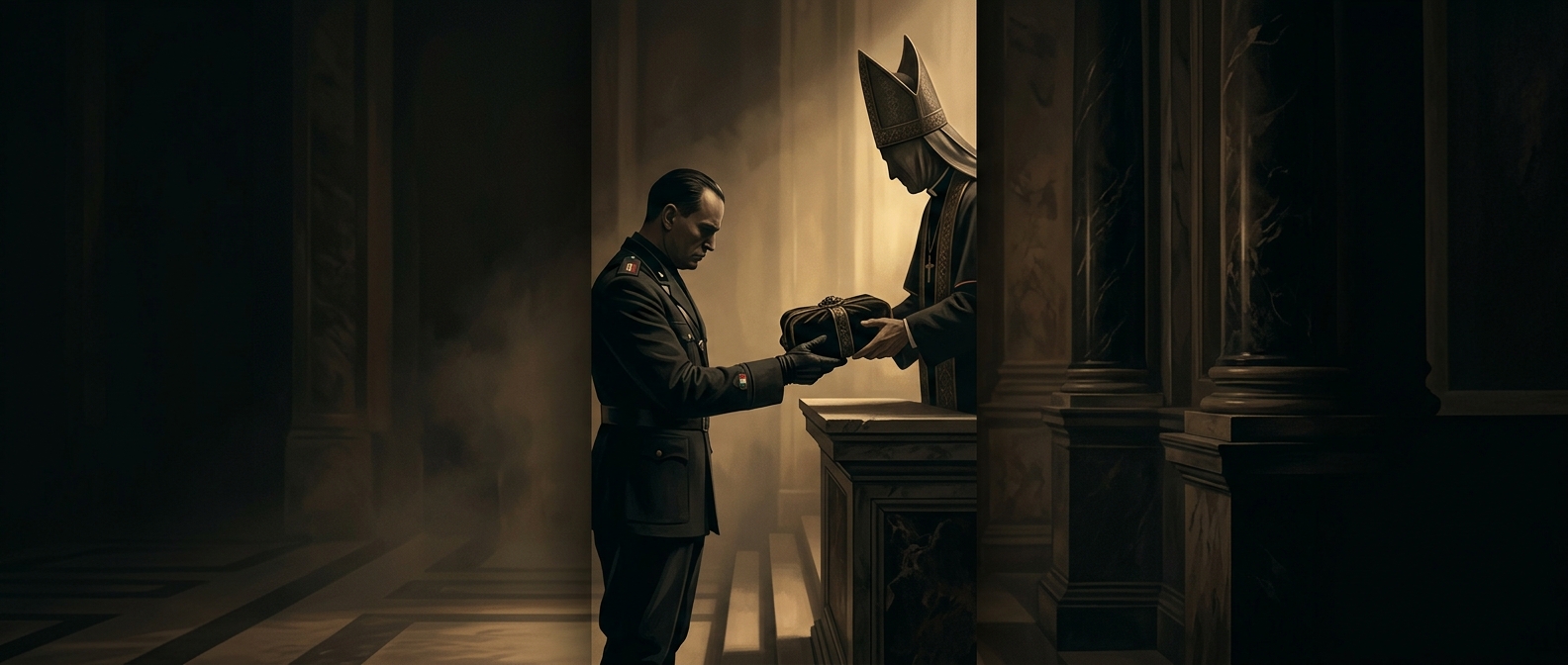
Vatican City exists because of a deal with Mussolini
The 1929 Lateran Treaty ended the dispute that had followed Italy's seizure of Rome in 1870. Italy recognized Vatican sovereignty; the Holy See recognized the…
Discover more
Breadfruit was historically domesticated in New Guinea
Roasted breadfruit has a starchy, potato-like texture, making it a filling staple that grows on trees. The useful part was hard to miss: the food came with…
Discover more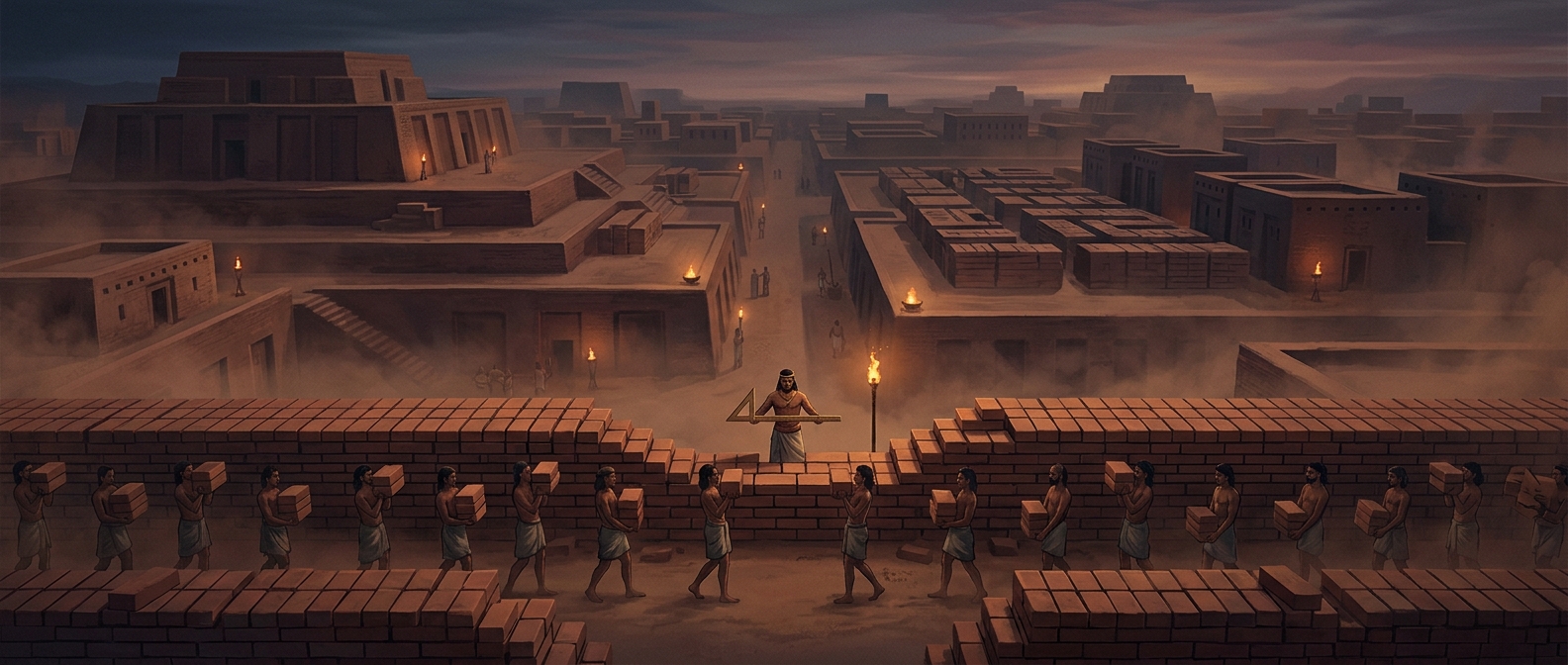
Indus Valley architects rigidly standardized exact brick sizes
Standard brick proportions let builders repeat the same modules across city grids, making construction more consistent. A shared brick size was urban planning…
Discover more
A 17th-century writer thought migrating birds flew to the Moon
Charles Morton proposed a lunar destination for birds that disappeared in winter. Before migration routes could be tracked, their seasonal absence invited…
Discover more
Cinnamon bark was originally scraped in Sri Lanka
In Sri Lanka, cultivators harvest the inner bark of an evergreen tree; as it dries, it curls into the familiar brittle quills.
Discover more
First official copyright law was enacted in 1710
The Statute of Anne gave authors an exclusive right to publish their work for 14 years, shifting control away from publishers who had been able to reprint…
Discover moreGreat Wall sections were built with tamped earth
Builders packed earth into wooden frames, layer by layer, until it hardened into a durable barrier. Some stretches were compacted soil, not the stonework most…
Discover more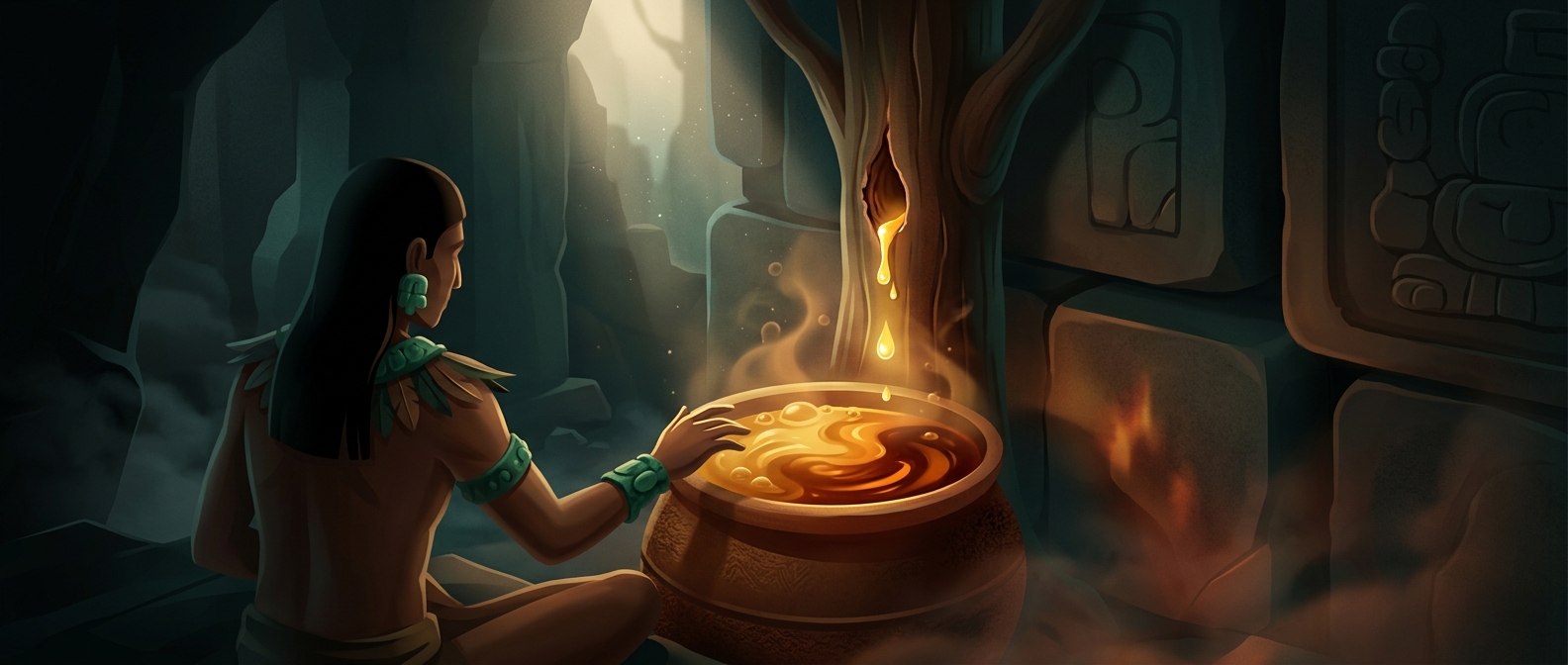
The Maya made an intoxicating drink from tree bark
Balché began with legume-tree bark soaked in water and honey; fermentation made it mildly intoxicating. At Maya festivals, it was more than a drink—it was…
Discover more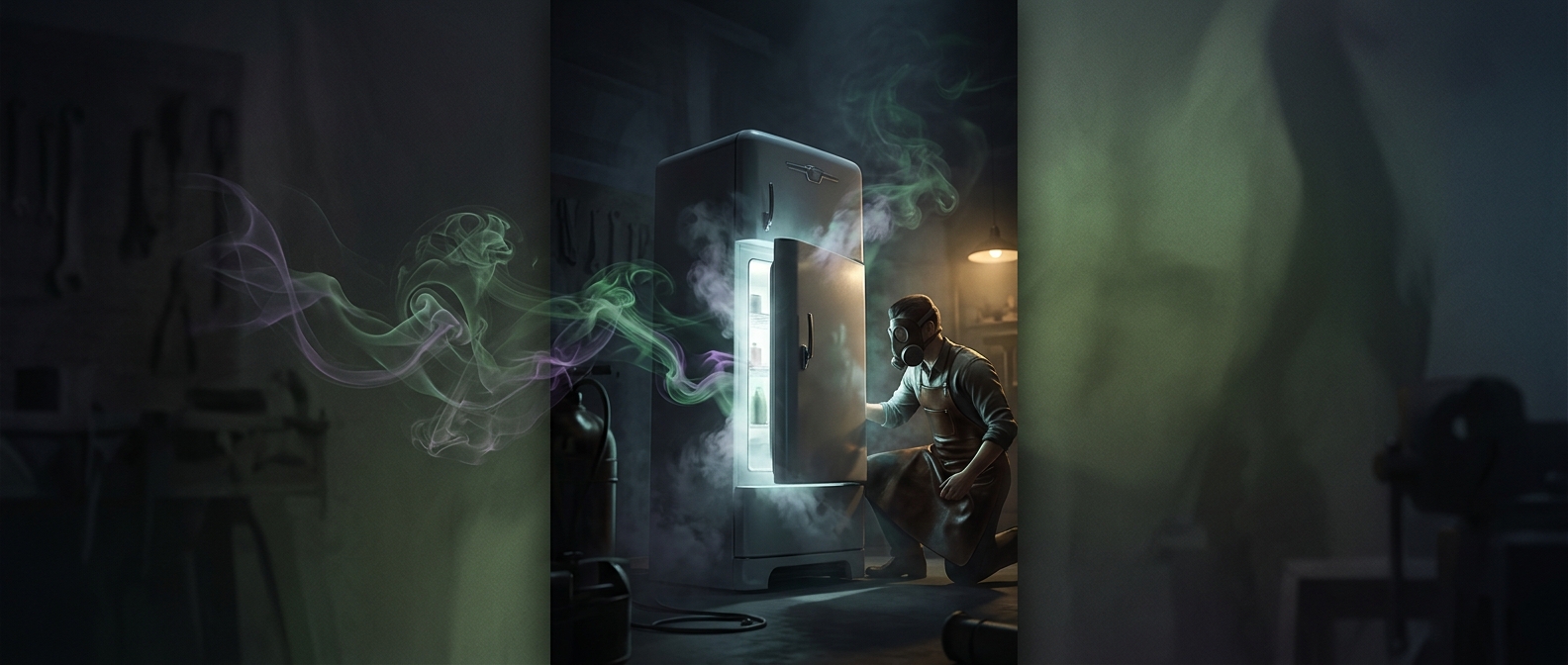
Earliest refrigerators used highly toxic cooling gases
Mechanical refrigeration brought a dangerous tradeoff: early machines used toxic gases such as ammonia and sulfur dioxide, so a leak could turn cooling into a…
Discover more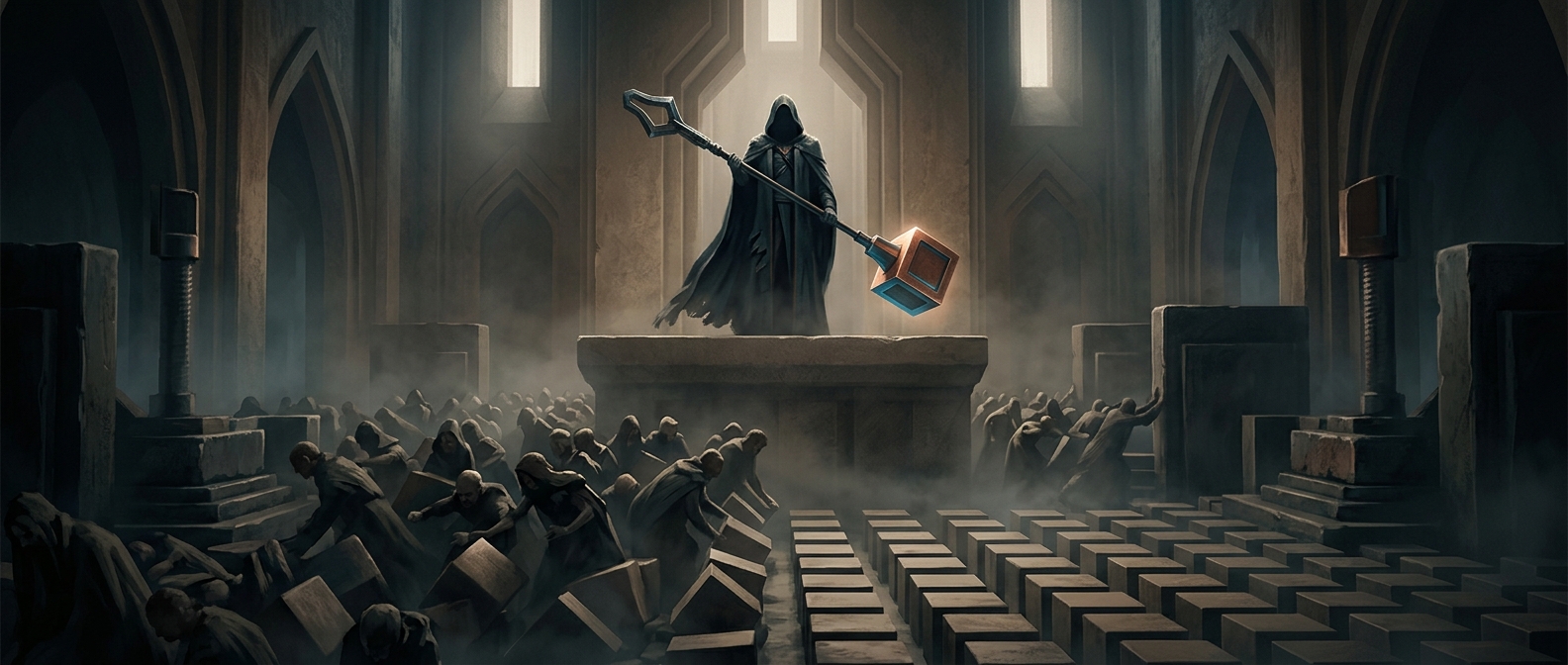
Metric system adoption required intense state coercion
People trusted the local measures they already used, so French authorities spent decades enforcing the new base-ten system. Familiar units—including measures…
Discover more
Kabuki theater perfected dramatic pausing
At an emotional peak, a kabuki performer freezes in a pose called a mie, giving the audience time to take in the moment. In a theater built for heightened…
Discover more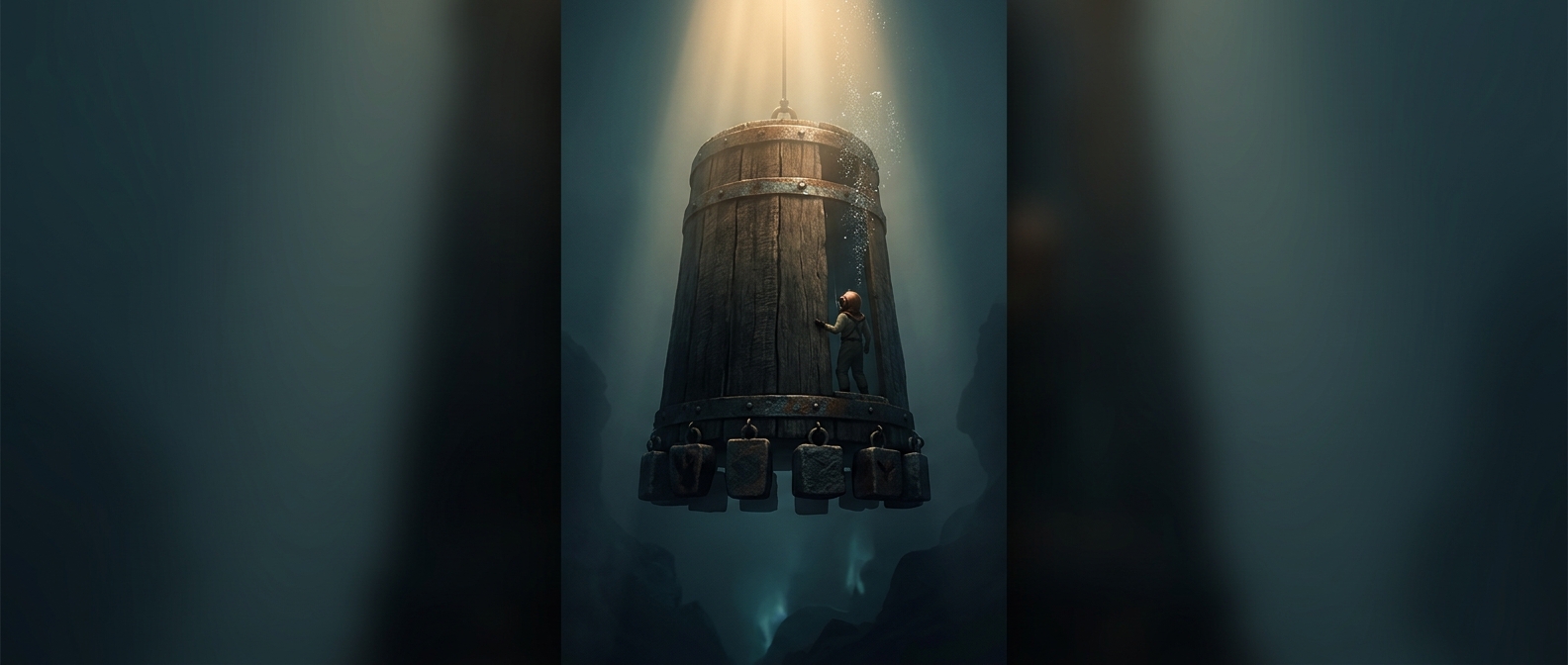
First modern diving bells were made of weighted timber
Lead weights held the timber domes underwater, while trapped air gave divers a pocket to breathe. But each breath used up fresh air and added exhaled air to…
Discover more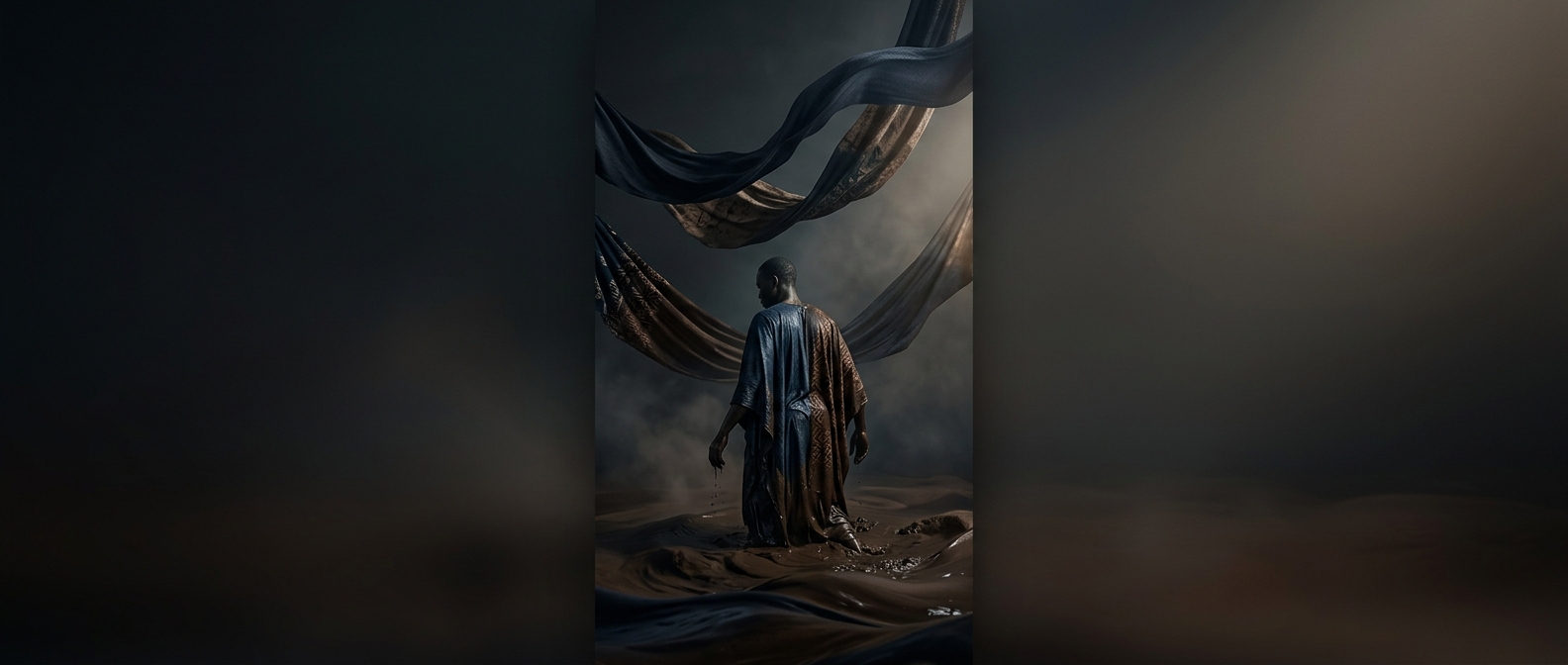
African artisans dye fabric using fermented mud
Iron-rich fermented mud reacts with patterns applied to cotton, turning the fabric a lasting black. In West African bogolanfini, artisans use that reaction to…
Discover more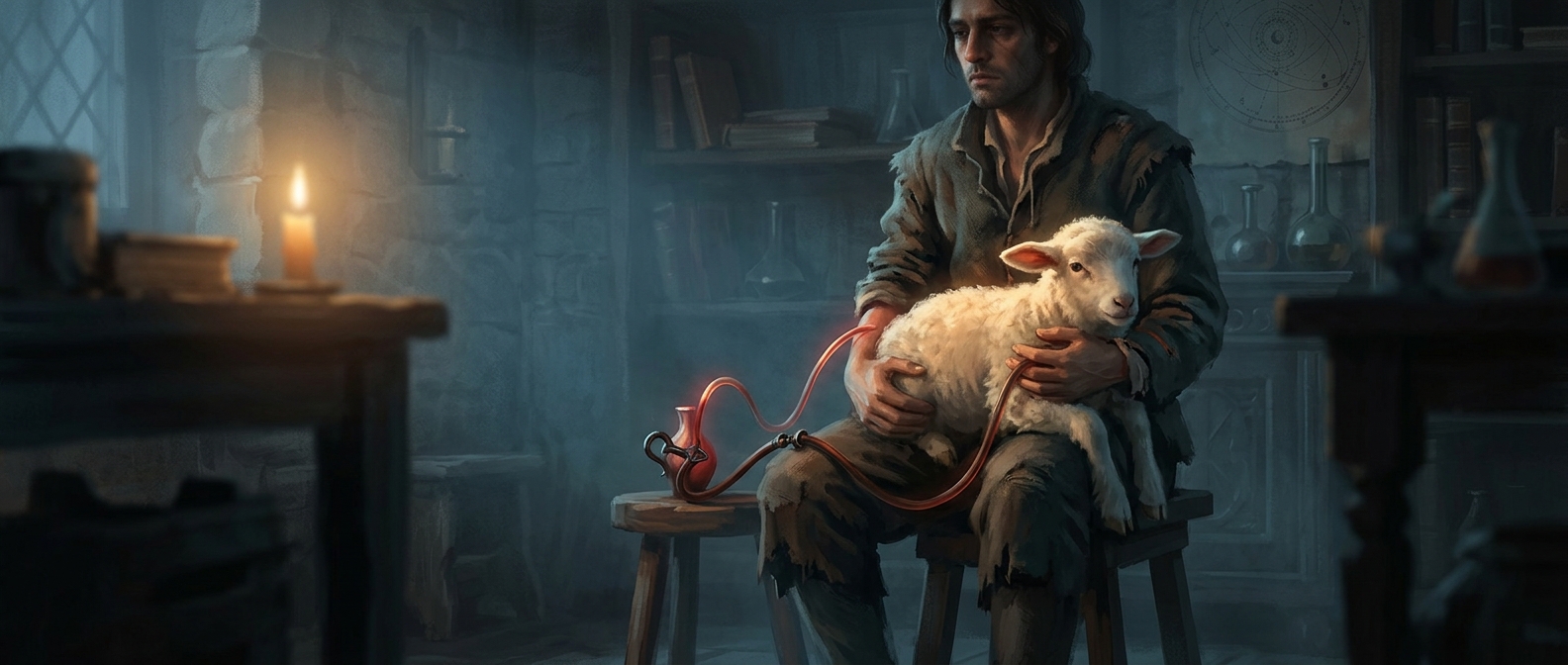
An early human blood transfusion used a lamb
In 1667, Jean-Baptiste Denis and surgeon Paul Emmerez transfused lamb's blood into a teenage boy weakened by repeated bloodletting. He survived, according to…
Discover more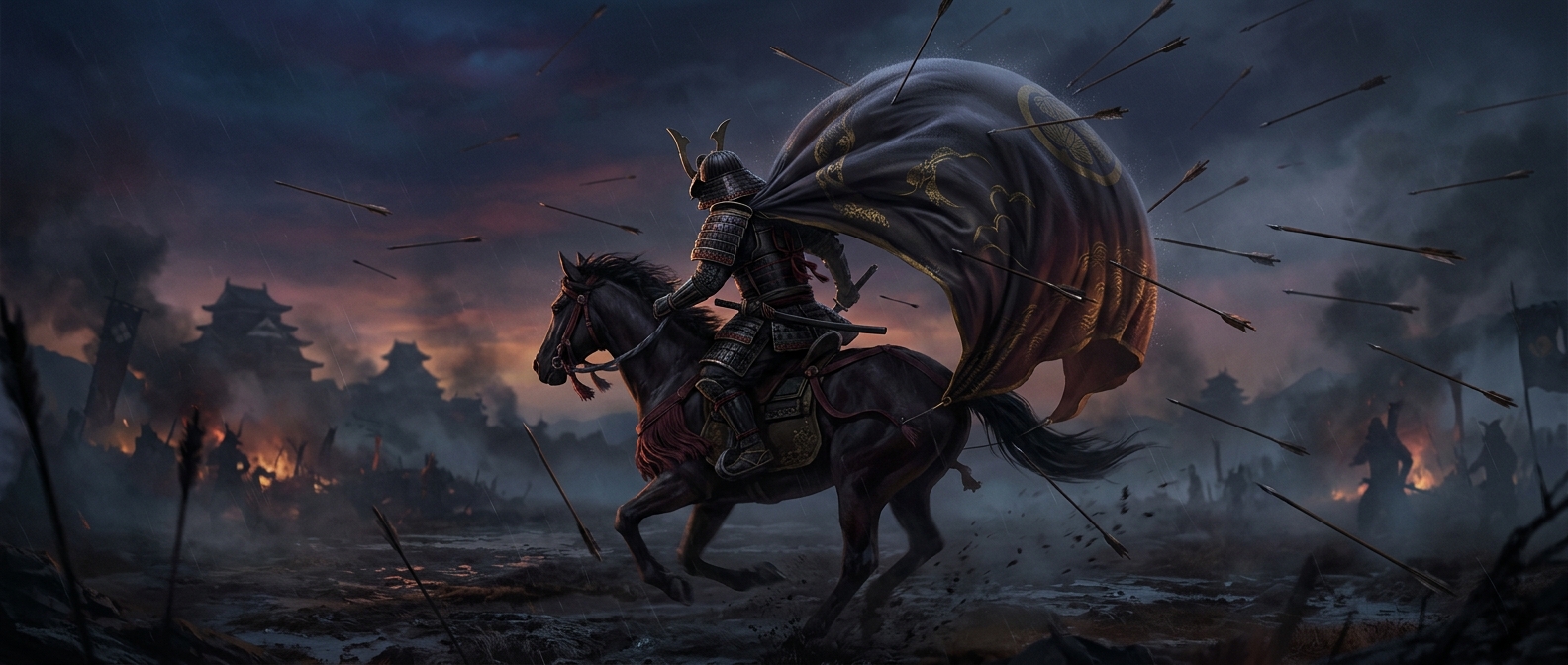
Samurai wore cloaks designed to catch arrows
A wicker frame held the horo puffed behind a mounted samurai, creating a cloak meant to catch arrows from the rear. It was protective gear with a very…
Discover more