The valuable layer was hidden beneath the rough bark
Cinnamon comes from the inner bark of Cinnamomum verum, an evergreen tree native to Sri Lanka. Harvesters cut young stems and scrape away the coarse outer layer, revealing the thin, aromatic bark underneath. That inner layer—not the tree’s hard wood—is the spice.
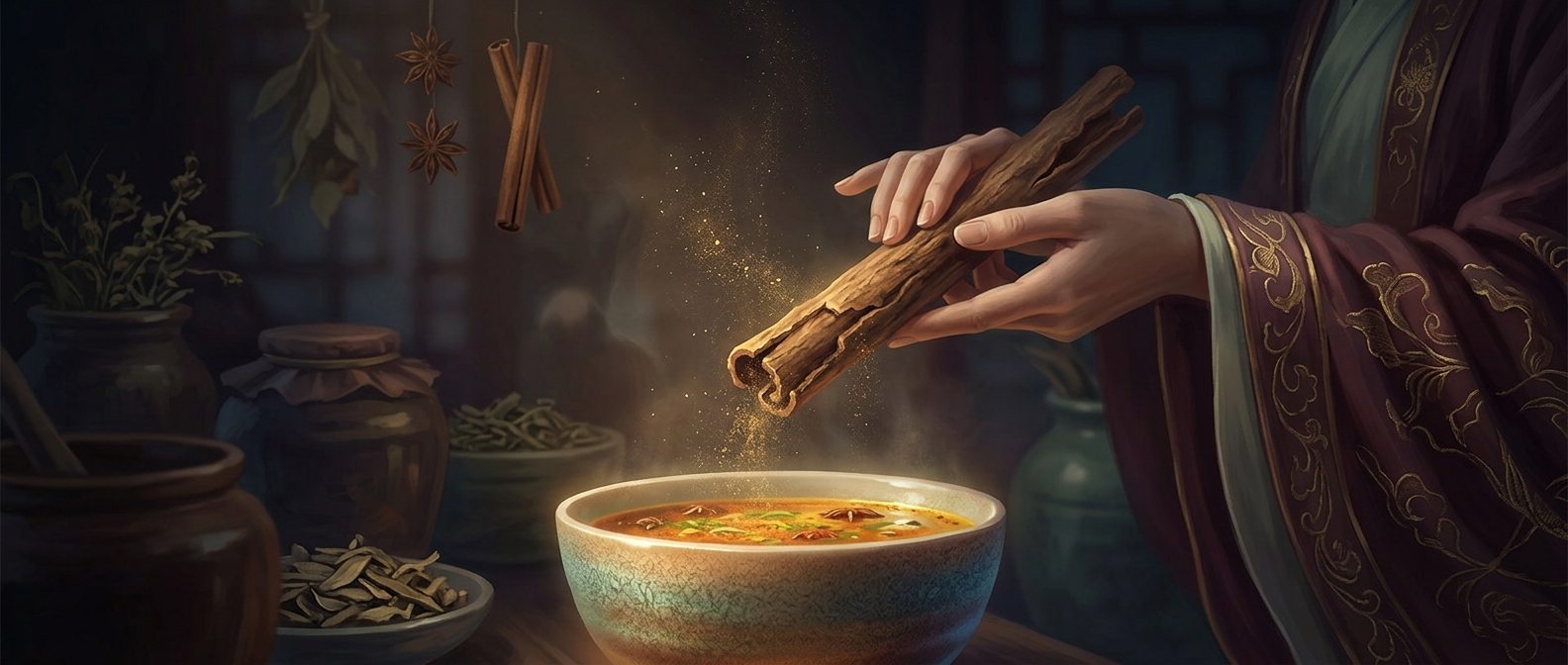
As the bark dries, it loses moisture and contracts, curling into a tube. Skilled processors fit thin strips inside one another to form the familiar quills, which are then dried until brittle. The shape is therefore a record of how the spice was made, not a casing added later.
A labor-intensive spice became a prize of trade
Producing cinnamon depended on repeated handwork: selecting suitable shoots, removing the outer bark, and separating the delicate inner layer without ruining it. That made the harvest difficult to scale like a crop gathered in one quick pass. Sri Lankan cinnamon became a prized commodity in long-distance trade, and European powers that controlled the island sought influence over its production and export.
The distinction still matters at the market. “Ceylon cinnamon,” the name associated with Sri Lanka, is made from this thin inner bark and tends to form layered, fragile quills; the more common cassia spices come from related trees and are generally thicker and harder. A quill’s delicate curl is the visible result of careful peeling—and of a trade built around that labor.