A rare snapshot of an everyday food
Most ancient meals leave little behind. Noodles are especially hard to trace: cooked dough normally breaks down, so archaeologists often have to infer what people ate from tools, grains, or written records. At the northwestern Chinese site where the noodles were found, a physical bundle of strands offered unusually direct evidence—not just that people processed grain, but that they shaped it into a familiar kind of food.
That distinction matters because a bowl of grain porridge and a plate of noodles begin with similar ingredients but require different kitchen work. Making strands means turning flour and water into dough, then forming it into pieces that can be cooked without simply dissolving. The find captures that practical skill, even though it cannot tell us exactly how the cook prepared the dough or served the meal.
Millet changes the picture
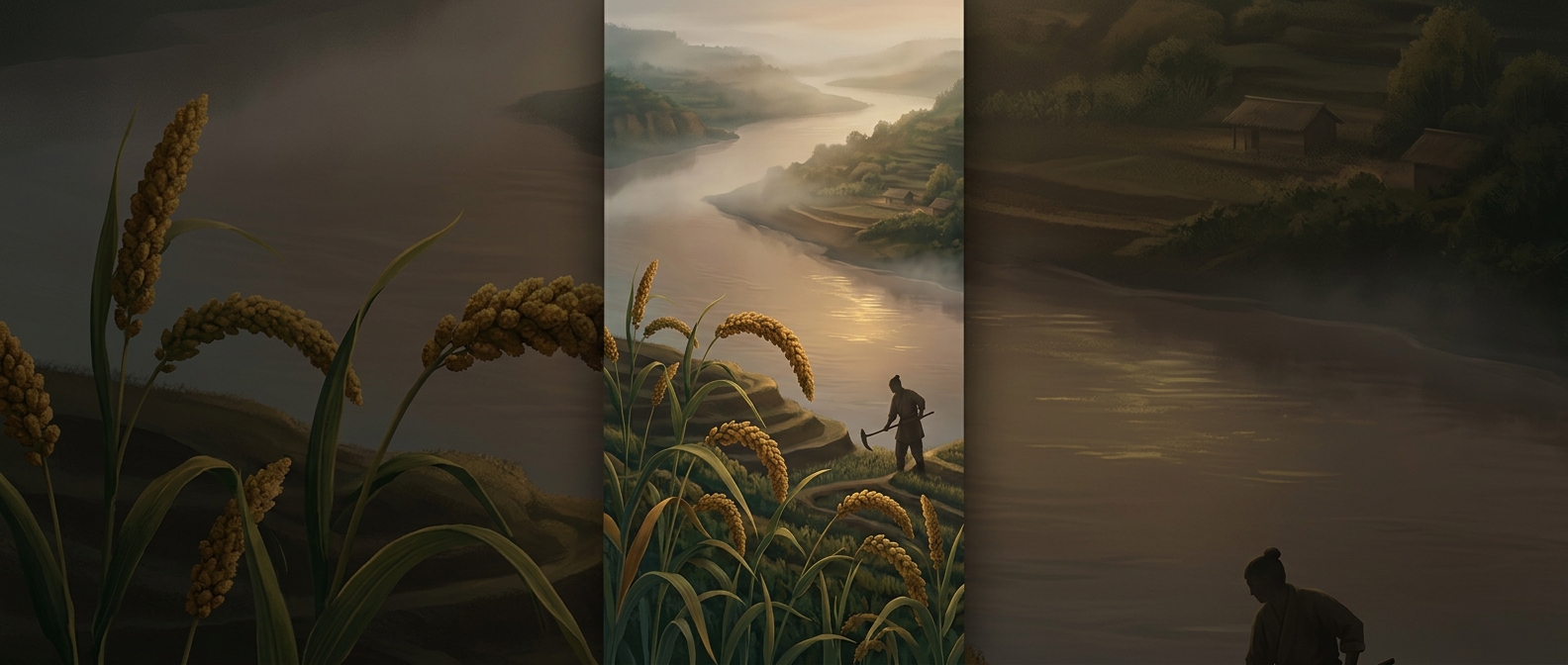
Millet is not wheat. It lacks gluten, the network of proteins that gives wheat dough much of its stretch and helps it hold together. Millet dough is therefore less elastic, making the surviving strands a reminder that noodle-making did not depend on the wheat-based techniques many people picture today. Cooks worked with the grains available to them and found ways to turn them into a different texture.
The discovery broadens the history of noodles from a story about a single ingredient or modern staple into one about adaptable cooking. The essential idea—grain transformed into strands—could outlast the particular grain in the bowl.