How a Kabuki Freeze Turns a Moment Into a Picture
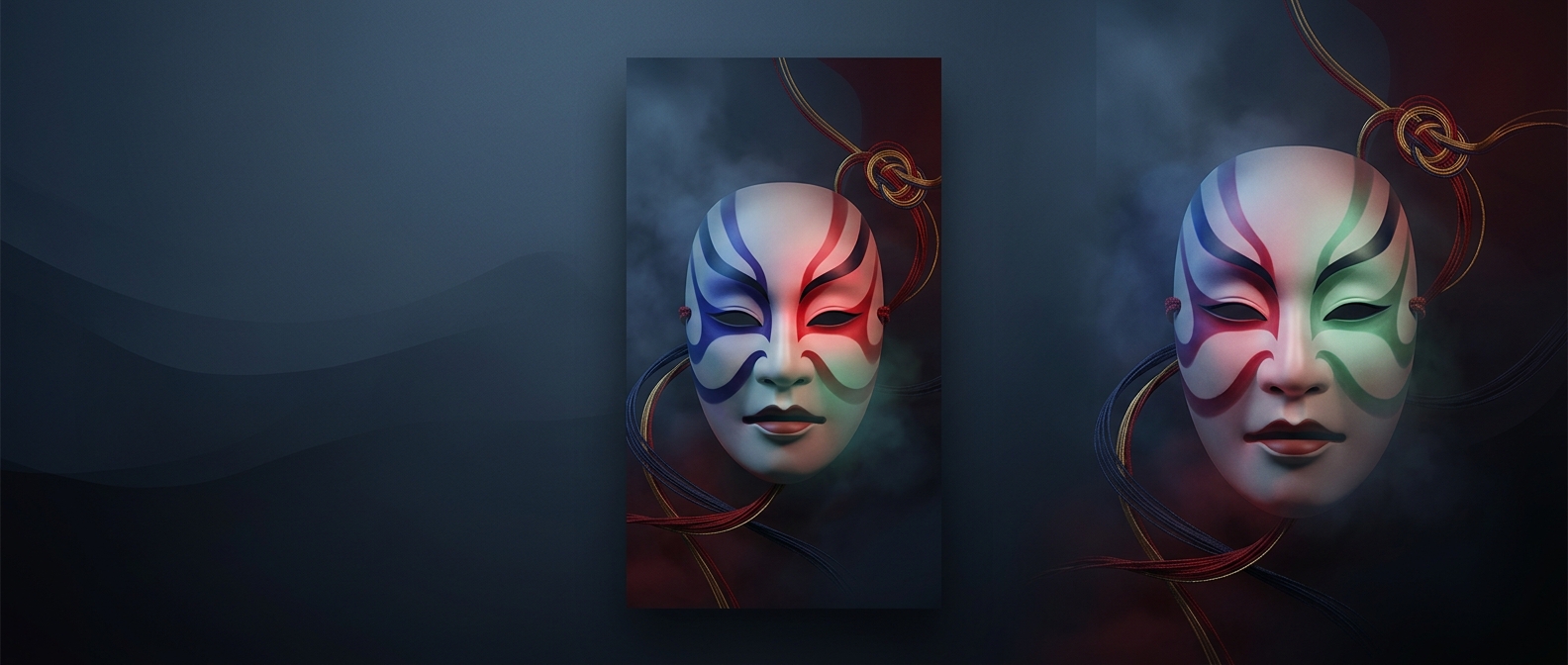
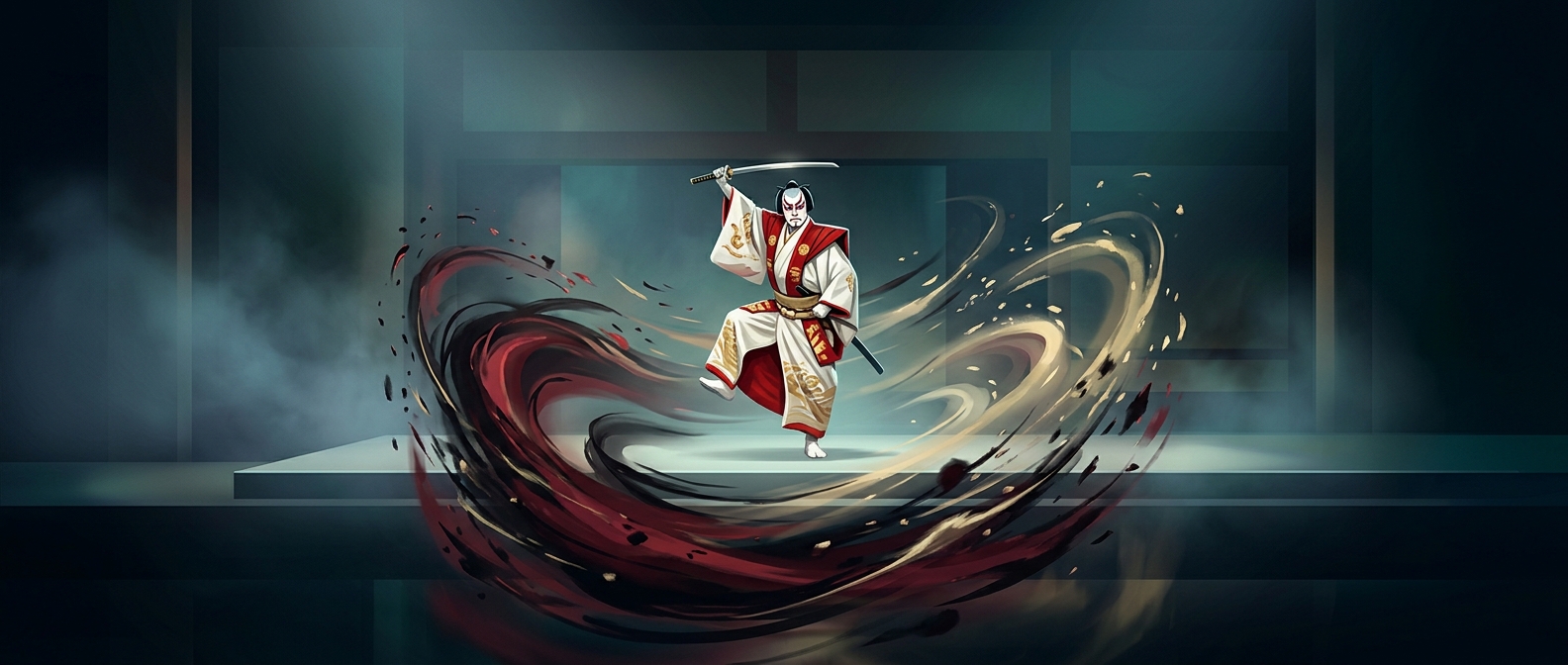
A mie (pronounced “mee-eh”) is a deliberate pose held by a kabuki actor at a dramatic high point. The performer may set the body at an angle, fix an intense expression, and hold the gaze rather than immediately continuing the action. The pause gives the audience time to read the character’s emotion and the significance of the scene.
Stillness Is Part of the Performance
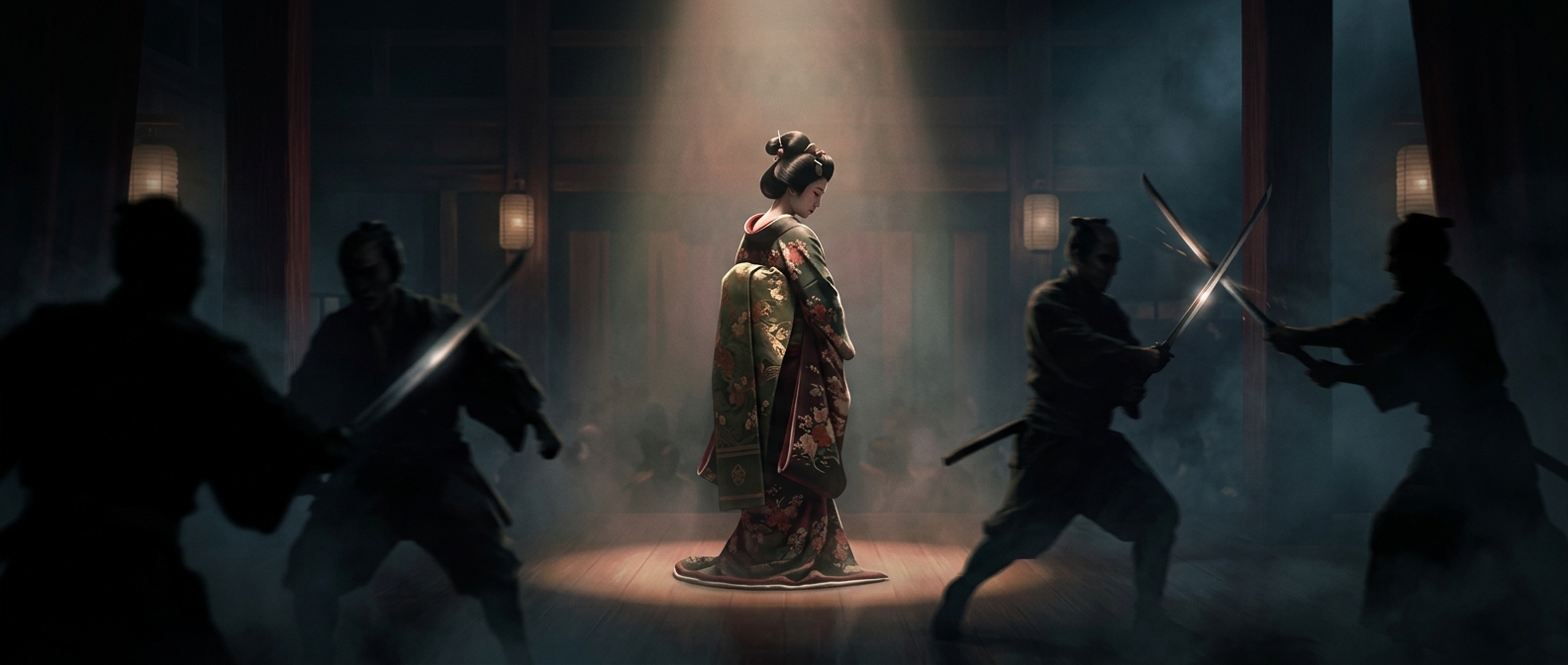
Kabuki acting often makes feelings and conflicts visible through carefully shaped gestures. A mie brings that approach to a peak: instead of suggesting emotion through a subtle facial change, the actor presents it as a composed image. The contrast with the movement around it makes the pose feel even more forceful. Music and stage action can help mark the instant, while the actor’s control keeps attention on the held expression and body.
The pause is not simply a break while the story waits. It changes how the scene is experienced. For a few beats, the audience can take in the character’s resolve, fury, or grief before the drama moves on.
A Moment Shared With the Audience
Kabuki audiences may respond at such moments with kakegoe—brief calls from knowledgeable spectators, often timed to a performer’s entrance or pose. The mie therefore sits at the meeting point of actor and audience: the performer offers a striking, legible image, and spectators recognize and answer it. A scene’s momentum comes not only from what happens next, but from the time the theater gives that image to be seen.