Why a doctor tried blood from a sheep
In seventeenth-century medicine, blood was more than a fluid that carried oxygen: many physicians thought it could influence a person’s temperament. Jean-Baptiste Denis hoped that blood from a mild-mannered animal might calm a man suffering from severe mental illness. The idea reflected a period when doctors often treated illness by trying to rebalance the body, long before they understood blood types or immune reactions.
How the experiment worked
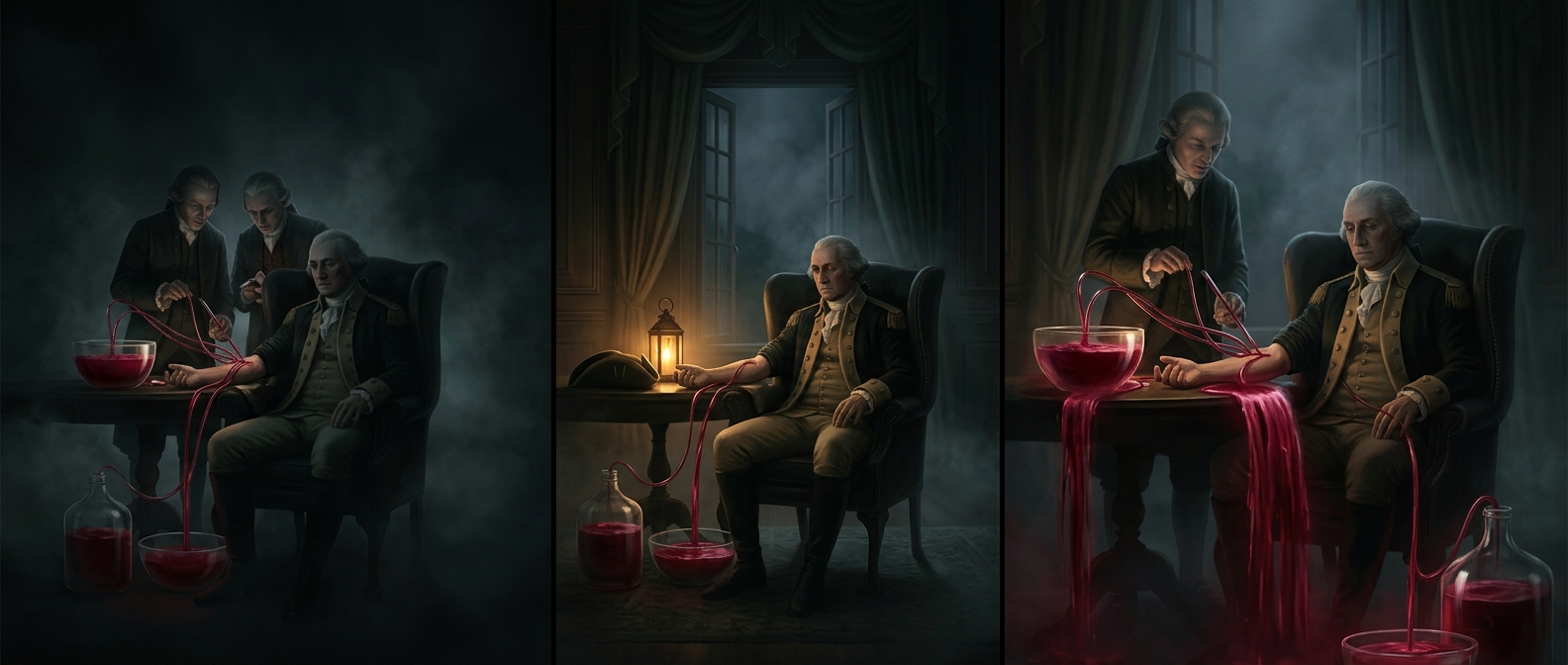
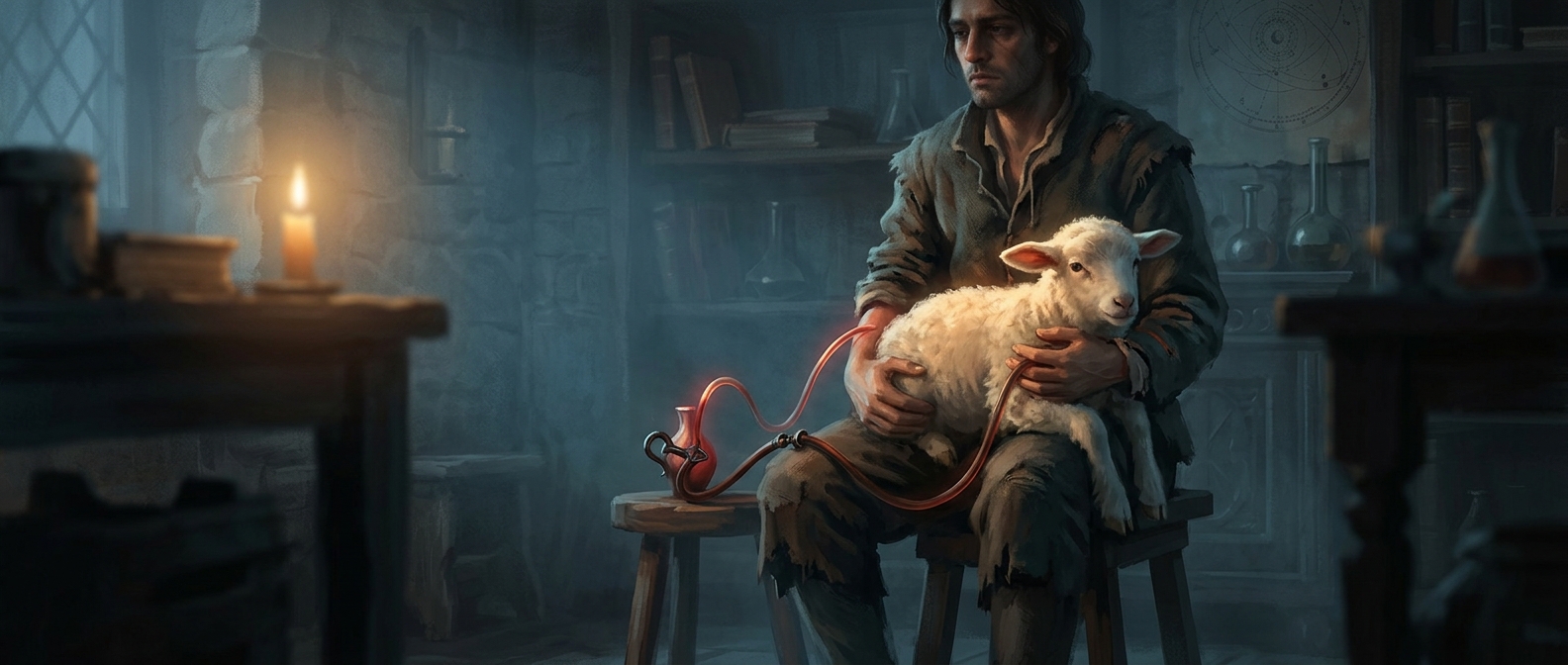
Denis and surgeon Paul Emmerez transferred blood from a lamb into the patient through a tube connecting the animal’s blood vessels to the man’s. This was not a modern transfusion from a stored blood supply. The blood was moved directly, while the animal was alive, and the procedure depended on controlling its flow by hand.
The man survived the first procedure, making the attempt seem remarkably successful. But survival did not show that sheep’s blood was safe or that it had calmed him. Doctors then lacked the tests needed to detect whether a recipient’s body would attack blood from another species. Such a reaction can damage red blood cells and cause severe illness.
A striking result, and a dangerous precedent
Denis’s experiment belonged to a wider wave of attempts to transfuse blood between animals and people. Its apparent success encouraged further trials, but later complications and deaths sharpened concerns about the practice. The case became part of a dispute over who could perform transfusions and whether they should be allowed at all.
The lasting lesson was not that sheep’s blood could treat mental illness. It was that a patient could survive an astonishing experiment—and that, without a way to understand compatibility, one successful outcome offered little assurance the next would be safe.