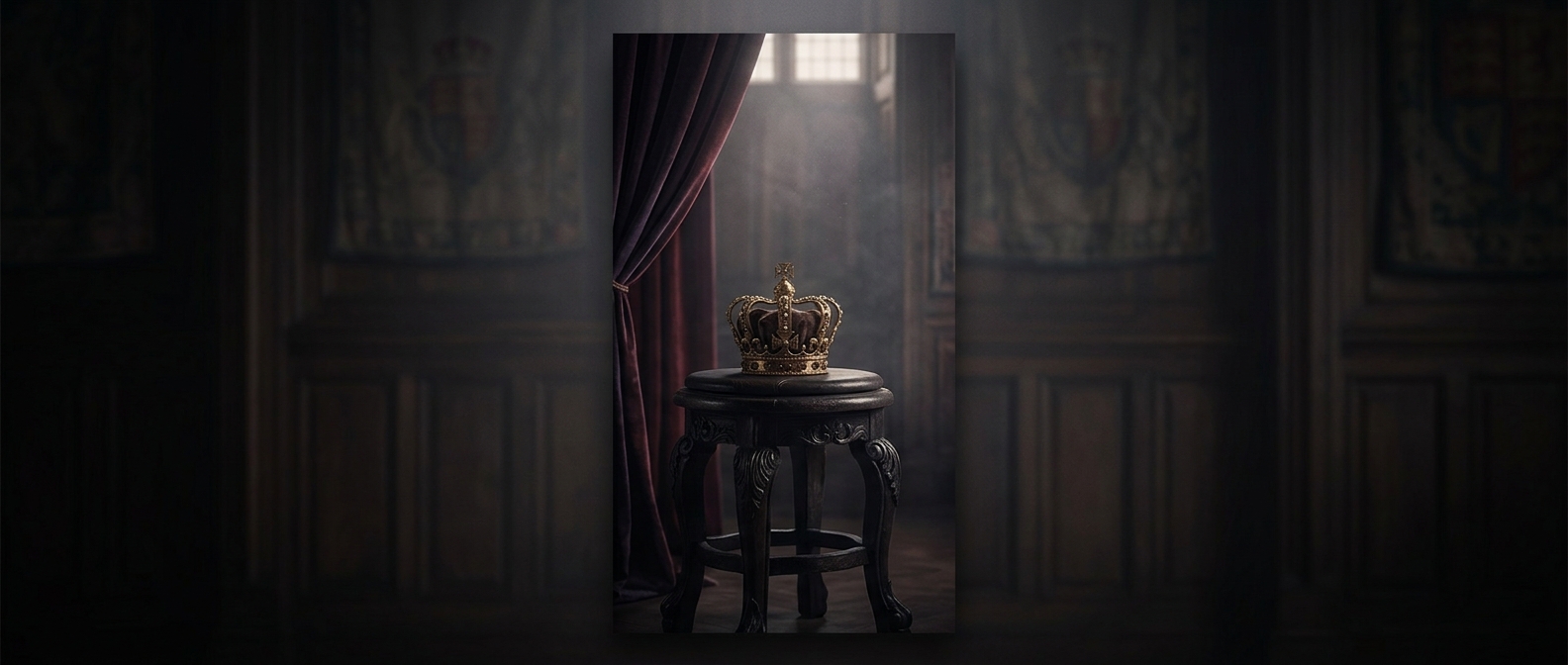
A pregnancy became a question of succession
Mary I’s reported pregnancies in 1554 and 1557 mattered far beyond the royal household. Mary had no child, and the Tudor succession was unsettled: without an heir, the crown was expected to pass to her Protestant half-sister Elizabeth. A baby would have secured Mary’s family line and offered a chance to shape the kingdom’s religious future.
That made ordinary signs—nausea, a swelling belly, or the sensation of movement—politically charged. When Mary and those around her believed she was pregnant, the court began preparing for a birth. The expectation was not merely personal hope; it had consequences for the monarchy’s next steps.
Why the signs could persuade a court
Sixteenth-century doctors had no pregnancy tests or scans. They had to judge from a woman’s symptoms and physical changes, which could suggest pregnancy without confirming it. In Mary’s case, the signs were interpreted within a setting where everyone had strong reasons to anticipate an heir. The label phantom pregnancy describes the outcome, but it should not imply that Mary was pretending or that her symptoms were imaginary.
When no child arrived, the consequences were political as well as private. Each failed expectation left the succession unresolved and made Elizabeth’s eventual inheritance more likely. Mary’s two experiences show how, in a monarchy, a pregnancy could be treated as a matter of state before anyone could know whether a baby was coming.