History
Discover facts about history. Small discoveries that change the way you see familiar things.
History
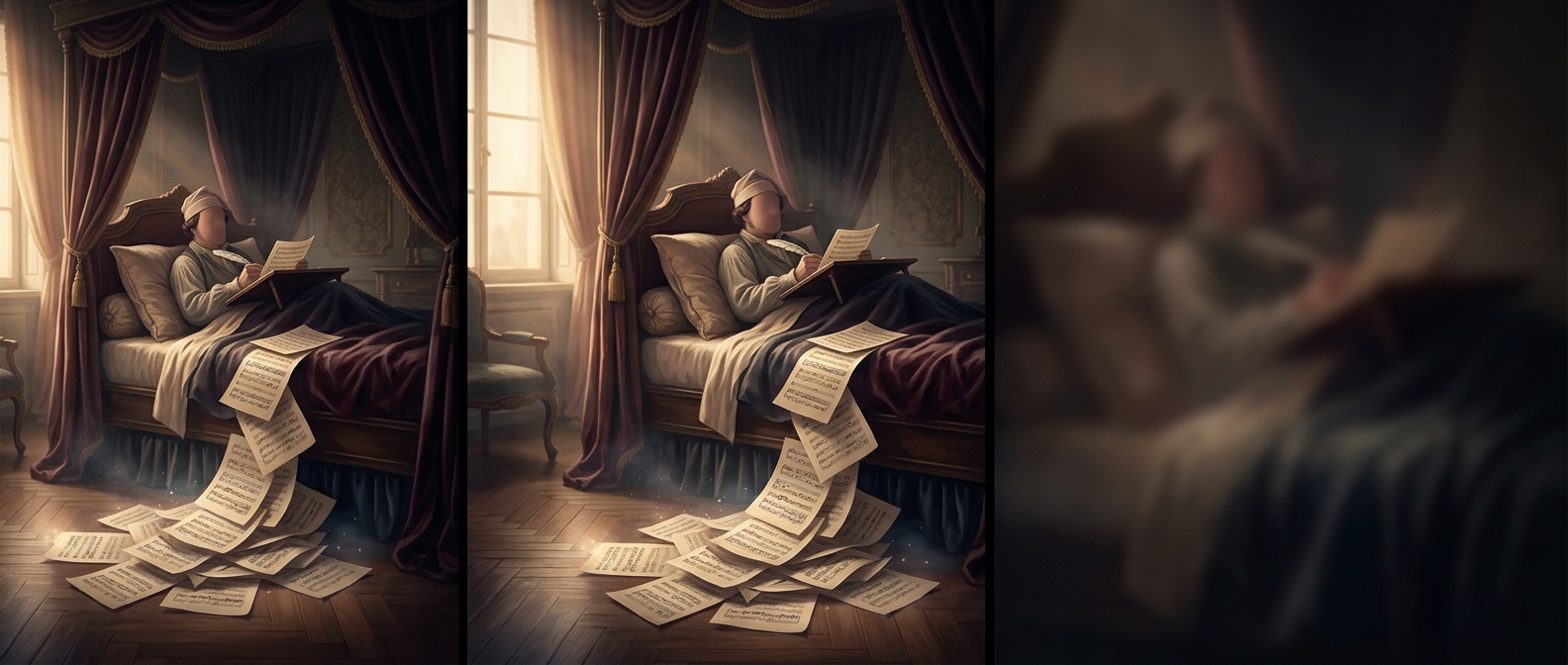
Rossini's speed inspired a story about composing without leaving bed
One often-repeated anecdote says he wrote a fresh page rather than retrieve one that had fallen to the floor. Scholars treat such stories cautiously, but his…
Discover more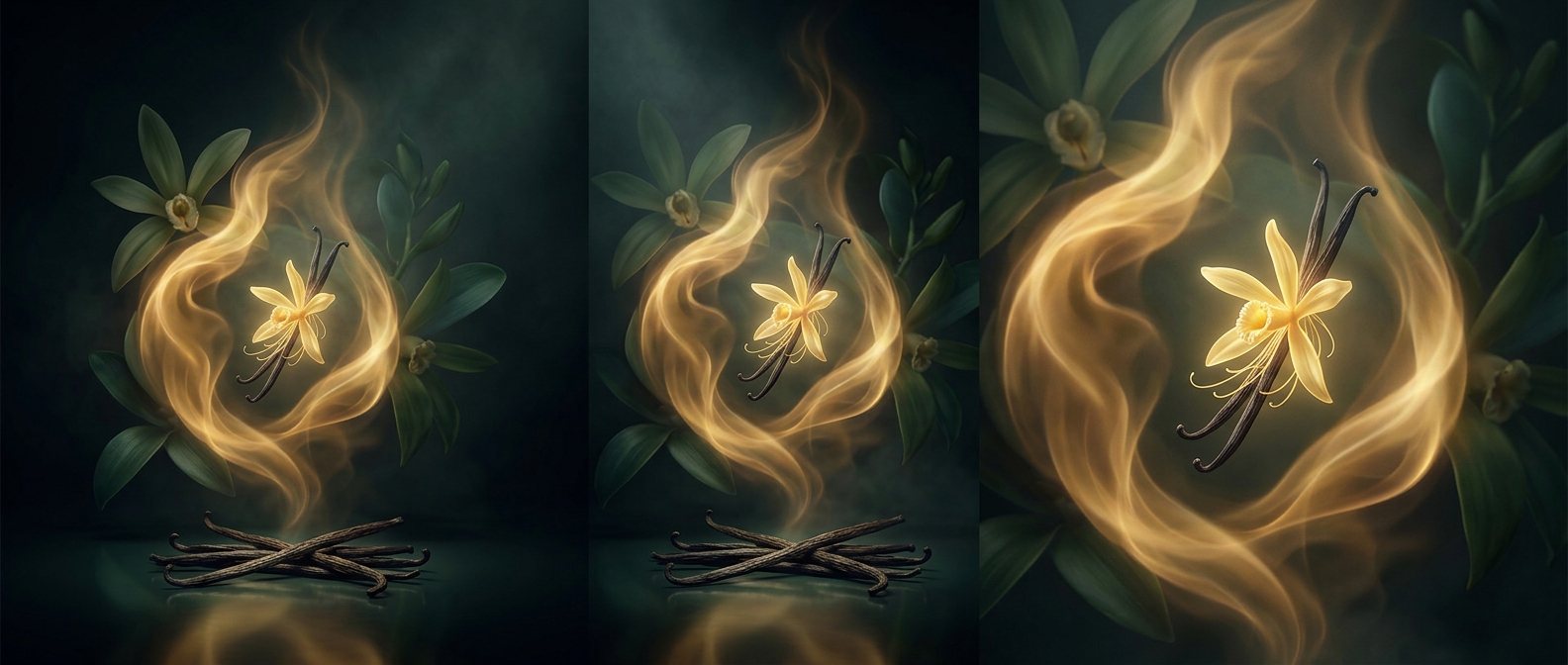
Vanilla’s name has an unexpectedly risqué origin
The name comes through Spanish vainilla, “little sheath,” from the pod’s shape—an unusually blunt bit of botanical naming.
Discover more
Silk’s origin story begins with tea and a cocoon
The legend gives silk a remarkably small beginning: a cocoon loosening in an empress’s hot tea. As it unwound into a strong thread, the story says, a cup of…
Discover more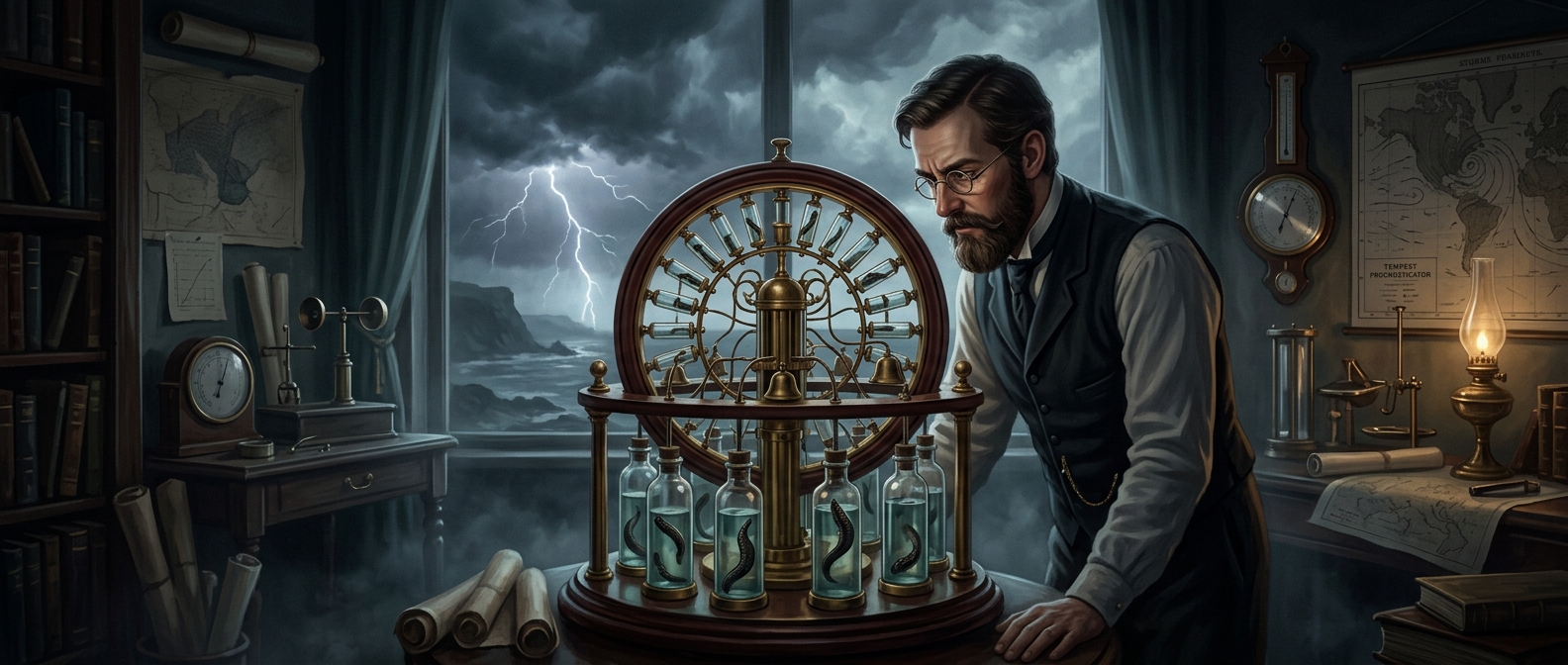
The storm predictor powered by 12 leeches
He reasoned that falling air pressure before a storm would make the leeches restless, setting off their tiny bells. His forecast depended on 12 live…
Discover more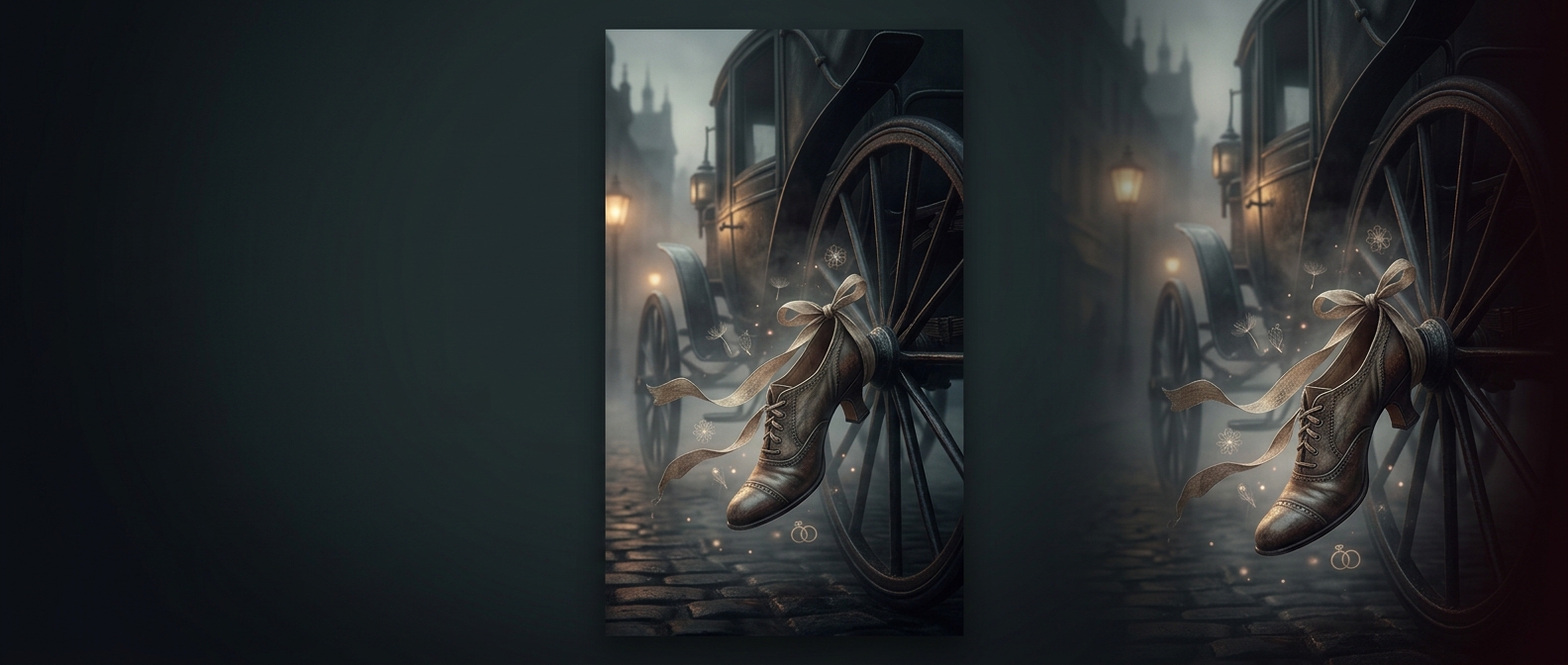
Wedding guests once threw shoes for good luck
Older folklore collections describe worn shoes being tossed after newlyweds as a blessing. The same object that would look like an insult today could wish a…
Discover more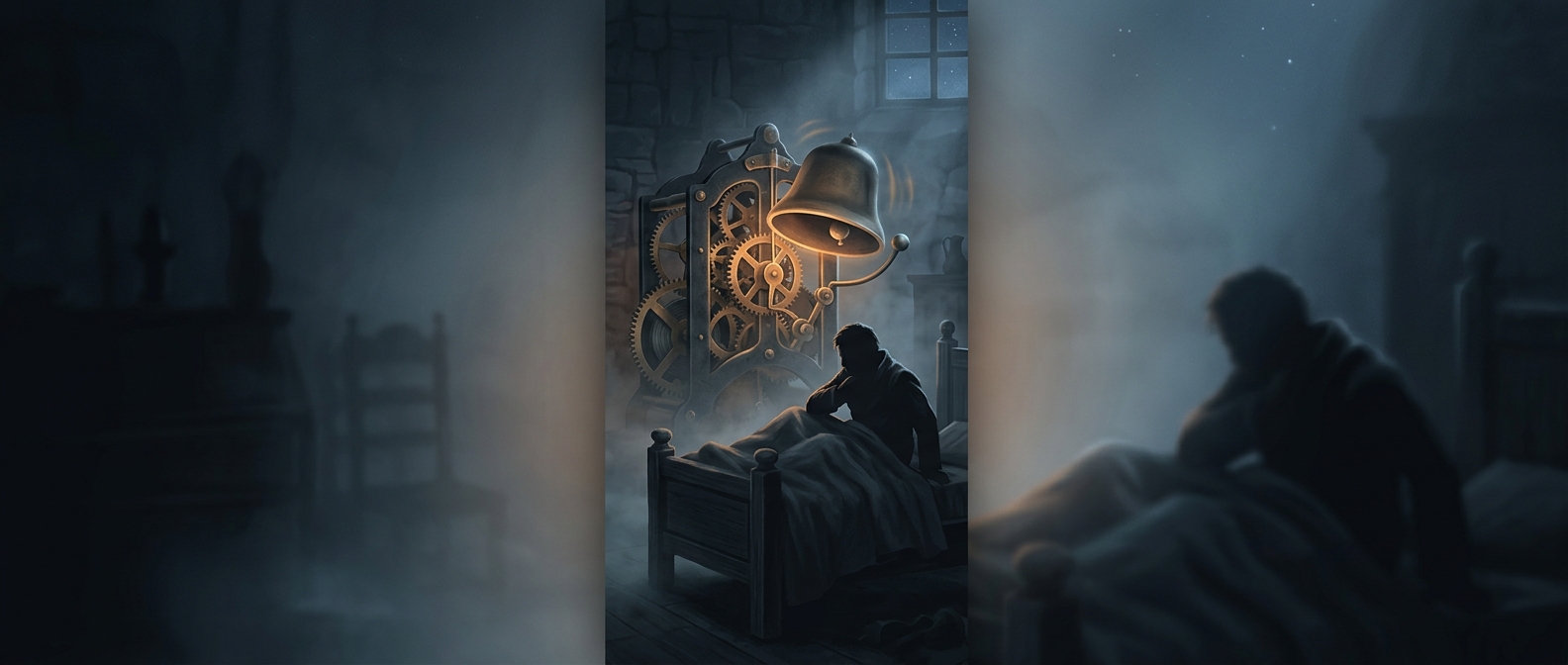
Early alarm clocks could only ring at four in the morning
The alarm offered one wake-up time: 4 a.m. If that wasn’t your schedule, the clock had no interest in negotiating.
Discover more STACKY FOR IPHONE
A bigger world.
One discovery
at a time.
Keep discovering with Stacky. Interesting facts in an app that is always within reach.

When crosswords were dismissed as a fad
When the first word grid appeared, prominent editors called it childish and predicted it would vanish within months.
Discover more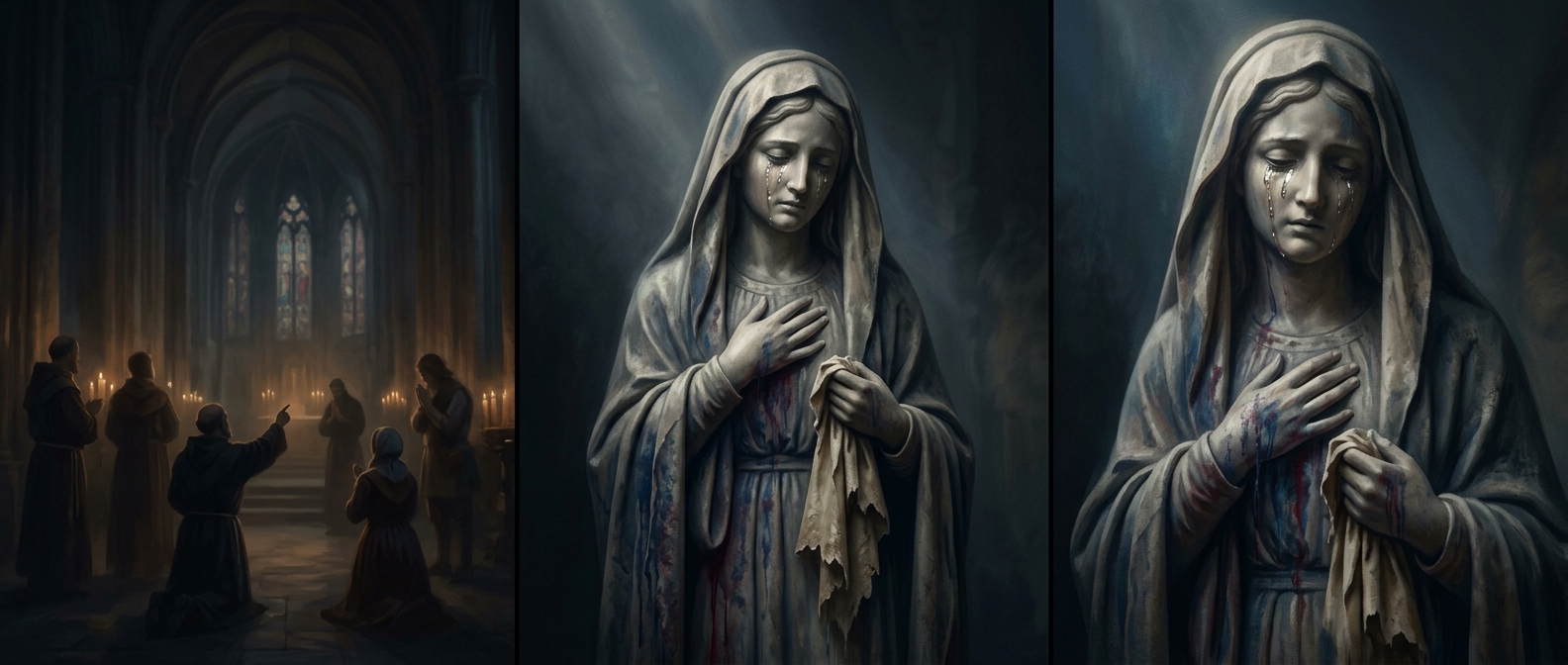
Weeping statues were claimed to be religious miracles
When some statues appeared to weep, condensation or hidden sponges could supply the tears; crowds saw a religious miracle. The same drops could inspire…
Discover more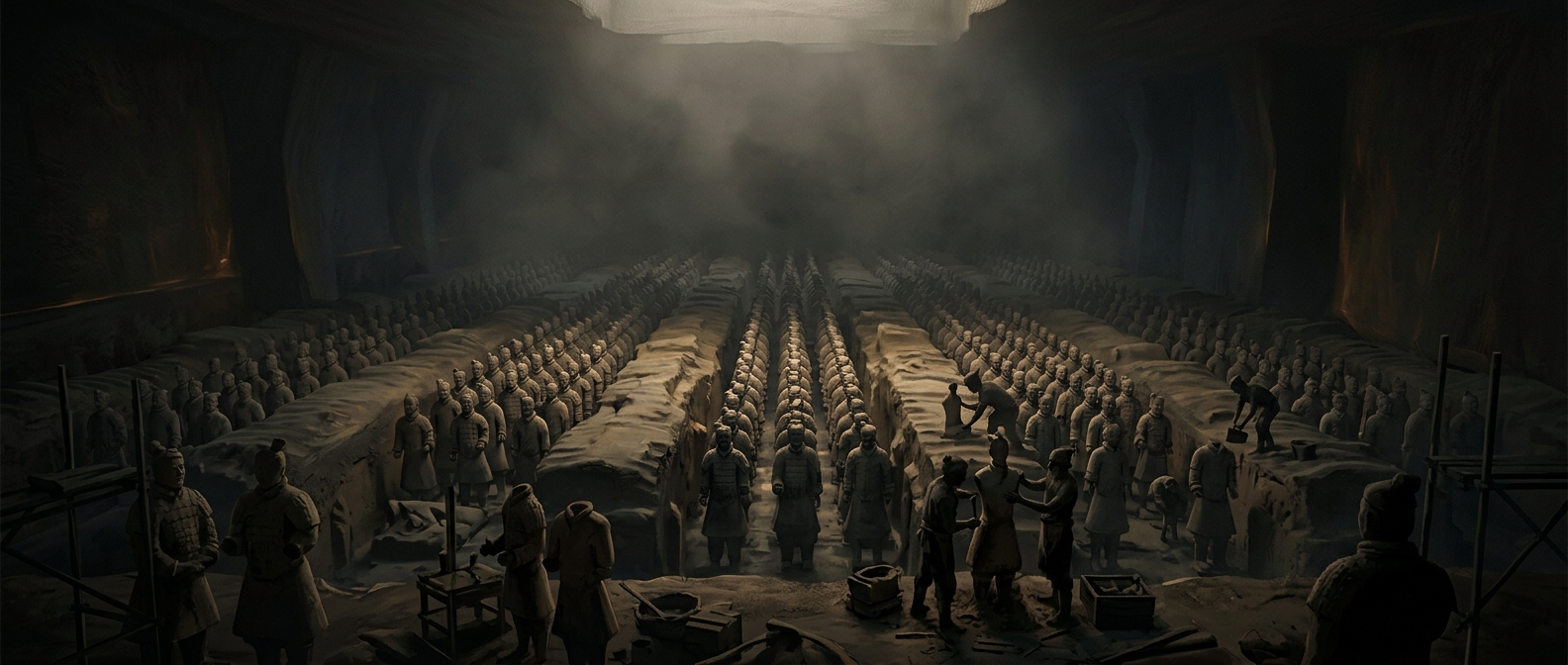
China's first emperor built an underground empire
The Terracotta Army formed only part of Qin Shi Huang's enormous burial complex. Construction extended over decades, with ancient accounts describing hundreds…
Discover more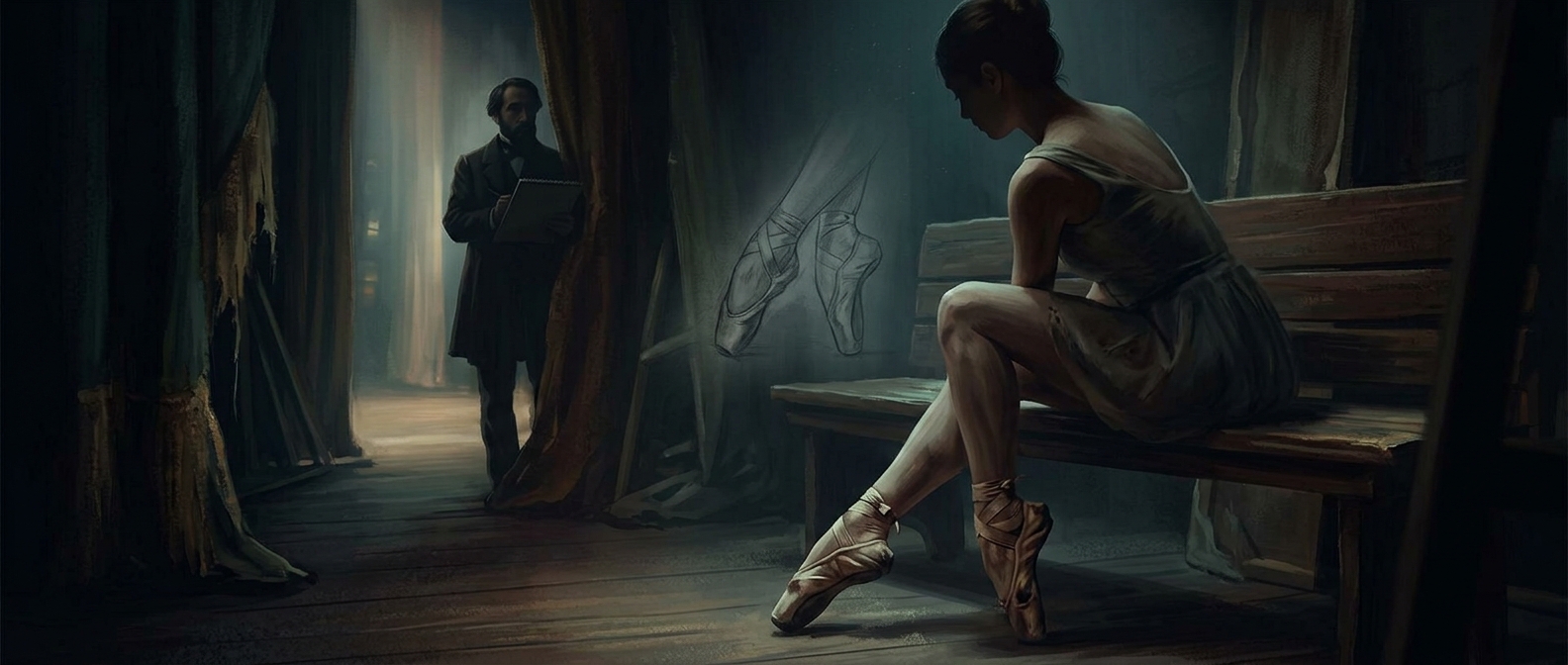
Degas sketched dancers rubbing their sore feet
He often drew dancers backstage, away from the stage’s graceful performances, as they scratched their backs or rubbed their sore feet.
Discover more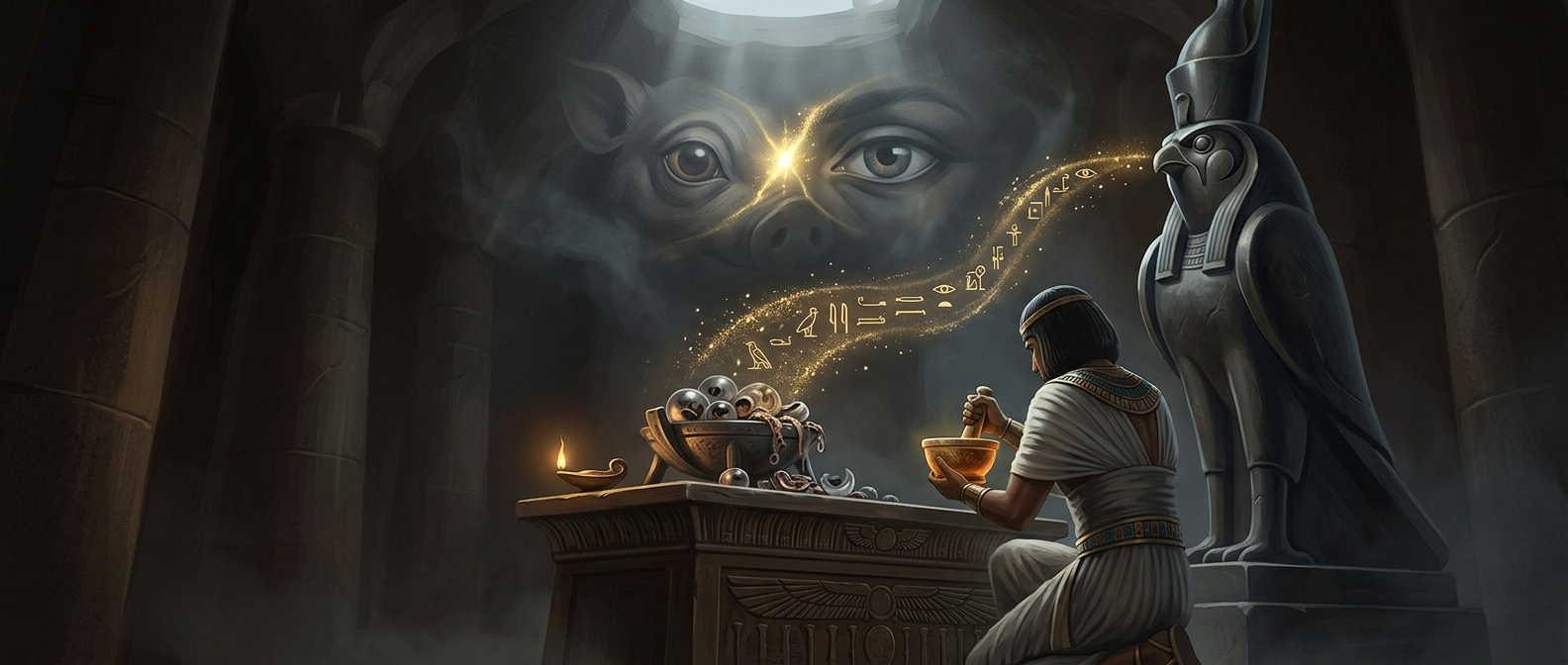
An Egyptian eye remedy went into the patient's ear
The Ebers Papyrus records a treatment involving pig eyes, other ingredients, and spoken words, with the preparation poured into the ear. It places a physical…
Discover more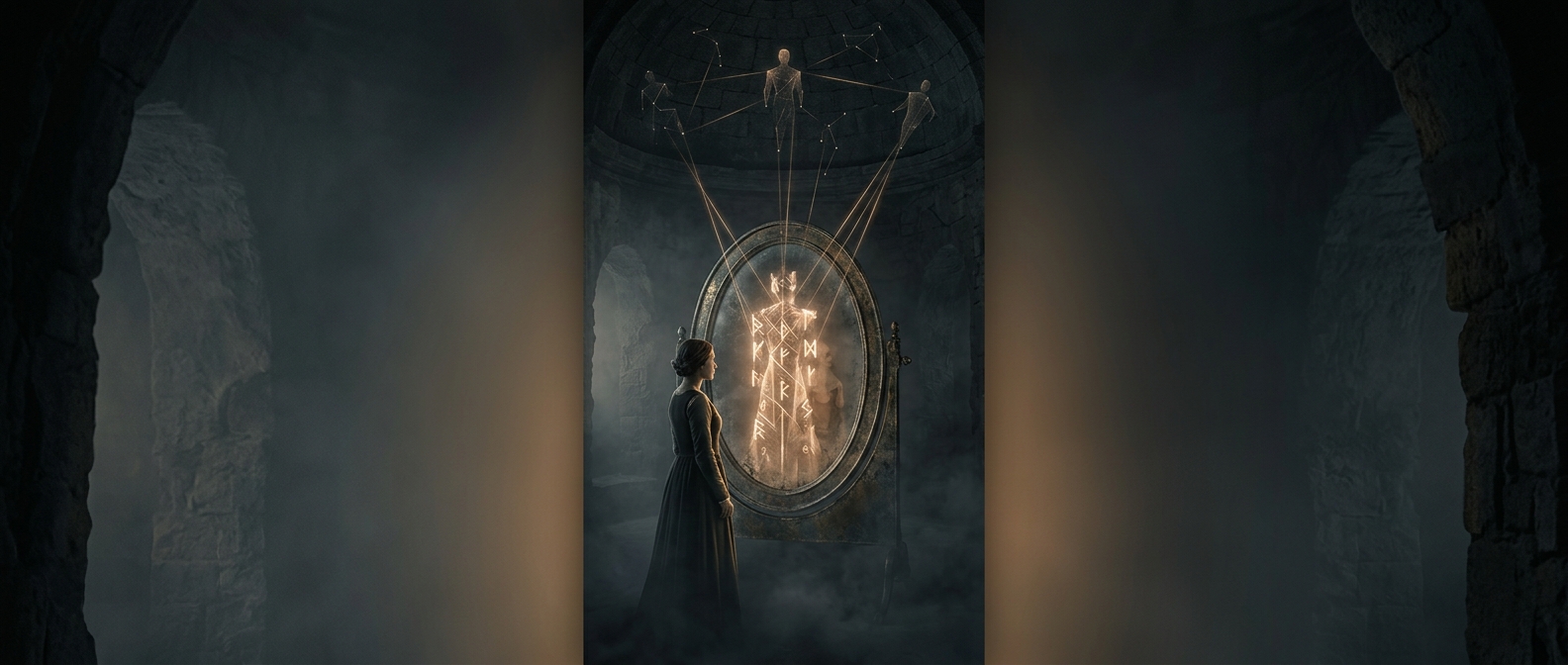
Why a wife was grammatically neuter
In Old English, grammatical gender was a noun category, not a label for biological sex: “wif” (the ancestor of “wife”) was neuter, while “wifmann” (the…
Discover more
A medieval pope was accused of calling on pagan gods over dice
Accounts of the charges against John XII in 963 included gambling and invoking pagan deities. Those allegations came from a struggle over his removal, making…
Discover more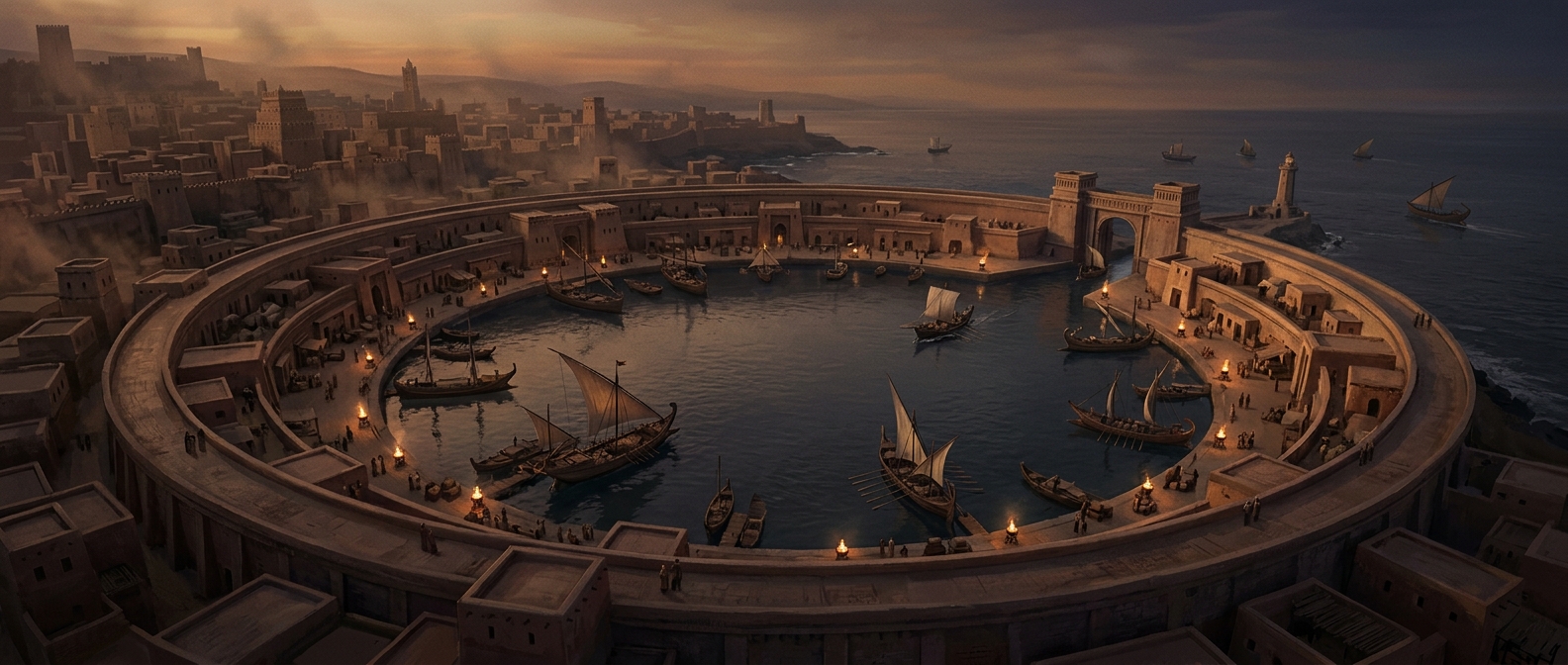
Ancient African city featured a massive circular harbor
The harbor's central island gave commanders a hub for organizing hundreds of warships and sending them out quickly. It wasn't just a place to park a fleet; it…
Discover more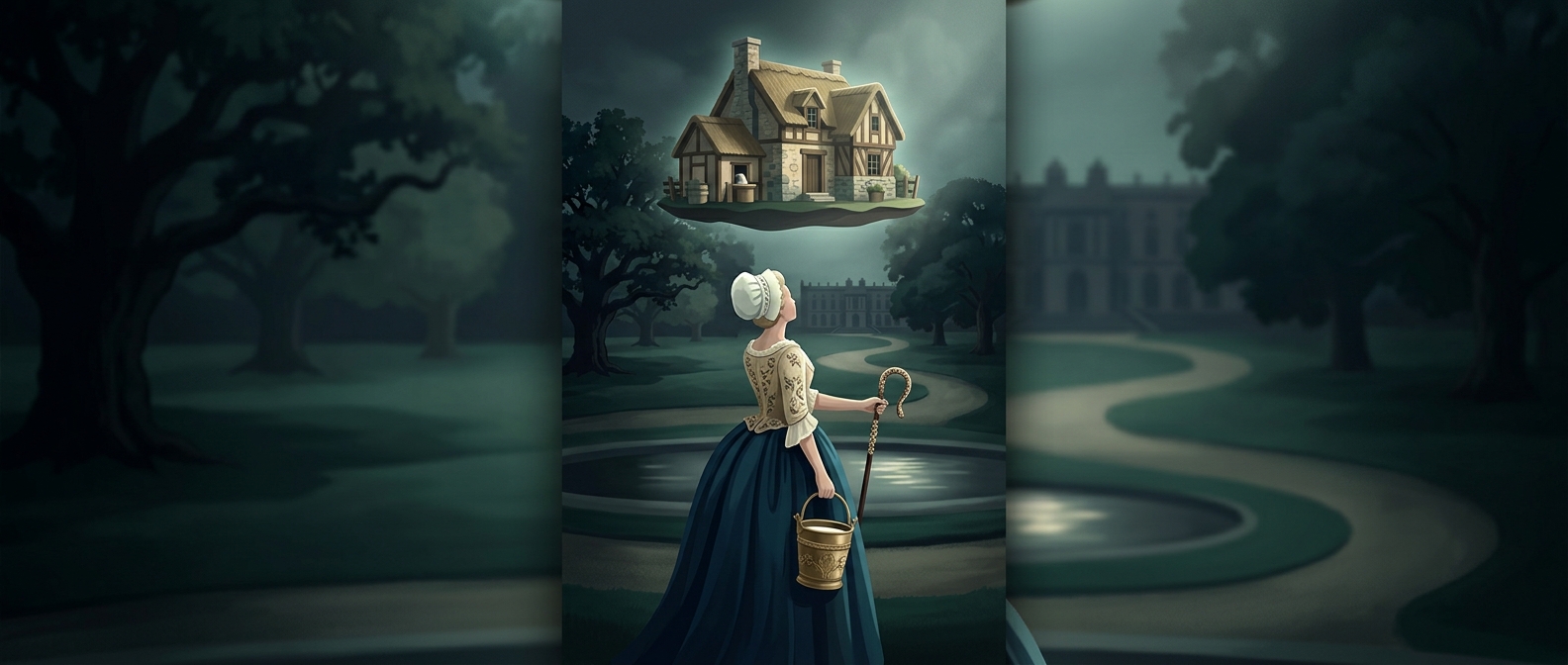
Marie Antoinette built a fake village to play peasant
Court life made every move public, so she built a private retreat at Versailles where she could play at country life without giving up royal comforts. The…
Discover more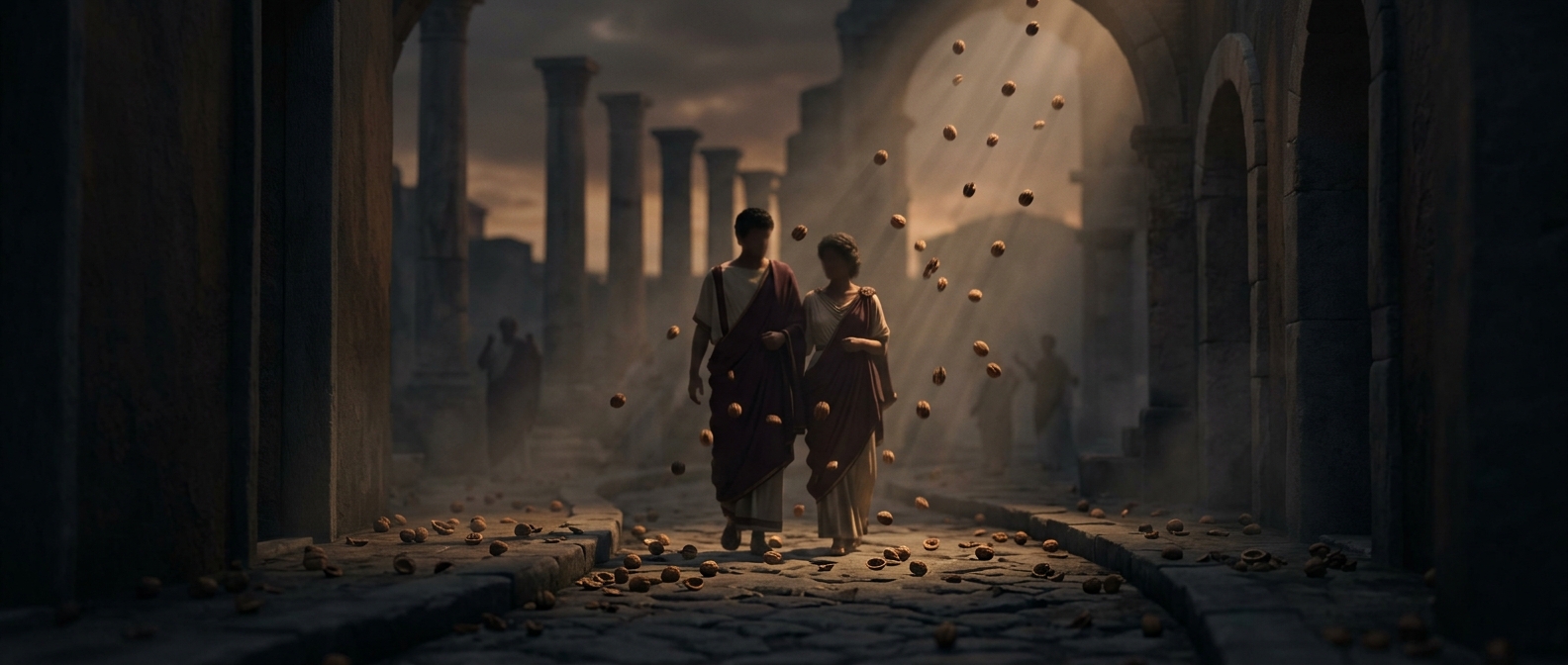
Why Romans threw walnuts at newlyweds
Romans pelted newlyweds with walnuts as fertility symbols, and the nuts also marked the groom’s move away from childhood toys. The wedding send-off came with…
Discover more
Svalbard has no separate work-visa requirement
Foreign nationals do not need a Norwegian residence permit to live or work on Svalbard. They still need to support themselves, and travel through mainland…
Discover more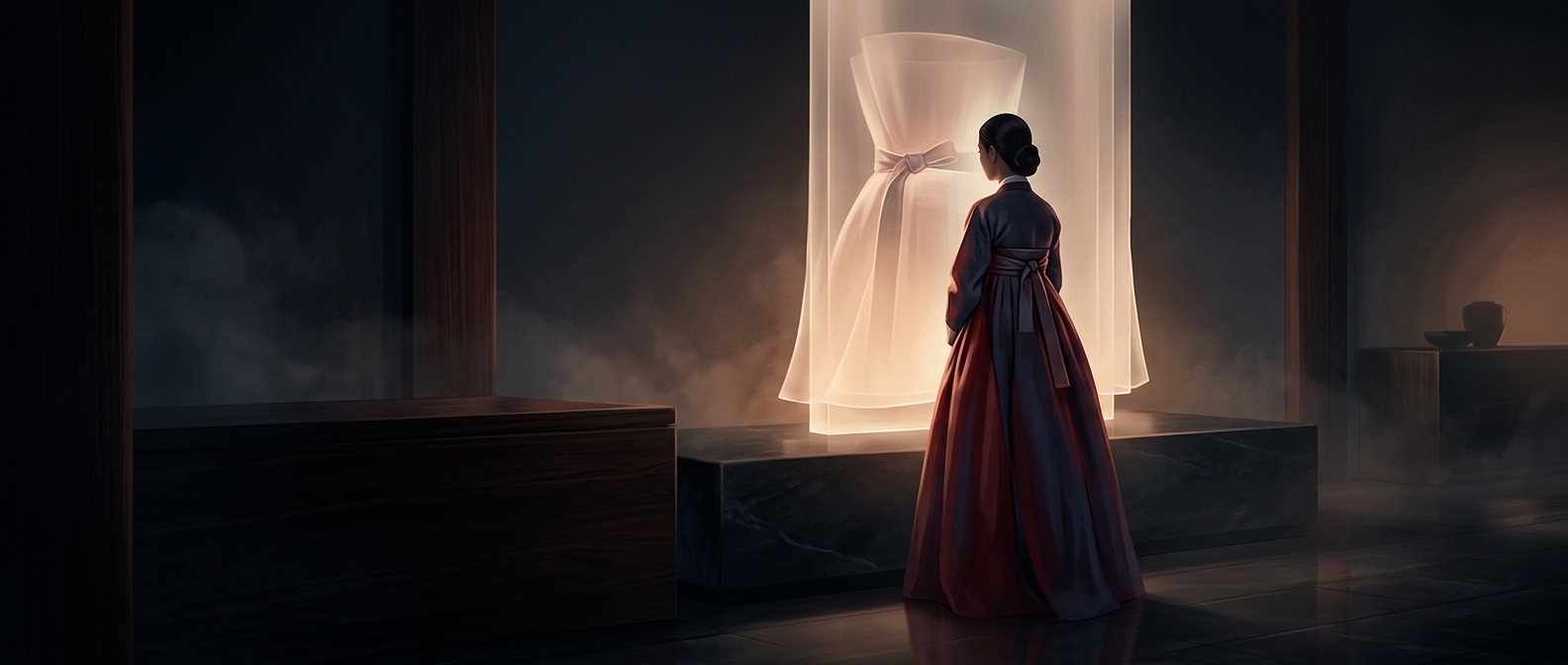
Korean hanbok skirts are tied above the bust
The high tie lets the fabric fall in a broad bell from just below the chest, creating hanbok’s signature silhouette without a fitted waist.
Discover more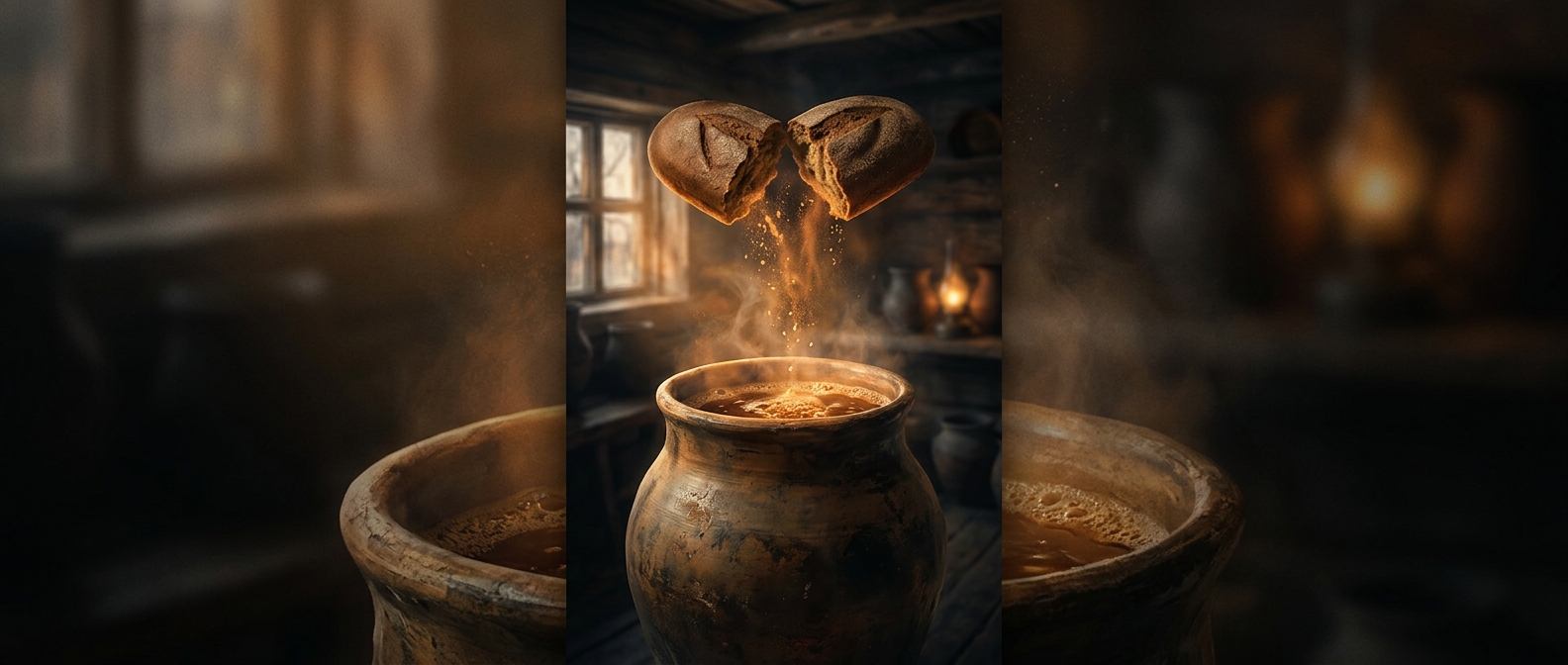
How stale bread became Russian kvass
Stale rye bread got a second life when people soaked it in water and let it ferment into kvass, a mildly alcoholic drink. It’s a practical bit of kitchen…
Discover more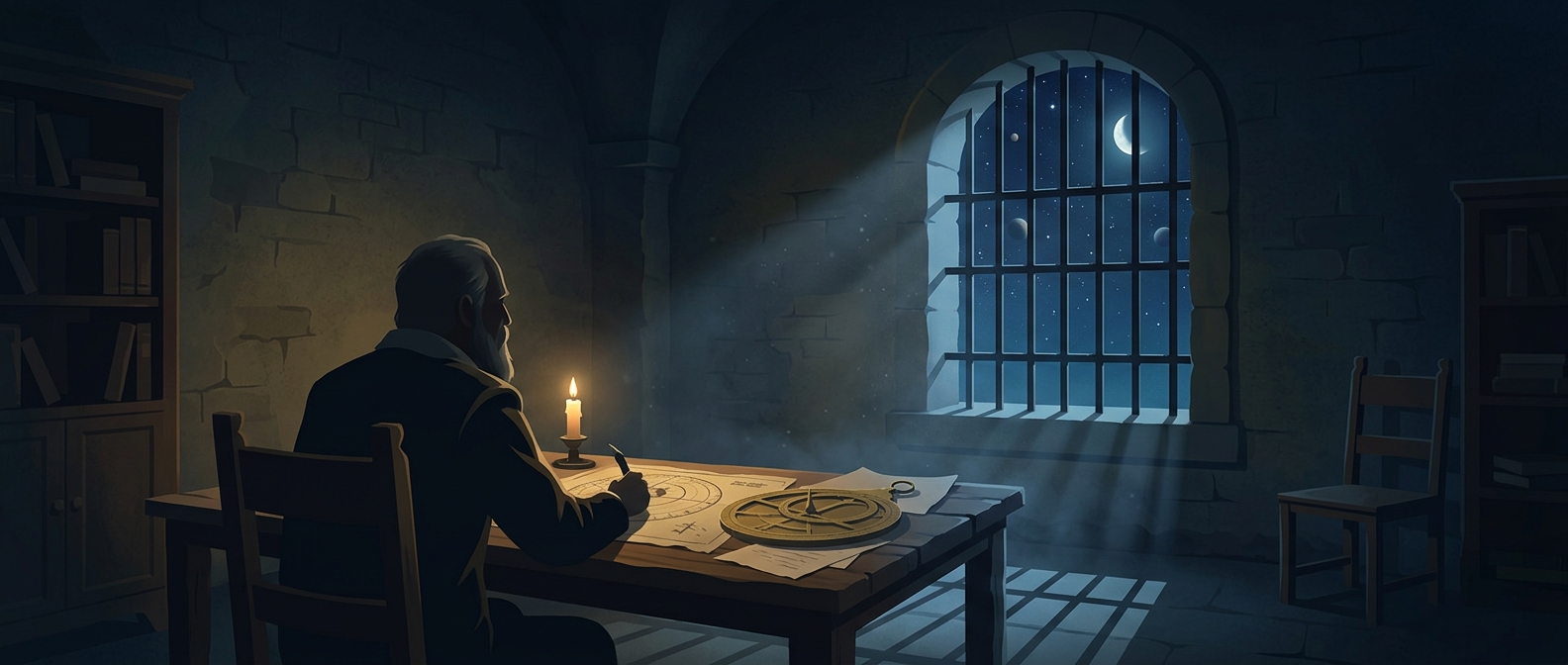
Galileo spent his final years trapped under house arrest
After the Church forced him to recant his view that Earth moves around the Sun, Galileo was confined to his villa for the rest of his life. The order could…
Discover more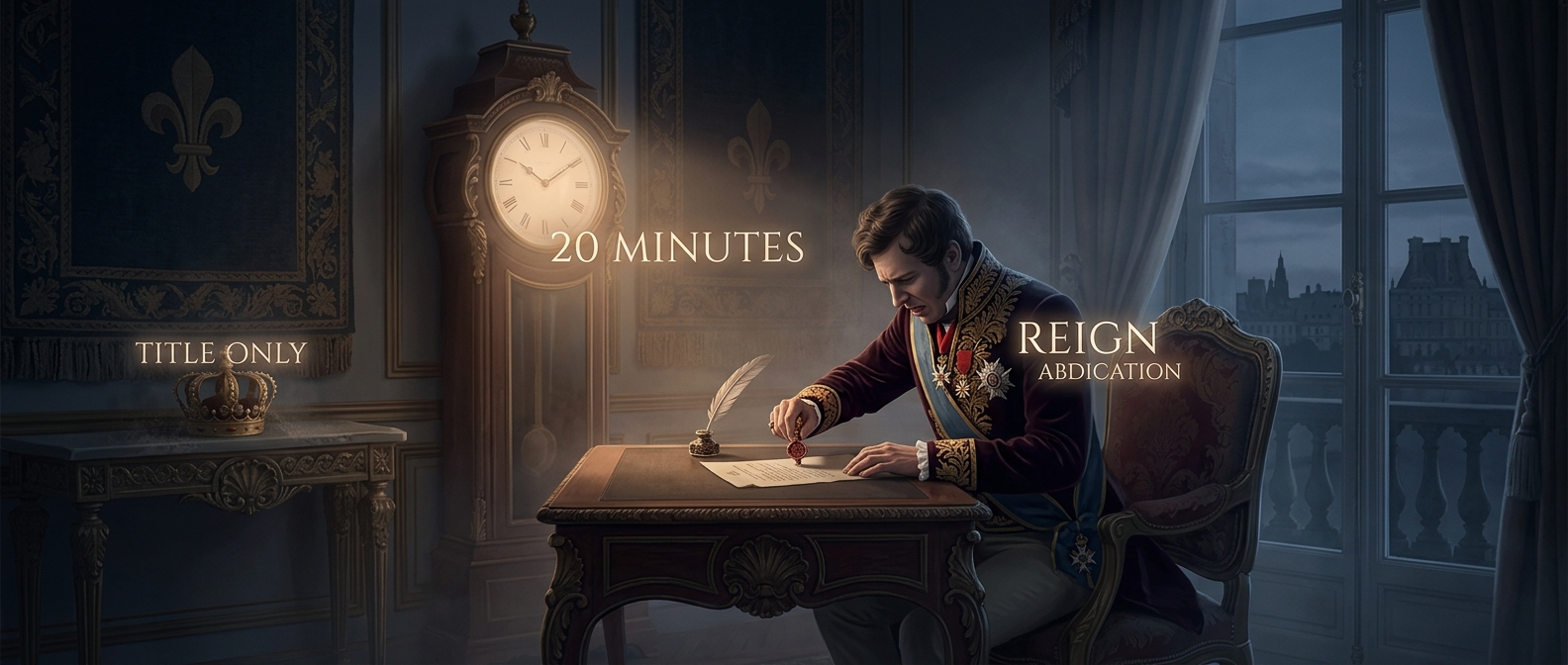
France's '20-minute king' comes down to two signatures
During the 1830 revolution, Charles X abdicated and his son Louis Antoine also renounced his claim. The interval between their signatures produced the famous…
Discover more
First synthetic plastic was made from plant cellulose
Early plastics such as celluloid were made from plant cellulose rather than petroleum. Celluloid was moldable and transparent, but highly flammable.
Discover more
How honeymoons began with abducted brides
The groom hid with his abducted bride until her family stopped searching, turning a forced disappearance into the ancestor of a romantic getaway. The original…
Discover more
Rice was first domesticated in the Pearl River Valley
Early farmers in China grew rice in flooded paddies, a labor-intensive way to cultivate a crop suited to wet conditions.
Discover more