History
Discover facts about history. Small discoveries that change the way you see familiar things.
History
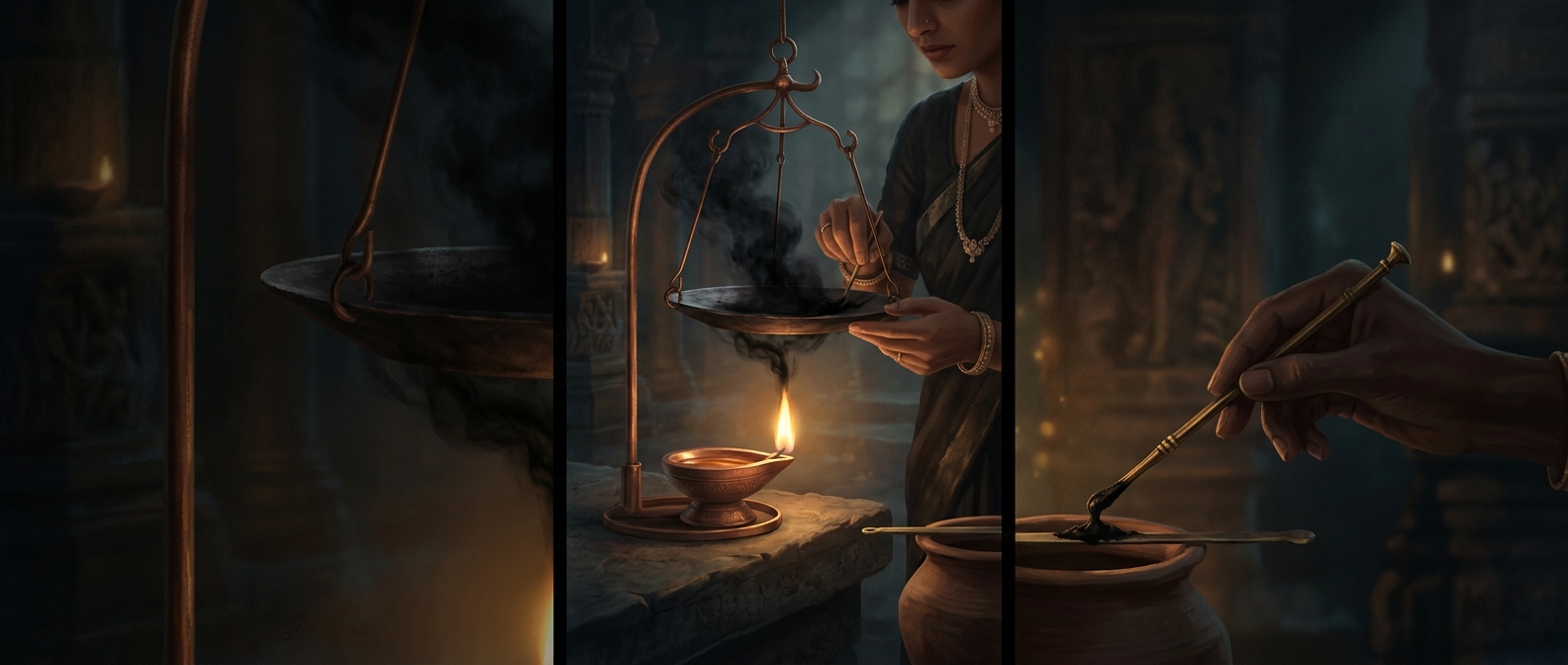
This eyeliner was made from lamp soot
An oil lamp did double duty: its soot was caught on a metal plate, then mixed with cooling pastes to make surma or kajal. The result was a dark cosmetic made…
Discover more
First topology problem involved crossing seven bridges
Euler ignored the streets and represented each landmass as a point, with each bridge as a connection. That stripped away distance and geometry—and showed that…
Discover morePaul Erdős traveled with almost nothing
He traveled with a tiny suitcase, stayed with fellow mathematicians, and relied on them for food and clothes while working up to 19 hours a day.
Discover more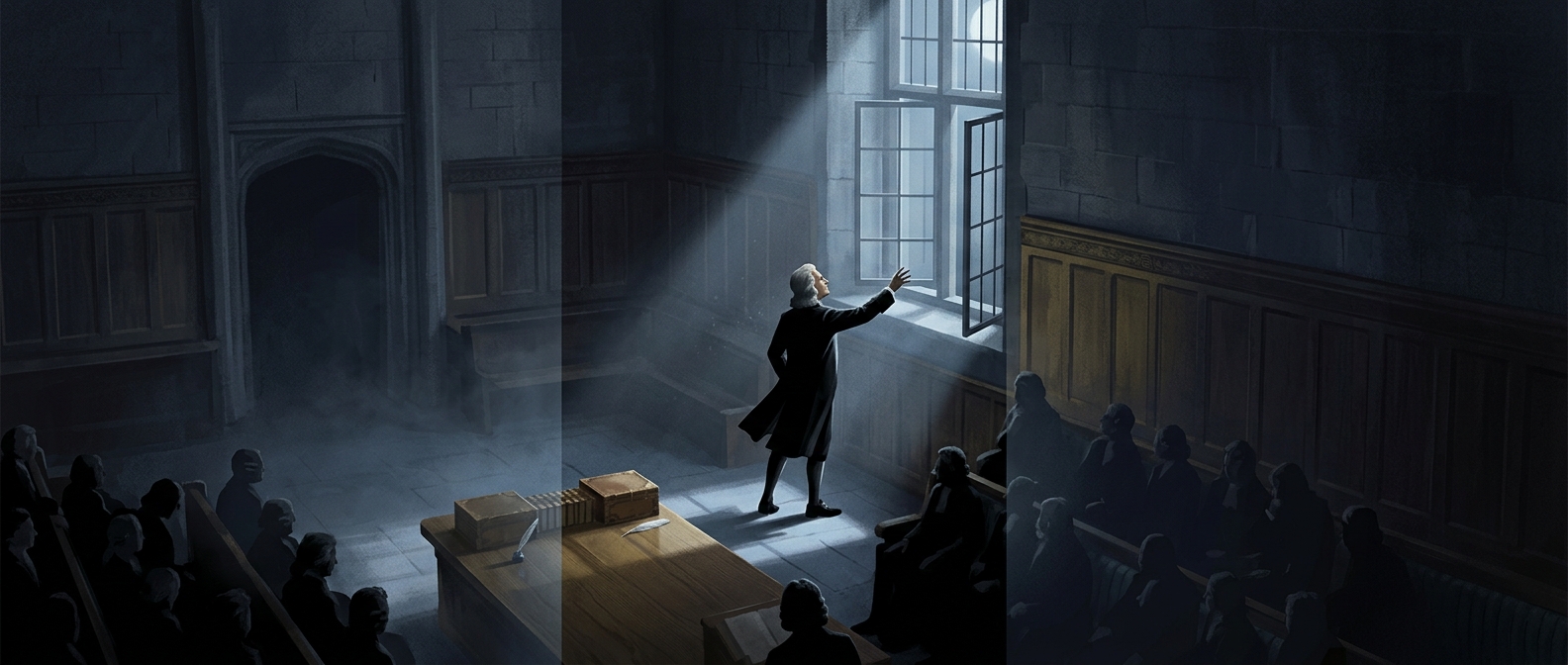
Newton left administrative paperwork as well as laws of motion
Alongside mathematics and physics, his surviving writings include records from his work as Warden and Master of the Mint. The Newton Project also publishes…
Discover more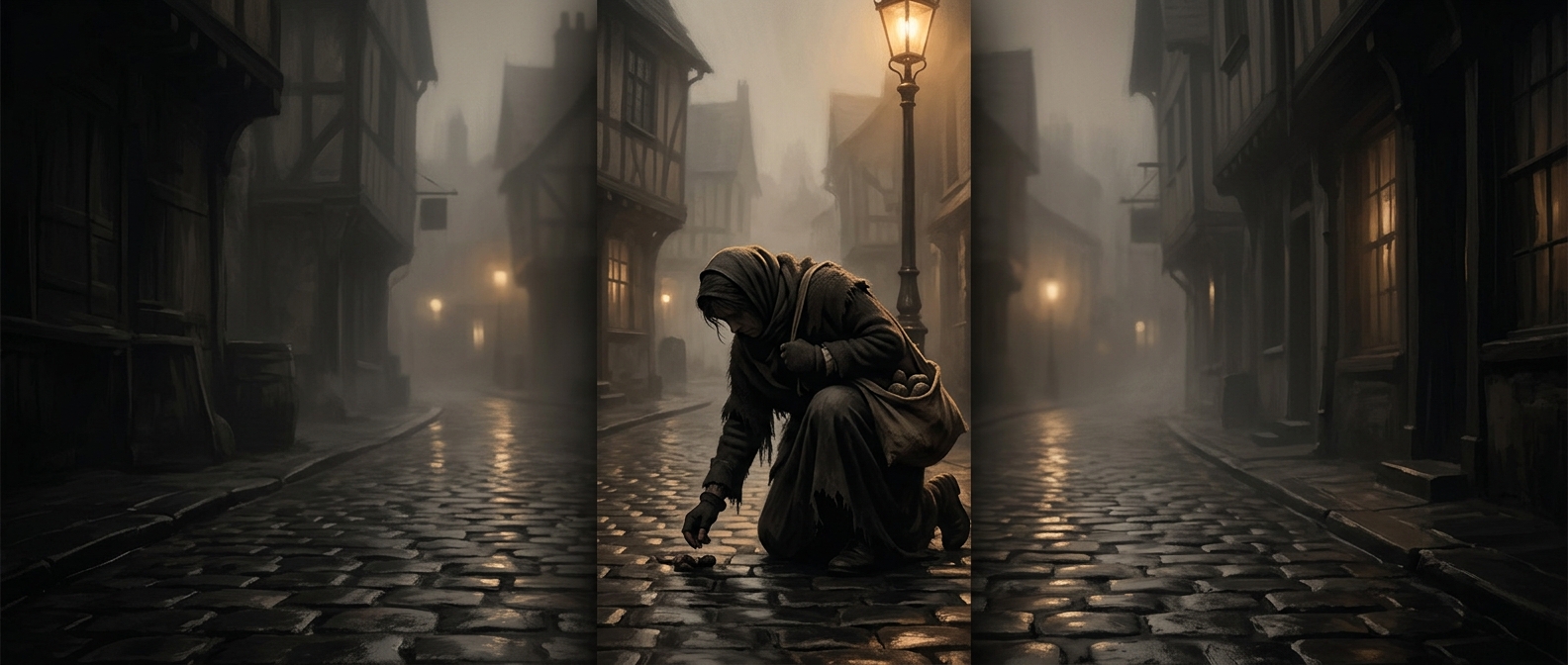
Why people once collected dog poop for tanneries
Leather makers needed dog dung to soften hides, so “pure finders” scoured the streets for it and sold it for a few coins. The prized material was collected in…
Discover more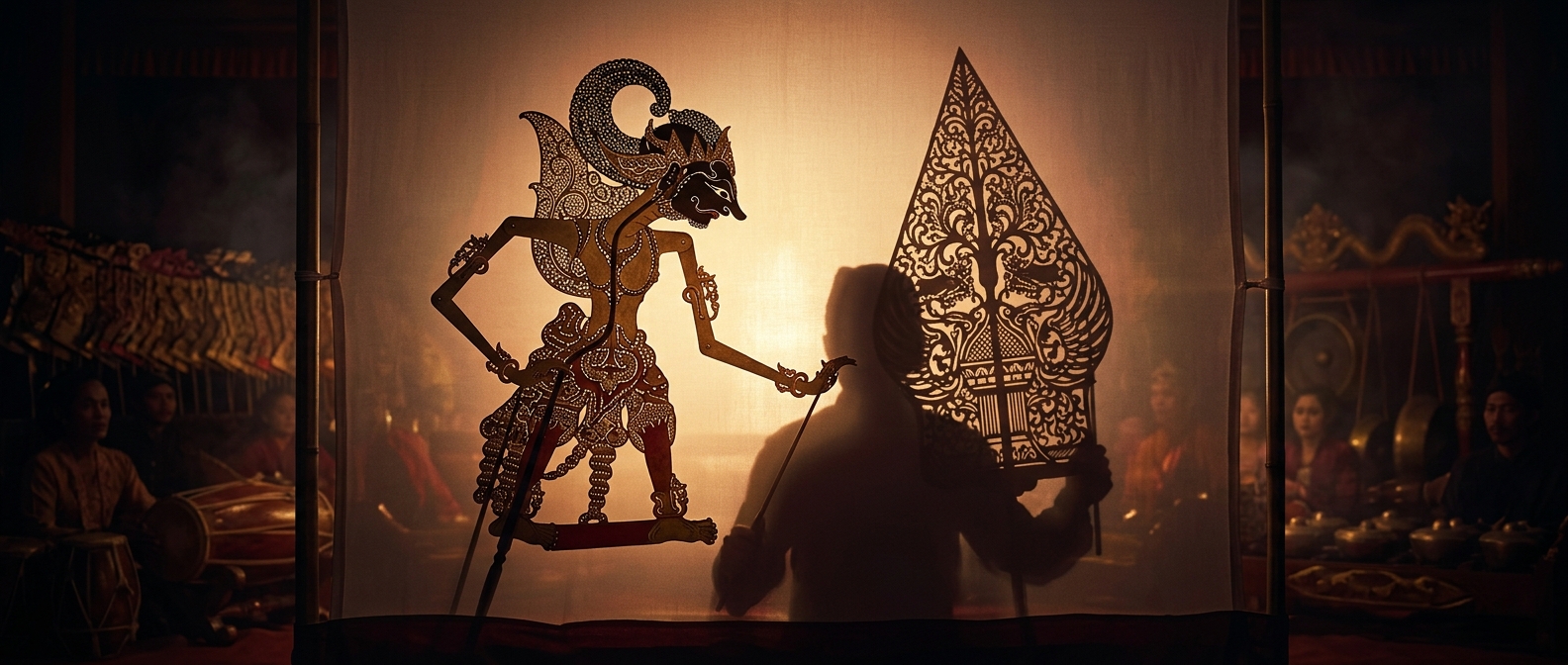
Indonesian shadow puppets skip the third dimension
Intricately perforated buffalo-hide figures stay flat; an oil lamp throws their elaborate shadows onto a screen.
Discover more STACKY FOR IPHONE
A bigger world.
One discovery
at a time.
Keep discovering with Stacky. Interesting facts in an app that is always within reach.

Early copyright laws only protected authors for a decade
Early copyright gave authors a temporary monopoly, often for about a decade, before their work entered the public domain. Today, copyright can last nearly a…
Discover more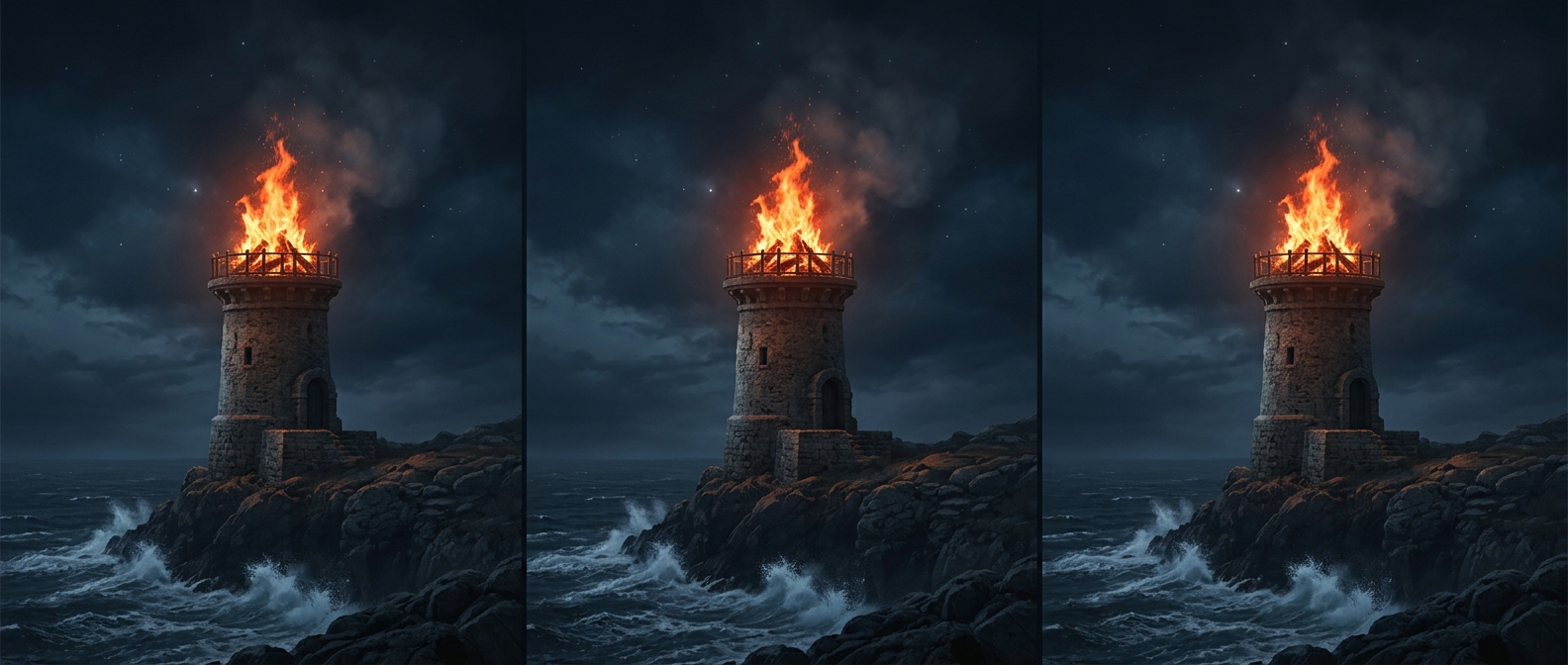
When lighthouses burned wood to guide ships
Before electric lights, a lighthouse depended on a fire burning high above the rocks. Keepers hauled coal and timber up narrow, winding stairs to keep that…
Discover more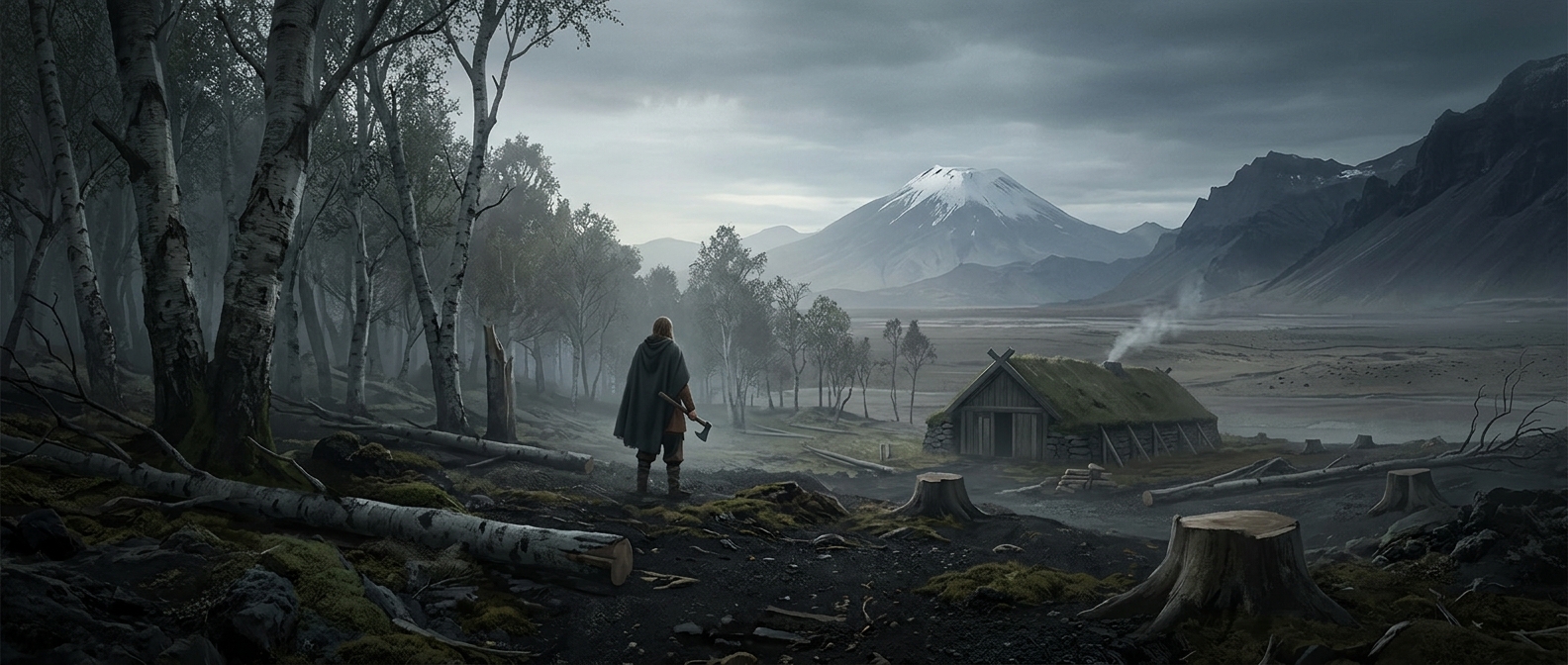
How Iceland lost most of its forests
Norse settlers cut birch for fuel and cleared land for pasture. Without tree cover, Iceland's thin soil eroded in the wind and weather; making room for farms…
Discover more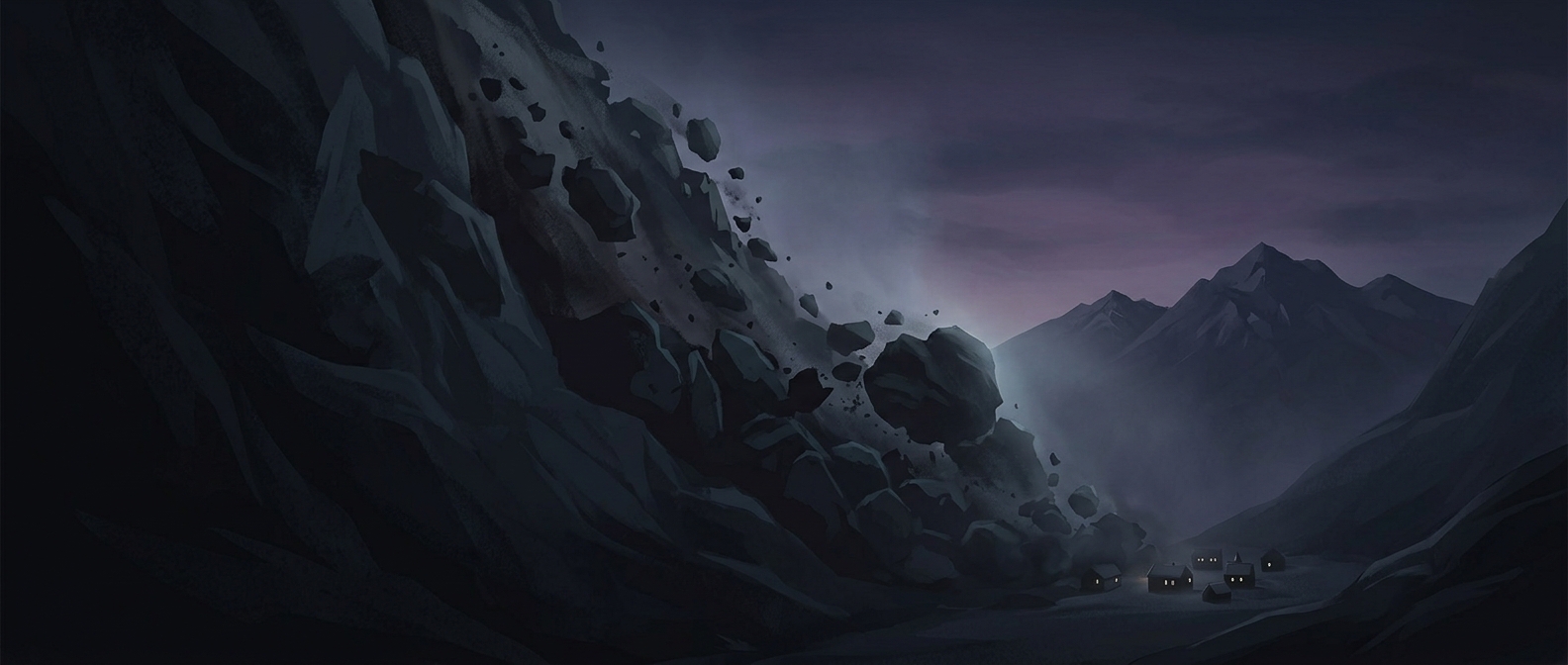
A mountain buried part of Frank in roughly 90 seconds
In 1903, about 30 million cubic meters of rock fell from Turtle Mountain in Alberta, covering homes and railway tracks. An estimated 70 to 90 people died.…
Discover more
Chinese astronomers actively recorded a supernova
In 1054, they recorded a “guest star” that remained visible in the daytime for nearly a month.
Discover more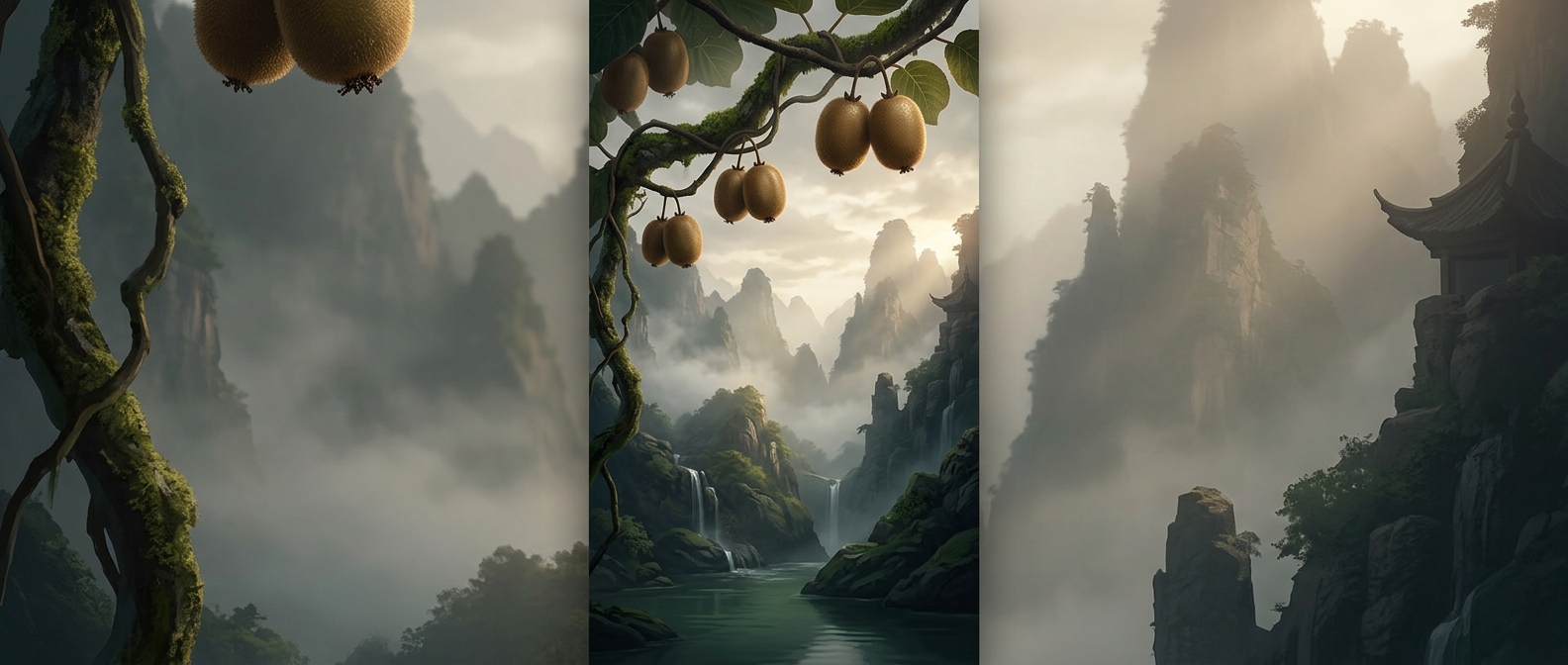
Kiwifruit originated in mountainous Chinese forests
Long before New Zealand growers turned it into a global crop, kiwifruit grew wild in China’s rugged mountain forests. Its original home was far from the…
Discover more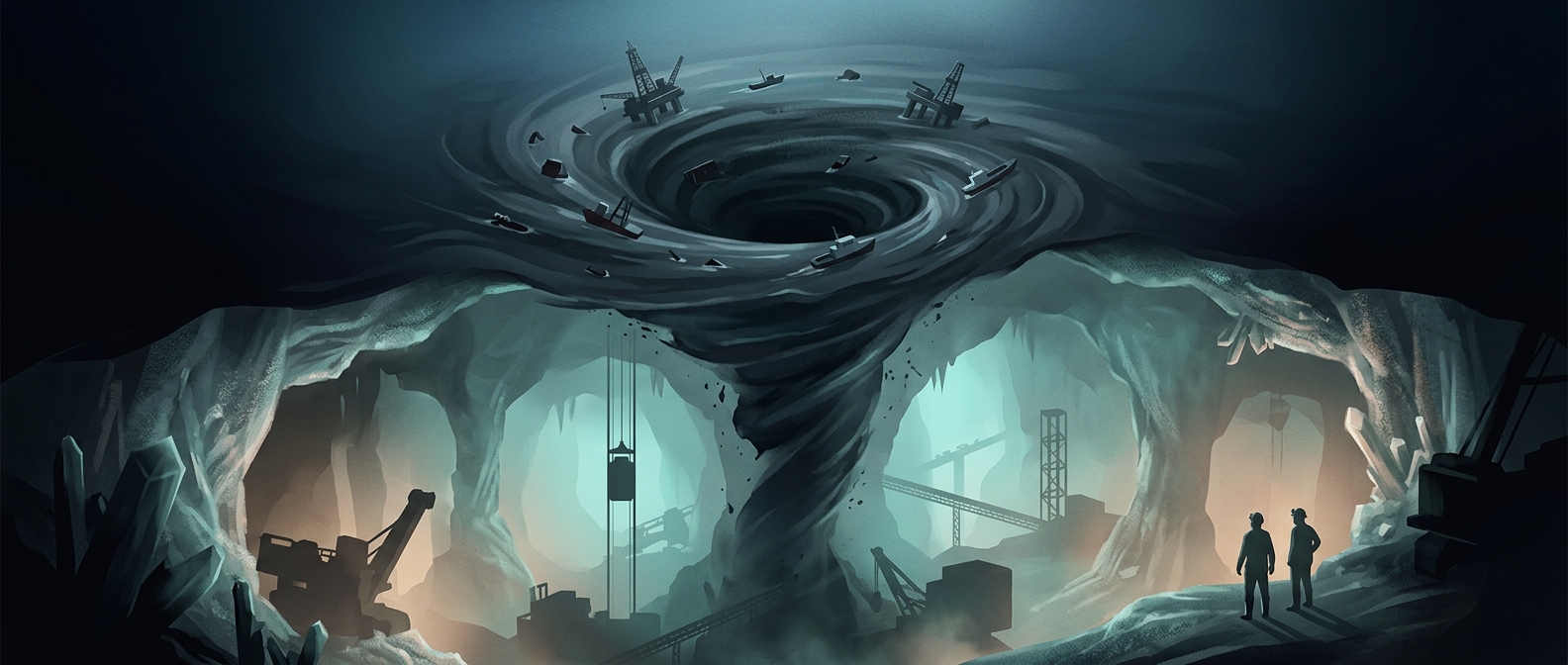
A drilling accident turned a lake into a giant drain
In 1980, drilling at Louisiana's Lake Peigneur breached a salt mine beneath it. Water rushed underground, enlarging the opening and drawing boats and…
Discover more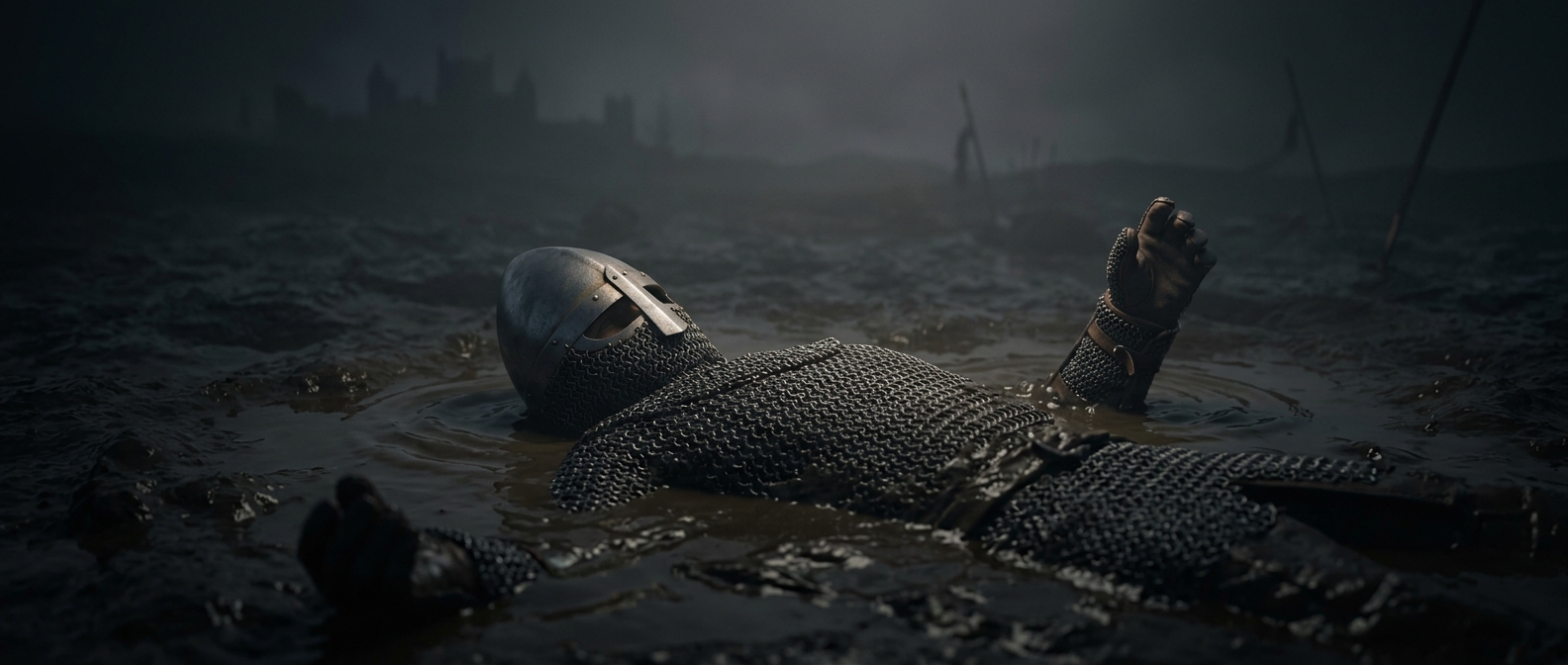
When armor turned a fall into a death trap
Armor could protect a knight while he was standing; after a fall in mud, 50–60 pounds of metal made getting up—and sometimes breathing—much harder. The same…
Discover more
Chinese bamboo seating adapts to brutal summer heat
Tightly woven bamboo or rattan lets air pass through instead of trapping heat and moisture against the body, making it cooler than upholstered seating in…
Discover more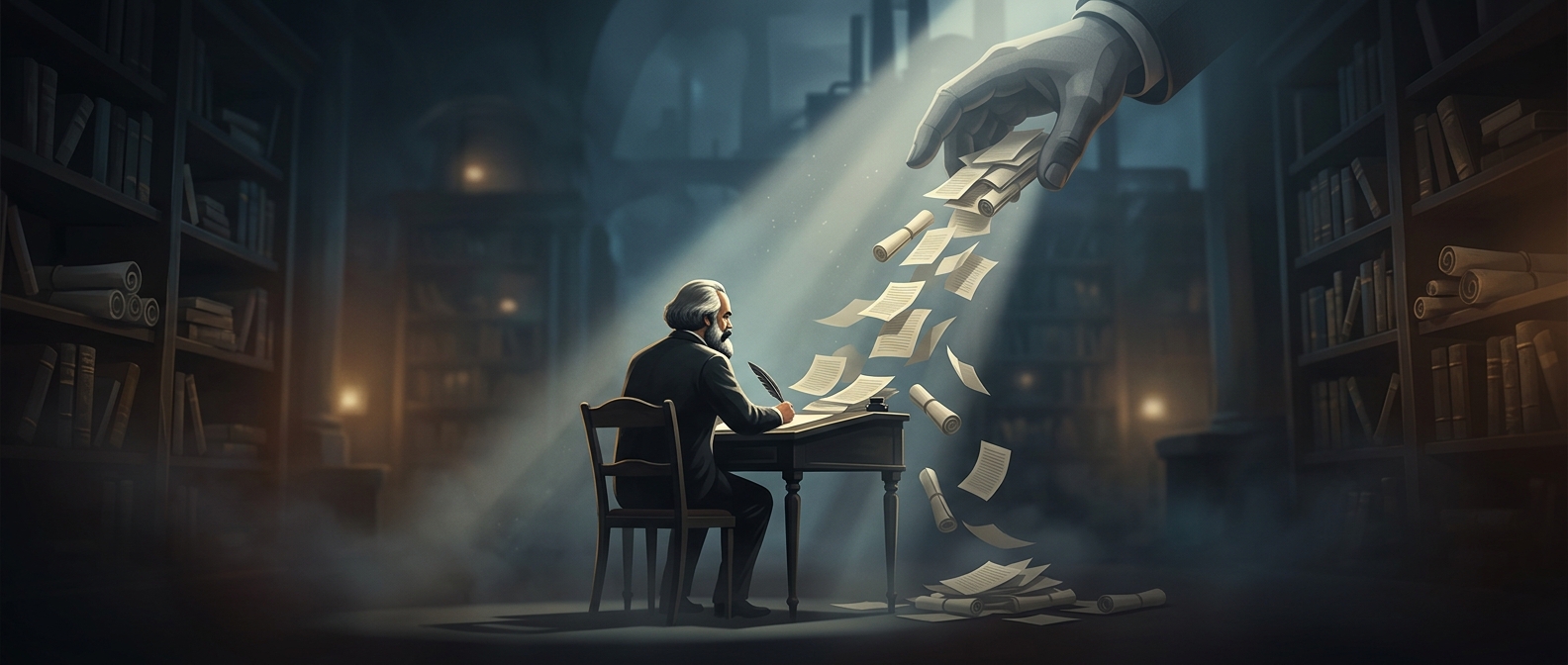
Karl Marx earned a living writing for a capitalist newspaper
While living in London, Marx worked as a European correspondent for the New York Daily Tribune from 1851 to 1862. He and Friedrich Engels supplied hundreds of…
Discover more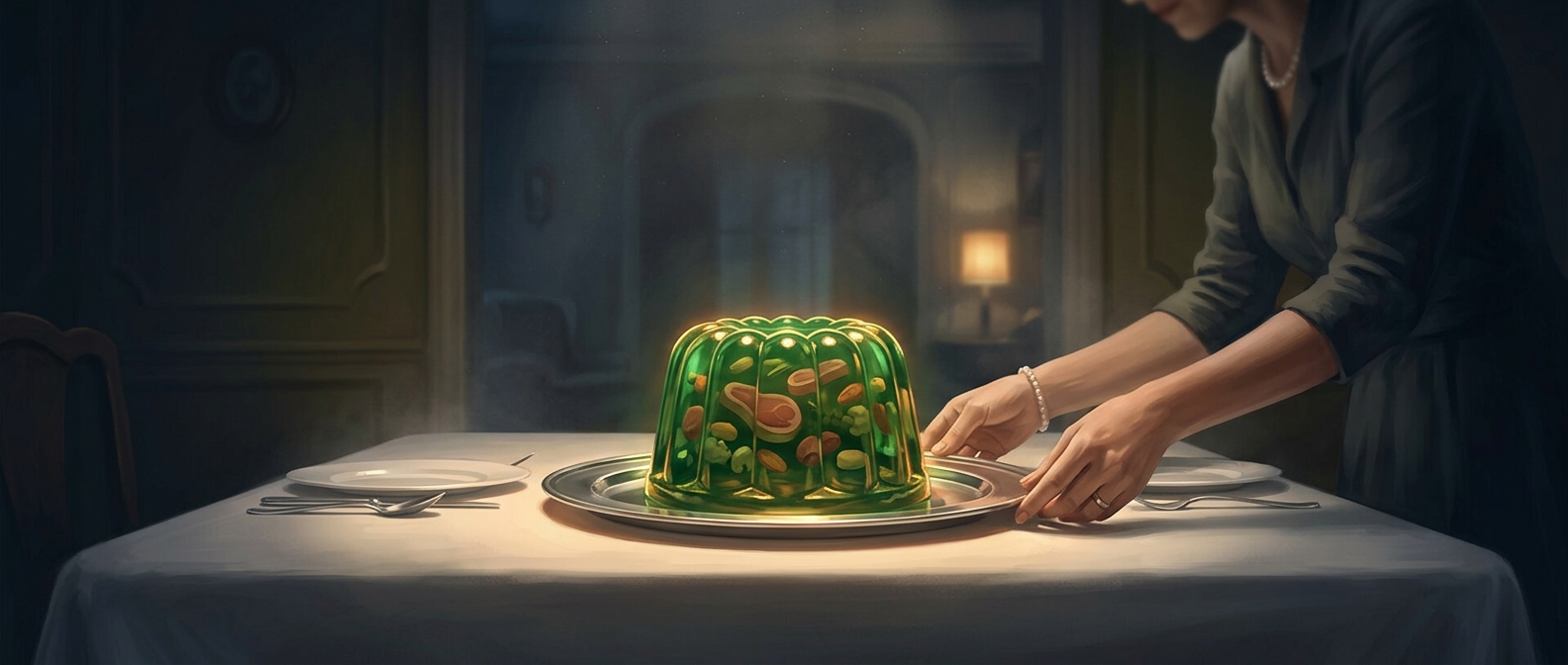
Why 1950s meals were set in gelatin
Hosts molded tuna, hot dogs, and canned vegetables into gelatin rings to make familiar ingredients look like a polished centerpiece. The result was dinner…
Discover more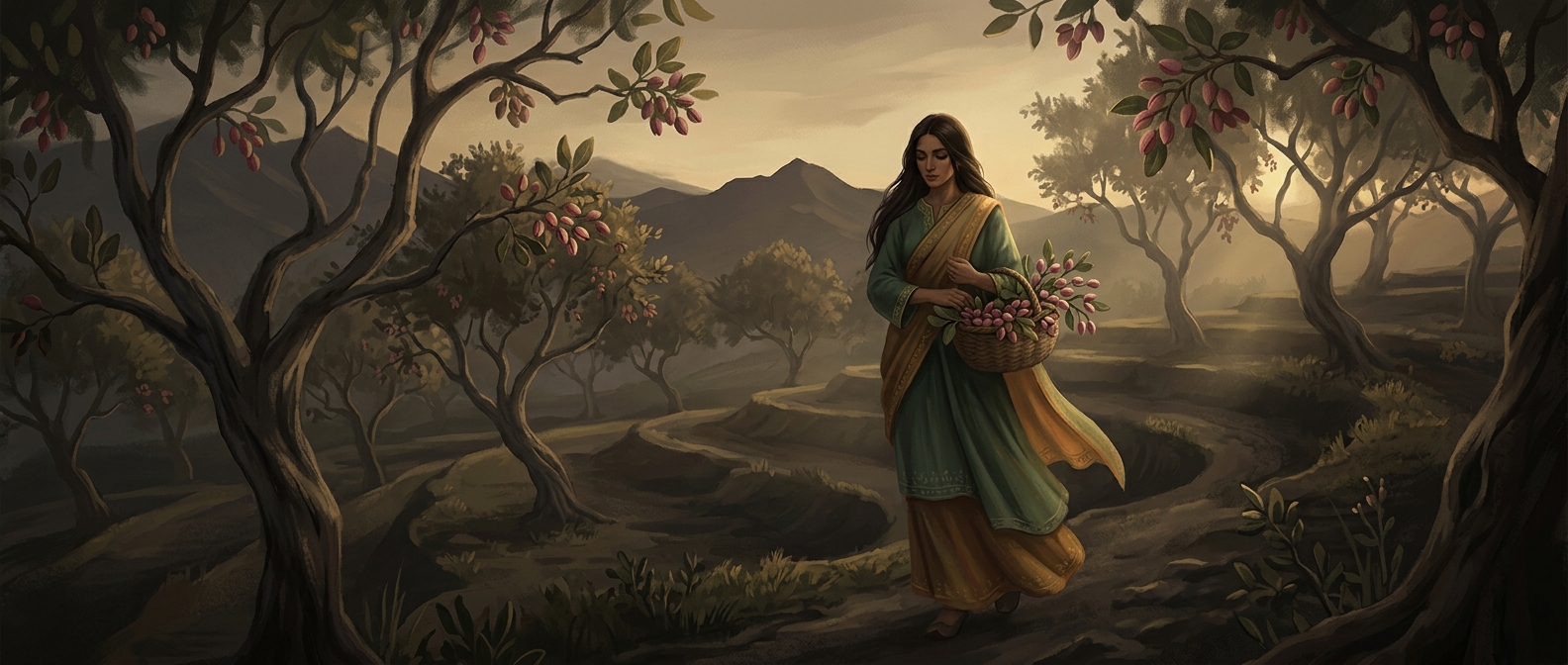
Pistachio trees were cultivated in Central Asia
Pistachios were cultivated in Central Asia. Their rigid shells can make getting to the small green nut a battle with your fingernails.
Discover more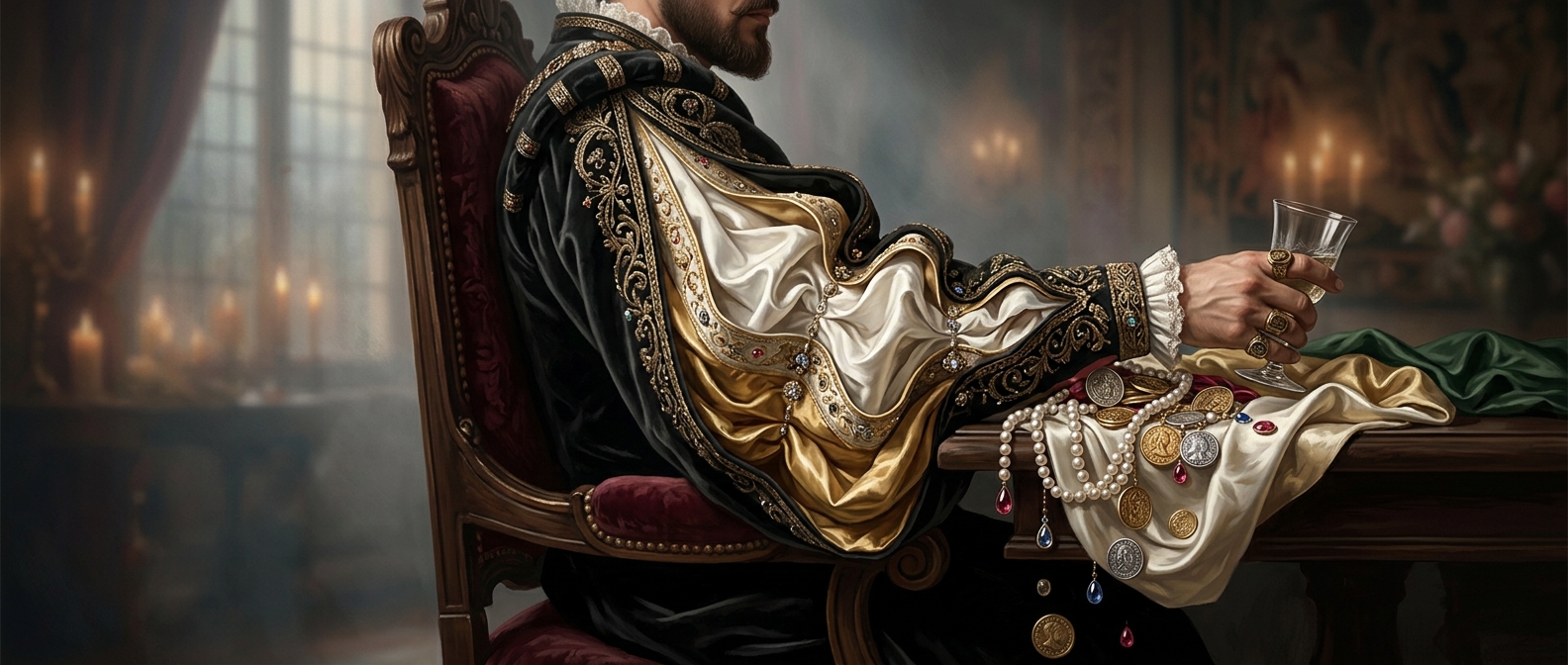
Why nobles cut their clothes to show off
Slashing an expensive outer garment exposed the costly layer beneath. The damage was the display: a wearable way to show you could afford to ruin good clothes.
Discover more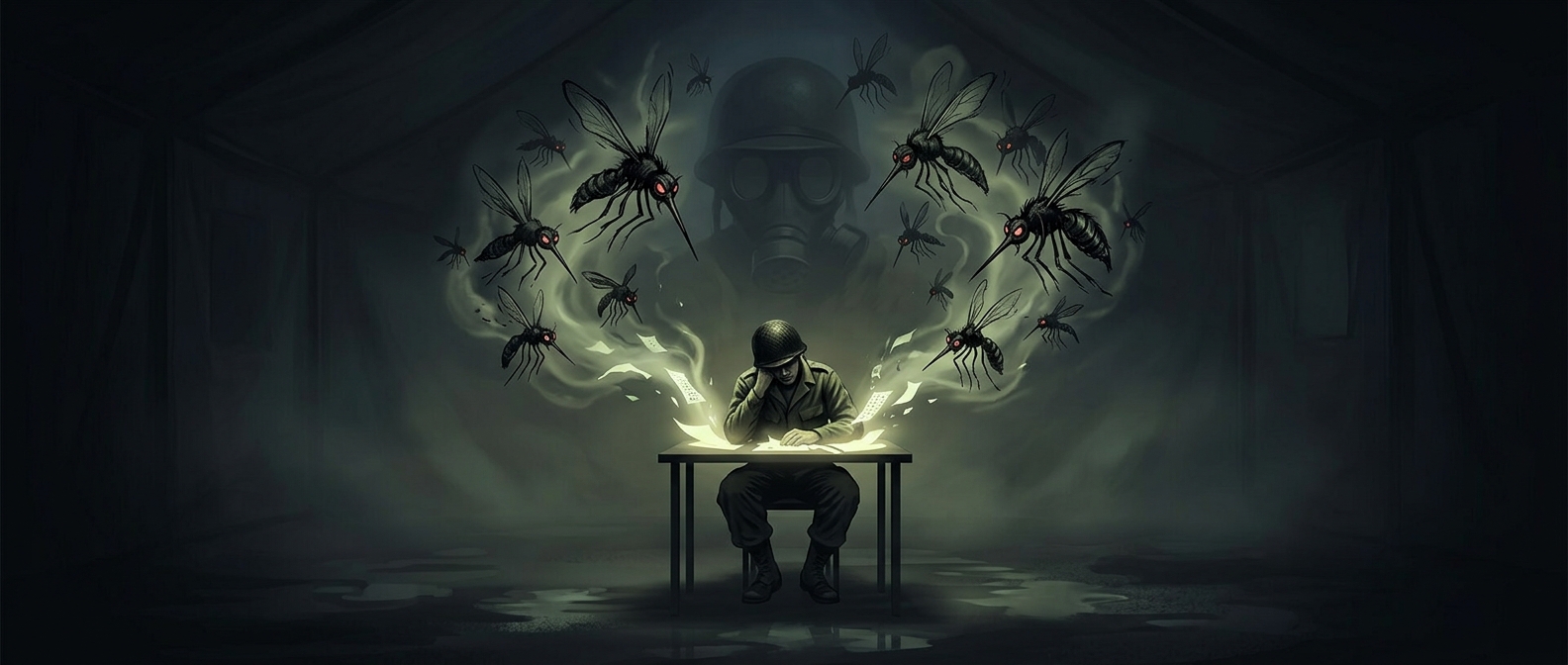
Dr. Seuss also made wartime instruction films
Theodor Geisel already had children's books in print when he joined the US Army during World War II. He worked on training and propaganda films, including…
Discover more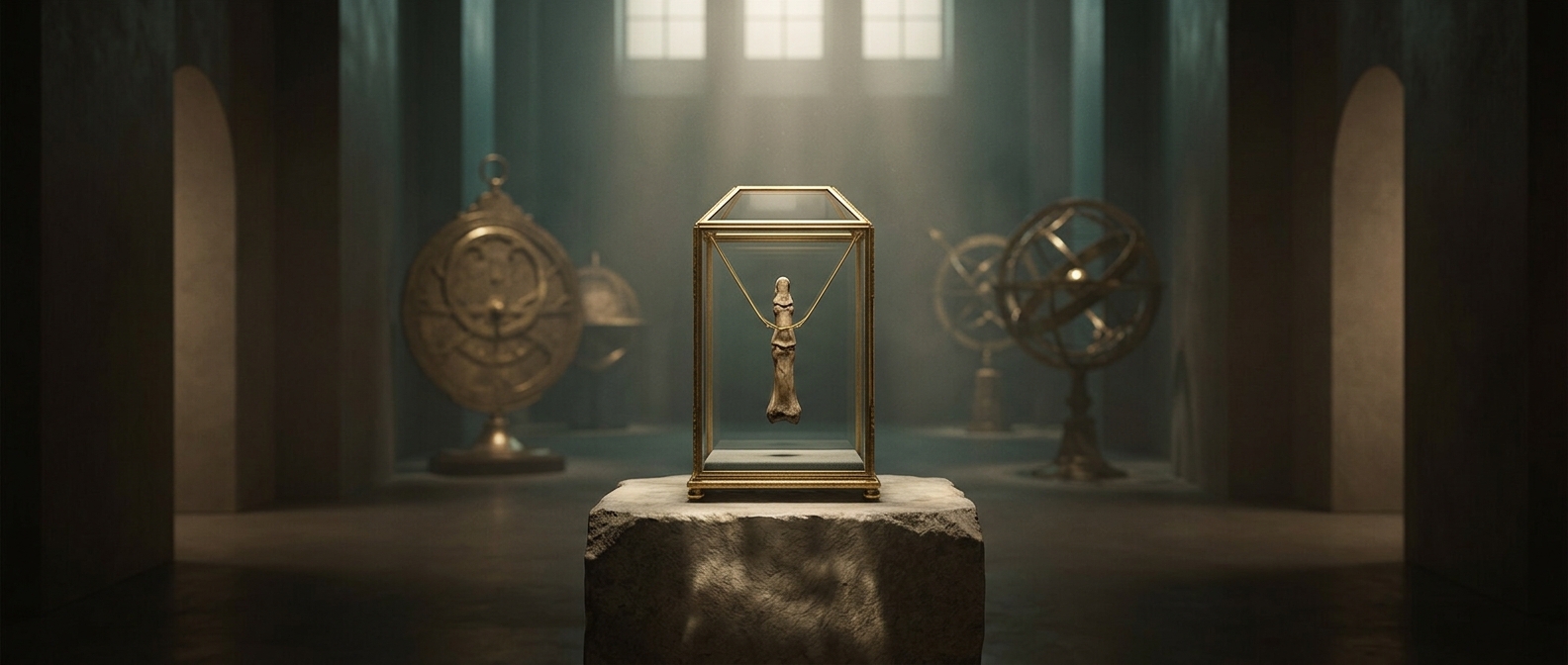
Galileo's middle finger is on display
When admirers moved Galileo’s remains nearly a century after his death, they took three fingers as relics. His middle finger now stands upright in a crystal…
Discover more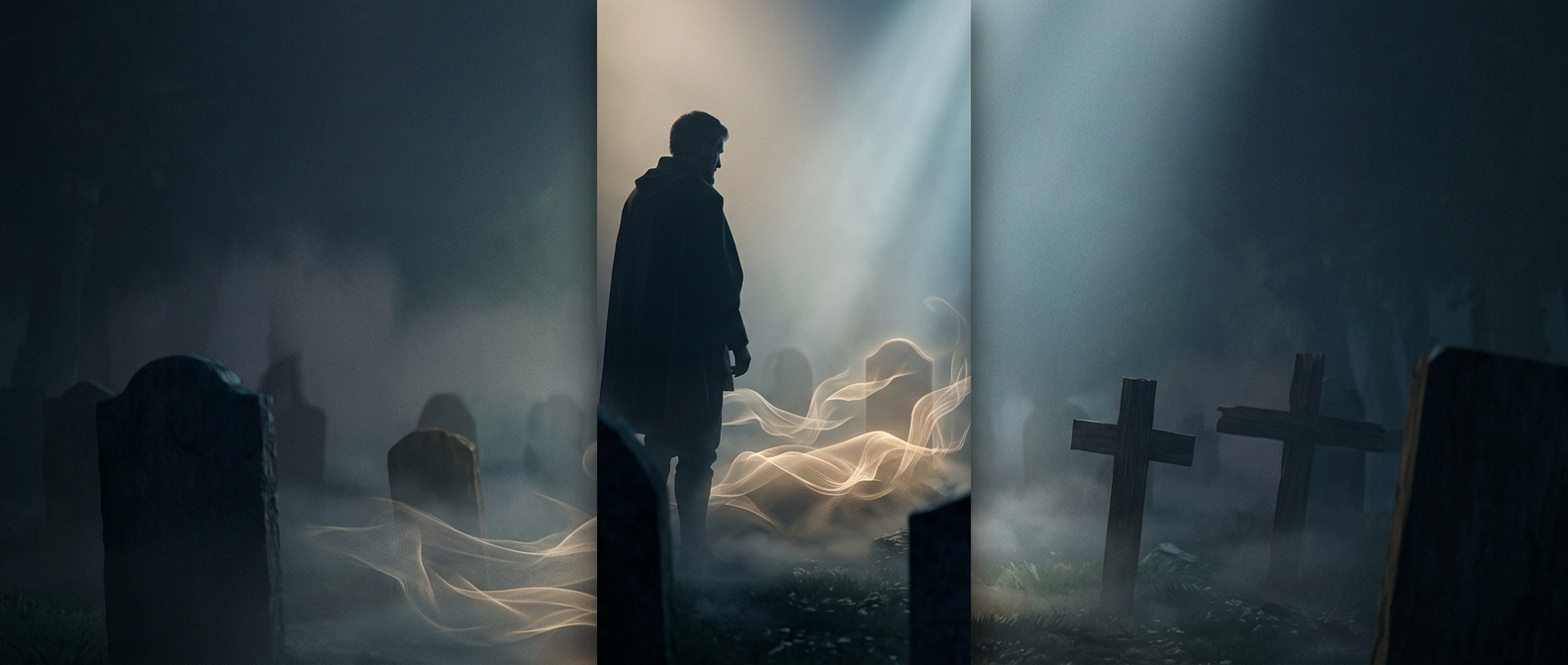
When English law required bodies to be buried in wool
Parliament wanted to support English wool, so in 1666 it required burial shrouds to be made of pure English wool. Even funerals became a guaranteed market for…
Discover more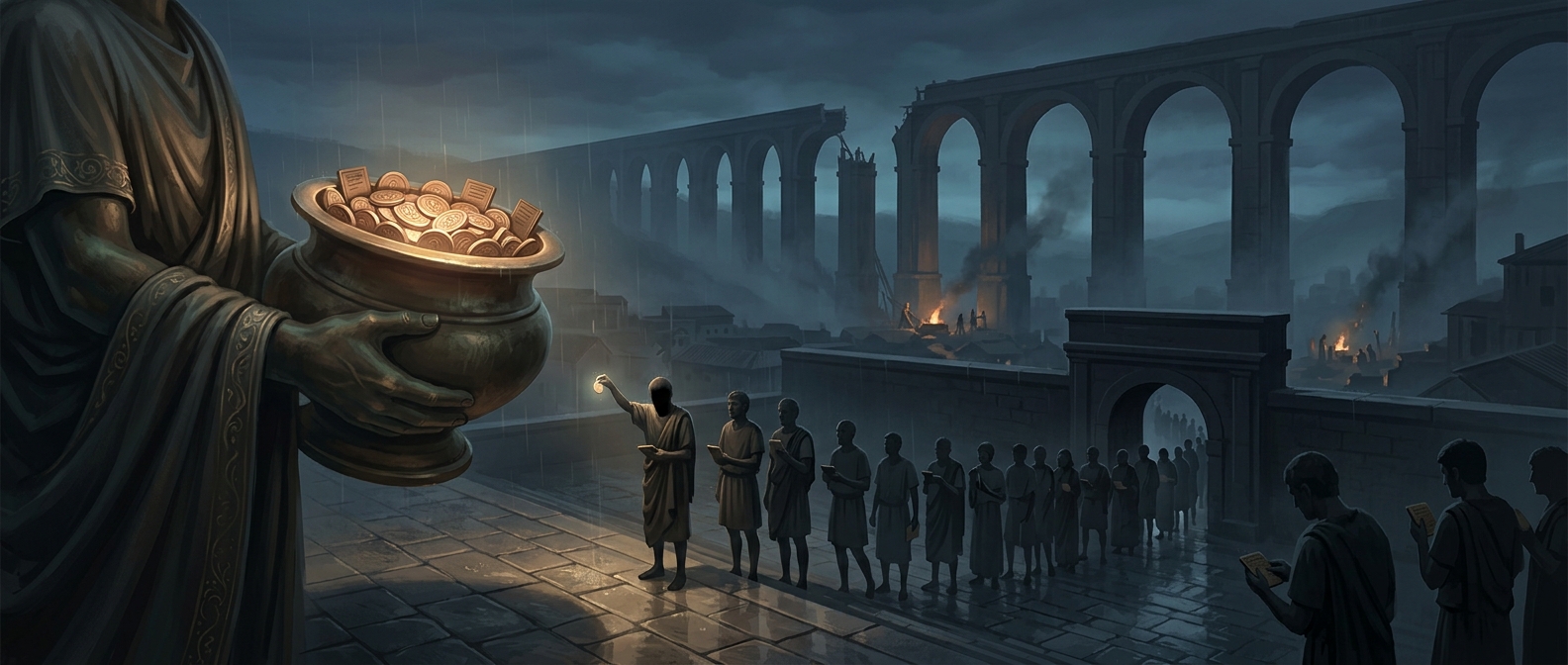
Augustus made dinner guests gamble on mystery prizes
According to Suetonius, the emperor auctioned tickets for items of wildly different values and paintings displayed with their backs facing the guests.…
Discover more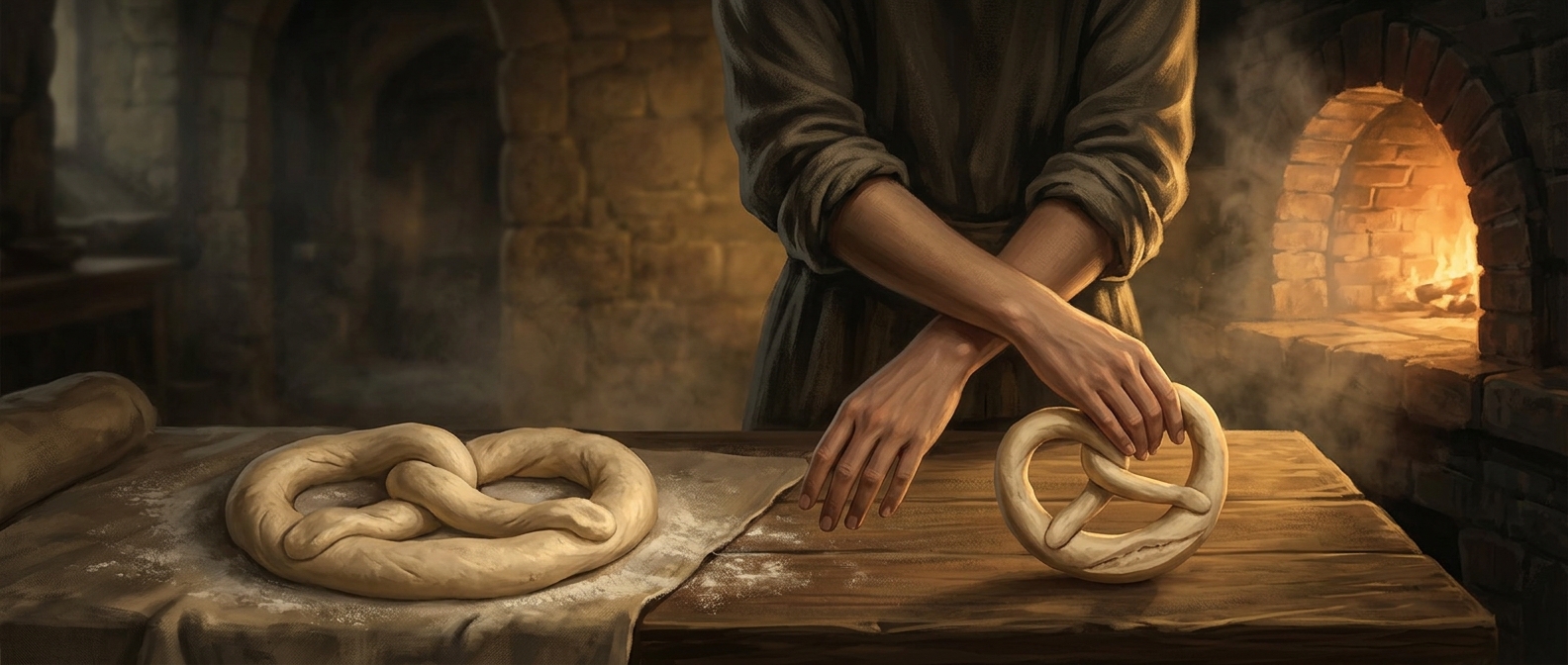
A pretzel's crossed arms come with a monk's legend
One traditional origin story says monks shaped the dough like arms folded in prayer and rewarded children with it. The exact invention story is uncertain, but…
Discover more