History
Discover facts about history. Small discoveries that change the way you see familiar things.
History
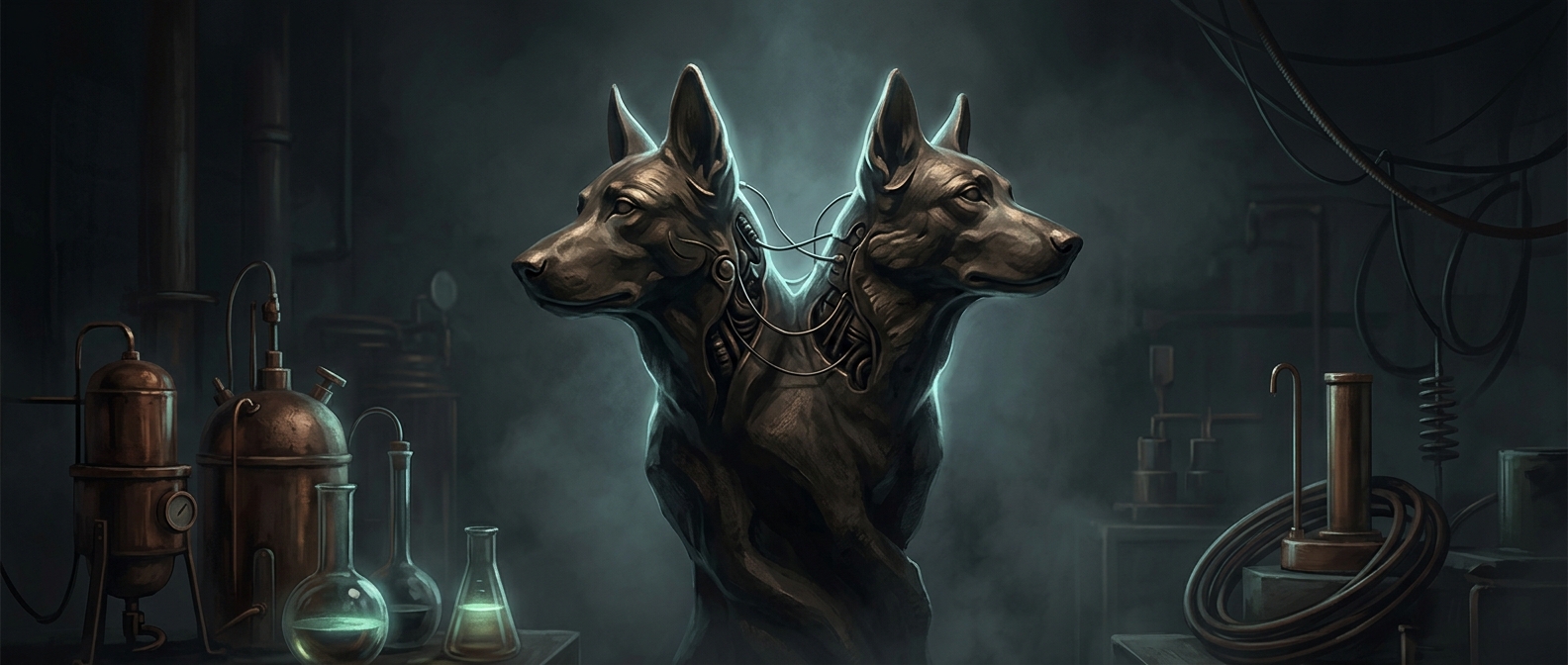
The Soviet experiment that created a two-headed dog
To study transplantation, surgeon Vladimir Demikhov grafted a puppy’s head and forelegs onto an adult German shepherd. The two-headed dog lived only several…
Discover more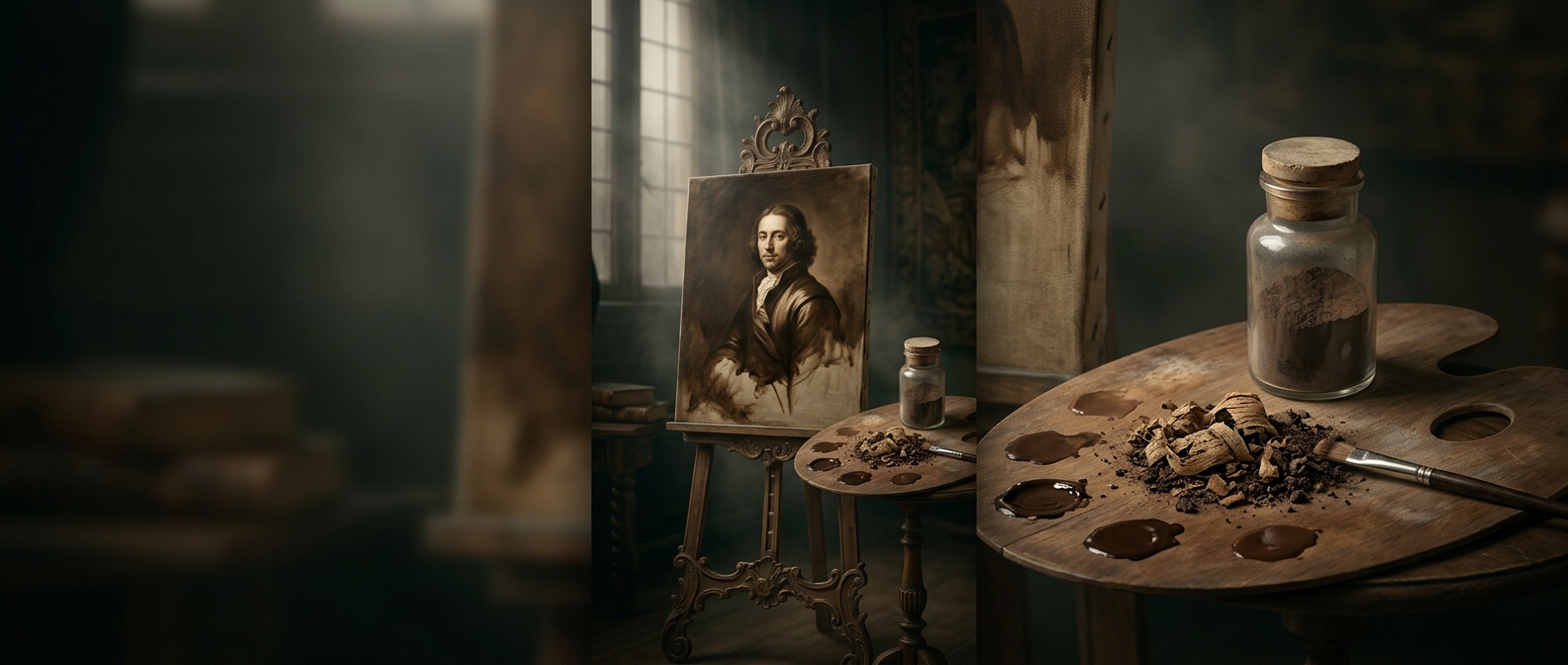
Some famous art was painted with Mummy Brown
The pigment’s name was literal: artists ground human and cat mummies into powder, then mixed it with white pitch and myrrh. The recipe faded from use by the…
Discover more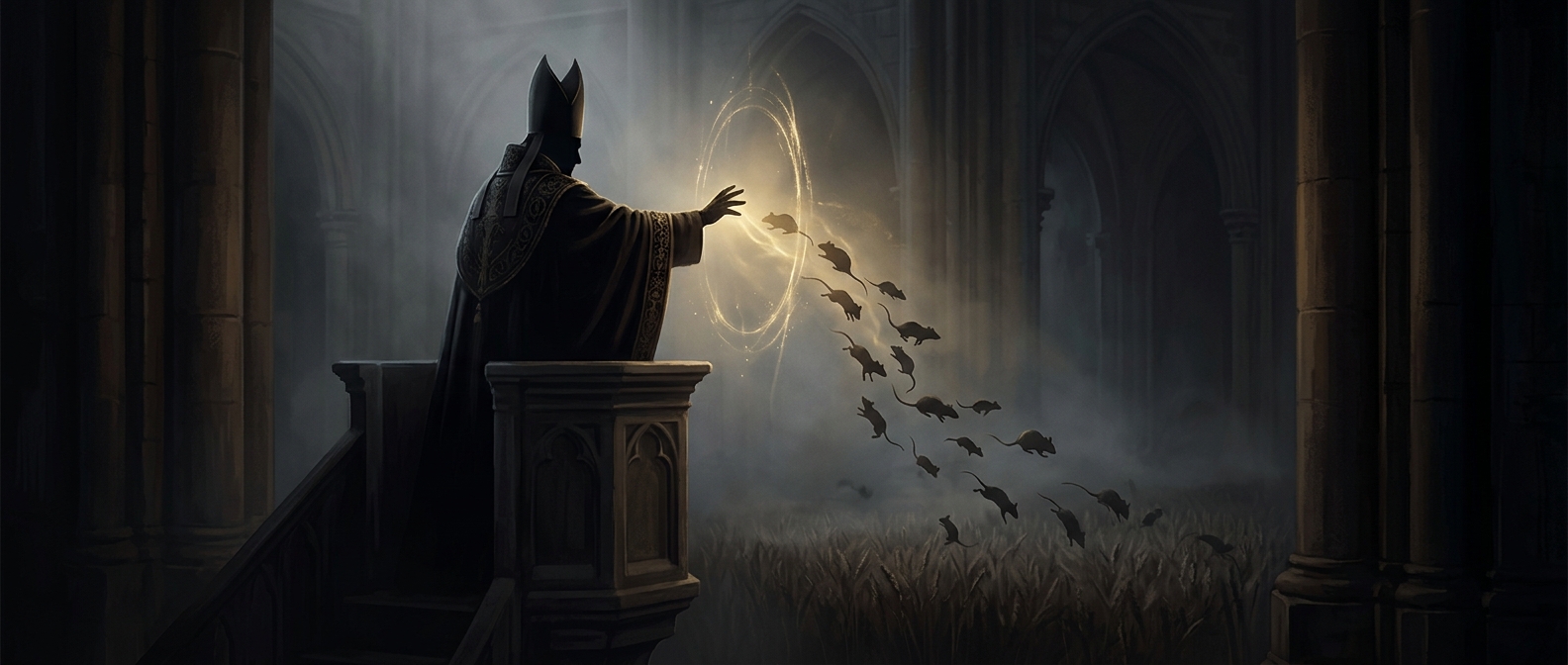
The Church once excommunicated mice and rats
When rodents damaged crops, church courts responded with formal trials and excommunications. The legal machinery could condemn the mice and rats, but it…
Discover more
The Maya Haab' calendar leaves five days outside its regular months
Eighteen months of twenty days make 360; the five-day Wayeb' completes the 365-day cycle. Historical accounts associate this interval with danger, while Maya…
Discover more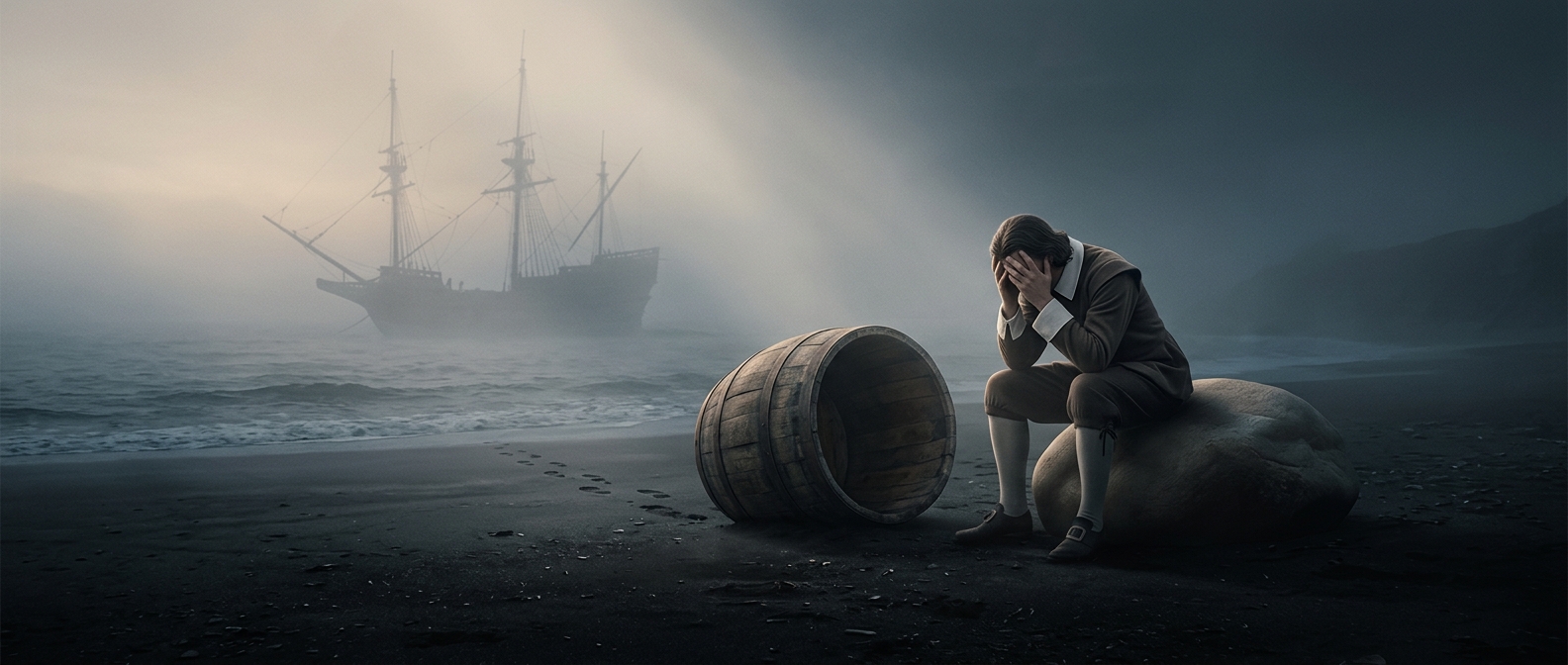
The Mayflower’s beer supply helped shape a landing decision
A contemporary account cited dwindling provisions, “especially our beer,” when explaining why the passengers could not keep searching for a settlement site.…
Discover more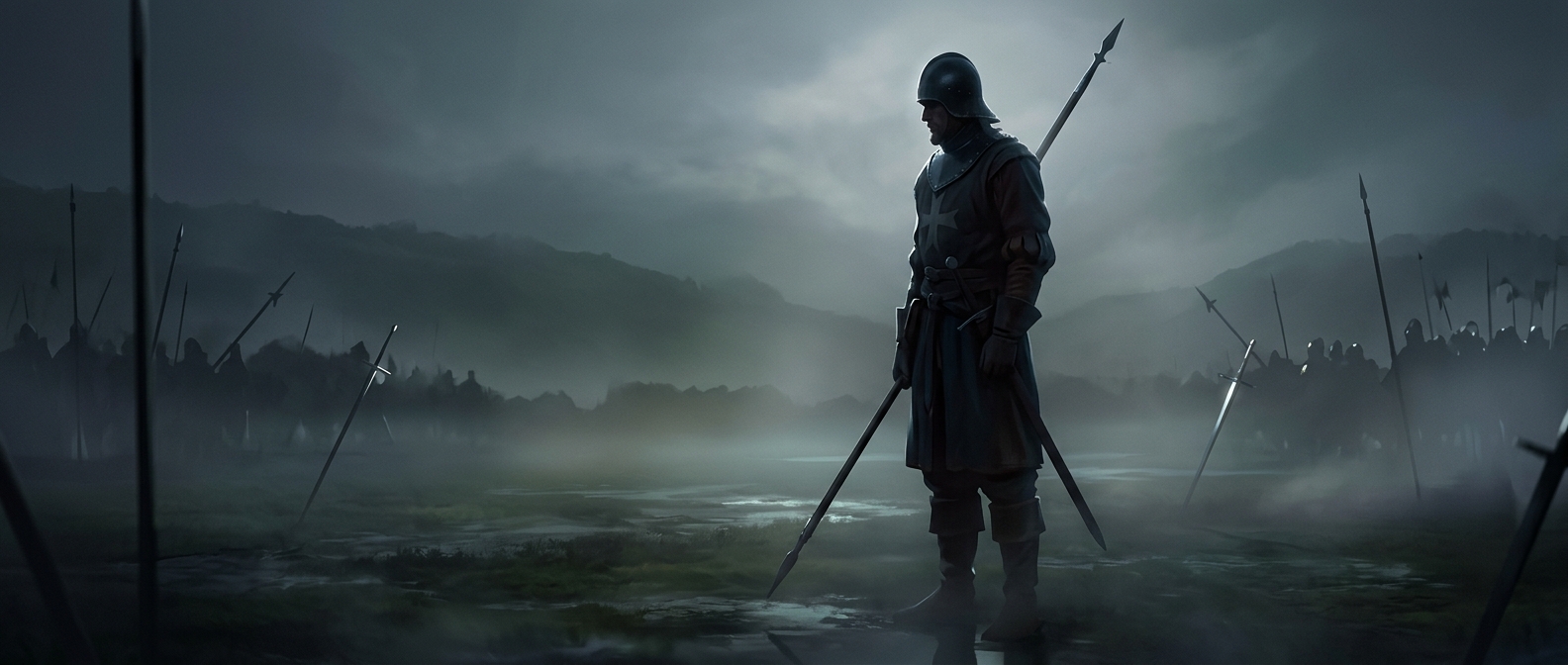
Swiss mercenaries were the most feared soldiers in Europe
Swiss mercenary companies were prized for disciplined formations and battlefield effectiveness. Monarchs across Europe hired them rather than trust victory to…
Discover more STACKY FOR IPHONE
A bigger world.
One discovery
at a time.
Keep discovering with Stacky. Interesting facts in an app that is always within reach.

Teotihuacan was laid out by the stars
Builders aligned Teotihuacan's layout with astronomical events, making knowledge of the night sky useful for finding your way through the city. In…
Discover more
French nobles had to dress expensively by law
Sumptuary laws made rank visible by limiting who could wear which fabrics. Nobles also faced pressure to look wealthy, so the rules meant keeping up…
Discover more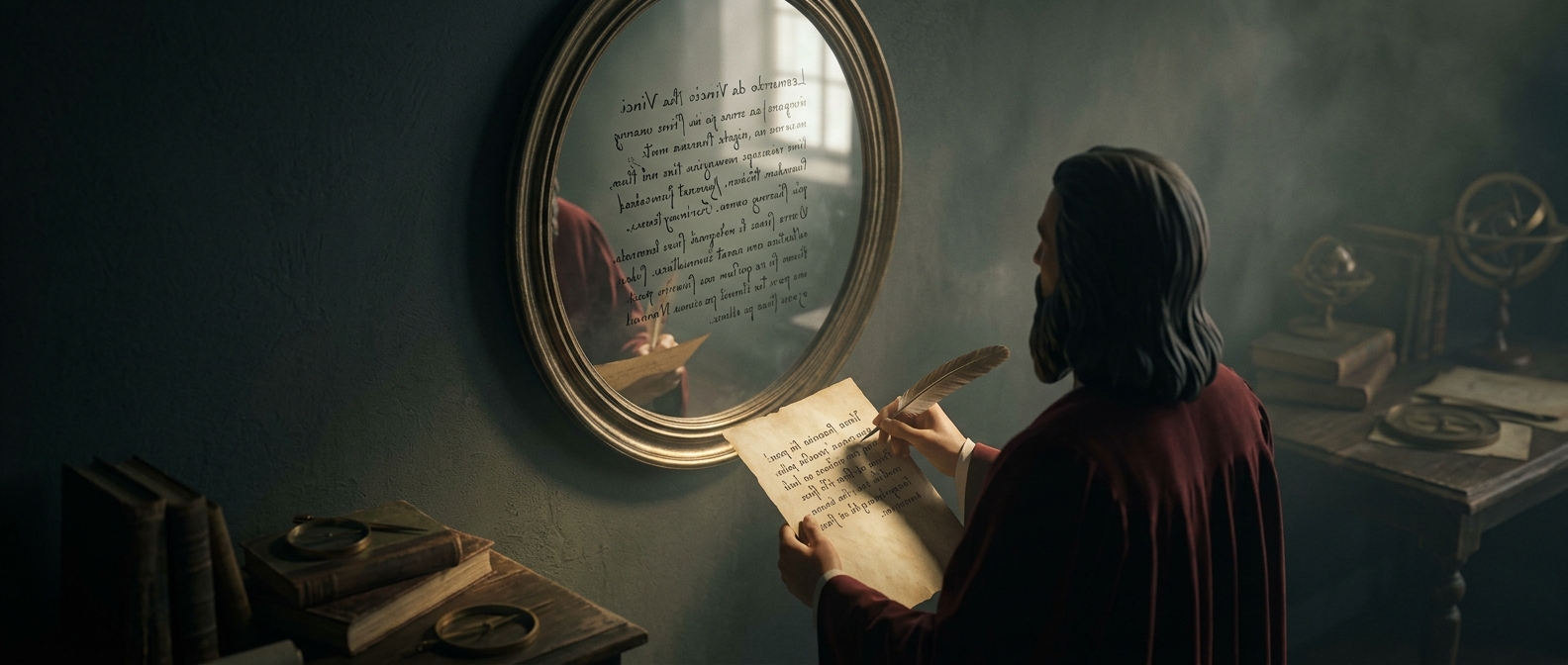
Leonardo's notes often needed a mirror to read normally
He wrote many passages right to left, reversing the letters as well as the direction of the line. Being left-handed may help explain why this was comfortable,…
Discover more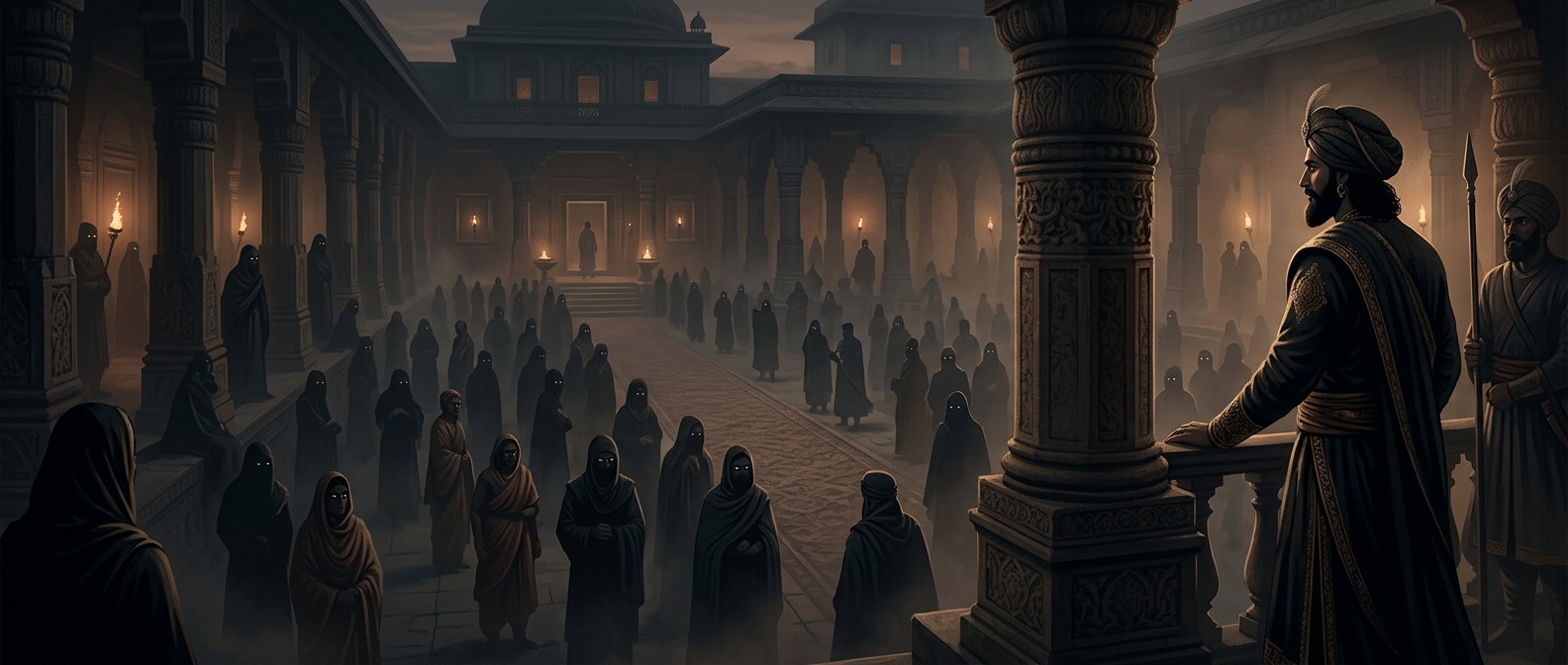
Mauryan empire employed thousands of domestic political spies
A ruler couldn’t personally watch every corner of a vast empire, so Mauryan authorities relied on informants and secret agents across social classes. Their…
Discover more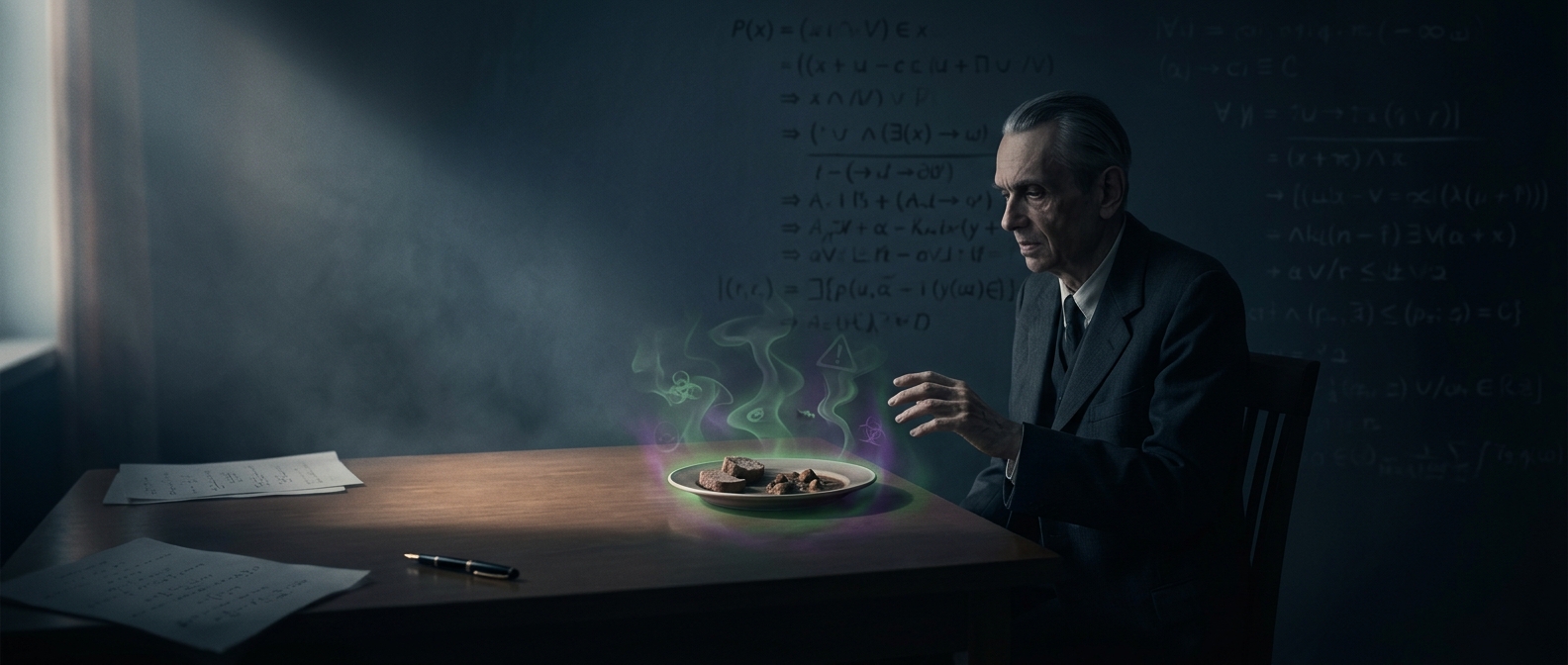
Gödel's fear of poisoned food became fatal
The logician depended on his wife to taste food he feared might be poisoned. When she was hospitalized, that fragile arrangement broke down and he died of…
Discover more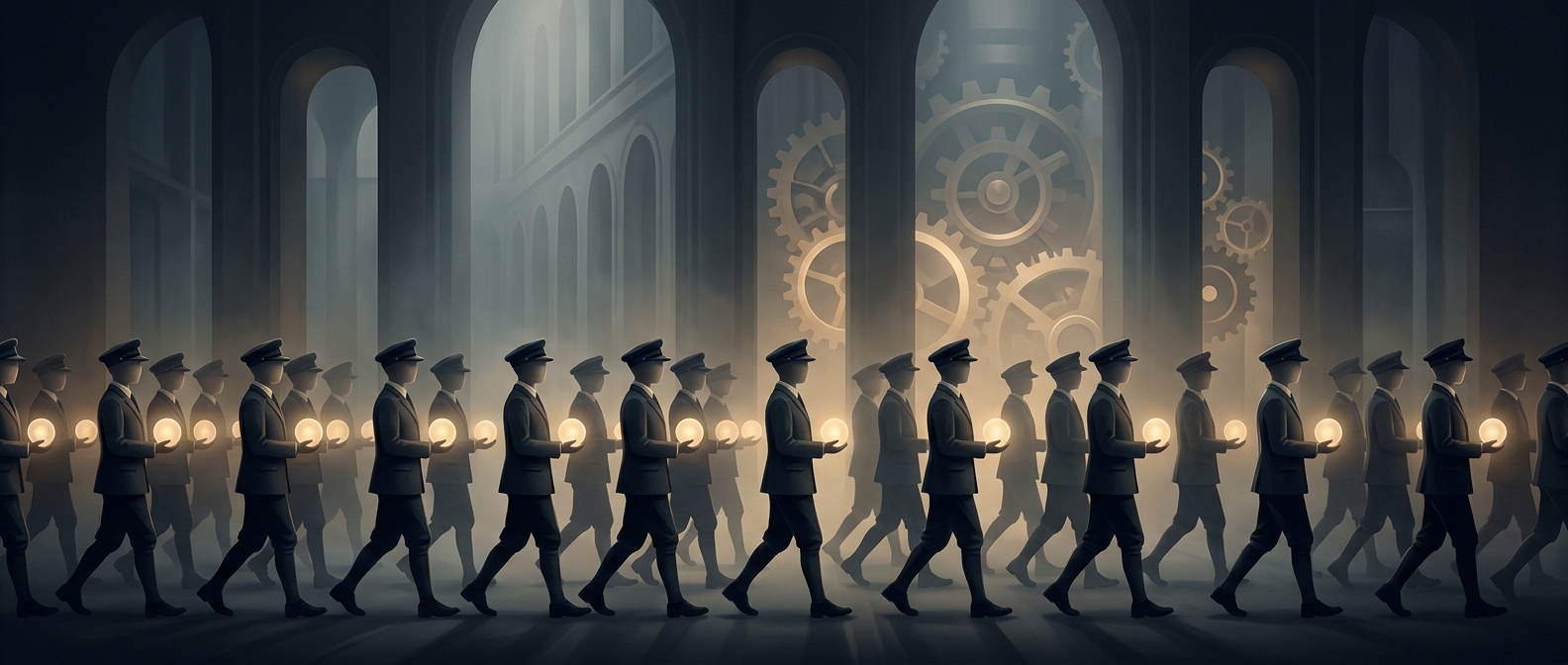
The 'school as factory' idea is older than modern complaints about school
Historians trace the comparison partly to schools supported by factory owners during industrialization. Timetables, discipline, and orderly routines made the…
Discover more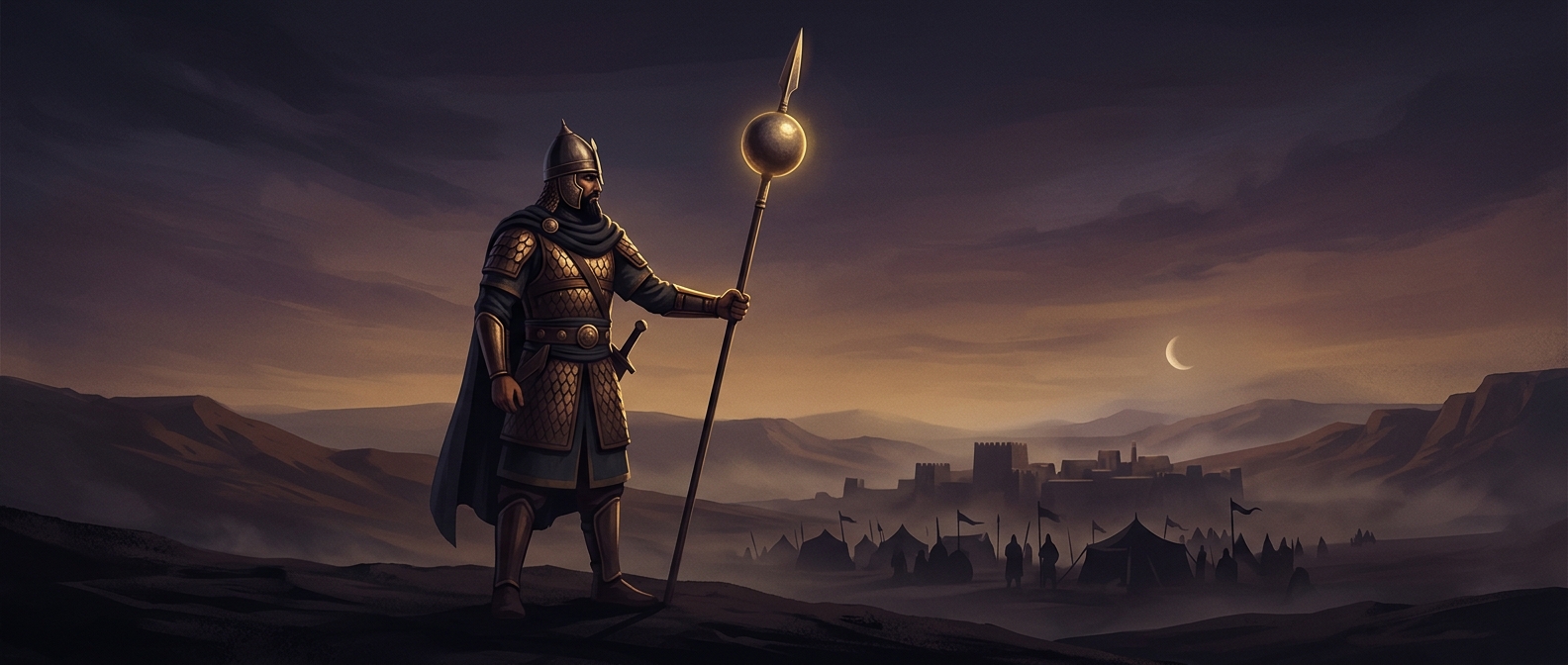
Why Persian soldiers weighted their spears
A heavy metal ball attached to the back of a Persian spear helped balance the long weapon, making it easier to hold steady.
Discover more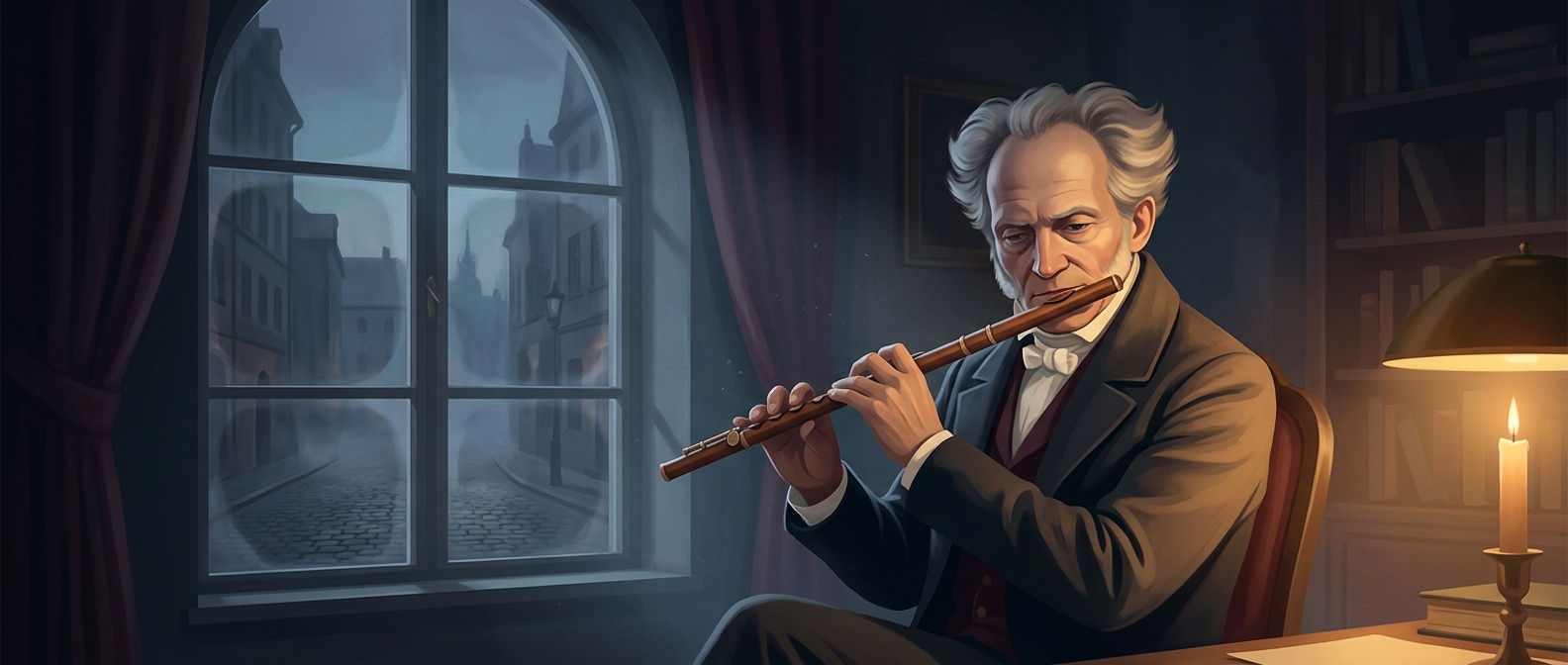
Arthur Schopenhauer played the flute daily
He played the flute every day before dinner, using music as an outlet for his famously pessimistic outlook.
Discover more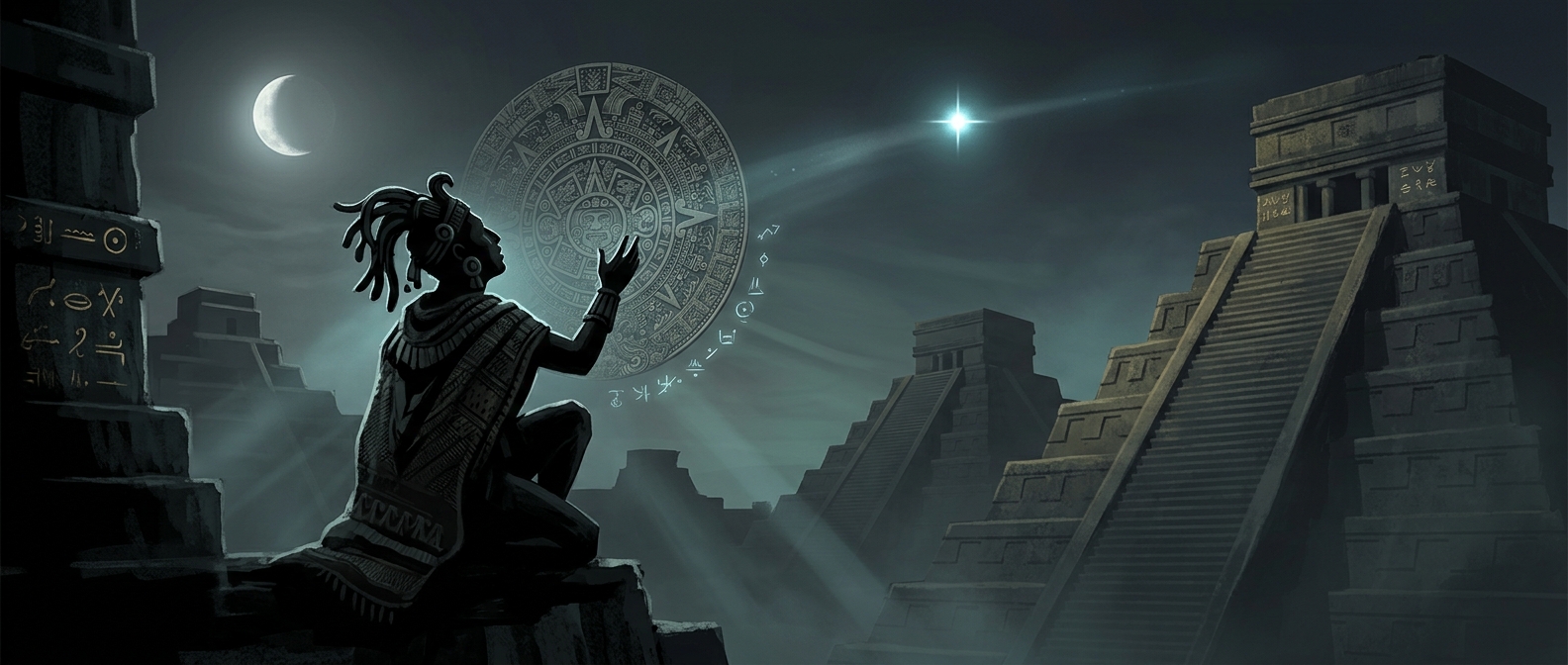
Mayan stargazers tracked Venus to schedule events
Mayan astronomers tracked Venus's 584-day cycle closely enough to use it to schedule major events. Without telescopes, they turned repeated naked-eye…
Discover more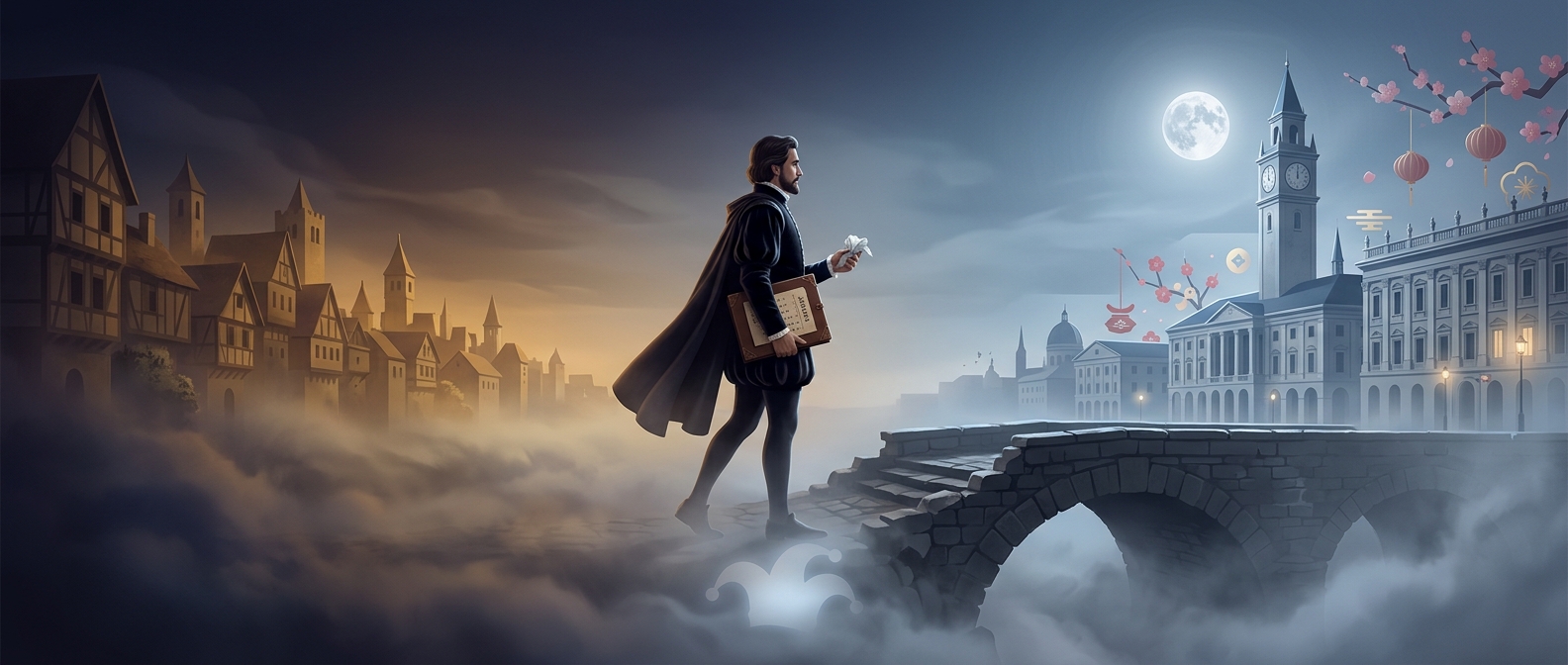
An invented April Fools' origin fooled the Associated Press
In 1983, historian Joseph Boskin told a reporter that Emperor Constantine had let a jester rule for a day, supposedly creating the holiday. The story ran…
Discover more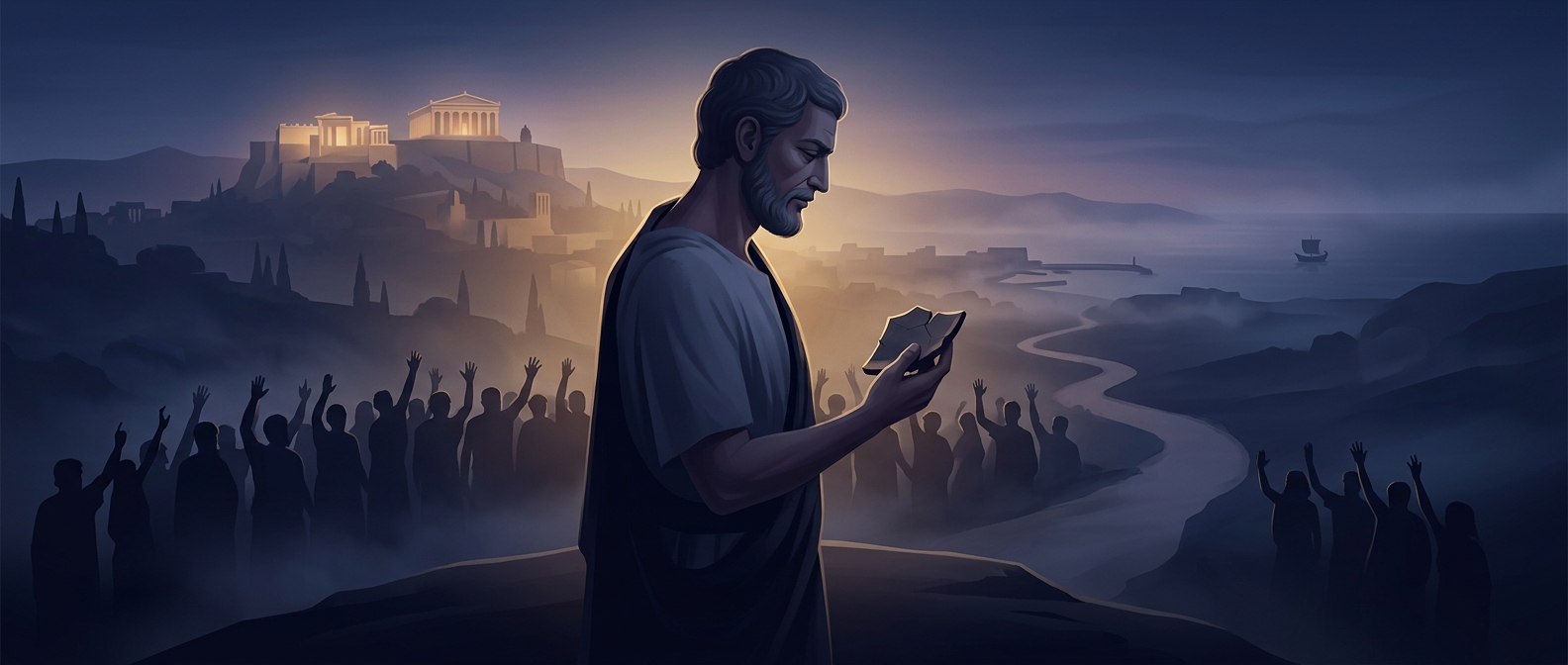
The man who created democracy was exiled by it
Athenian voters could write a citizen’s name on a pottery shard and vote to send him into exile. The system built to protect democracy could also remove one…
Discover more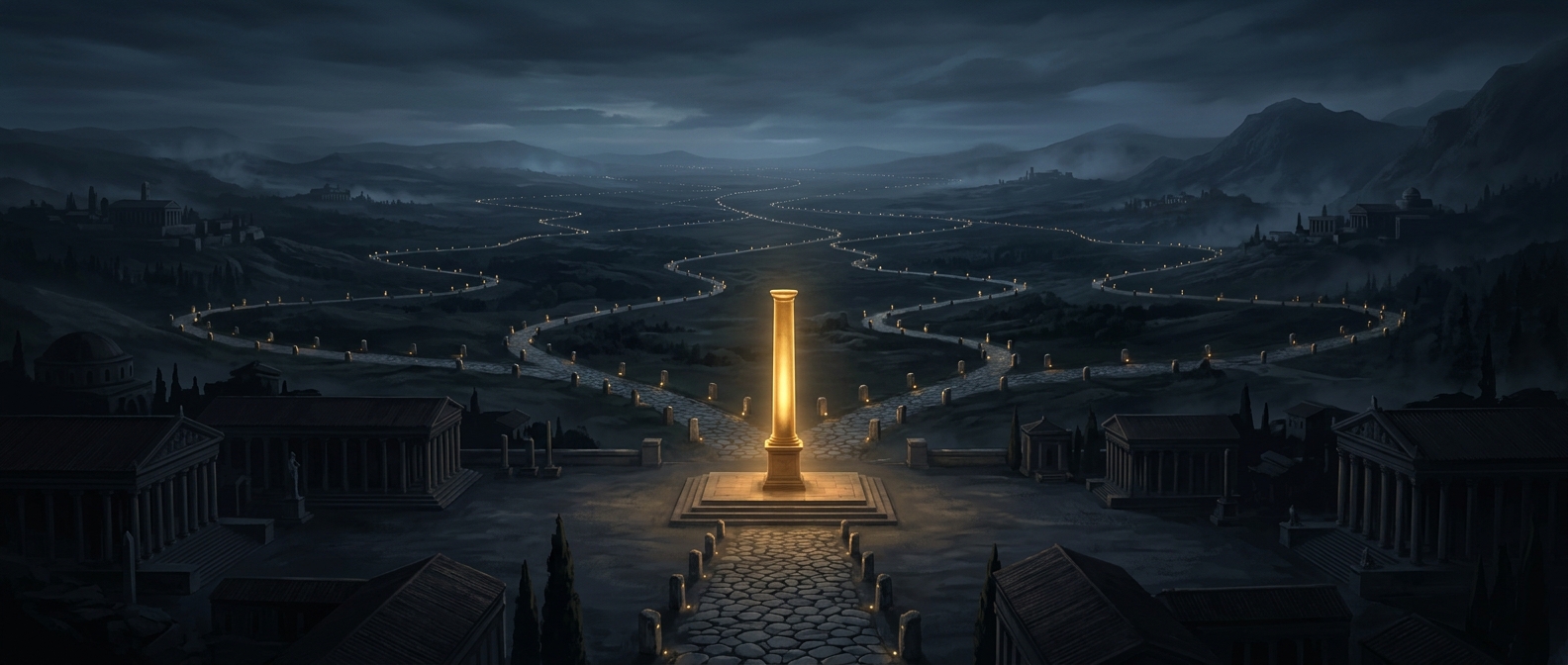
Rome marked its road network with a golden milestone
Augustus erected the Milliarium Aureum in the Forum in 20 BC as a symbolic meeting point of Rome's great roads. Distances were actually reckoned from city…
Discover more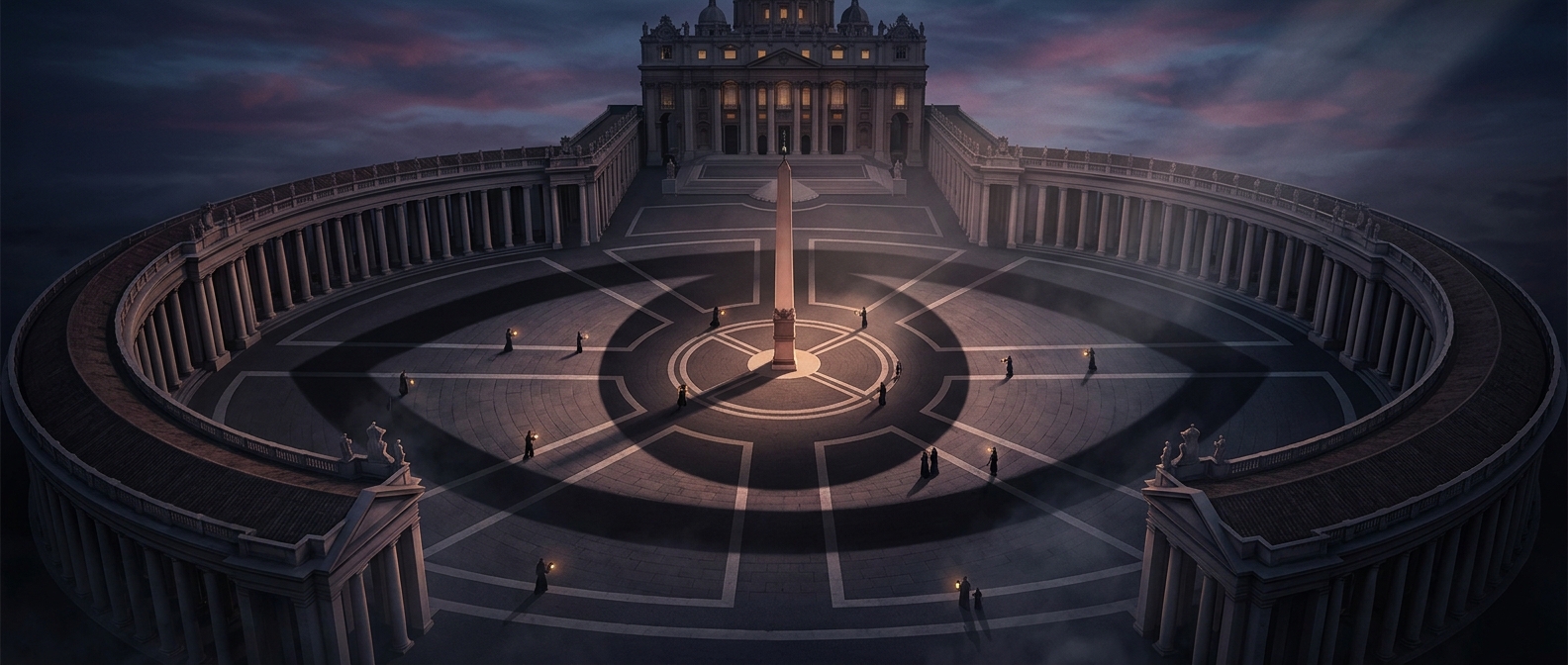
One spot makes three rows of Vatican columns disappear
Stand on either marked focal point in St. Peter's Square and Bernini's four-deep colonnade lines up into what looks like a single row. Step sideways and the…
Discover more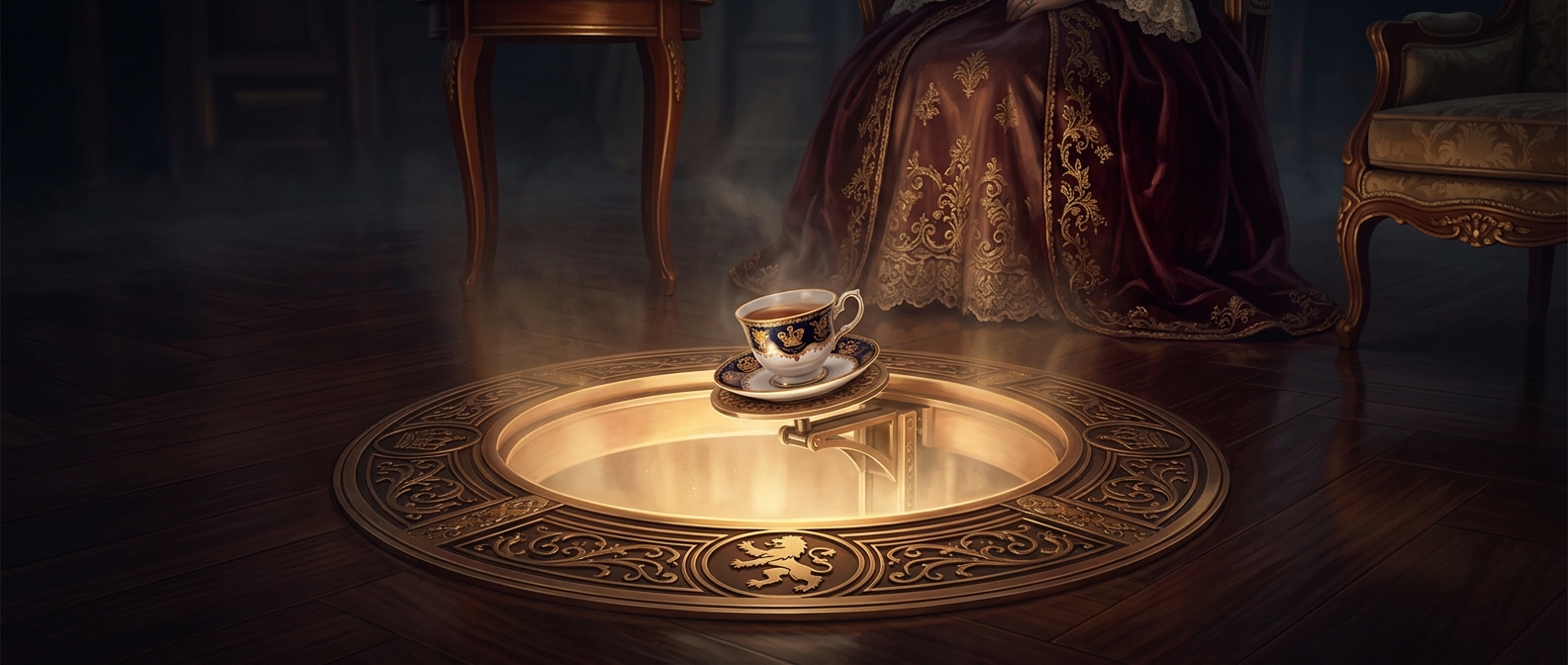
Queen Anne's greenhouse became a royal party room
Anne commissioned Kensington's Orangery to house exotic plants, but the elegant building also hosted her summer entertainments. Architects turned a practical…
Discover more
Sichuan opera can change a performer's face in a blink
Bian lian is the face-changing technique in which performers replace one vividly colored mask with another during the action. A turn, a fan, or a sweep of…
Discover more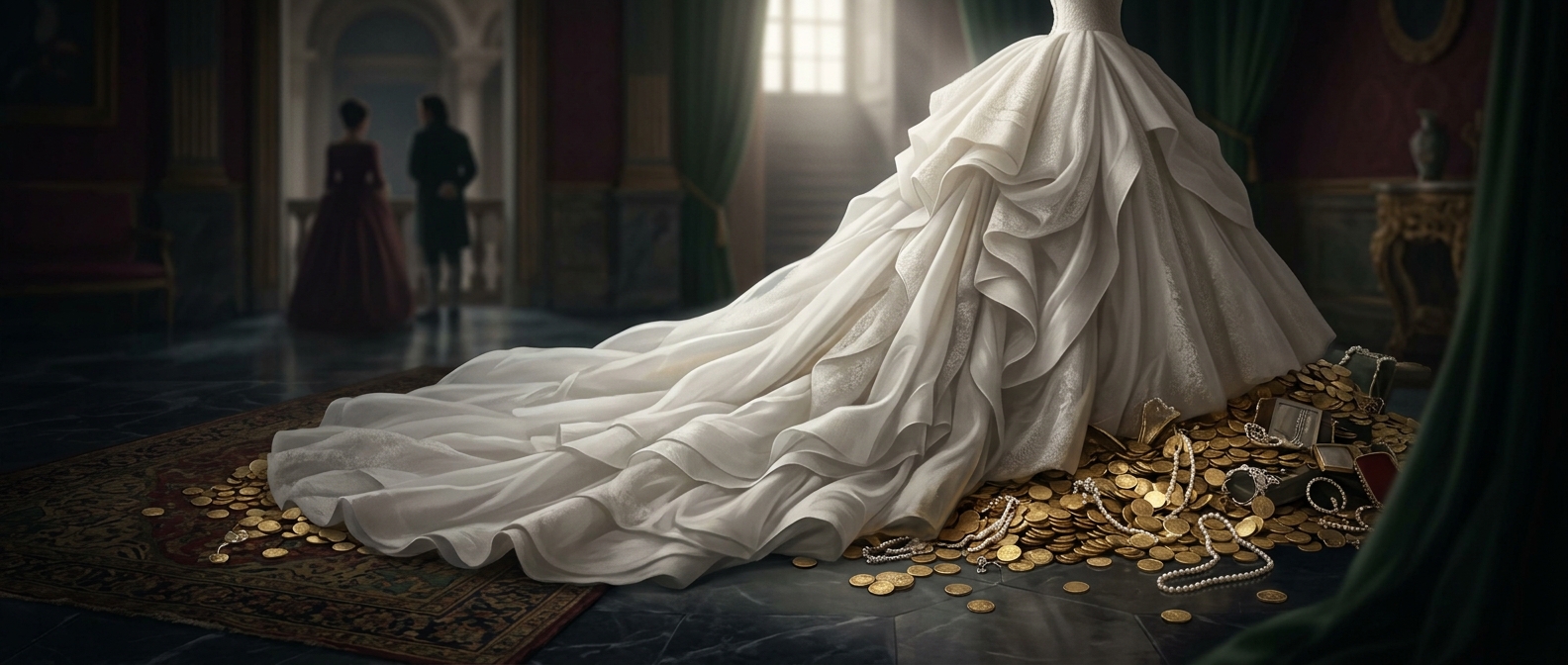
A royal wedding helped sell the white wedding dress
Victoria chose white for her 1840 marriage, and printed descriptions and fashion imagery spread the look. Advertisements and illustrations turned a royal…
Discover more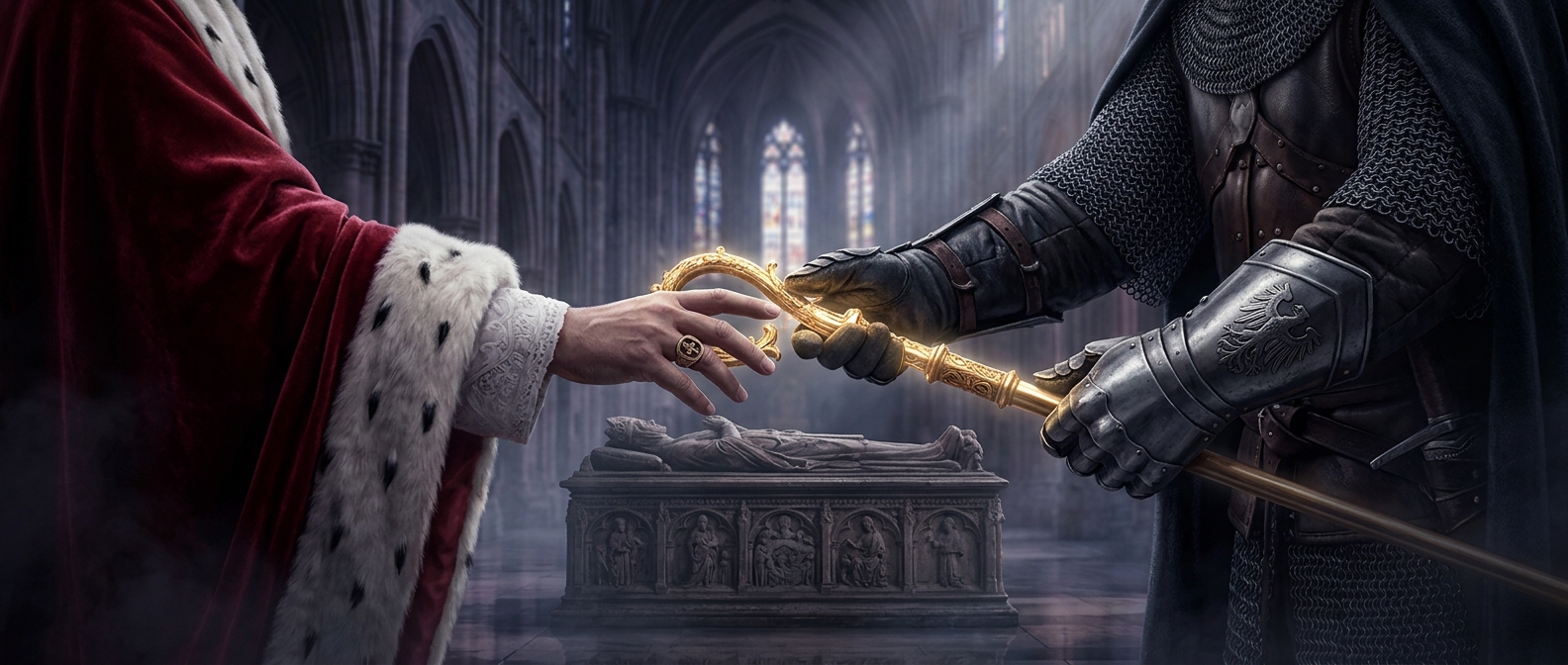
Concordat of Worms settled a fight over who appoints bishops
The compromise let the emperor grant bishops the symbols of their secular authority, while the church controlled their spiritual investiture. Neither side got…
Discover more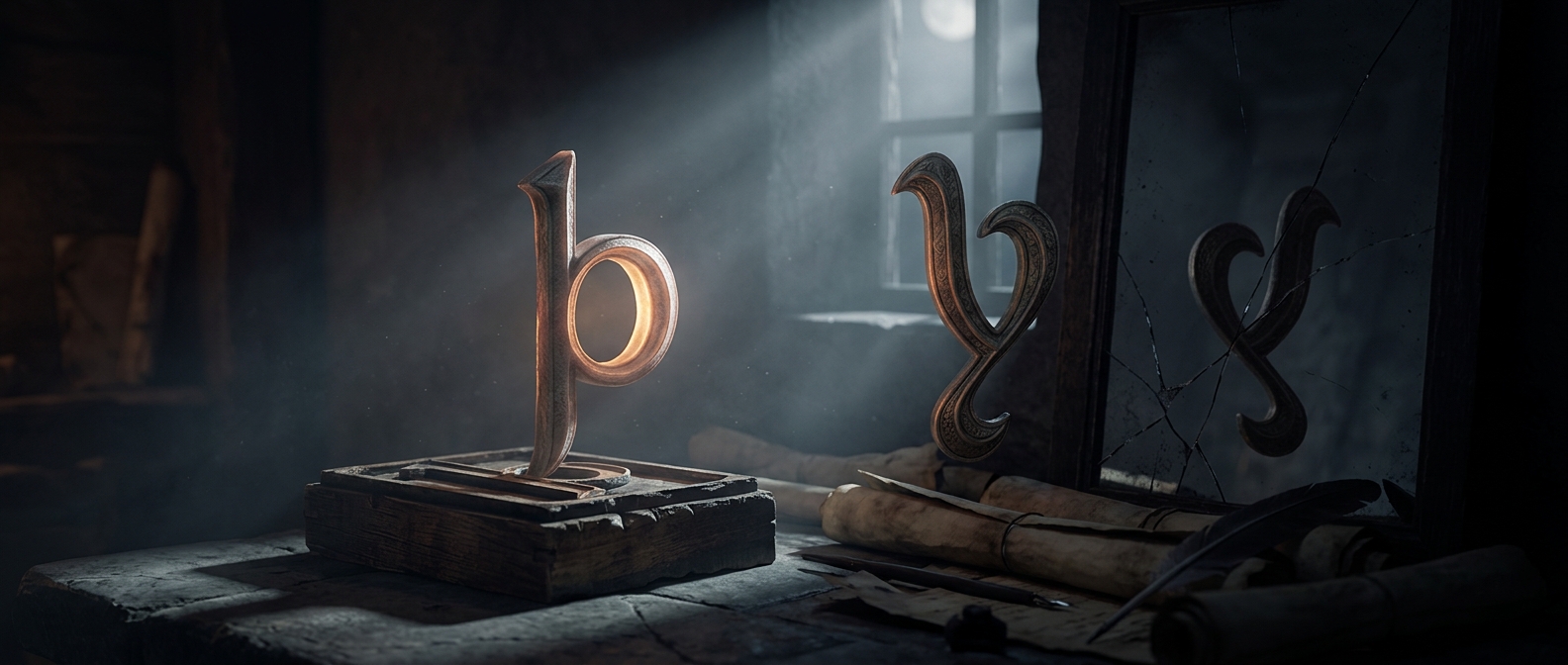
Why Ye Olde was never pronounced Ye
Early printers lacked the letter thorn (þ), which made the “th” sound, so they used a y as a substitute. “Ye Olde” was meant to read “The Olde”—a printing…
Discover more