History
Discover facts about history. Small discoveries that change the way you see familiar things.
History
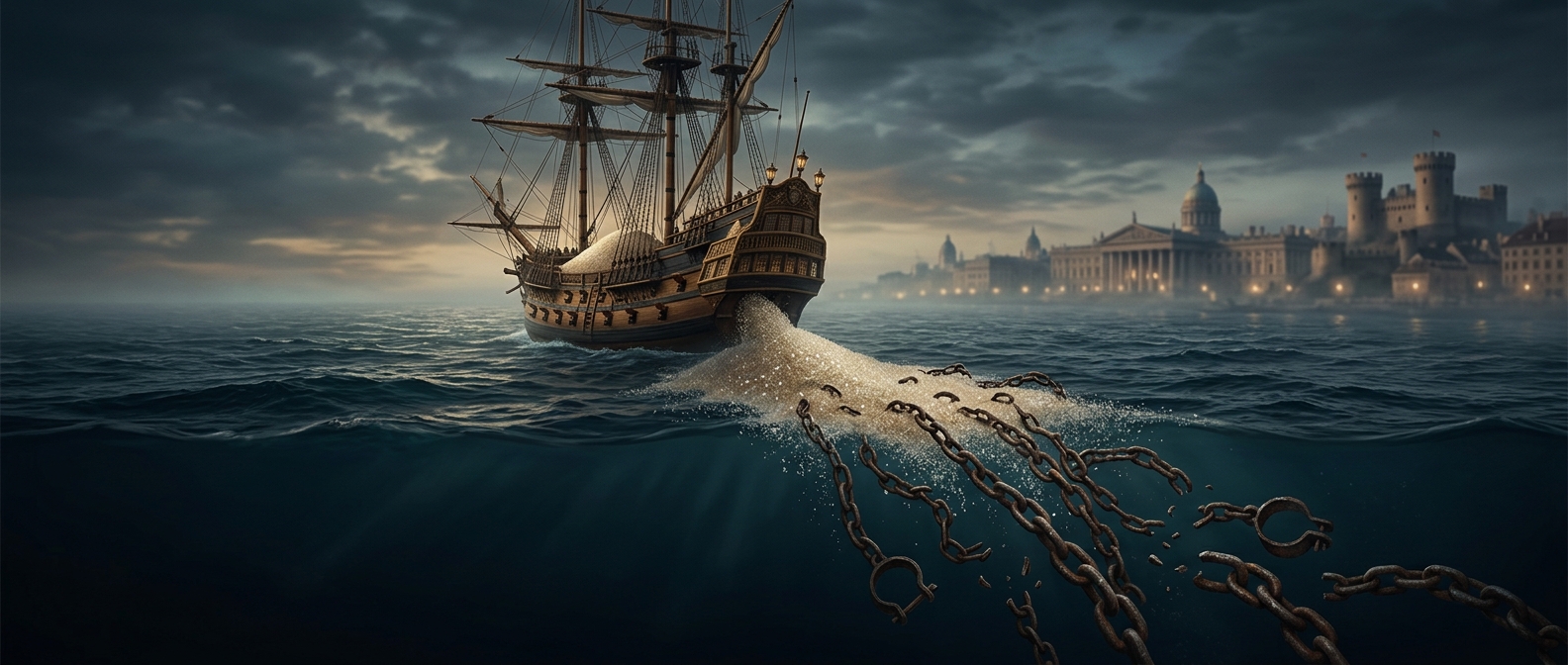
How sugar helped build empires and expand slavery
Sugar may sparkle in cakes and teas today, but its journey was anything but sweet. Once a rare luxury, it became fuel for empires—feeding cravings so strong…
Discover more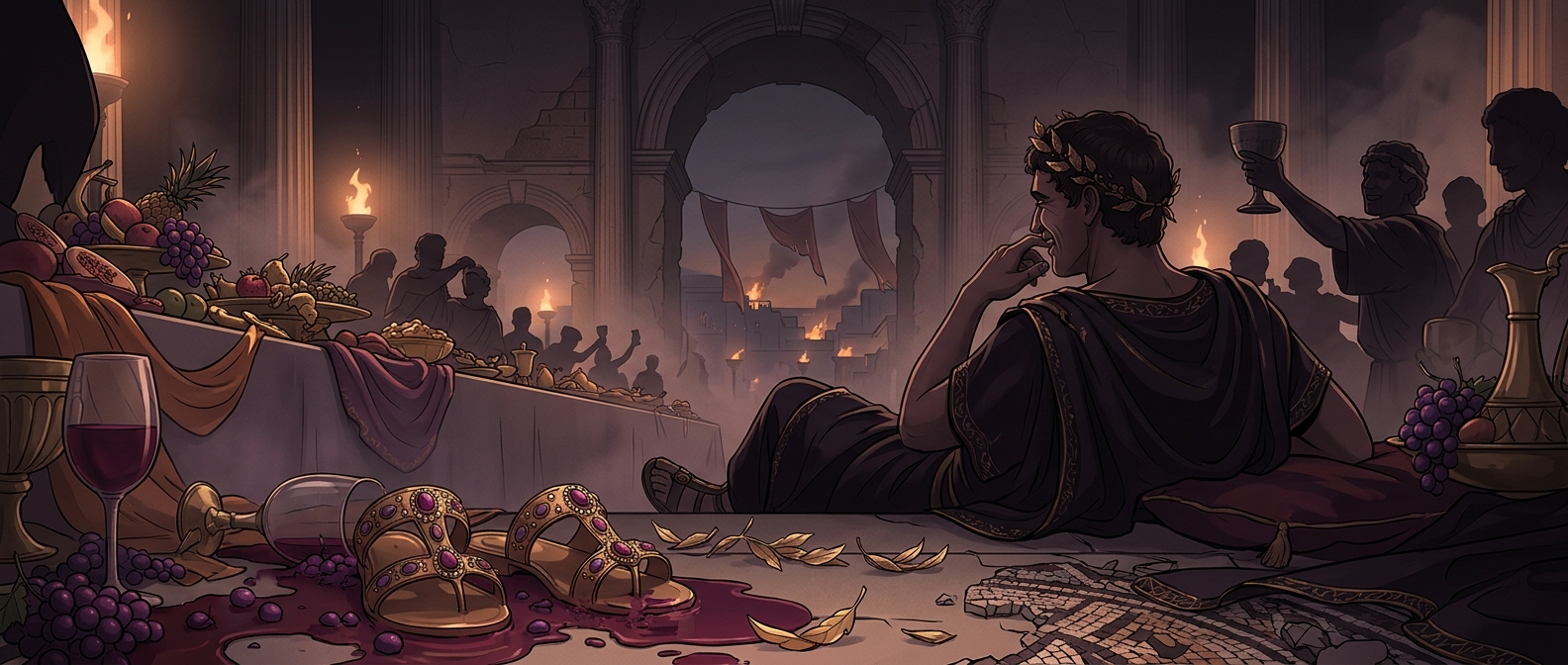
How lavish banquets helped weaken an empire
Empire isn’t toppled only by swords; sometimes it collapses under silver platters. At extravagant night banquets, leaders gorged on endless delicacies, exotic…
Discover more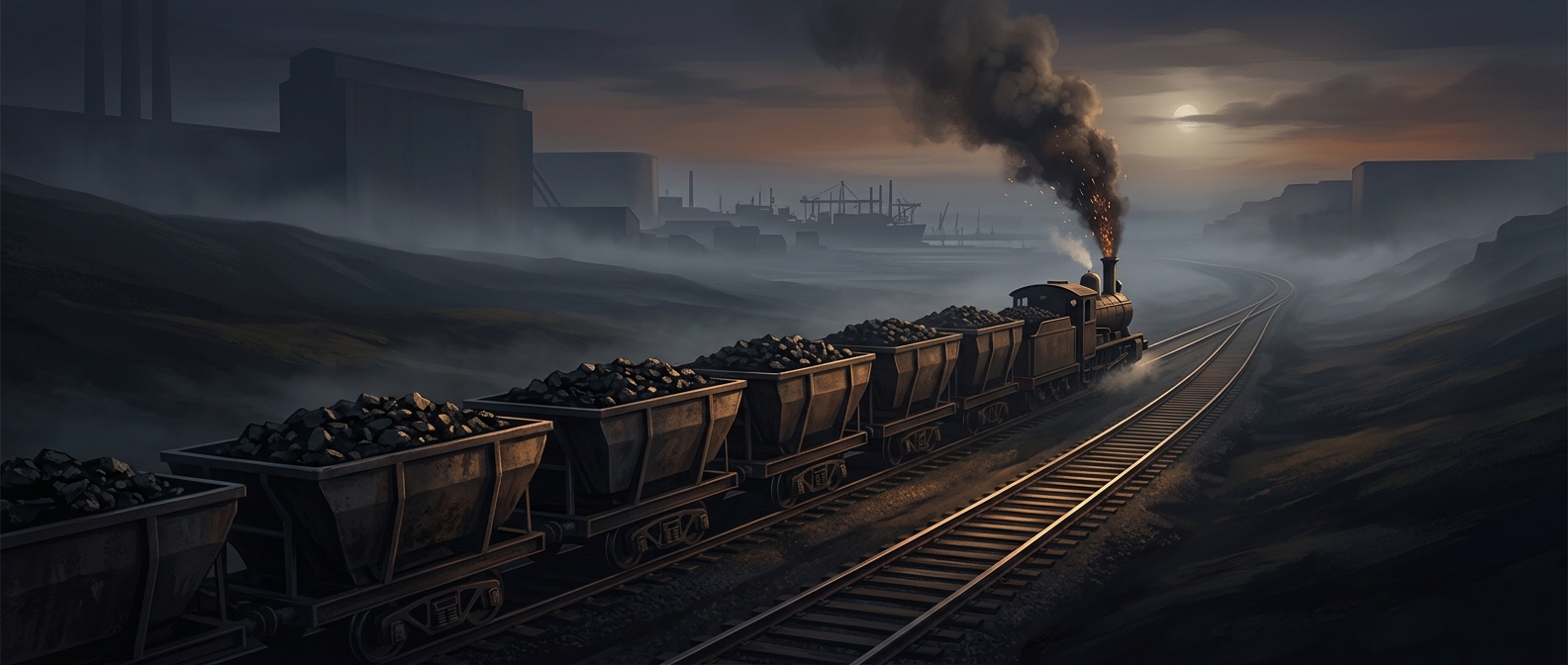
First railways carried coal, not people: the surprising hidden milestones that launched modern transport
The first steaming locomotives weren’t glamorous passenger trains—they were gritty wagons screeching under black piles of coal. Yet, by dragging fuel across…
Discover moreDuring WWII, toy factories were seized to produce military gear.
The cheerful world of toys froze during WWII, as teddy bears and building blocks gave way to bombs and bullets. Toy factories, once makers of joy, were…
Discover moreA Victorian dinner wasn’t casual—it was ritual.
Imagine sitting down to dinner and realizing that every move—how you hold a spoon, the fold of your napkin, even the order of dishes on the menu—isn’t just…
Discover more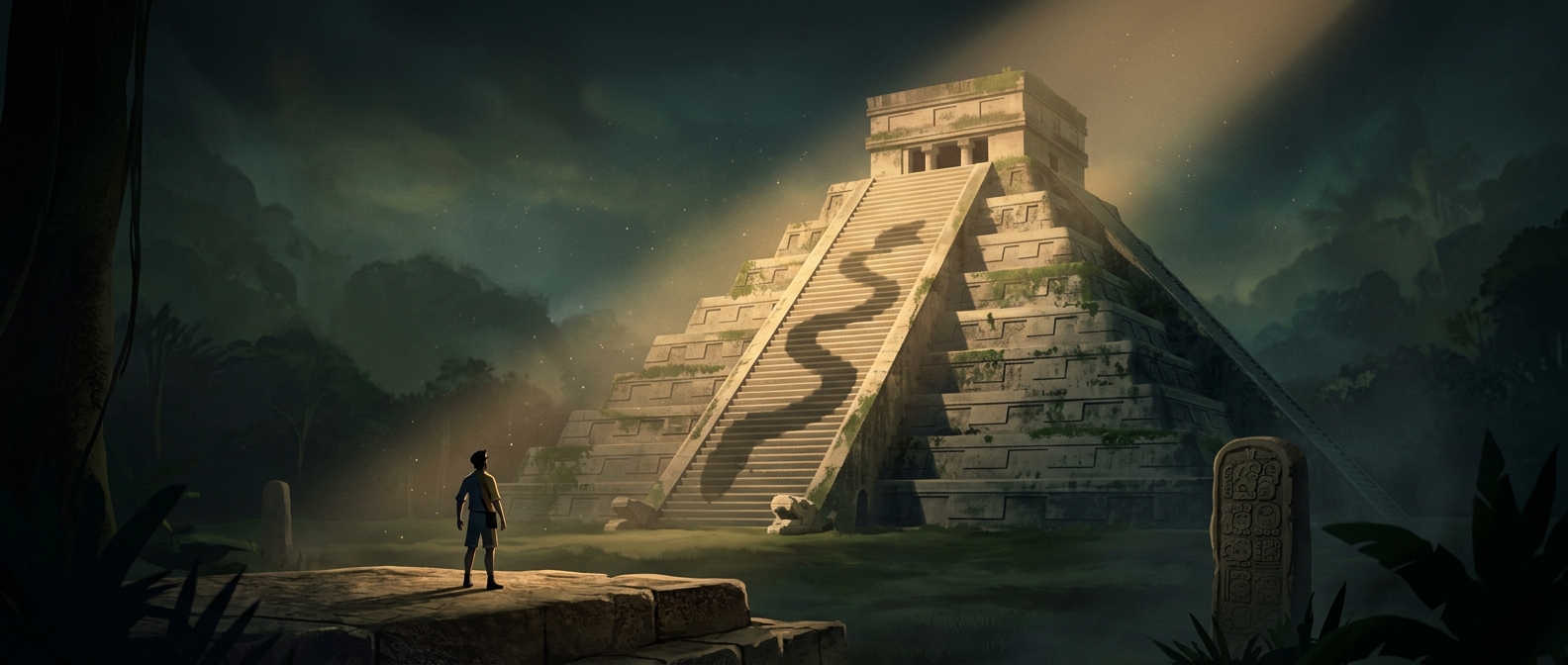
The Maya built a serpent from sunlight and shadows
Imagine standing before an ancient pyramid in Mexico, watching the sun slip into place as if the stones and sky were partners in an age-old dance. On equinox…
Discover more STACKY FOR IPHONE
A bigger world.
One discovery
at a time.
Keep discovering with Stacky. Interesting facts in an app that is always within reach.
When early American colonies banned celebrations of Christmas, it wasn’t out of modesty—it was defiance against what they saw as reckless, drunken European paganism.
Imagine pilgrims in stern dress frowning at the sound of carols and shutting taverns on December 25th. To them, Christmas wasn’t holy—it was a noisy, drunken…
Discover moreSlow rhythm of handwritten letters shaped empires—orders took weeks to arrive, news could die en route.
Picture a battlefield where swords clash—but victory depends on a piece of paper galloping on horseback. Messages that took weeks or months shaped entire…
Discover moreAncient Egyptians treasured garlic so much it was included in worker wages—pyramids partly powered by onions and garlic rations.
When we think of the pyramids, it’s gold and grand stone that come to mind—but in truth, garlic and onions powered much of their construction. Archaeological…
Discover moreDuring the 1918 flu, schools in parts of the U.S.
When we picture the 1918 flu pandemic, we imagine widespread closures, yet parts of the U.S. dared to keep schools open. The reason wasn’t rebellion—it was…
Discover more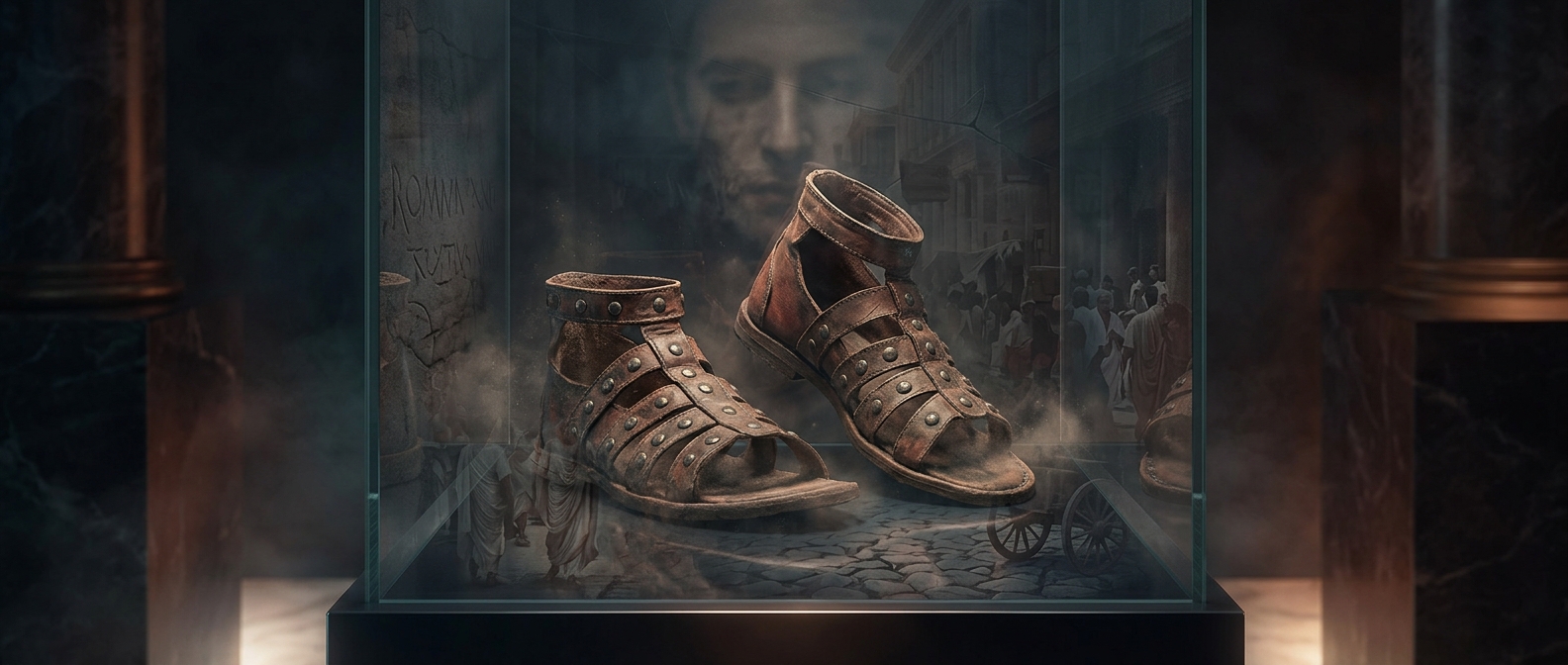
Roman shoes reveal the lives of ordinary people
Slip your eyes beneath the museum glass, and a simple Roman sandal becomes a storybook. The scuffed leather speaks of dusty streets, bustling markets, and…
Discover more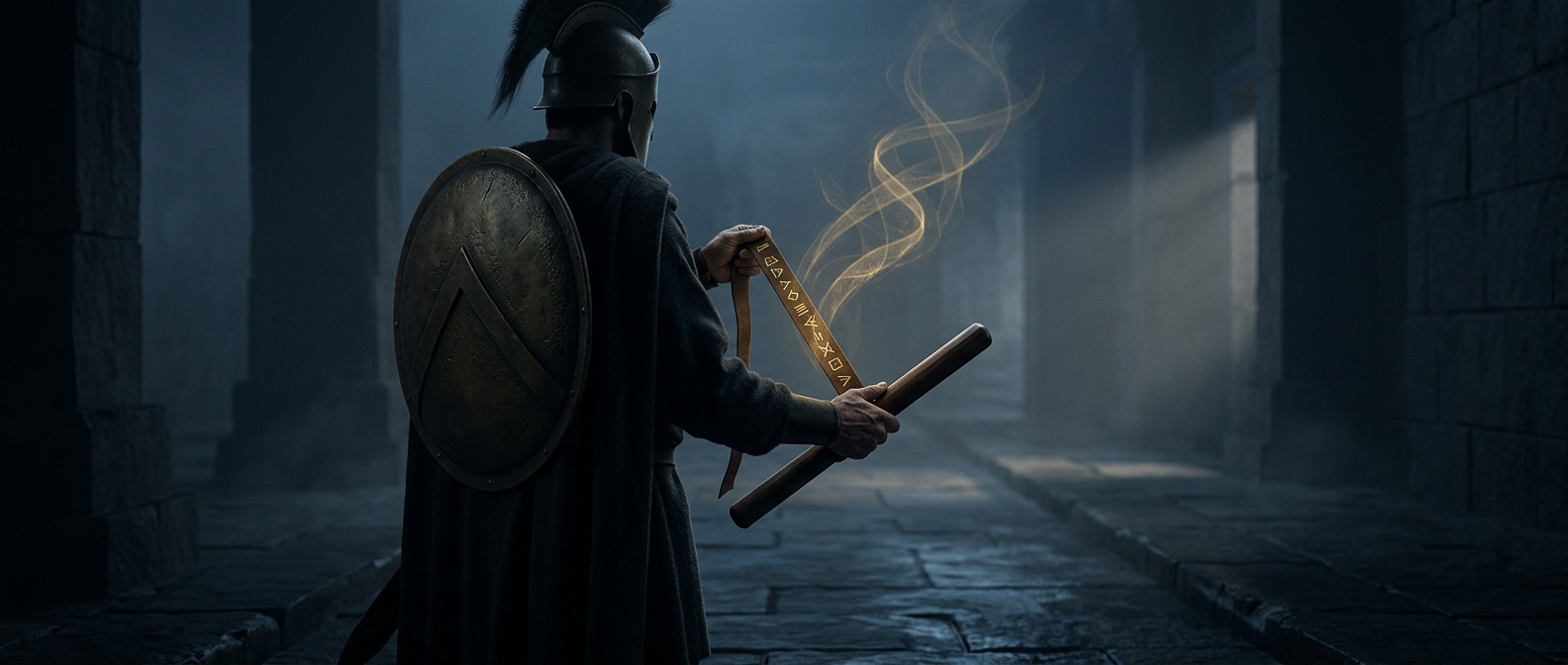
The Spartan stick that hid secret messages
It sounds almost laughable, but the Spartans’ secret weapon was… a stick. Called the scytale, it was just a rod around which a parchment strip was wound…
Discover more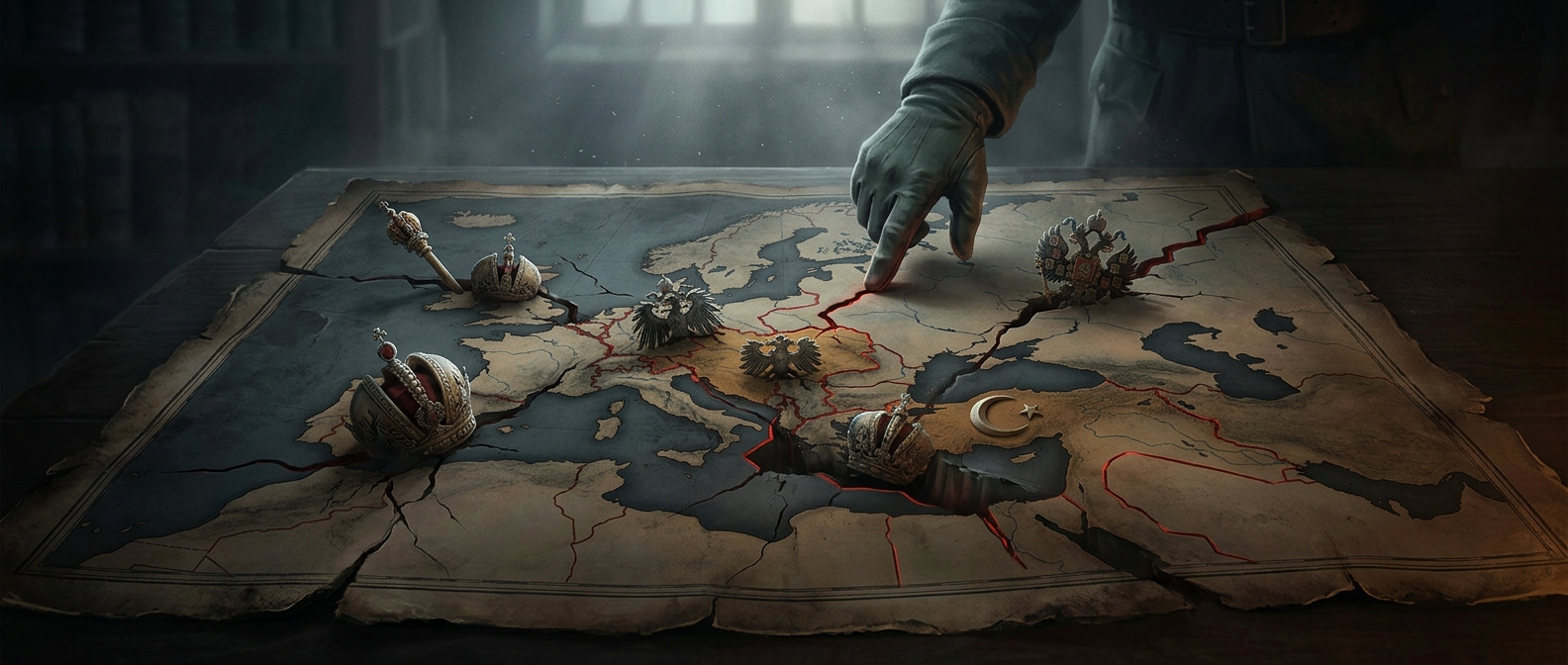
How World War I erased centuries-old empires
Maps can look quiet, but the ones redrawn after World War I thunder with endings. The earth-colored Austro-Hungarian Empire vanished like sand traced by…
Discover moreIn medieval Europe, wearing striped clothing could label you with criminal or outcast status—stripes were considered cursed, a sign of chaos.
Imagine walking into a medieval town square wearing stripes and instantly being treated like a living warning sign. Back then, stripes weren’t…
Discover more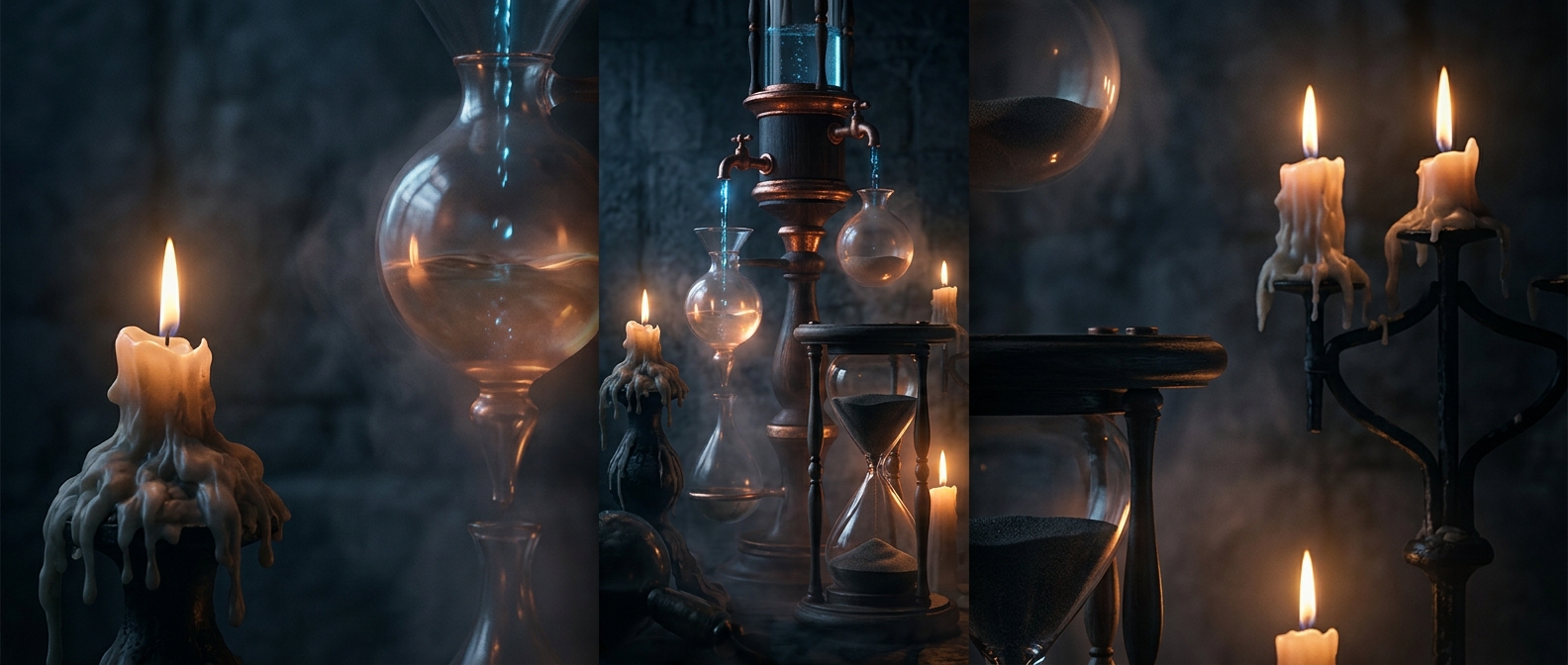
Before clocks, people measured time with candles and water
Long before ticking gears ruled our walls, people found wildly creative ways to capture time. Imagine a candle with markings melting down evenly, its wax…
Discover more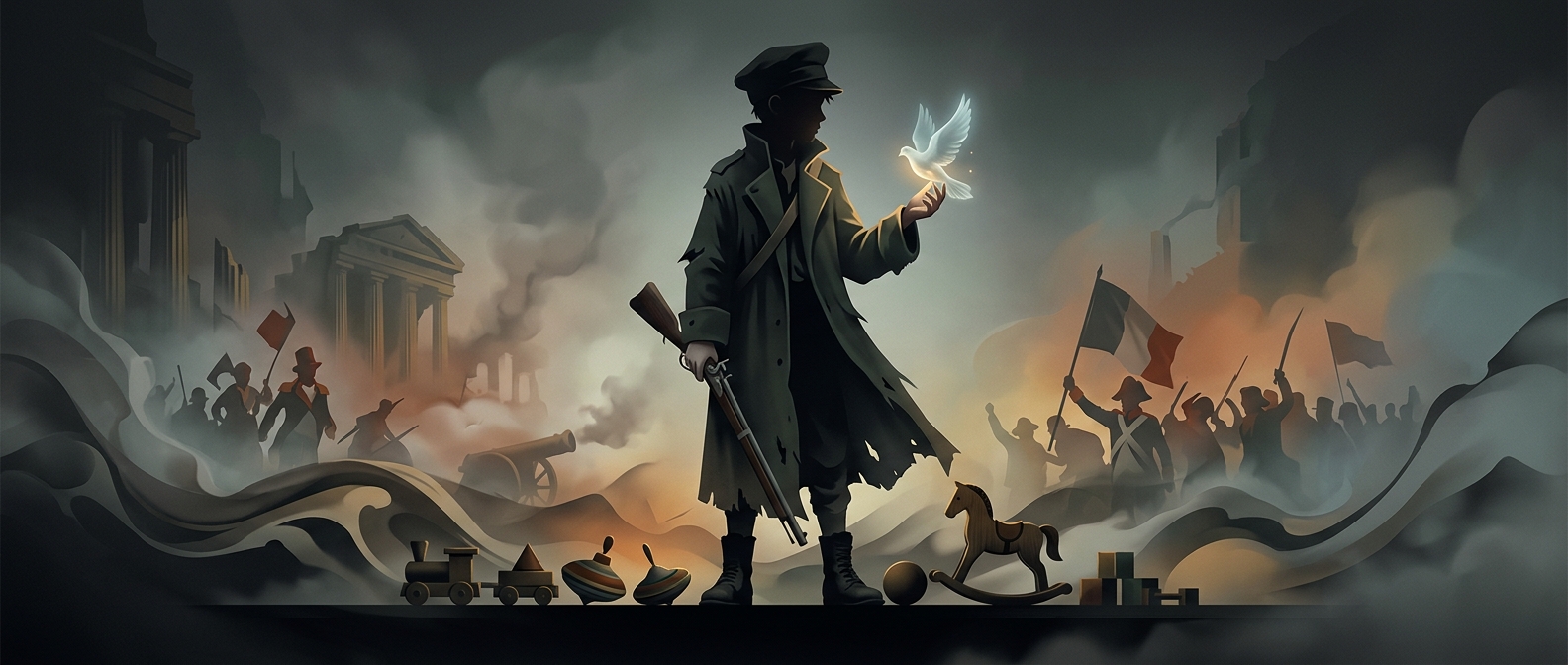
When teenagers became soldiers of revolution
When revolutions erupted, childhood was often the first casualty. Teenagers—sometimes barely tall enough to carry weapons—were swept into battles that shaped…
Discover moreHistory repeats not in exact replicas but in rhymes.
Every era believes its challenges are brand-new, yet history seems to whisper, 'I’ve seen this before.' In the 19th century, parents worried that novels were…
Discover moreDuring Prohibition, U.S.
Picture asking your pharmacist not for cough syrup, but a neat prescription of whiskey—legally dispensed across the counter during dry America. This was…
Discover more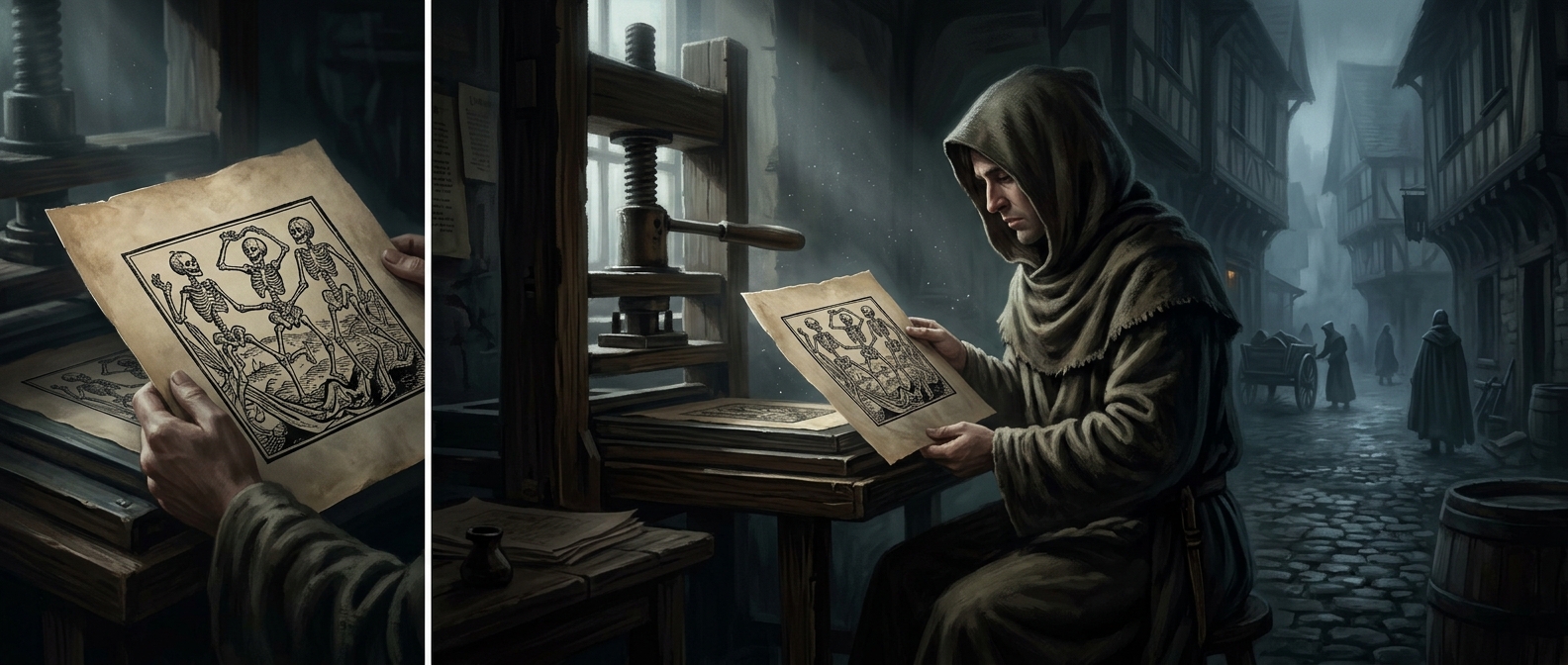
How dancing skeletons helped people face the Black Death
The Black Death of the 14th century was so terrifying that words alone couldn’t capture its shadow. So survivors turned to art—the “Dance of Death”—where…
Discover more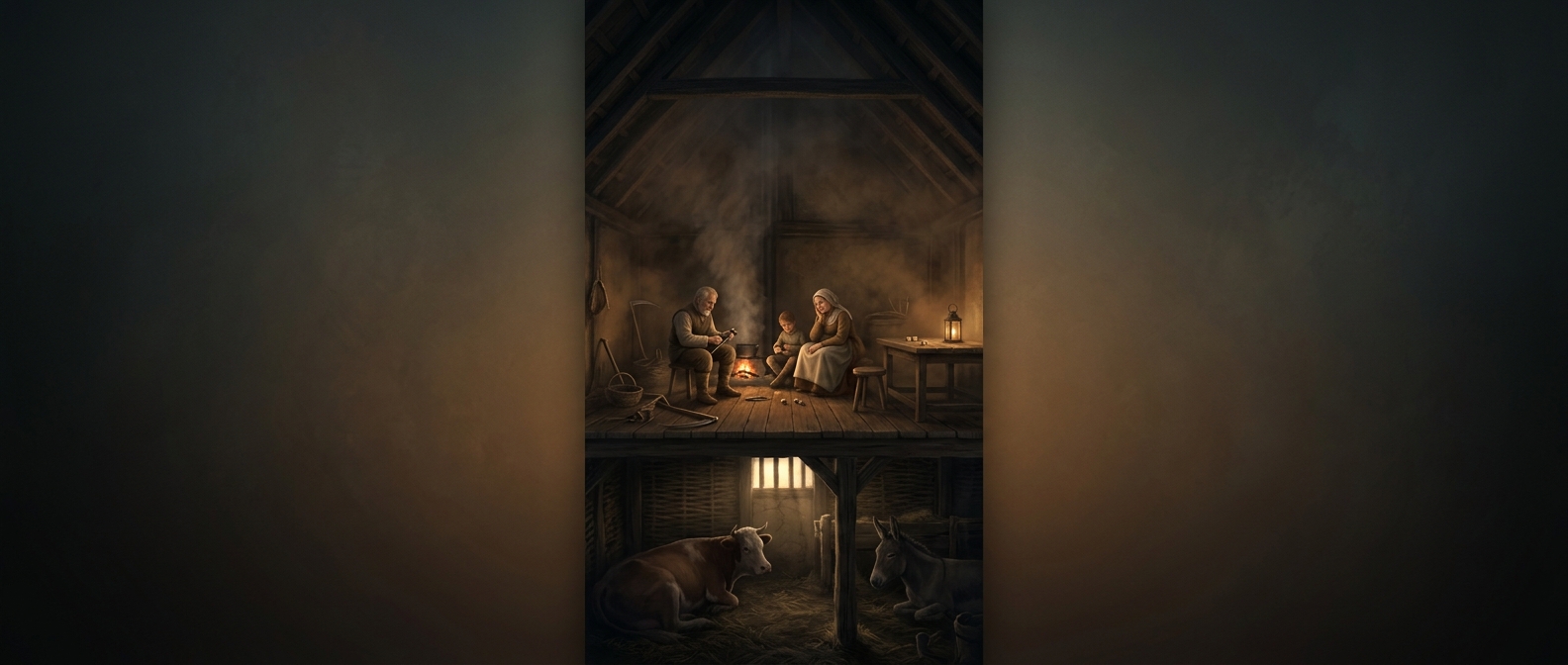
Medieval life was more mud and markets than battles
When we imagine the Middle Ages, we often picture knights in armor clashing on battlefields. But for most people, medieval life looked much simpler—and…
Discover moreDuring World War II, artists in occupied zones embedded coded messages inside paintings, hiding maps and instructions in brushstrokes subtle enough that Nazis hung them on walls,…
During war, even paint became a weapon. Resistance artists, lacking rifles but not courage, turned canvases into secret channels, layering landscapes with…
Discover moreVictorian London once banned public kissing on trains out of 'moral duty,' yet the ban backfired because lovers rushed to stations precisely for the forbidden thrill, turning…
Imagine a world where trains weren’t just vehicles — they were love’s outlaw stage. In Victorian London, officials tried to scrub moral “indecency” by…
Discover moreRevolutions don’t always start with guns — in Prague, 1989, protesters jingled keys like a collective alarm clock, turning a household object into a symbol of both farewell to dictatorship and invitation to freedom.
During the Velvet Revolution of 1989, thousands gathered not with shouts but with keys. The metallic chime rippled through streets like waves of sound saying,…
Discover more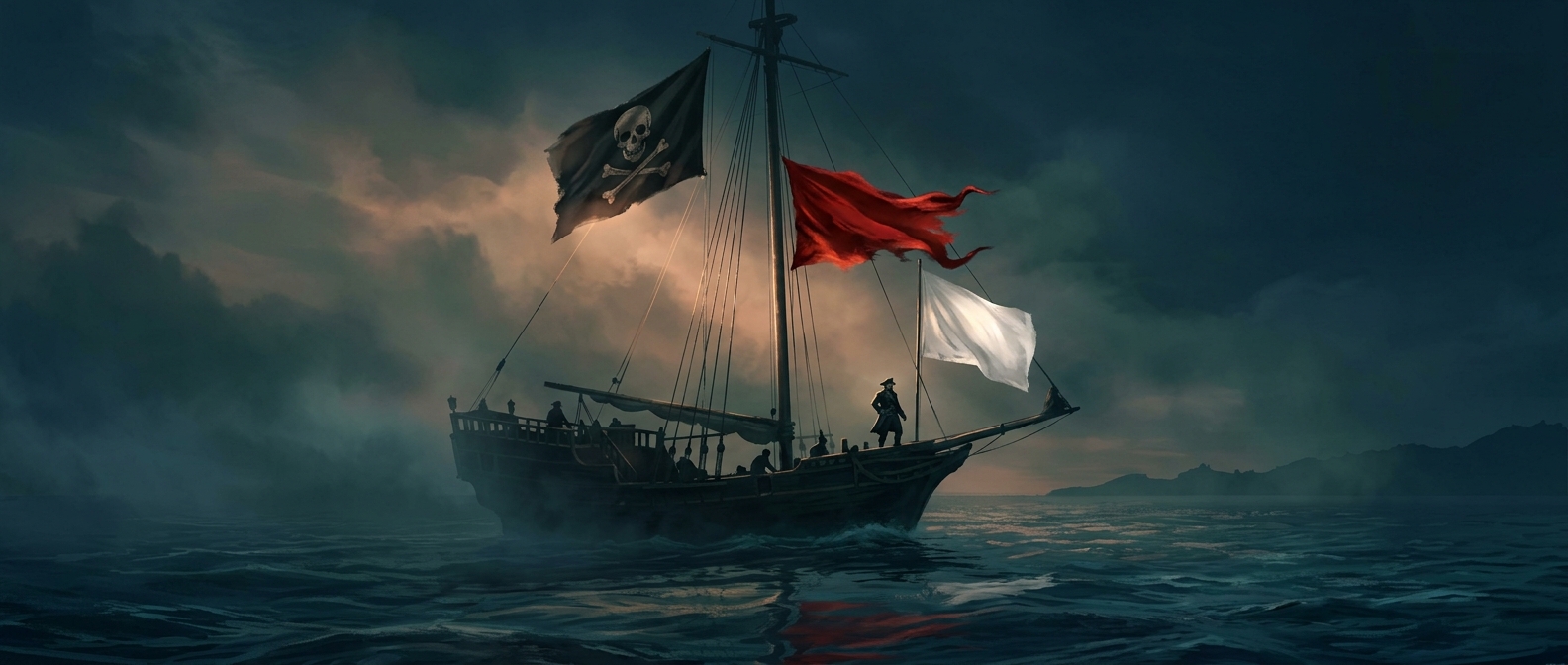
Pirates used flags to bluff, negotiate, and threaten
Forget skull-and-crossbones for a second—pirates had a whole vocabulary of flags at sea. A plain red banner screamed 'no mercy,' while a black one might hint…
Discover more