History
Discover facts about history. Small discoveries that change the way you see familiar things.
History
In medieval France, a bizarre law forced widows to wait nine full months before remarrying—supposedly to avoid paternity confusion.
Imagine losing your partner in medieval France and then being told by law: nine months of waiting before you can marry again. At first glance, it sounds like…
Discover moreImagine life before antibiotics: small cuts meant death risks, dental pain meant weeks of suffering, and childbirth was Russian roulette.
Step back a century and your daily worries transform completely. A scraped knee, something today you’d ignore, could blossom into life-threatening infection.…
Discover moreEllis Island arrivals were sometimes renamed at entry, not as official policy but because overwhelmed clerks misheard or simplified names.
At Ellis Island, people crossed oceans hoping to keep their names like beacons of home. Yet amid the flood of arrivals, rushed clerks often stumbled, shaving…
Discover moreIn Imperial China, scholar-officials sometimes burned secret petitions into ashes to transmit wishes to the dead.
Picture a scholar-official in ancient China standing solemnly with a petition in hand, only to set it alight and watch the words vanish in smoke. This wasn’t…
Discover moreBattle of Stalingrad wasn’t just fought in open fields—it crept floor by floor, room by room, with factories fought over multiple times a day.
The Battle of Stalingrad was less a sweeping clash of armies and more a grinding duel of corners and staircases. Soldiers didn’t fight for rolling hills, but…
Discover moreMost medieval homes lacked chimneys; instead, smoke from the firepit filled the room, slowly seeping out through thatched roofs.
Step into a medieval home and you wouldn’t be greeted by the glow of a clean fireplace, but by a room thick with smoke. Without chimneys, fires sat in the…
Discover more STACKY FOR IPHONE
A bigger world.
One discovery
at a time.
Keep discovering with Stacky. Interesting facts in an app that is always within reach.
Arrival of the printing press spread books rapidly, but the first bestsellers weren’t grand literature—they were indulgences.
The printing press didn’t launch its first success with epics or genius works—it boomed with indulgences, small printed slips promising a shortcut through…
Discover moreNuclear brinkmanship was not just fought at weapons level, but in simulations resembling giant chess matches.
Picture a room where brilliant strategists push markers on a glowing map, much like oversized chess boards. These games weren’t playful—they were the…
Discover moreAcross buried civilizations, archaeologists uncover ritual pits filled with bones and offerings.
Unearthed beneath the soil, pits layered with bones and treasures seem to whisper stories of cruelty. Yet, to ancient eyes, they were lifelines—transactions…
Discover moreWind turbines powering villages existed in Medieval Persia long before Europe ‘invented’ them anew.
It sounds futuristic: fields of tall wind turbines spinning energy out of air. Yet, centuries ago in Medieval Persia, humble wooden blades were already…
Discover moreDuring World War II, German soldiers were given methamphetamine pills nicknamed ‘Pervitin’ to stay awake and fearless.
War has always twisted technology to its ends, and in World War II even chemistry was drafted into battle. Soldiers swallowed ‘Pervitin’ pills like…
Discover moreNineteenth‑century Britain used ‘reform through breakfast’ in prisons: some inmates were force‑fed hard labor diets while others starved deliberately.
Breakfast in prison wasn’t always eggs and toast—it was sometimes punishment disguised as reform. In 19th‑century Britain, authorities believed altering diets…
Discover moreOttoman Empire once stretched across continents, but what collapsed it wasn’t only war — it was economic strain, corruption, and ethnic pressures unraveling from within.
The Ottoman Empire wasn’t just vast; it was a mosaic of cultures stitched from the Middle East to Europe. Yet like a tapestry tugged at its threads, the…
Discover moreDid you know that in 16th-century England, it was illegal to eat meat on Wednesdays and Fridays, not for health or religion but to boost the fishing industry, forcing entire…
Yes, it’s true—and delightfully strange! In Tudor England, choosing fish over meat wasn’t about faith alone but economics. The Crown wanted fishermen to…
Discover moreCenturies ago, there was a city in Cambodia larger than modern-day Los Angeles, powered by canals and reservoirs.
Picture a metropolis alive with festivals and markets, larger than modern Los Angeles, pulsing not on electricity but flowing water. Angkor, Cambodia’s…
Discover moreTrench warfare wasn’t invented in World War I — it appeared as far back as ancient Persia.
Digging into the earth to survive a battle is not new — Persians, Romans, and even medieval fighters carved defenses into the ground. But what stunned the…
Discover moreLong before AirPods, the Victorians invented acoustic chairs: wooden seats with hollow arms carrying whispers directly to the sitter’s ear.
Picture what looks like just a quaint wooden chair in a lavish Victorian salon. Now lean closer — its hollow arms are secret tunnels, funnelling whispers like…
Discover moreDuring the Russian Revolution, whisper networks spread imagined tales of noble families turning cannibal in secret basements.
In a time when newspaper presses couldn’t keep up with chaos, word of mouth became the loudest battlefield. Whispers of nobles gnawing on bones in torchlit…
Discover more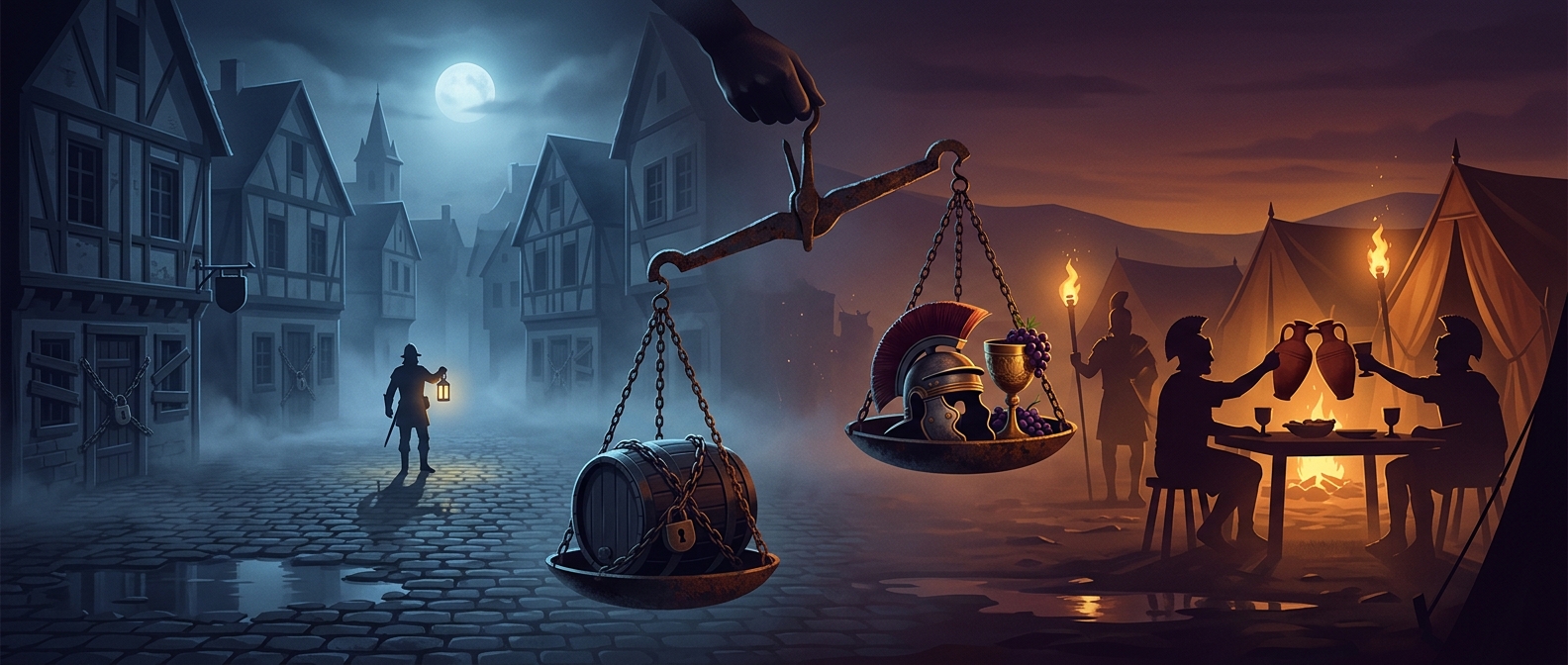
When alcohol laws made no sense
Imagine living in a town where brewing beer was forbidden, yet soldiers trudging into battle were forced to carry bottles of wine as part of their rations.…
Discover more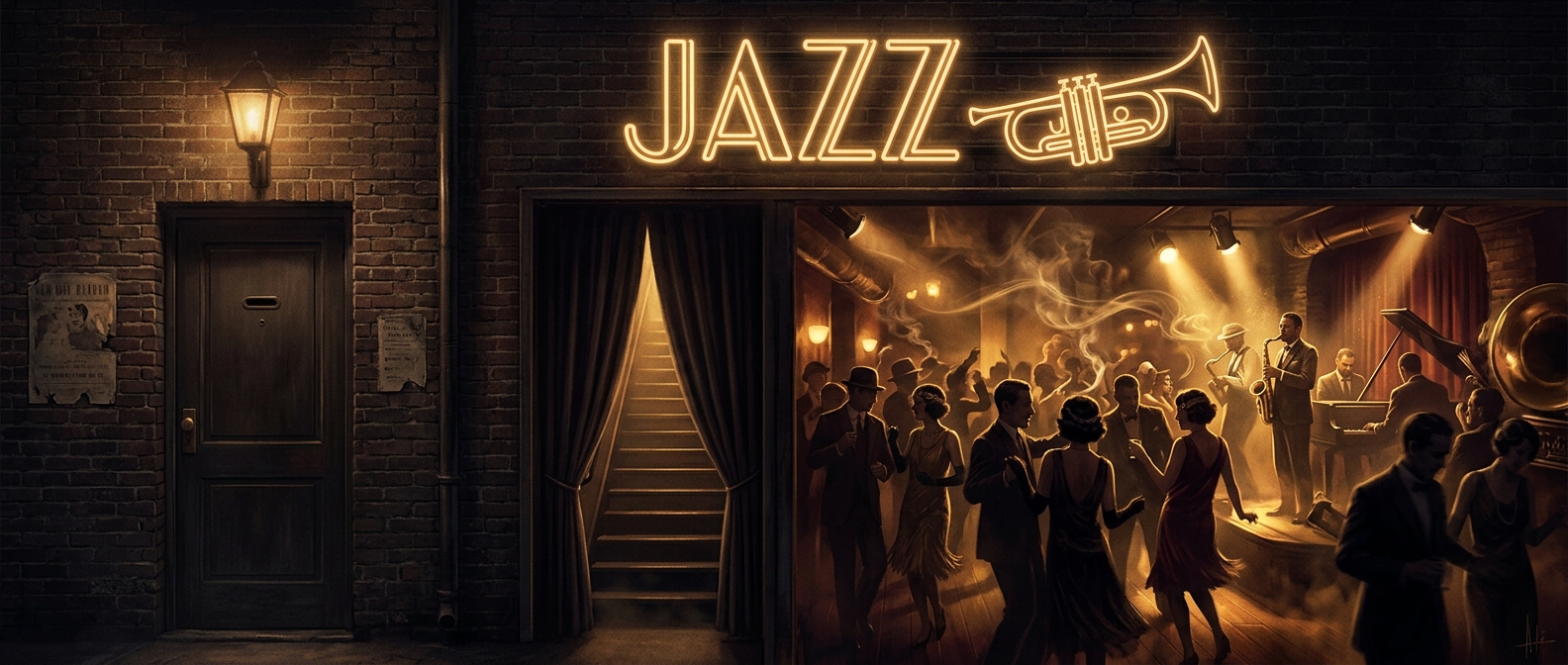
How Prohibition helped create modern nightlife
In the 1920s, America’s bold ban on alcohol unintentionally unlocked a golden age of fun. Speak-easies—secret bars accessed by codes and whispers—glowed with…
Discover more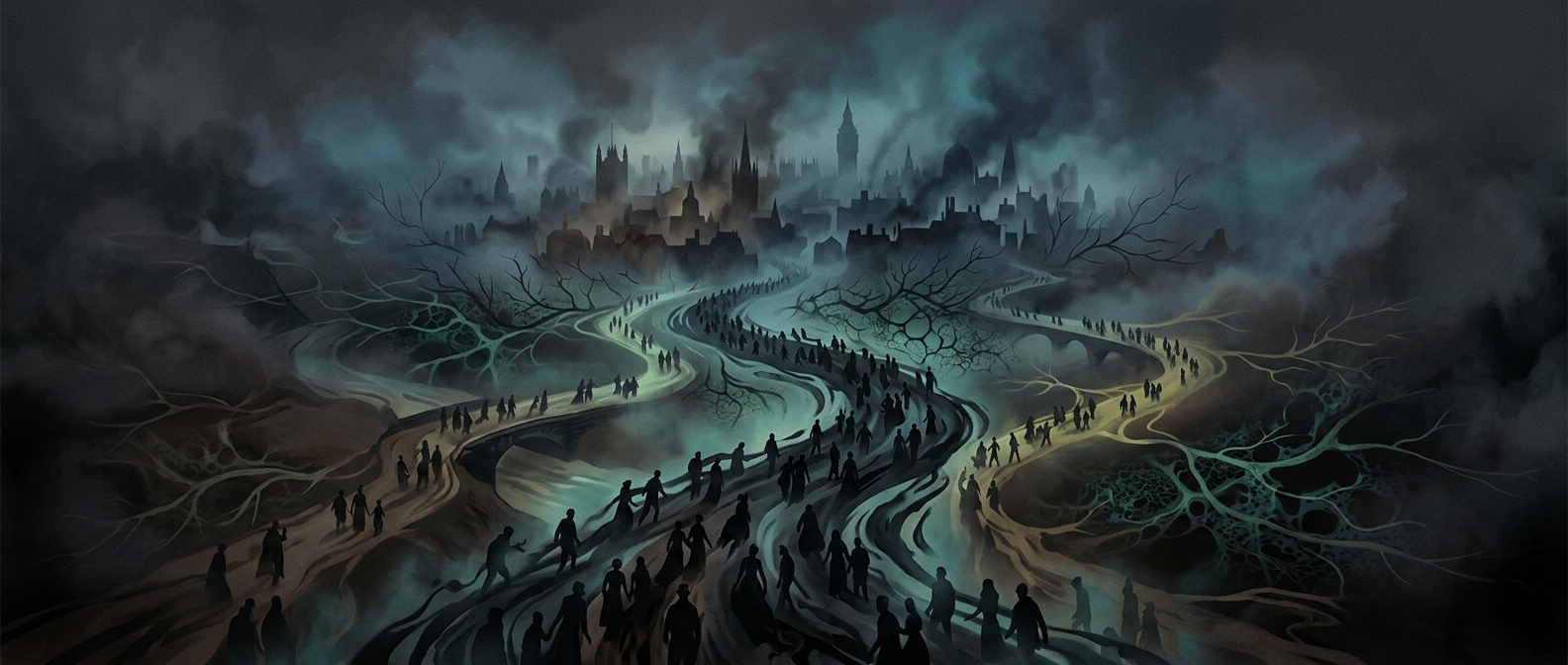
How panic helped cholera spread
In 19th-century London, cholera spread terror through alleys and marketplaces. Families fled in desperation, hoping to outrun the sickness. Ironically, their…
Discover more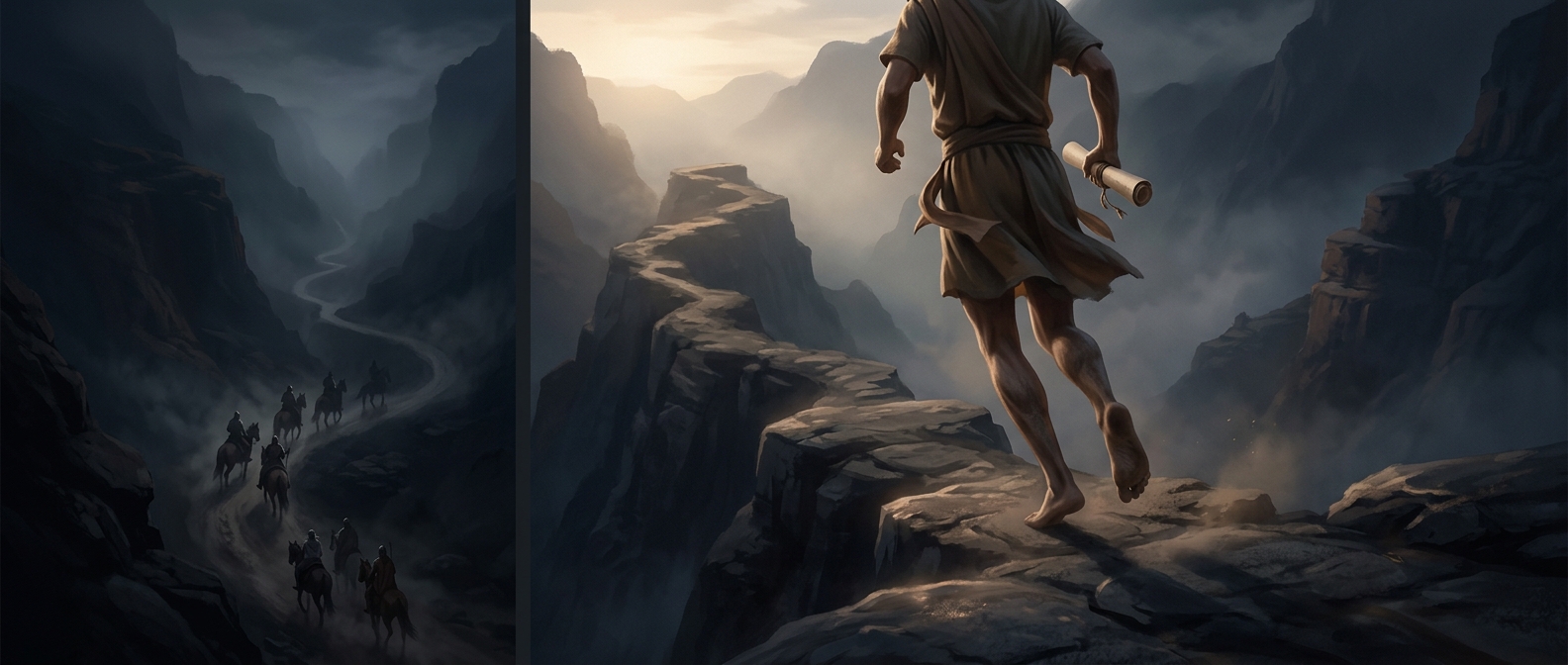
The runners who beat horses with royal messages
It sounds impossible, yet armies of messengers once ran across mountains and deserts on nothing but calloused feet — and they often beat horses. How? Empires…
Discover more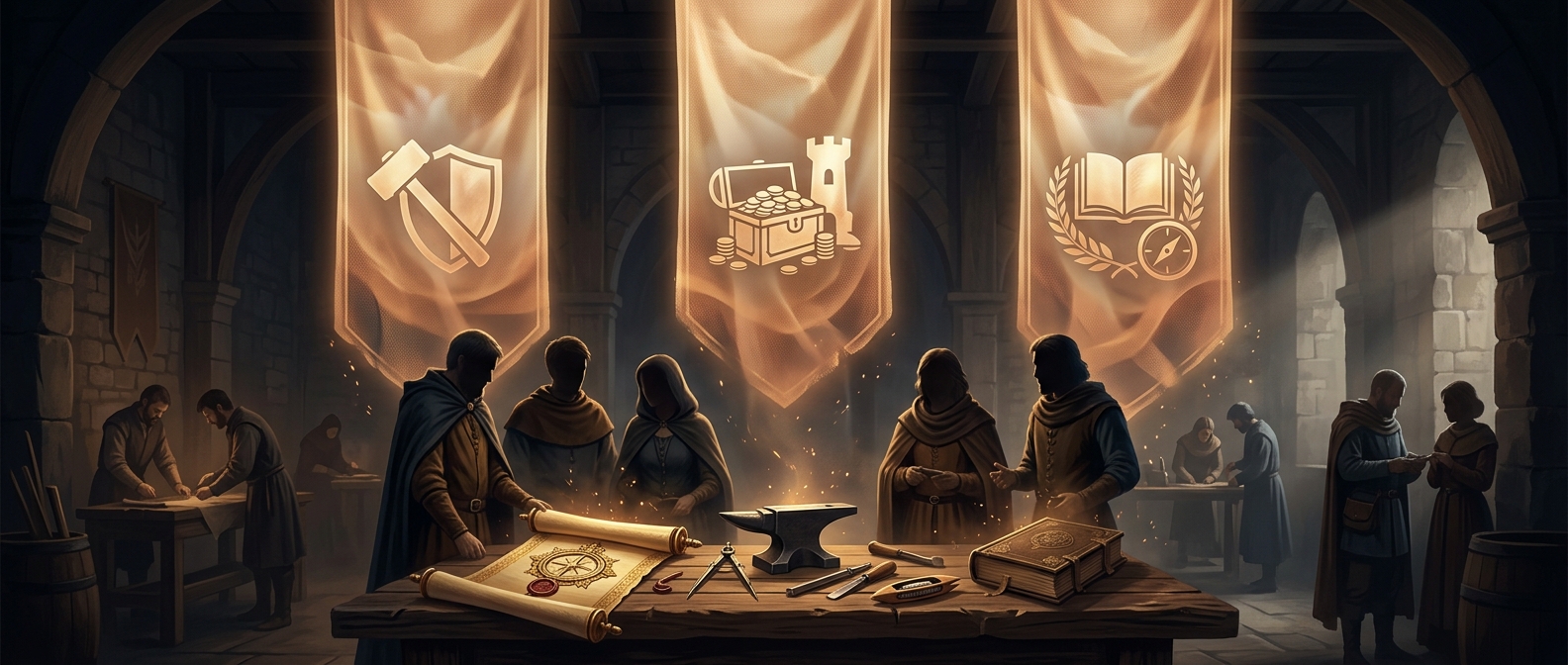
Medieval guilds acted like unions, monopolies, and schools all at once, shaping work for centuries
In medieval towns, guilds were more than work clubs—they were the secret engines running daily life. Imagine a blacksmith’s guild, where apprentices learned…
Discover more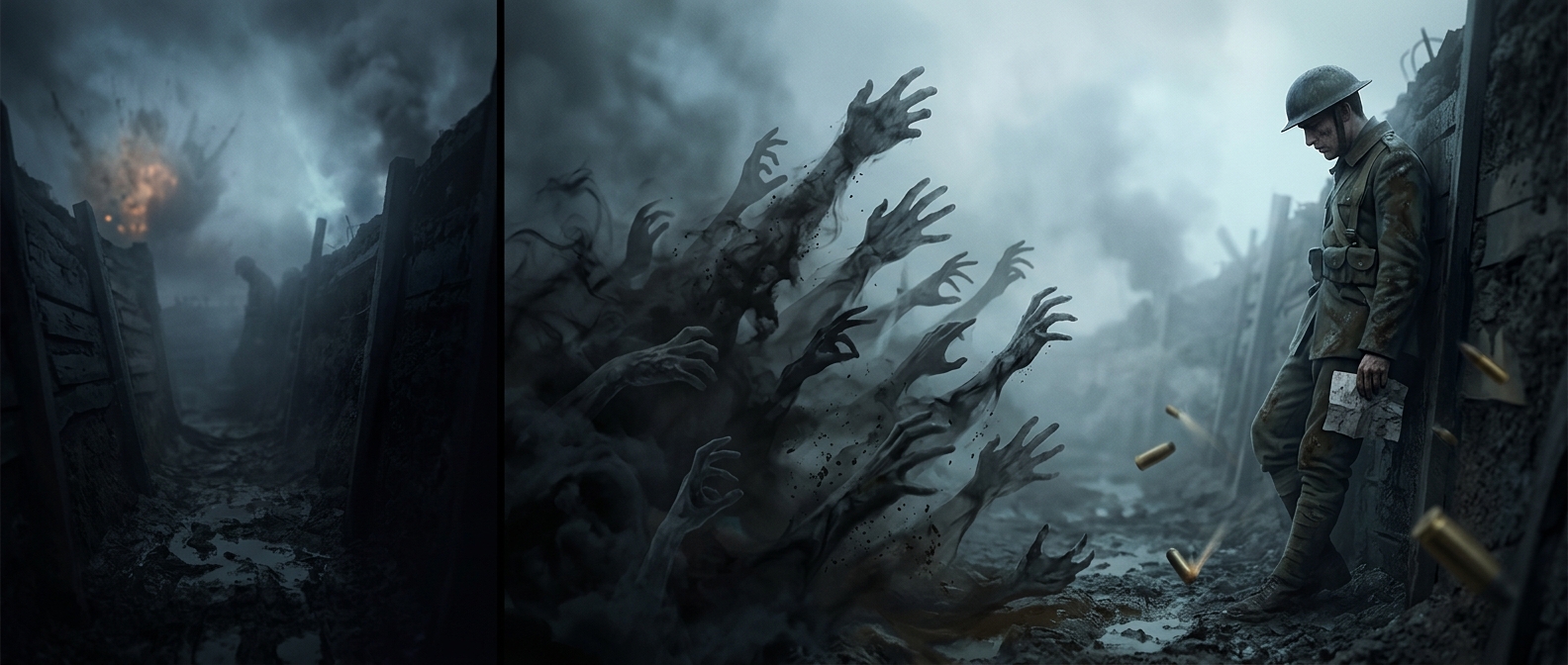
Letters from soldiers in World War I reveal boredom often killed morale faster than bullets or disease did
We often picture World War I as endless mud, shells, and noise—but the letters sent home tell another side of the story. Soldiers spoke of agonizing stretches…
Discover more