A closer look
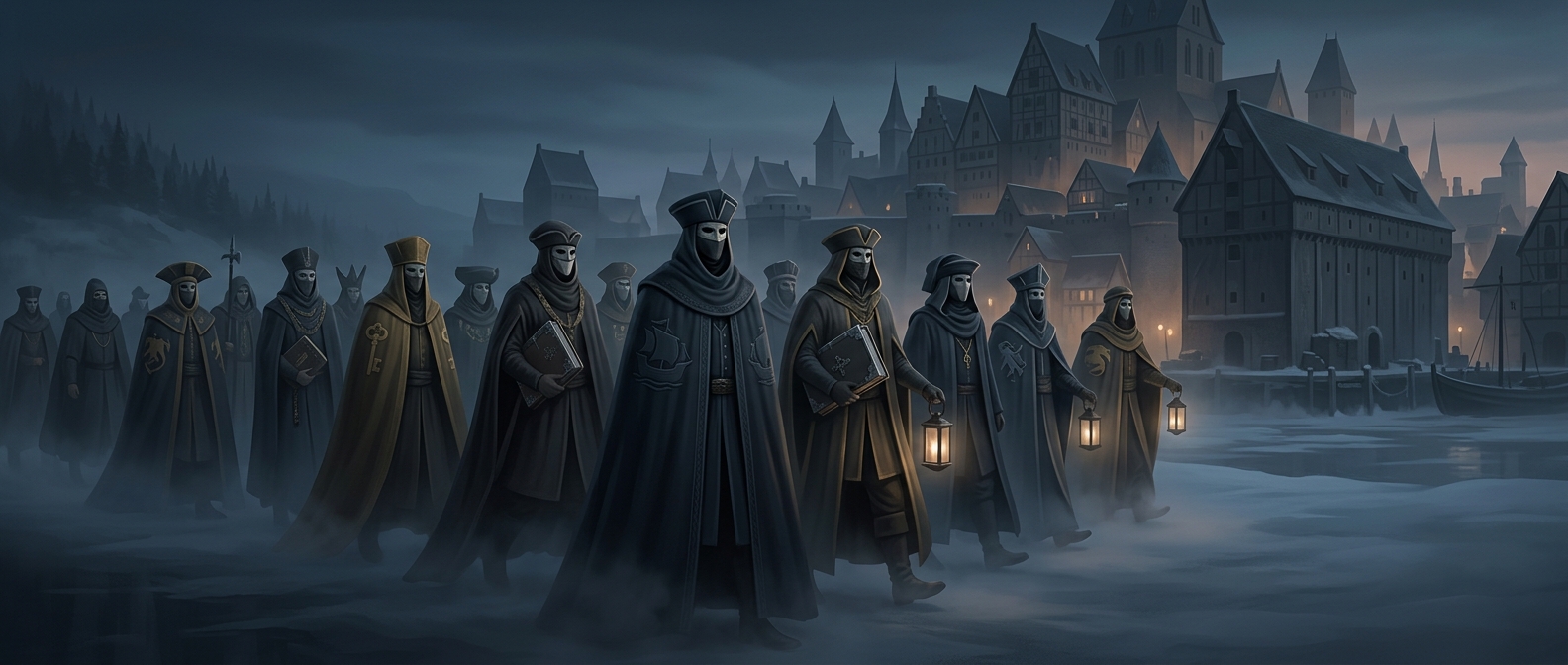
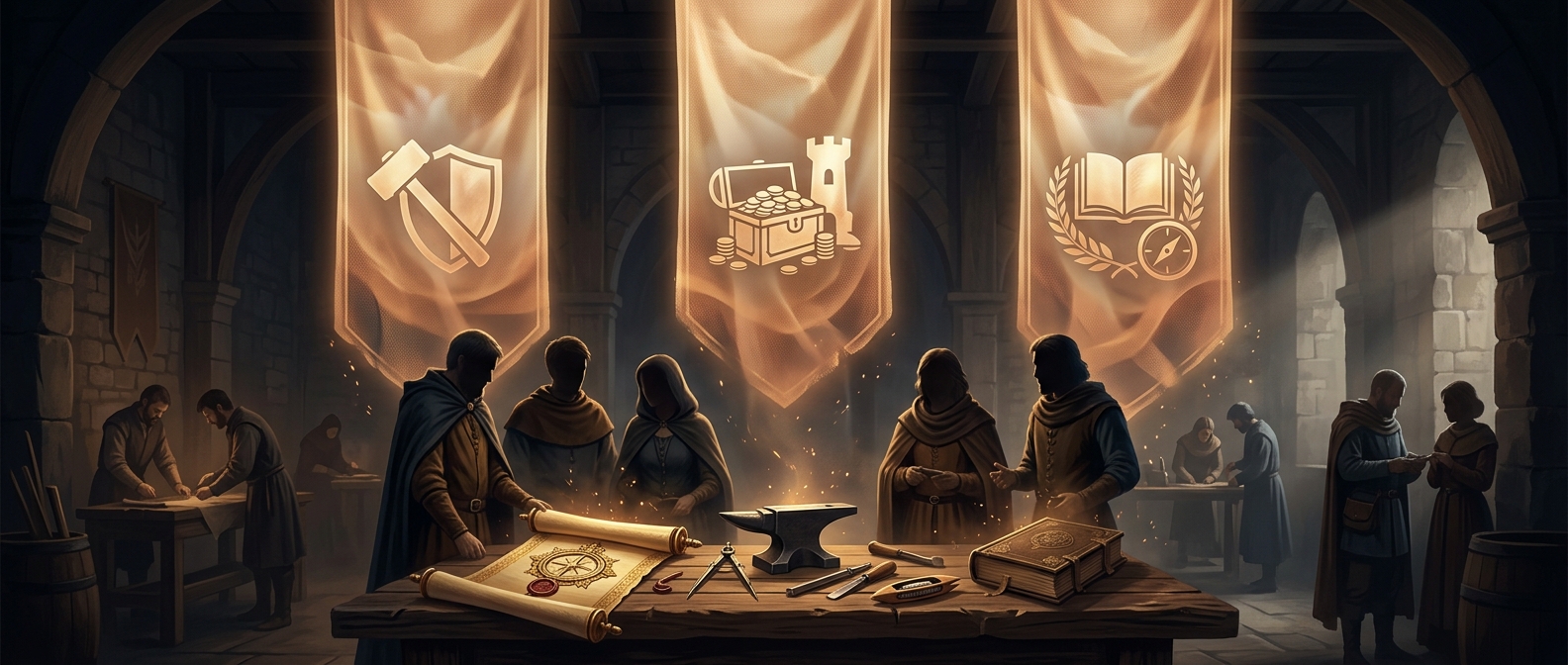
In medieval towns, guilds were more than work clubs—they were the secret engines running daily life. Imagine a blacksmith’s guild, where apprentices learned techniques, masters protected trade secrets, and every horseshoe hammered was part of a powerful network. They doubled as unions, defending workers’ rights, while simultaneously behaving like monopolies, setting prices and guarding entry. Guilds even handed down traditions, blending work with ritual. For centuries, they molded not just crafts but communities, laying frames for modern professions. Each guild was a miniature world where education, economy, and identity sparkled together under one proud banner.