Why a relay beat a horse
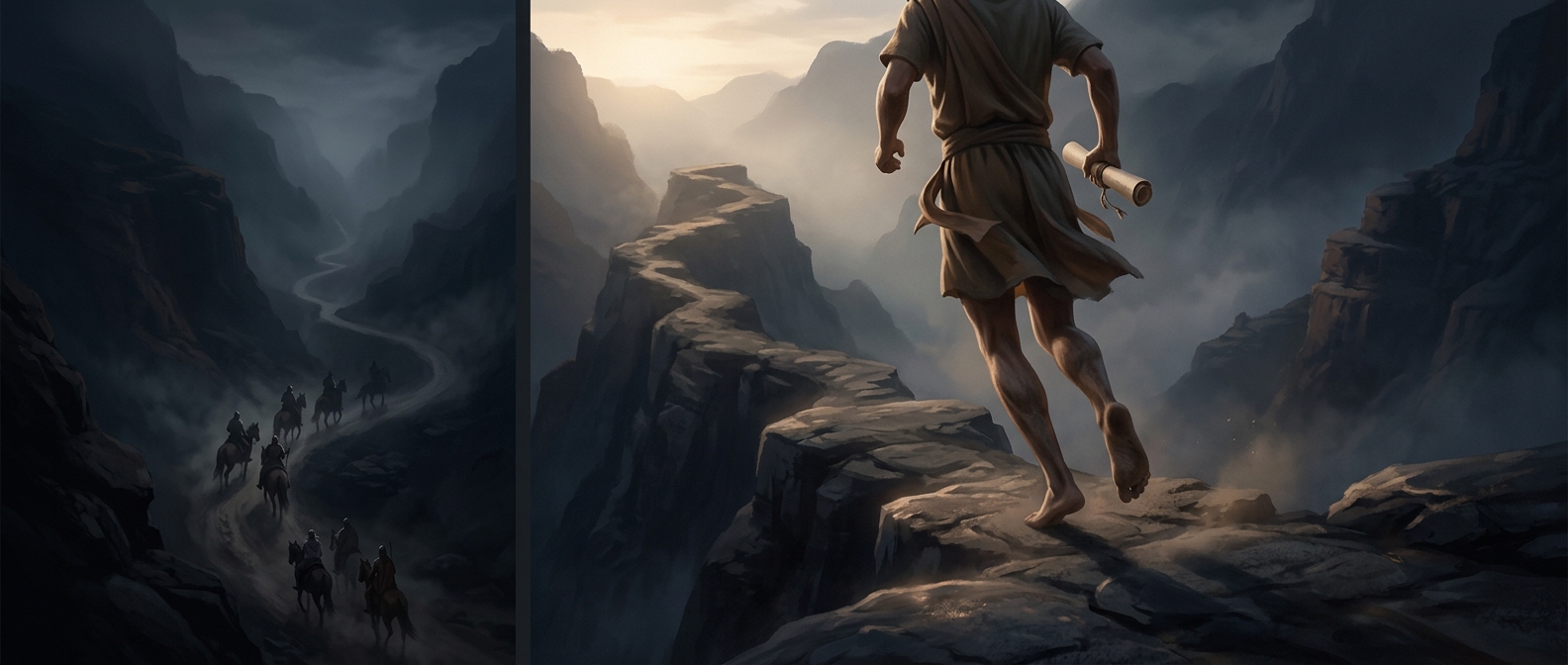
The Inca Empire’s mountain roads were built for people on foot, not for mounted couriers. On steep, narrow paths, a horse could be slow, awkward, or unable to pass at all. A runner could keep moving over that ground—and a relay system meant no single runner had to cover the whole journey.
The handoff was the crucial invention
Inca messengers, often called chasquis, ran between stations placed along the routes. At each stop, one runner passed the message to another, who continued toward the next station. The system traded a single courier’s endurance for a chain of fresh runners: while one carried the message, others could rest and prepare for their turn.
That handoff made speed more predictable across long distances. The empire’s roads connected varied terrain, but the relay let a message keep advancing even when the route climbed or narrowed. Messages could travel hundreds of miles in days without requiring a horse to navigate every stretch.
A fast network for governing at a distance
For rulers and officials, the value was not simply speed. News and instructions could move between the imperial center and far-flung communities, helping the state coordinate across a vast, difficult landscape. The runners were human links in infrastructure: roads gave them a route, stations organized the transfer, and the next courier kept the message moving.
The striking consequence is that the obstacle—mountain terrain that made horses poor couriers—helped shape a different kind of speed. Instead of one rider racing across the empire, many runners carried the same message forward, one handoff at a time.