When the bar became a destination
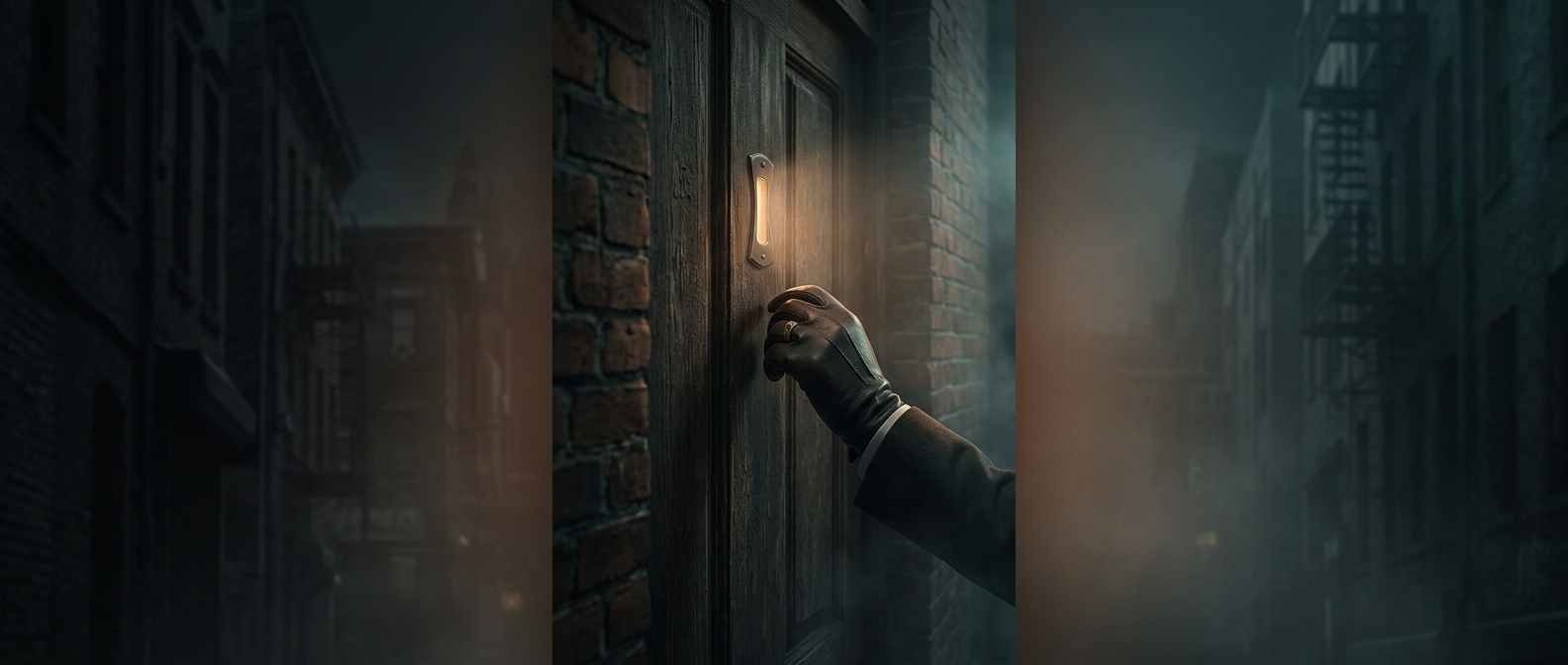
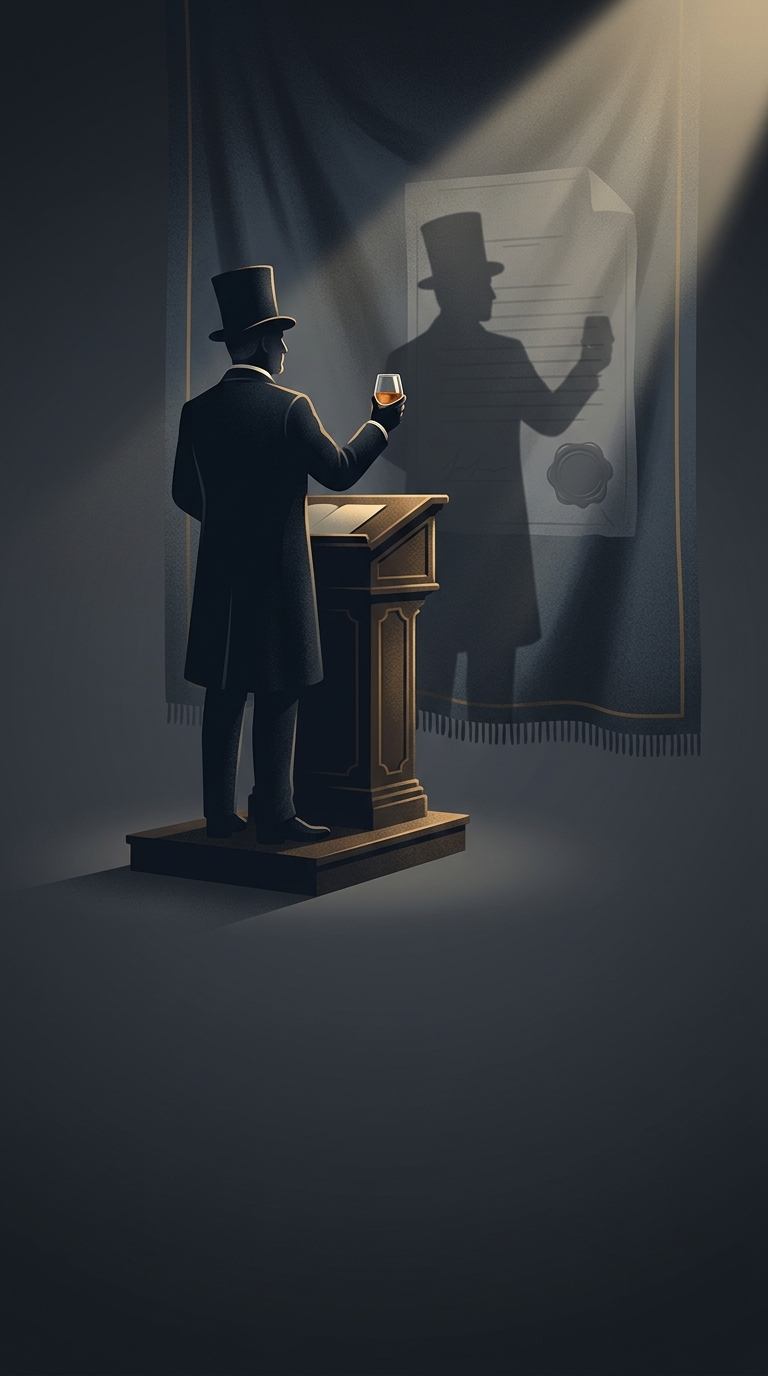
Prohibition did not end Americans’ demand for alcohol; it made serving alcohol illegal. From 1920 to 1933, people who wanted a drink had to seek out places operating outside the law. That changed the practical geography of a night out: instead of choosing a bar on a busy street, customers might need an introduction, a discreet entrance, or directions to a hidden room.
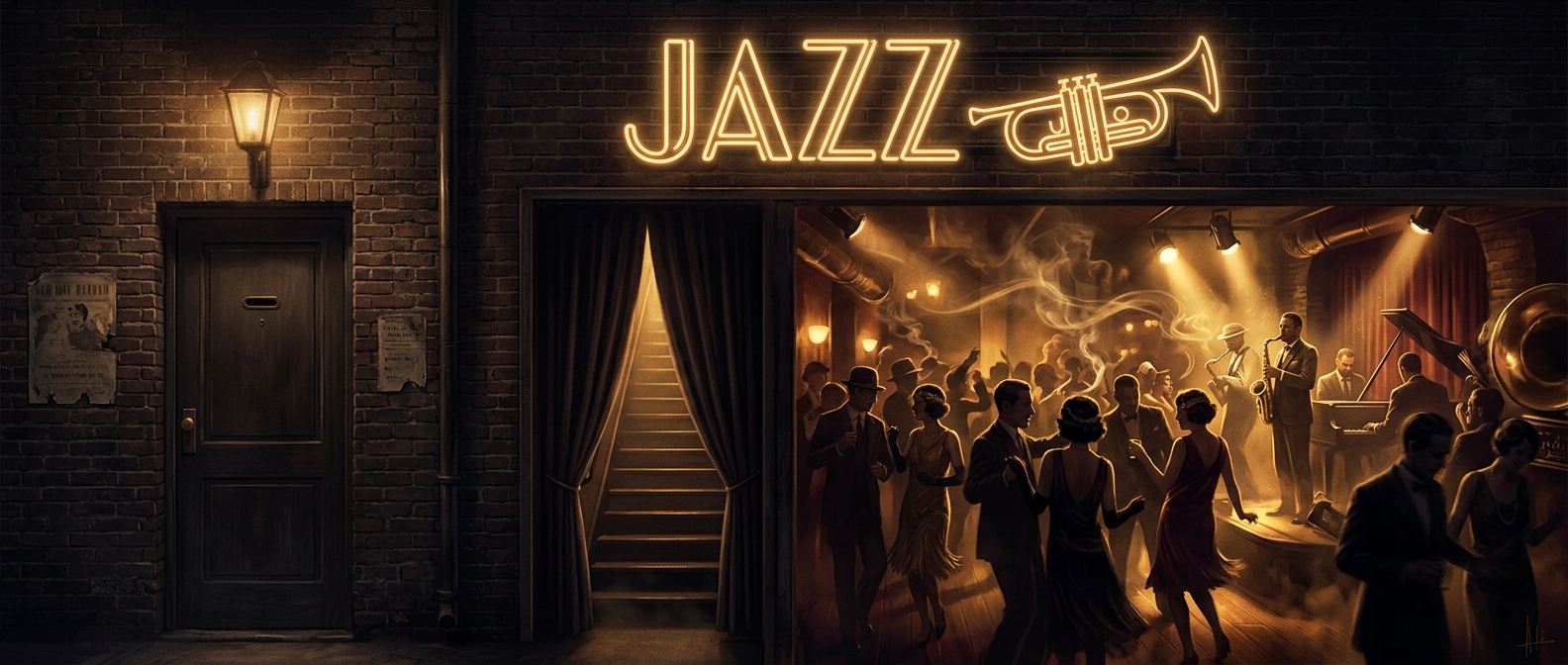
The secrecy did more than conceal a business. It gave the venue a sense of discovery. Finding the door—and being admitted—became part of the evening, turning a drink into an outing with its own rituals and social currency. The experience depended on trust: proprietors needed customers who would not expose them, and patrons needed to believe the club would remain open and safe enough for the night.
From illicit room to nightlife scene
These clubs often combined drinking with music and dancing. That mix encouraged people to stay, socialize, and treat the venue as a place to be seen, not merely a place to buy a drink. Jazz gained prominence in many such settings, though speakeasies varied widely; there was no single model of a Prohibition-era club.
The law also shaped how these businesses operated. Because a raid or arrest could close a venue, owners had reason to keep a low profile, while enforcement could be uneven and corruption sometimes protected illegal businesses. The result was a nightlife culture built around both pleasure and risk.
When legal drinking returned in 1933, the hidden-door routine was no longer necessary. But Prohibition had helped establish a durable idea: a night out could be about entering a particular scene, with music, atmosphere, and a story attached—not just ordering a drink. The door itself had become part of the entertainment.