How Industrial Alcohol Became a Weapon in Prohibition
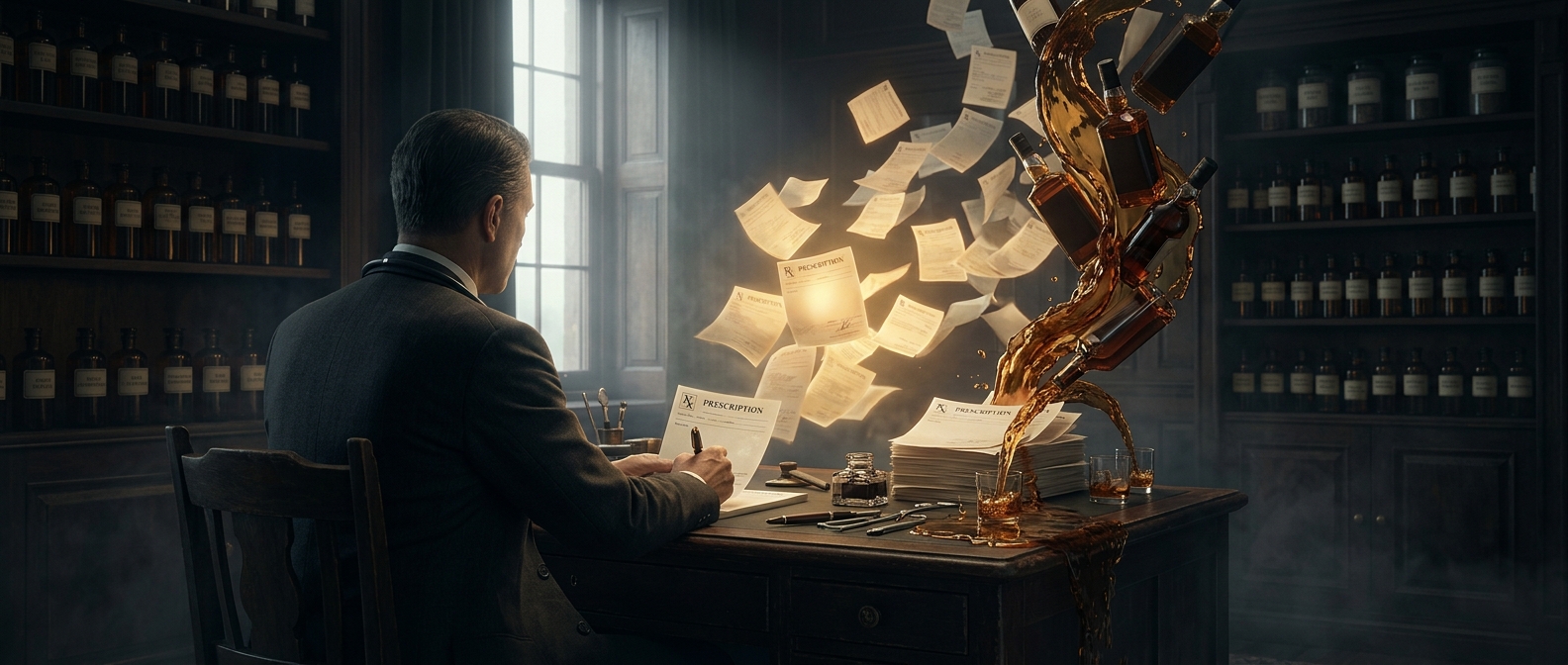
During Prohibition, the federal government faced a practical obstacle: industrial alcohol was useful for making products such as solvents and fuels, but it could also be diverted into illegal liquor. Officials required manufacturers to “denature” it—mix in substances that made it poisonous or foul-tasting and therefore supposedly unfit to drink.
As bootleggers found ways to process industrial alcohol for resale, the government tightened the formulas. Some included methanol, a highly toxic alcohol that can cause blindness, organ failure, or death. The policy was intended to make diverted alcohol harder to turn into drinkable liquor, not to poison legal beverages. But officials knew that people might still drink the resulting products.
Why the Poison Reached Drinkers
Denaturing did not guarantee that every harmful chemical would be removed during illicit processing. Bootleggers might distill or otherwise treat the alcohol, but their methods varied, and dangerous substances could remain in the liquor. Some sellers also used other toxic ingredients to increase volume or strength. A bottle’s appearance offered no reliable way for a customer to tell what it contained.
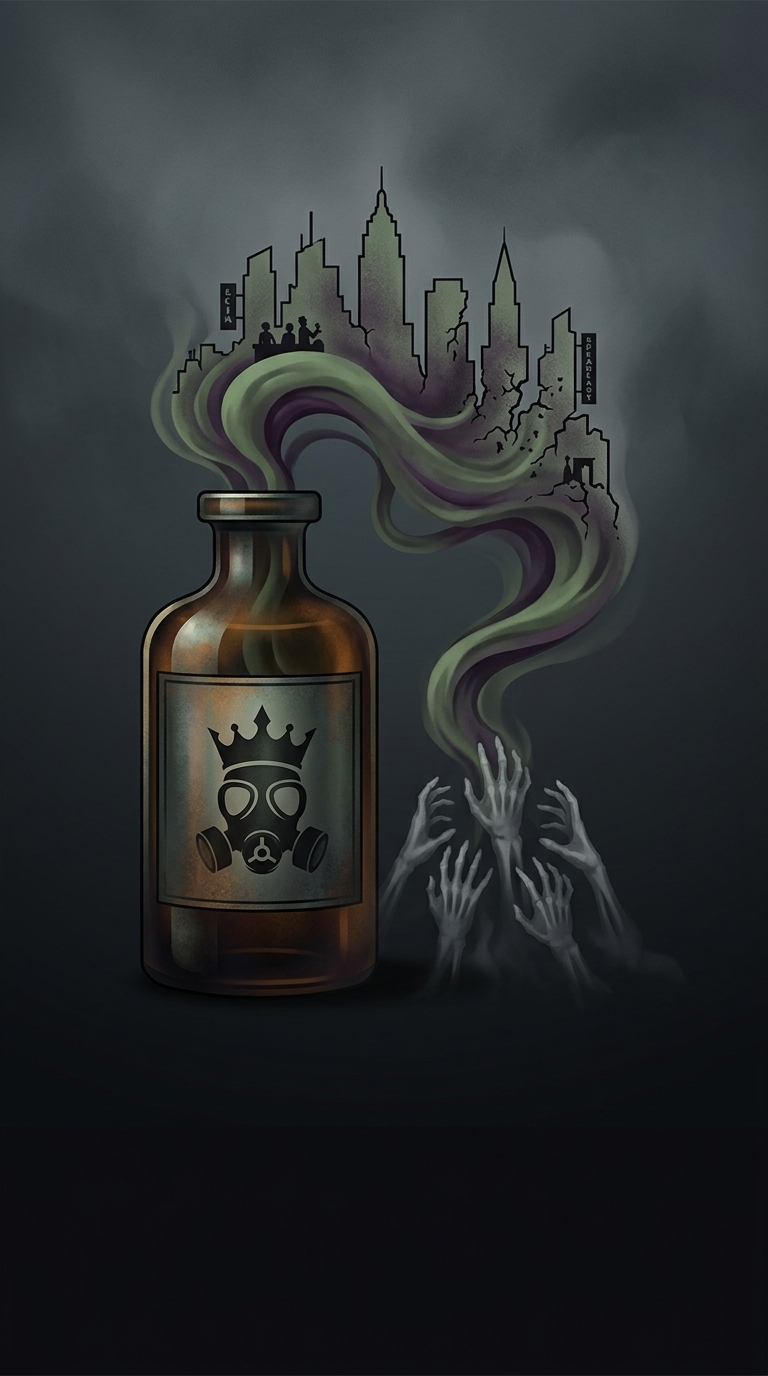
The government’s approach placed the burden of enforcement partly on the supply itself: make industrial alcohol so dangerous to divert that bootleggers would be deterred. In practice, that strategy exposed people who bought illegal liquor to risks they could neither see nor measure. The deaths were not all necessarily caused by one ingredient or one production method, but poisoning from denatured alcohol became a deadly consequence of the crackdown.
A Policy With Human Costs
Estimates commonly put the toll at roughly ten thousand deaths. The figure reflects a broad, difficult-to-count public-health disaster, rather than a precise tally of people killed by a single formula. The policy’s central contradiction was stark: measures designed to protect industrial supplies from illicit use made some illegal liquor far more dangerous, while prohibition kept drinkers and sellers outside ordinary safety controls.