A Door Had to Keep More Than Customers Out
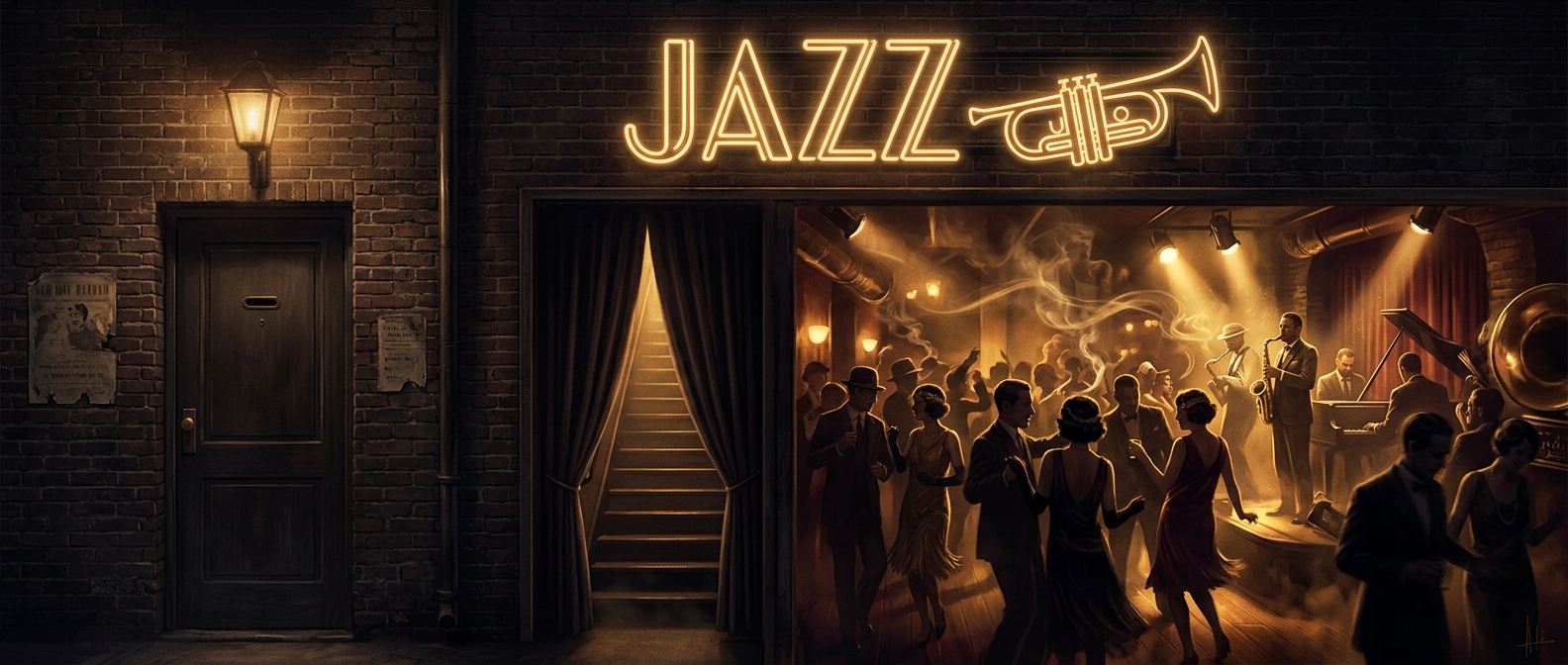
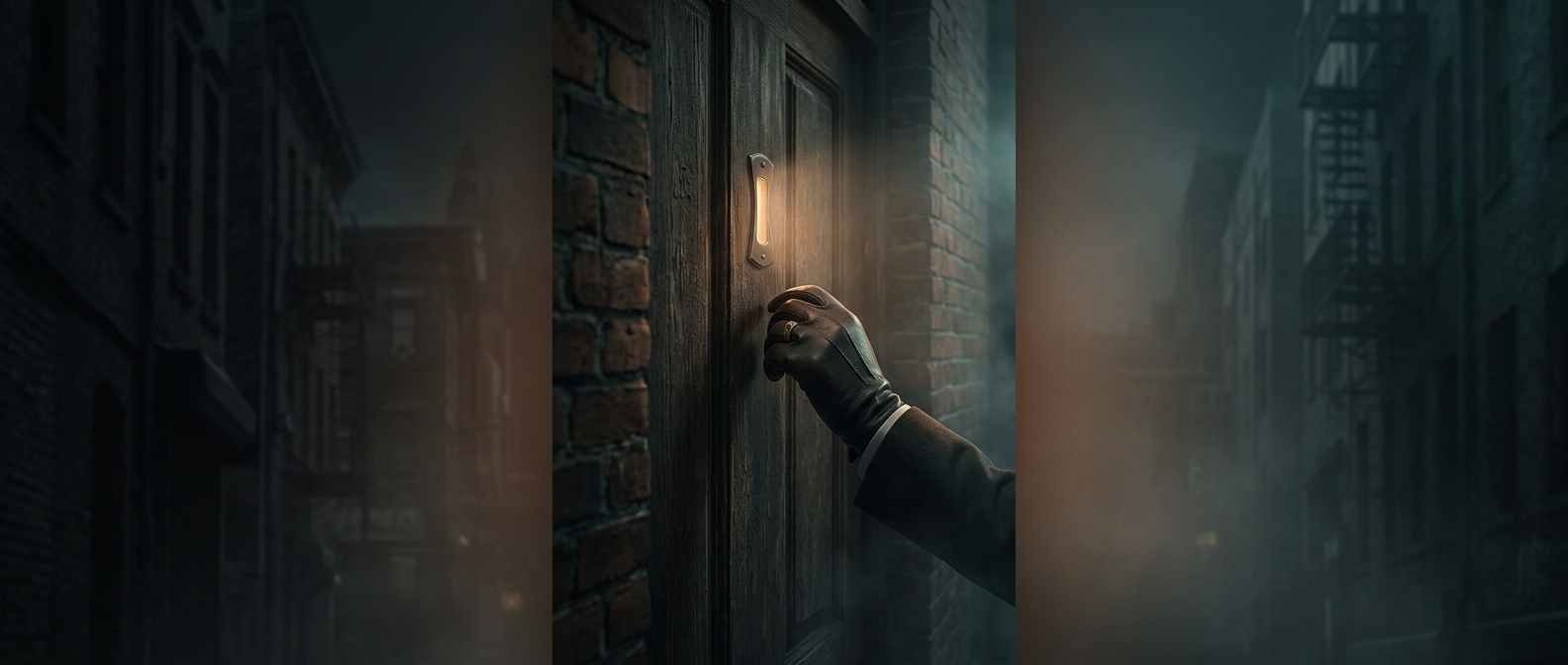
During Prohibition, when making and selling alcoholic drinks was illegal in the United States, a hidden bar faced a practical problem: anyone who found its entrance could bring danger with them. A stranger might be a police officer, a rival, or simply someone careless enough to expose the place. A password or agreed-upon knock gave the person inside a chance to screen visitors before opening the door.
The knock worked as a small security procedure. Regular patrons learned the signal, while newcomers usually needed someone trustworthy to introduce them or tell them what to say. At some entrances, a peephole or narrow slot let the doorman check a visitor without revealing the room beyond. The door was not just an entrance; it was the first layer of the bar’s concealment.
Secrecy Was a Social System
These signals depended on more than a clever code. They worked only if customers kept quiet, staff recognized the right people, and visitors understood that being admitted was a privilege rather than a guarantee. A password could change, and a person who did not know the current one might be turned away. Such precautions also helped limit the crowd: fewer people meant fewer chances for a conspicuous line, a careless conversation, or an unwanted visitor to draw attention.
Not every hidden bar used the same method, and a secret knock was no magic protection against a raid. Its value was more immediate: it bought the people inside a moment to decide whether to open the door. That brief pause turned an ordinary doorway into a controlled boundary—and made belonging something a patron had to demonstrate before the night could begin.