A Frontier Store With a Tavern License
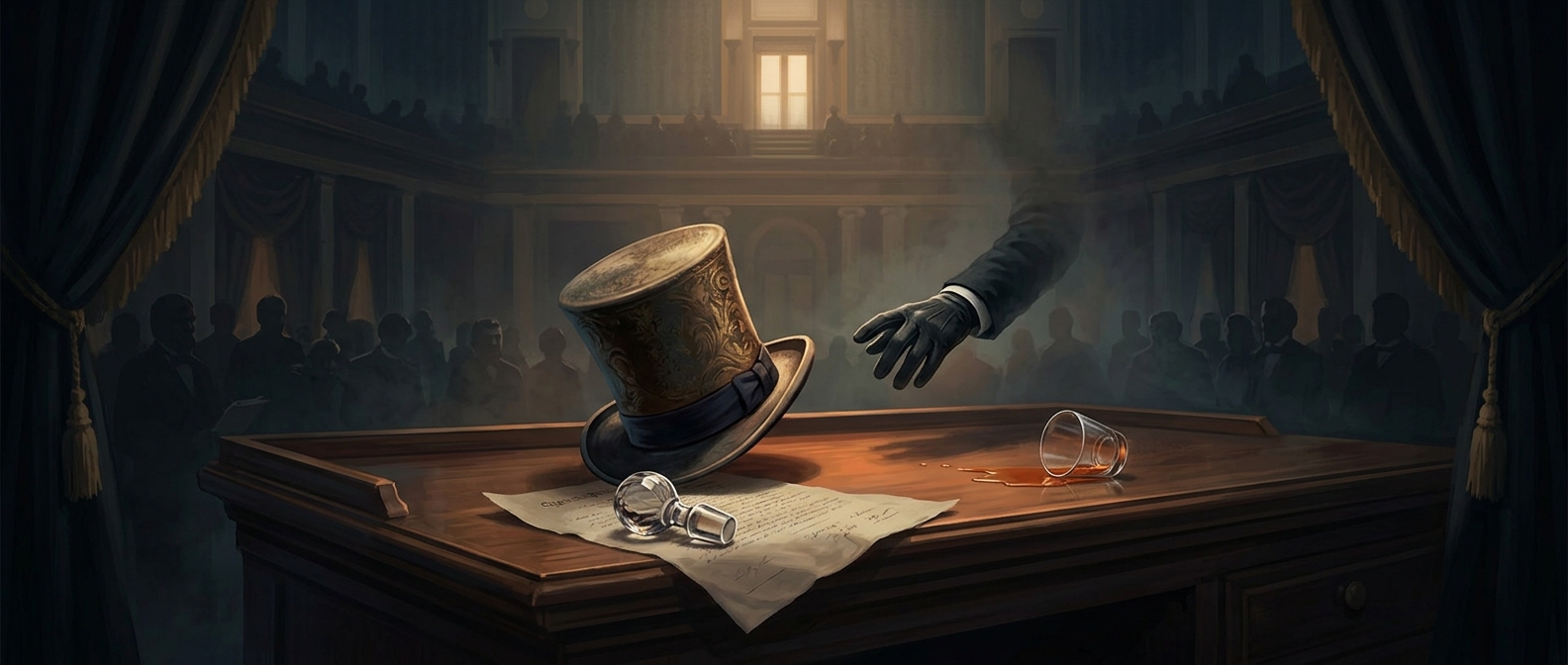
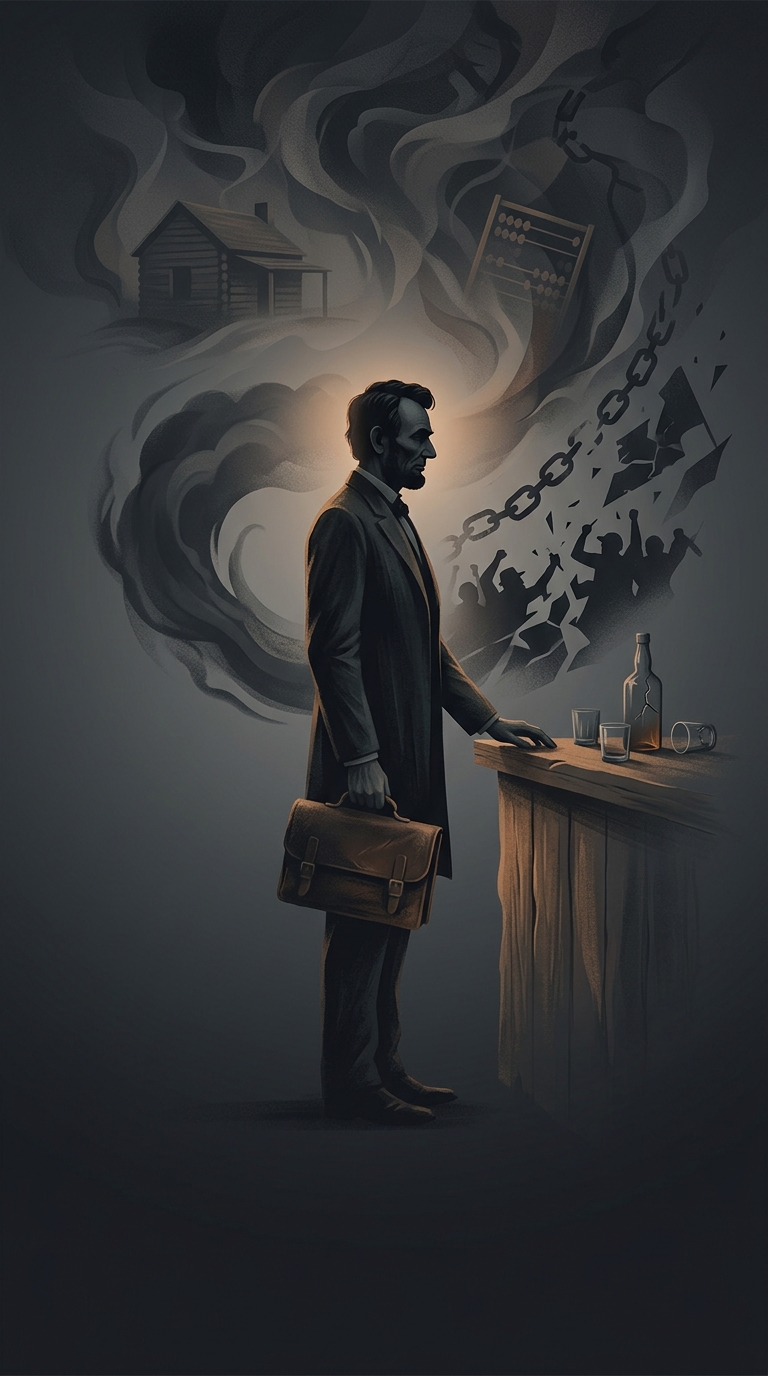
In New Salem, a small Illinois settlement, Abraham Lincoln and William Berry went into business together in the early 1830s. Their enterprise was more than a modern-style bar: frontier stores often combined retail goods with food, drink, and lodging. A liquor license gave the partners legal permission to sell alcohol, making Lincoln’s role as a licensed seller an unusual footnote to his later presidency.
That license tells us about the work he took on, not how well the business performed. In a settlement where customers were scattered and money could be scarce, a store’s fortunes depended on the partnership’s ability to manage stock, credit, and cash—not simply on how many drinks it sold.
When a Partner’s Drinking Became a Business Debt
Berry’s drinking became a serious problem for the partnership. As money and obligations accumulated, Lincoln was left responsible for debts tied to the failed venture. He spent years paying them off, a long financial burden for a young man trying to establish himself in public life.
The episode shows how quickly a small frontier business could turn personal habits into shared liabilities. A license could authorize the sale of liquor, but it could not protect a partner from the consequences of poor financial control. Lincoln’s connection to the trade is memorable; the debt that followed makes the story more than a presidential novelty.