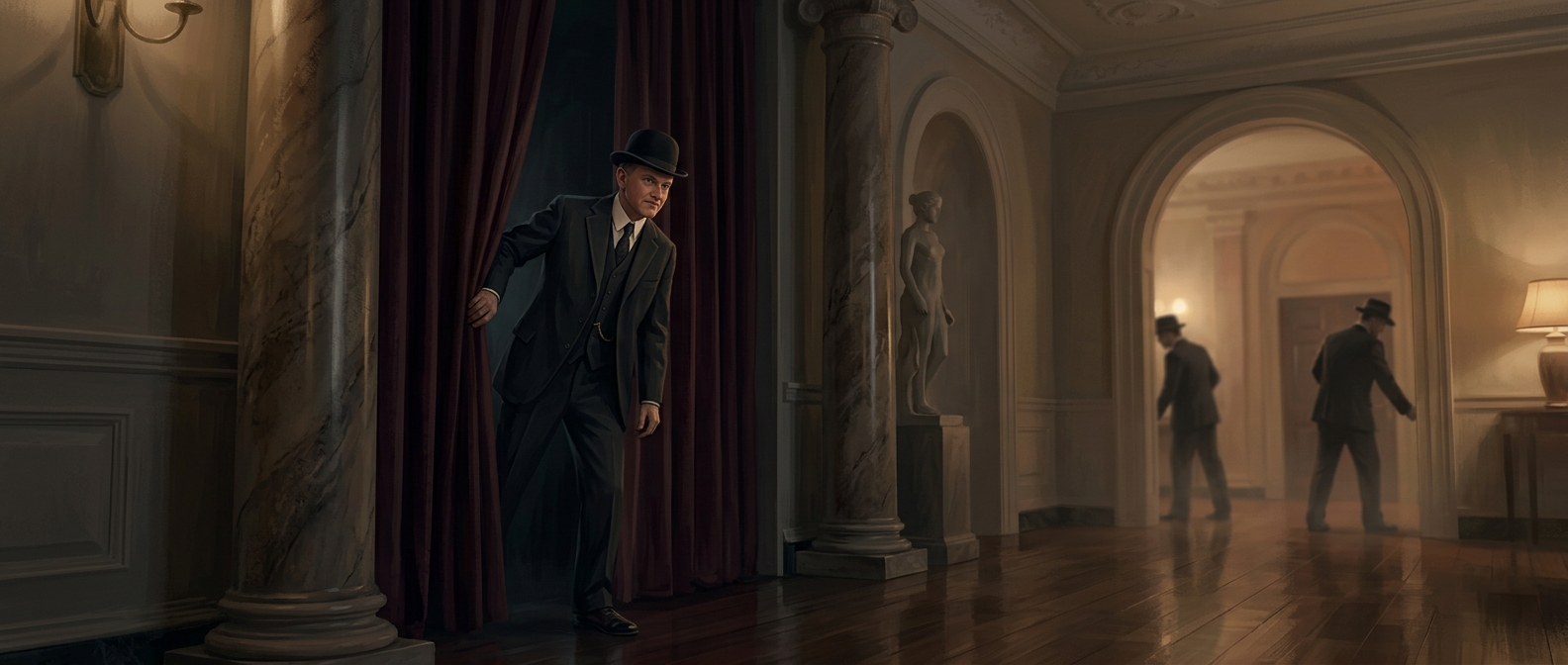
A small frame, a large political role
Madison’s height is striking partly because portraits and public monuments tend to make early American leaders seem physically imposing. But political authority in the new republic did not depend on commanding size. It depended on persuading people who disagreed about how much power a national government should have.
At the Constitutional Convention, Madison helped shape that debate by preparing closely, arguing for a stronger national framework, and recording the proceedings. Those notes later became an important account of what delegates considered and contested. His influence came through ideas and institutional design, not physical presence.
Influence built into institutions
Madison’s work continued beyond the convention. He helped explain and defend the proposed Constitution in essays later known as The Federalist, written with Alexander Hamilton and John Jay. The Constitution’s system of divided powers and checks among branches reflected a practical concern: government needed enough authority to act, but also safeguards against concentrating power.
That kind of influence is less visible than a dramatic speech or a commanding appearance. It works by shaping rules that outlast the people who wrote them. Madison’s stature offers a memorable contrast: a man of modest height helped design a political structure whose reach would extend far beyond any one person.