A swim that became an interview
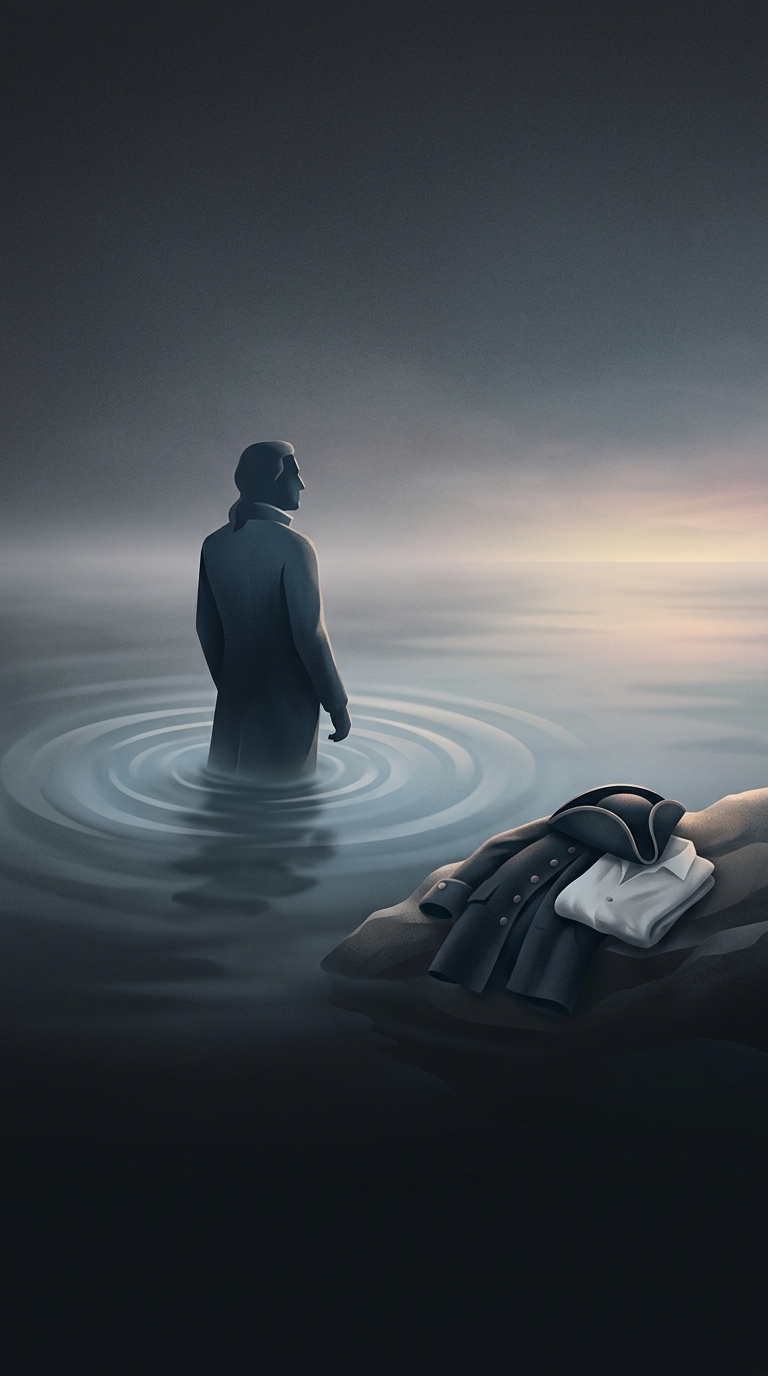
John Quincy Adams’s early-morning swims in the Potomac were private in one sense—he went to the river before the day’s business began—but they also created an unusual opening for a determined reporter. According to the familiar story, journalist Anne Newport Royall found Adams bathing and took or held onto his clothes, making him stay and answer her questions before he could leave.
The encounter was no scheduled press conference. Its force came from the setting: Adams could not simply end the conversation by walking away without first recovering his clothing. The story turns a presidential routine into a small contest over who controlled access to the president.
Why Royall’s method mattered
Royall was a writer who sought out prominent people for interviews at a time when women faced substantial barriers in public and professional life. A direct approach—especially one that ignored the usual courtesies of an official appointment—could get her a conversation that a more conventional request might not. The episode is often retold because it makes that imbalance vivid: the president had the office, but Royall briefly controlled the terms of the encounter.
The anecdote’s lasting appeal lies in its reversal of roles. Adams’s swim was meant to begin his day on his own terms; Royall turned the moment into an opportunity to ask questions. Even without a desk, an appointment, or a formal interview room, she made access itself the story.