A campaign speech interrupted by gunfire
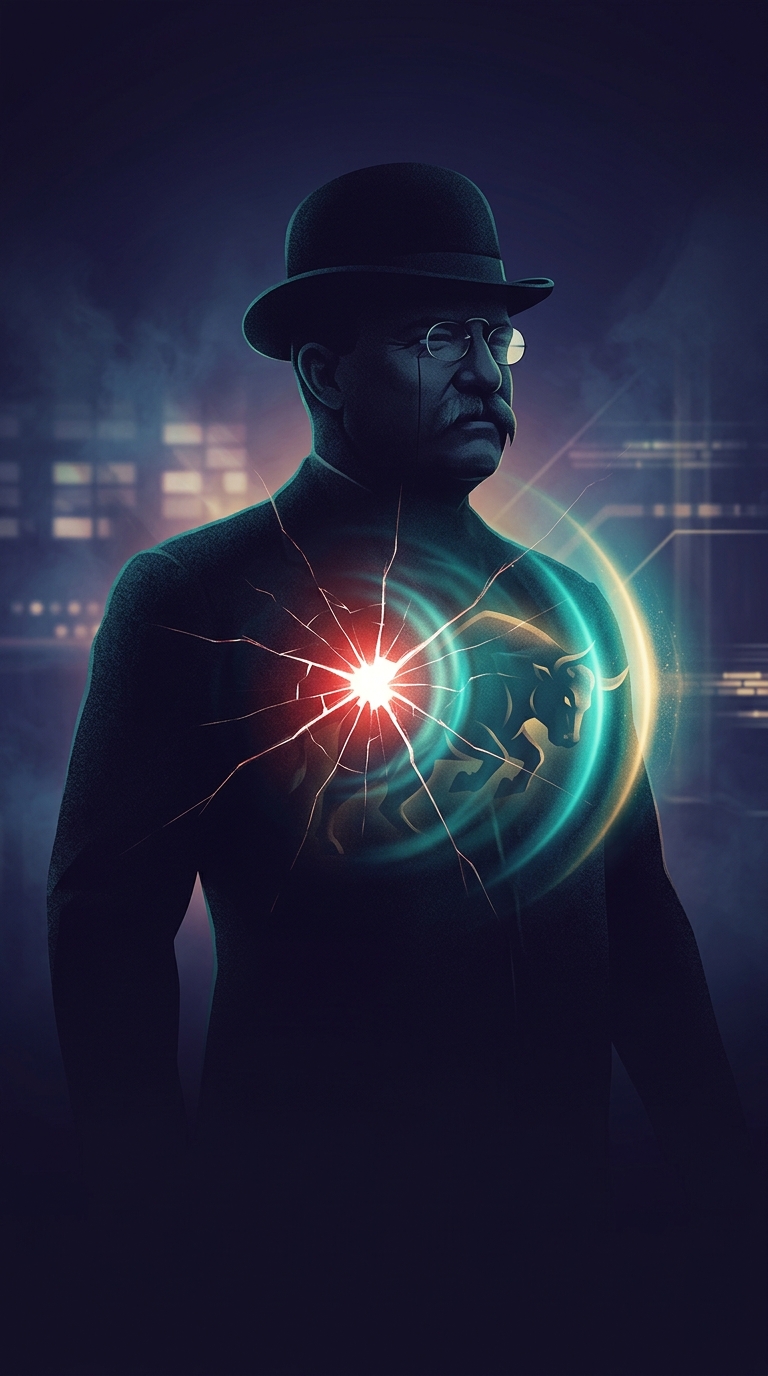
The moment came in Milwaukee on October 14, 1912, while Theodore Roosevelt was campaigning for president as the candidate of the newly formed Progressive Party. As he was leaving his hotel for a speech, John Schrank shot him at close range. Roosevelt was wounded in the chest, but he went on to address the crowd before getting medical treatment.
Why he could keep speaking
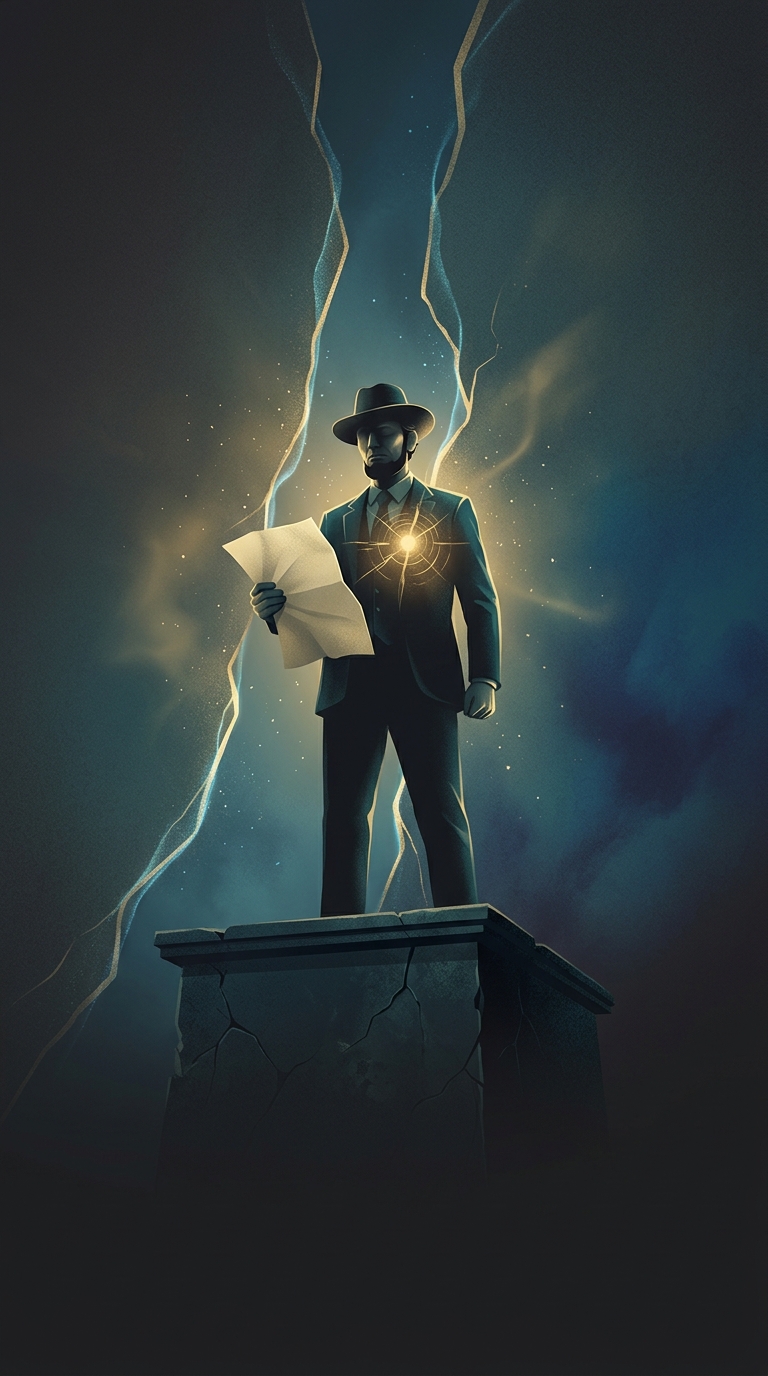
The bullet had passed through Roosevelt’s folded speech manuscript and a metal eyeglass case in his breast pocket before entering his chest. Those objects slowed it, though they did not make the wound harmless. Doctors later determined that the bullet had lodged in his chest wall rather than penetrating his lung.
Roosevelt’s decision to speak was a calculated judgment, not proof that he was uninjured. He checked whether he was coughing blood, a sign that might have suggested a serious lung injury, and concluded he could continue. He then spoke for roughly 90 minutes, with the bullet still inside him.
The campaign continued—but the shot had consequences
The shooting became part of the campaign’s public drama, reinforcing Roosevelt’s image of physical toughness. But the wound also forced him to pause campaigning while he recovered. The election went ahead with Roosevelt, Republican William Howard Taft, and Democrat Woodrow Wilson competing for the presidency; Wilson won.
The striking detail is how ordinary campaign materials altered the emergency: paper and a spectacle case helped slow the bullet enough for Roosevelt to finish his address, but only a medical examination could establish how badly he had been hurt.