How Nellie Bly made herself a patient
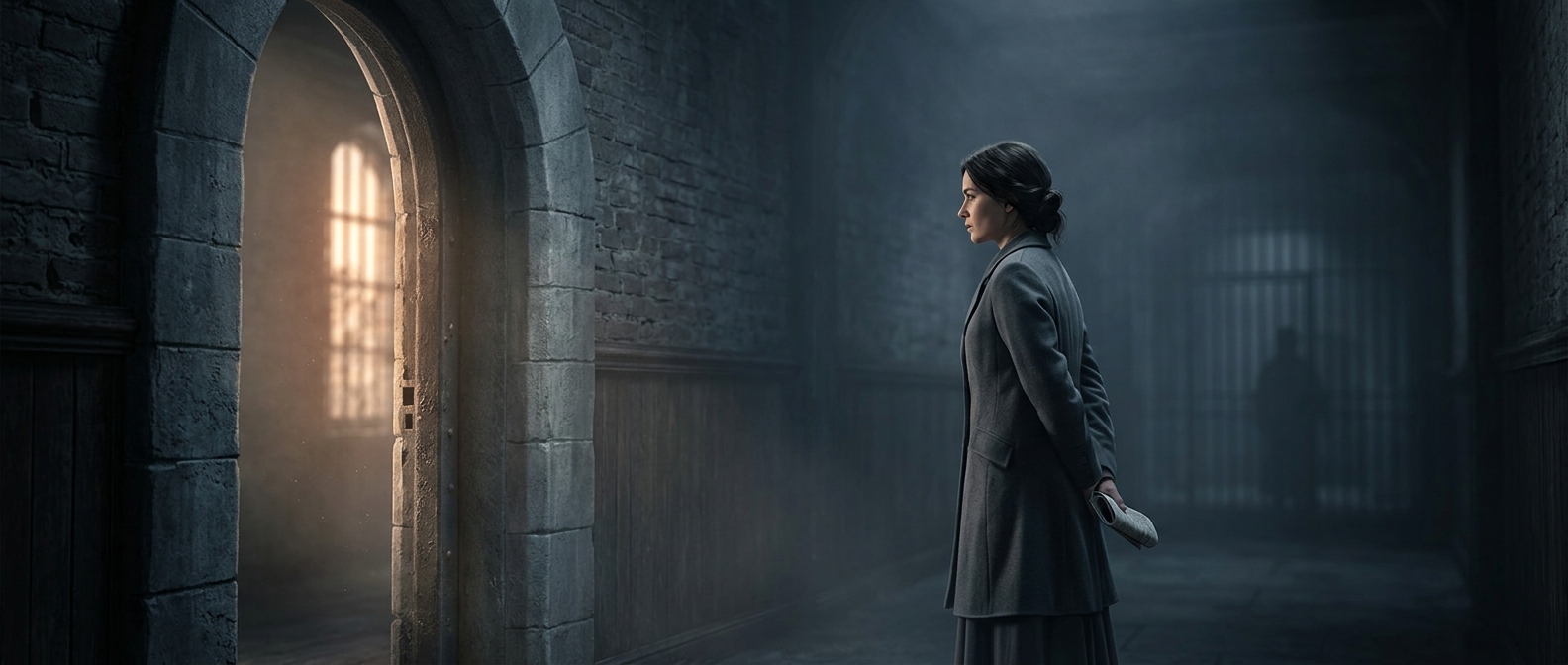
In 1887, reporter Nellie Bly set out to learn what happened inside New York’s asylum for women on Blackwell’s Island. Rather than rely on official tours or secondhand accounts, she adopted the manner of a distressed, confused woman and used the name Nellie Brown. After being judged insane, she was committed and taken to the institution.
The deception gave Bly access to routines that outsiders rarely saw. Once inside, she stopped performing madness and tried to explain that she was sane. Staff did not believe her. That gap between what she said and what officials had already decided became central to her investigation: a person could be trapped not only by the institution’s locked doors, but by a diagnosis that made her protests seem like further proof of illness.
When not speaking English became a liability
Bly observed women who could not communicate in English and therefore had little chance of making their circumstances understood. In a system where staff controlled patients’ daily lives, a language barrier could turn confusion or fear into apparent evidence of mental illness. The women’s presence also raised a disturbing question: how could anyone reliably distinguish a patient who needed psychiatric care from someone who was simply unable to make herself understood?
Bly described harsh conditions, including poor food and cold-water treatment. Her account made these experiences legible to readers outside the asylum—not as rumors, but as details she said she had witnessed while confined there herself.
From a newspaper story to public pressure
After ten days, Bly was released and published her findings as Ten Days in a Mad-House. The reporting drew attention to the asylum’s treatment of patients and helped spur a city investigation and increased funding for mental-health services. It did not, by itself, solve the larger problem of judging and caring for vulnerable people. But it showed how much could remain hidden when patients had little power to challenge the people and procedures controlling them.
The episode’s lasting force lies in that imbalance: Bly could leave because her assignment had an end; the women she wrote about had no such guarantee.