A ceremonial speech became a public crisis
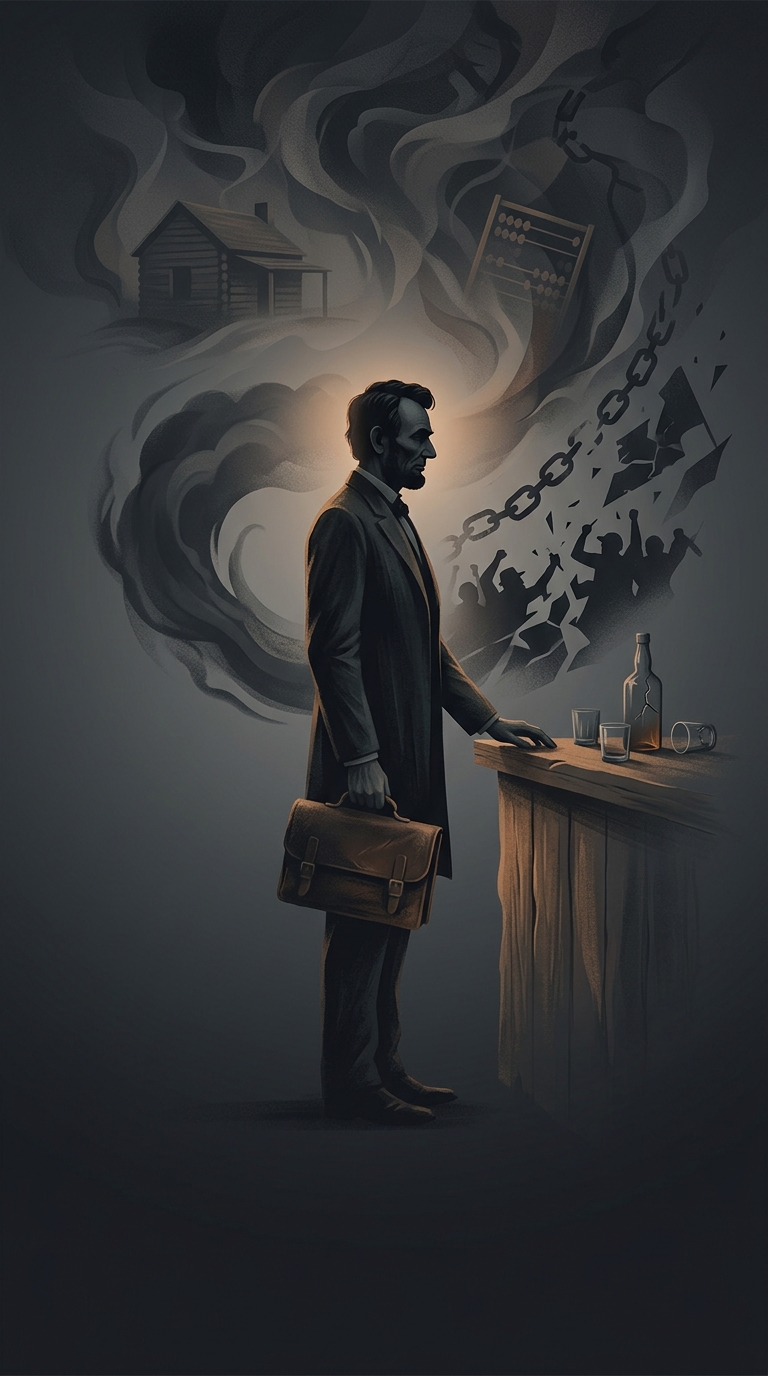
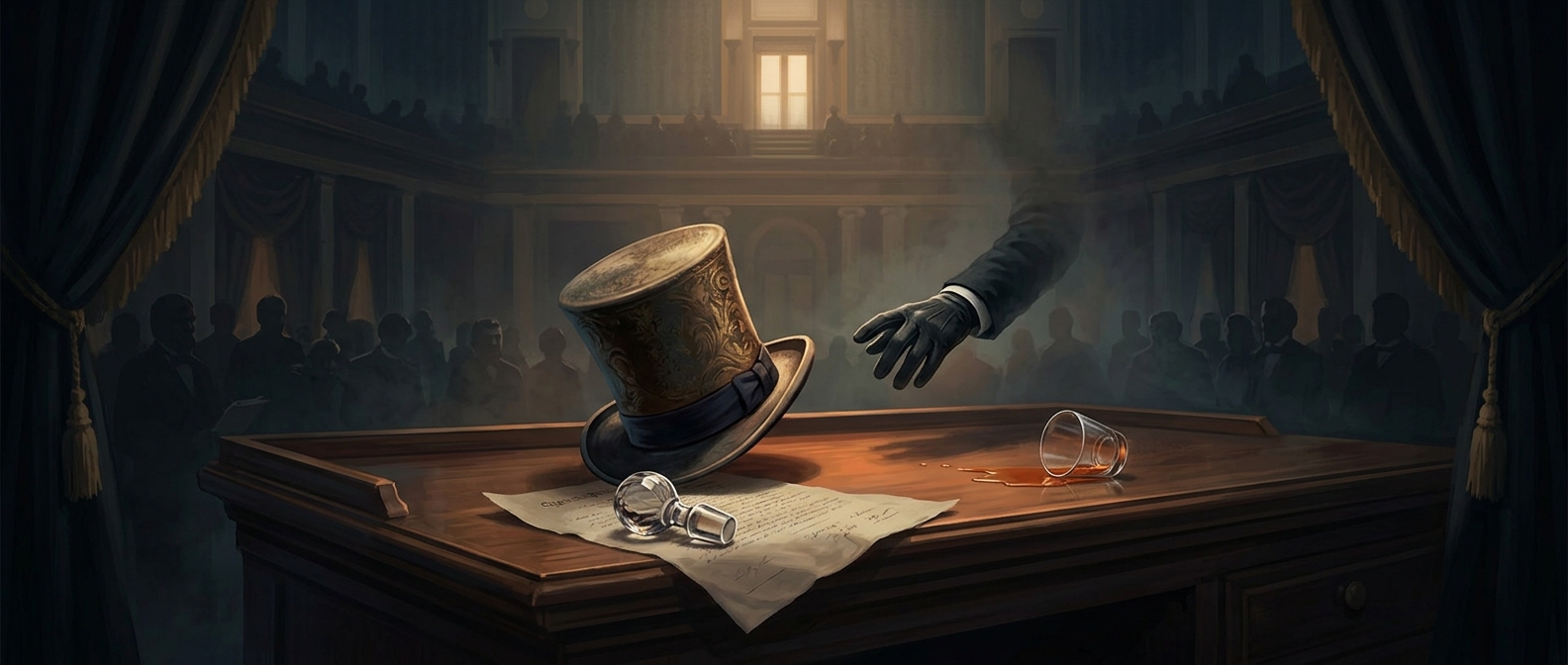
On March 4, 1865, Andrew Johnson was sworn in as vice president in the Senate chamber, before President Abraham Lincoln’s second inauguration. Johnson was reportedly ill with typhoid symptoms and drank whiskey beforehand, believing it might help. When he rose to speak, he rambled and slurred his words. Senators and other witnesses were appalled—not because the vice presidency carried much daily authority, but because the ceremony placed its new occupant in full view of the political establishment.
Why the moment mattered
The vice president’s oath was a formal transfer of responsibility, not just a toast to the incoming administration. If the president died or could not serve, the vice president would take over. Johnson’s performance therefore made an unsettling impression at a moment when the country was still fighting the Civil War and Lincoln’s safety was a real concern.
Johnson later said he had been sick and had taken whiskey as a remedy. That explanation helps account for his condition, but it did not undo the spectacle. The speech became an enduring mark against his judgment and self-control. It also contrasted sharply with Lincoln, whose address that day was restrained and solemn.
A rough beginning to an extraordinary succession
Just 42 days later, Lincoln was assassinated, and Johnson became president. The inauguration episode did not determine what he would do in office, but it had already given senators a vivid first impression of the man who might soon lead the country. What had seemed like a disastrous ceremonial lapse became an especially memorable prelude to an unexpected transfer of power.