A closer look
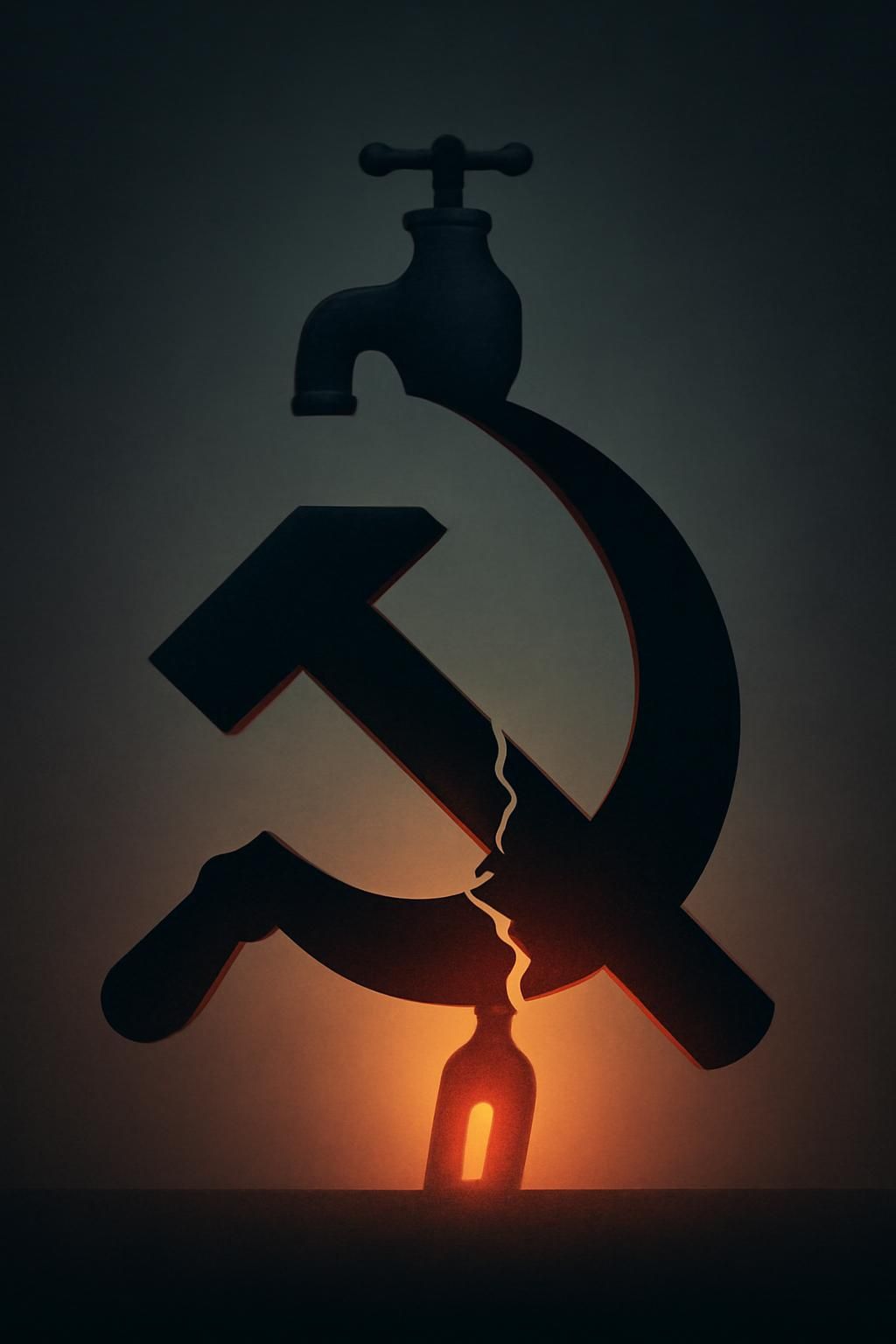
In the 1980s, a Soviet attempt to make citizens drink less vodka accidentally helped crash the economy. Mikhail Gorbachev's anti-alcohol campaign tore up vineyards, restricted sales, and made drinking in public far riskier. Official alcohol consumption did drop, but so did a massive stream of tax revenue that funded government programs. People pivoted to home-brewed spirits and illegal moonshine, which were harder to control and sometimes more dangerous. Meanwhile, bribery around scarce legal alcohol added another layer of corruption. The campaign showed how deeply a single product was woven into state finances and everyday coping mechanisms. You cannot change a society's favorite drug overnight without unexpected consequences; you can only shift where the money, risk, and rituals flow when the taps are turned down.