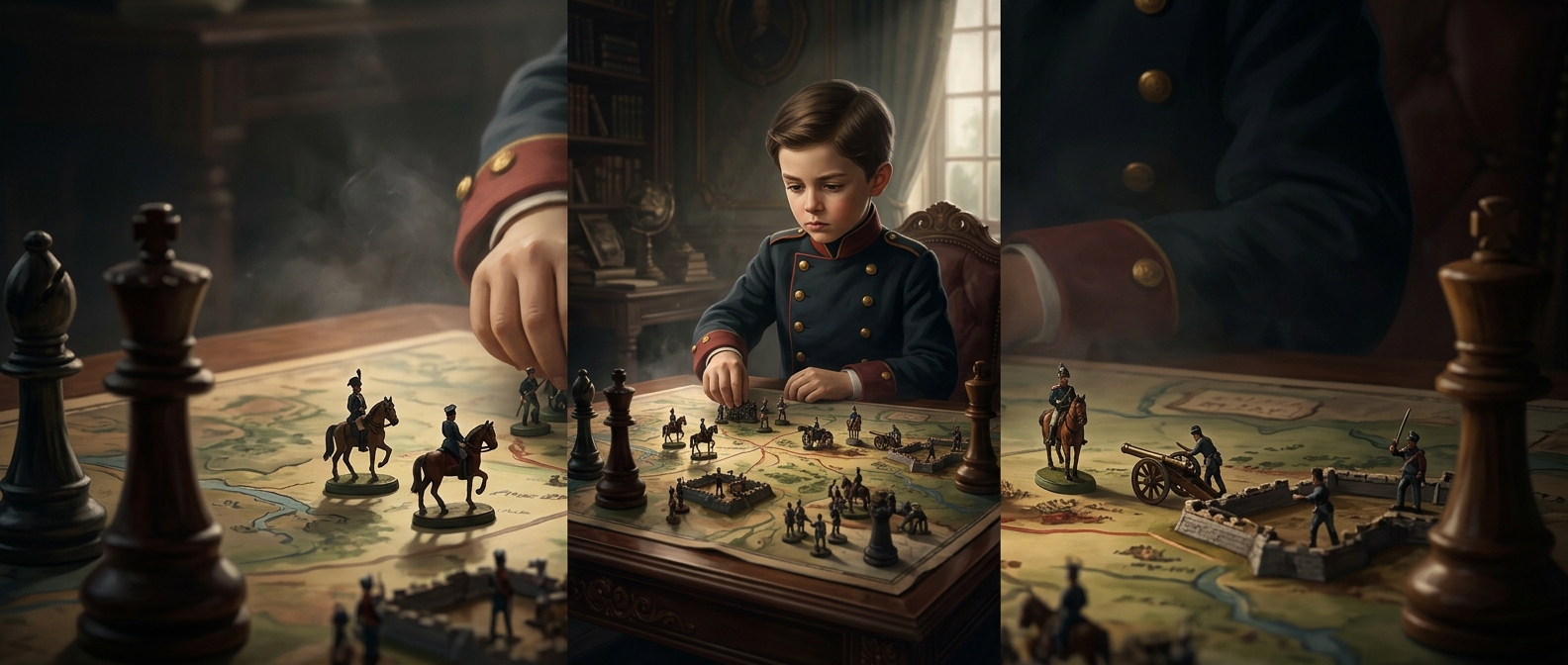
When Toy-Making Tools Went to War
A toy factory could not simply keep making toys once wartime production took priority. Governments needed factories, workers, metal, and machinery for military supplies, and manufacturers were often asked—or ordered—to shift their capacity. The same presses, lathes, and skilled hands that shaped toy parts could turn out components for equipment used by the armed forces.
That shift did not mean every factory made weapons. Some produced practical goods such as gauges, electrical parts, or equipment components. But even those less dramatic contracts consumed space and labor that would otherwise have gone to playthings.
Shortages Changed What Could Be Made
War also disrupted toy production before a factory changed its assignment. Metal, rubber, fuel, and shipping space were needed for military use, so toy makers faced shortages and restrictions. A company might substitute wood or cardboard, simplify a design, or stop making a toy altogether. With fewer materials and workers available, even an unchanged production line could turn out far less.
The consequences varied by country and company. British firms, for example, took on wartime manufacturing work, while manufacturers elsewhere adapted to their own governments’ demands and material limits. “Toys gave way to weapons” captures the broad change, but it does not describe every factory’s exact output.
The Timeline Matters
Some familiar brands belong to the postwar story, not to a toy line halted mid-production. Barbie debuted in 1959, well after World War II. LEGO was already making toys before the war, but its later plastic building bricks were a postwar development; wartime shortages and production conditions were part of a very different manufacturing era.
The lasting effect was not just a pause in new toys. Wartime contracts redirected industrial skills and equipment toward urgent needs, while shortages shaped what manufacturers could make afterward. A child’s missing toy could be the small, visible end of a much larger change in how a factory—and its materials—were being used.