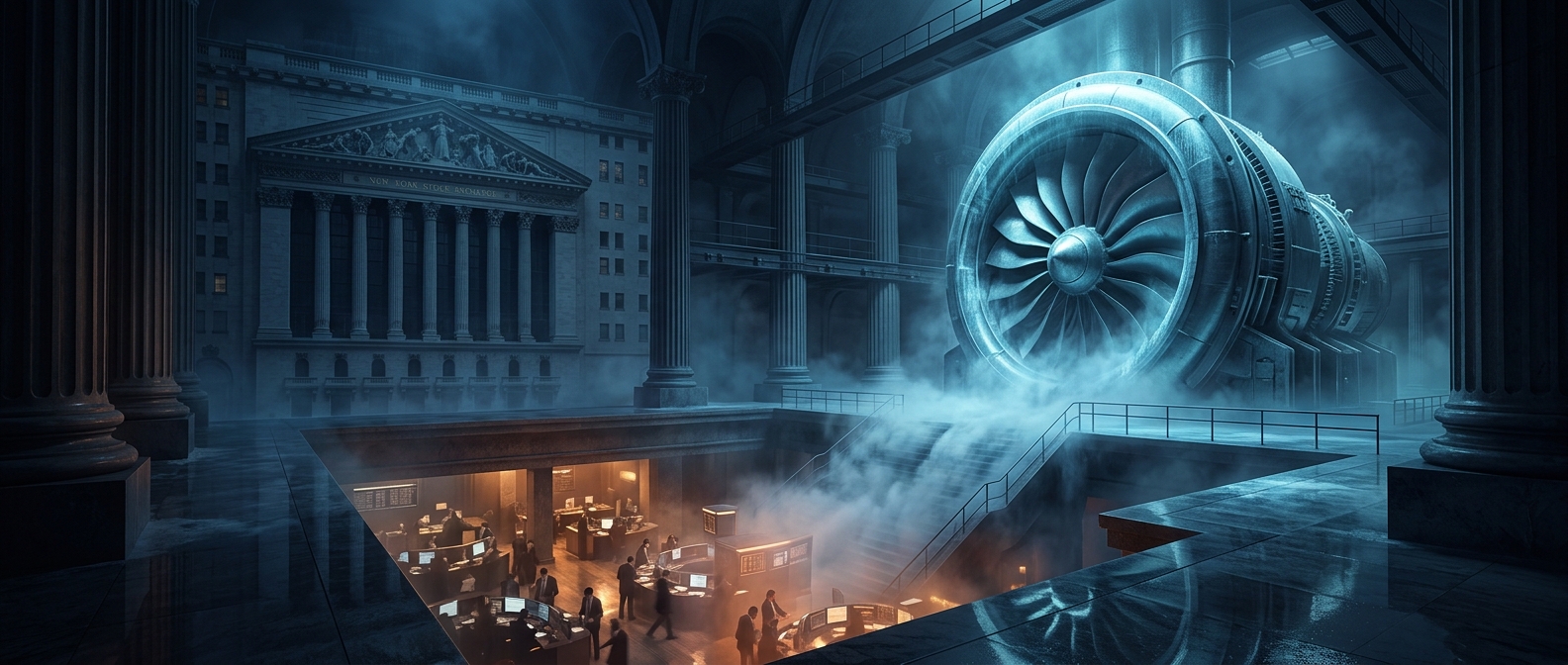
The aim was continuity, not simply survival
A basic shelter could protect people from blast effects and radioactive fallout for a limited time. A government complex meant to keep operating had a harder job: it needed to preserve the people and services required to make decisions, communicate orders, and care for the injured after an attack.
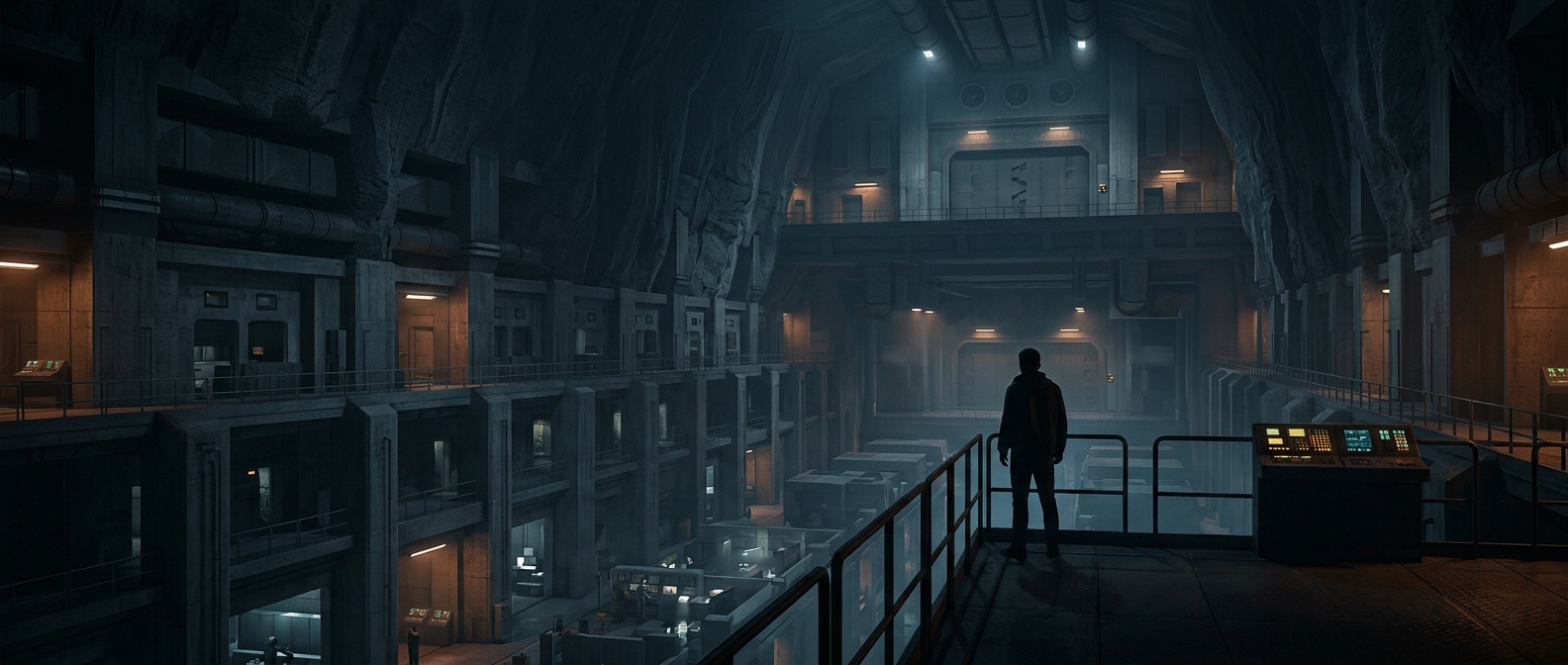
That changed what planners put underground. Some complexes included medical rooms or hospitals, offices, communications equipment, and shared spaces such as theaters or auditoriums. These were not decorative extras. A command staff might need somewhere to gather, while a larger sheltered population would need basic services and spaces for daily life during an extended emergency.
A buried facility needed its own lifelines
Underground rooms were useful only if they could remain habitable and connected. Complexes therefore relied on systems such as ventilation, backup power, water storage, sanitation, and protected communications. Air filters could limit the entry of radioactive particles; sealed doors and protected entrances helped isolate interior areas from outside hazards. Generators and stored supplies offered a measure of independence if ordinary services failed.
But independence had limits. A facility still needed people to operate it, equipment to keep working, and enough supplies for the people it was designed to shelter. Maintaining those systems in peacetime was part of the challenge: a bunker that could not be opened, powered, or staffed when needed was no functioning refuge.
A city beneath the city—with a defined purpose
These complexes were not underground copies of ordinary cities. Their purpose was narrower: preserve selected government functions and essential services through a crisis, while giving their occupants a place to live and work. Hospitals and gathering spaces made the plan more ambitious than simply hiding officials in a protected room.
The striking implication is that civil defense planning treated an attack as a threat to an entire operating system. The underground city was an attempt to keep that system going—even when the city above it could not.