A closer look
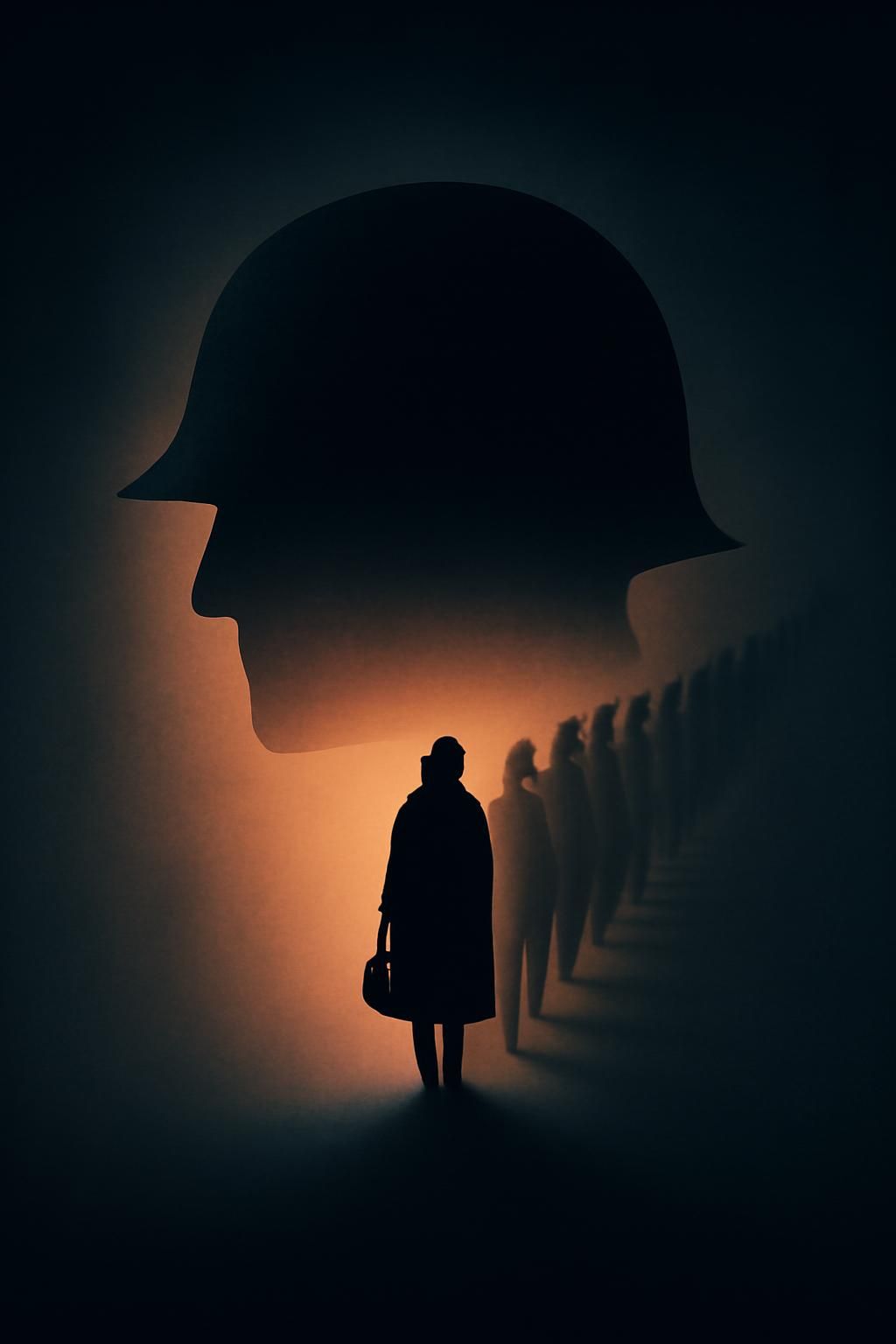
Most people who lived through famous wars were not on the battlefield; they were standing in lines. Food lines, fuel lines, job lines, bureaucratic lines for ration cards—war turned entire cities into waiting rooms. In London during World War II, civilians balanced air raid sirens with laundry schedules and bus routes, learning to nap in shelters and still show up for factory shifts at dawn. Diaries from the time mention boredom more than terror: blackouts that made evenings drag, endless repetition of simple meals, and the quiet humiliation of asking the state for everything. The myth of constant heroism hides the reality that survival often meant stubbornly cooking, mending, and commuting in a world that kept breaking. Remember that when you imagine history as a sequence of battles; for most people, it was a sequence of small, stubborn Tuesdays.