History
Discover facts about history. Small discoveries that change the way you see familiar things.
History
1871 Paris Commune lasted only 72 days, yet it birthed radical ideas of worker self-management and women in combat roles.
Imagine Paris rising like a spark of fireworks—brief, dazzling, but impossible to erase from memory. For just 72 days in 1871, everyday citizens tried to…
Discover moreIn the Middle Ages, love letters weren’t private whispers but sometimes dictated by professional scribes, who would help lovers craft poetry to woo noble partners.
We think of love letters as sacred, personal whispers scribbled by trembling hands—but in the Middle Ages, many weren’t so private. Young nobles often hired…
Discover more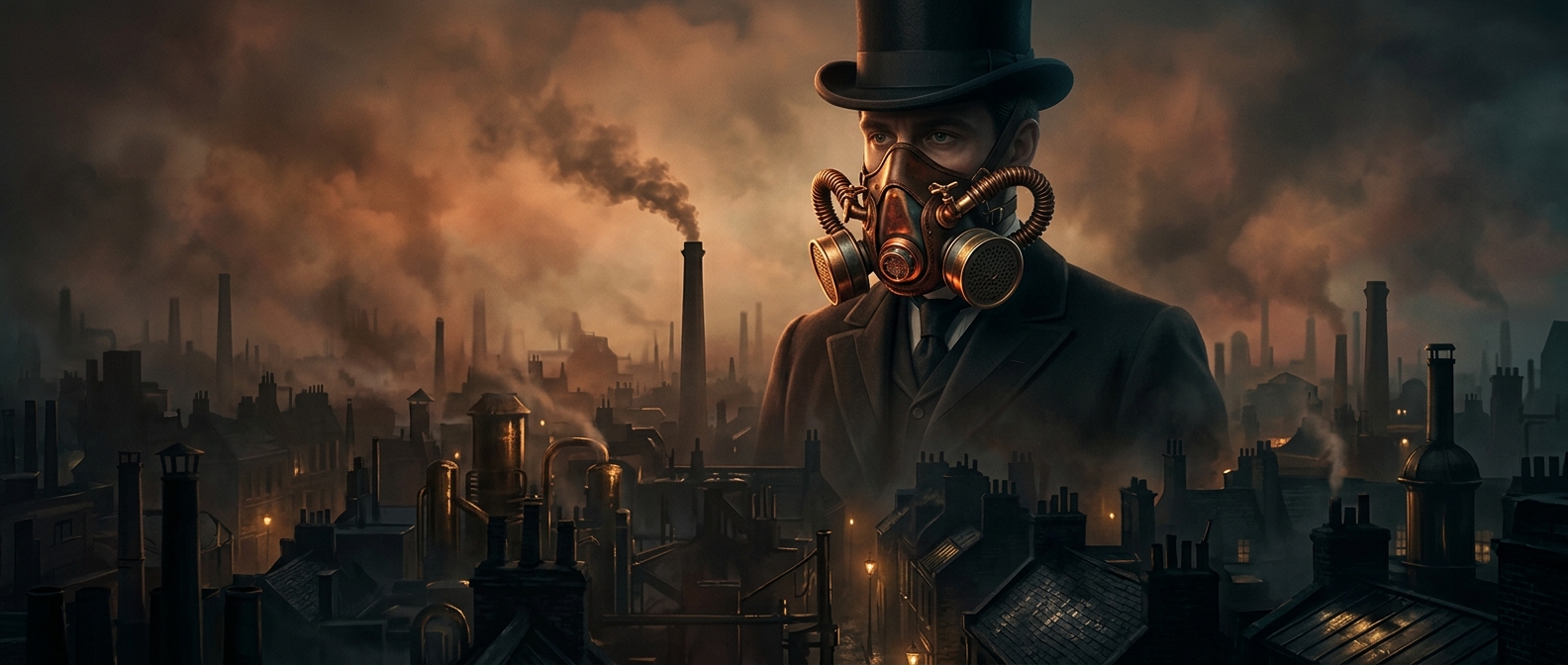
Victorian Londoners wore filters to survive the air
Imagine walking through London in the 1800s, where the fog wasn’t mist but choking soot and coal smoke. Breathing was an ordeal, and inventors knew lungs…
Discover more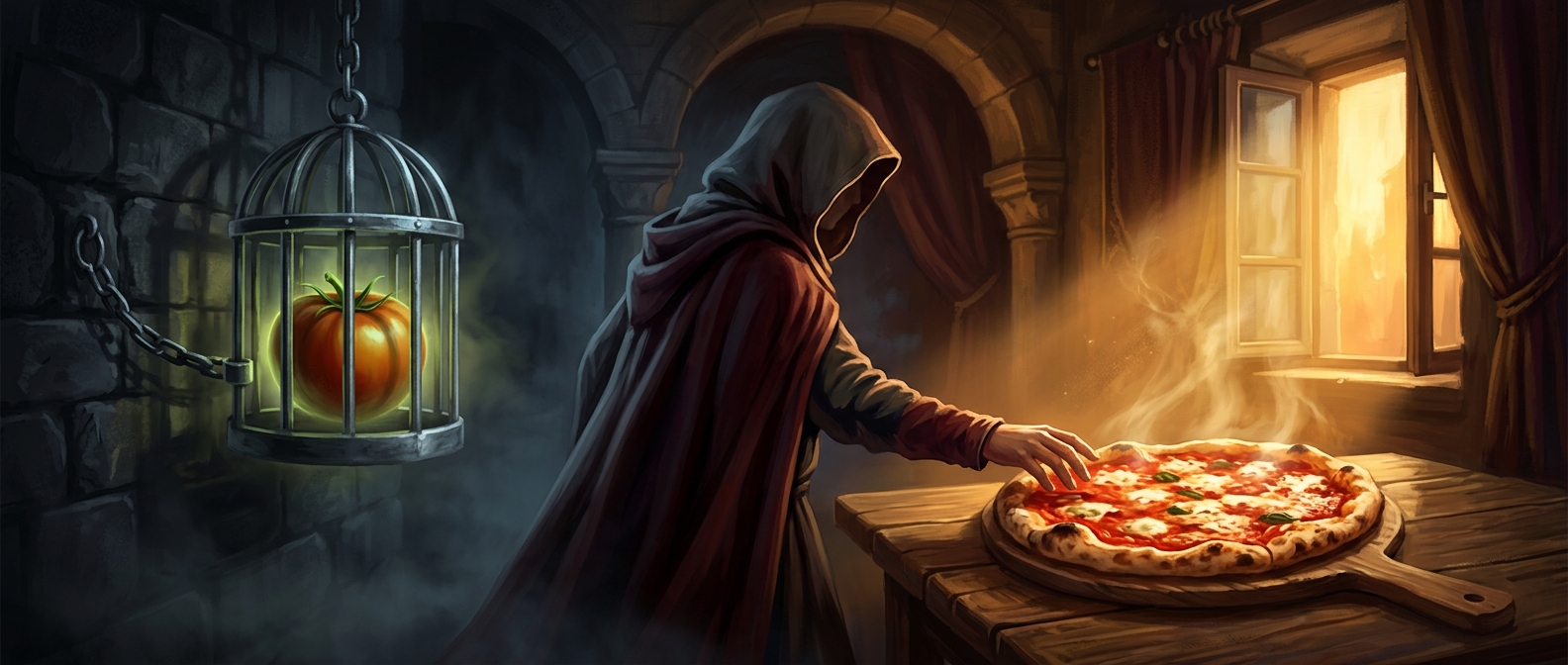
When Europeans thought tomatoes were poisonous
The bright, juicy tomato we celebrate today once sat like a sinister stranger on Europe’s tables. Nicknamed the ‘poison apple,’ it was accused of killing…
Discover moreImagine a city older than Rome but swallowed by deserts: Caral in Peru, built 5,000 years ago, thrived with no signs of war.
Hidden by sands in Peru lies Caral, a city so ancient it predates Rome by millennia. What makes it extraordinary is not just its age—but its character. There…
Discover moreBefore the light bulb, Venetian glassmakers built mirrors so pure and bright they were considered dangerous weapons of vanity, capable of inspiring jealousy, inspiring duels, and…
We take mirrors for granted, but centuries ago, they shimmered with danger. In Venice, craftsmen created reflections so crisp and radiant they seemed…
Discover more STACKY FOR IPHONE
A bigger world.
One discovery
at a time.
Keep discovering with Stacky. Interesting facts in an app that is always within reach.

The Arctic ships that vanished but redrew the map
Imagine colossal wooden ships vanishing into Arctic mists, only to be swallowed whole by walls of ice. They never returned, yet their disappearance redrew…
Discover moreOne of the earliest labor strikes on record?
The first strike you might picture is a loud 20th-century factory protest—but travel back thousands of years to ancient Egypt and you’ll find women doing it…
Discover moreMost people remember Rome, but few recall the Kush empire.
History textbooks often shine their spotlight on Rome and Greece, leaving other giants in the shadows. The Kush empire, sprawling across Nubia, was anything…
Discover more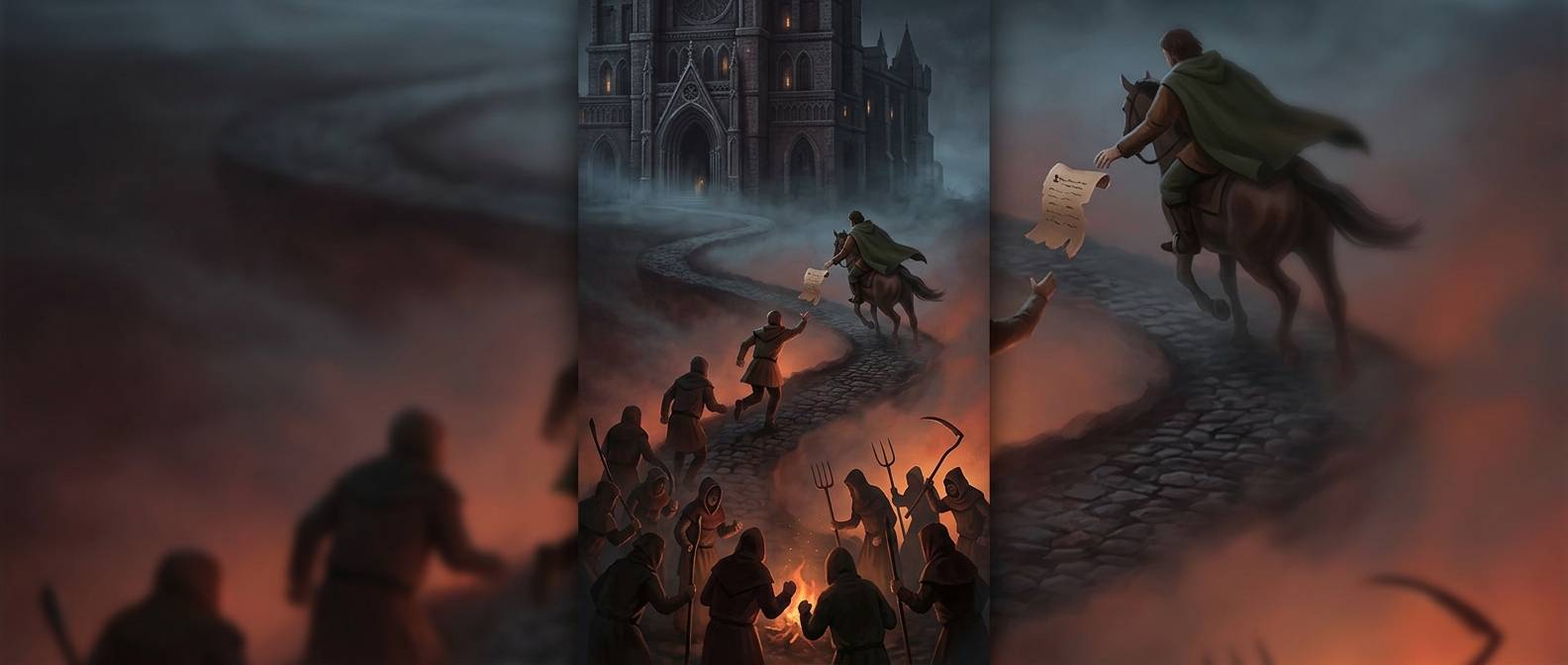
How medieval rebels spread messages before newspapers
Long before Twitter or TikTok, peasants in medieval England found their own rapid-fire network: messengers. When revolt boiled over, rebels hijacked the…
Discover more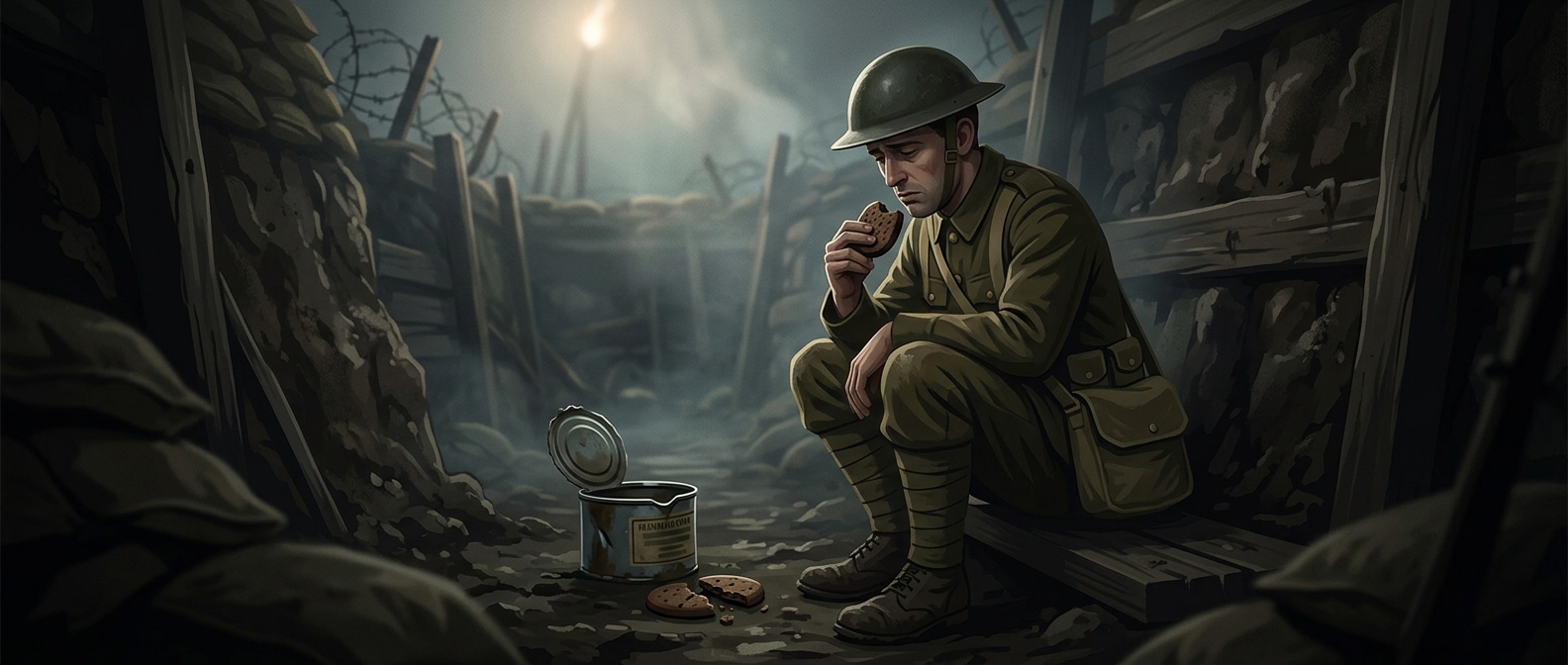
The World War I biscuits hard enough to break teeth
Picture being cold, exhausted, and pulling from your rations a biscuit so solid you could almost use it as a hammer. That was the reality for soldiers during…
Discover more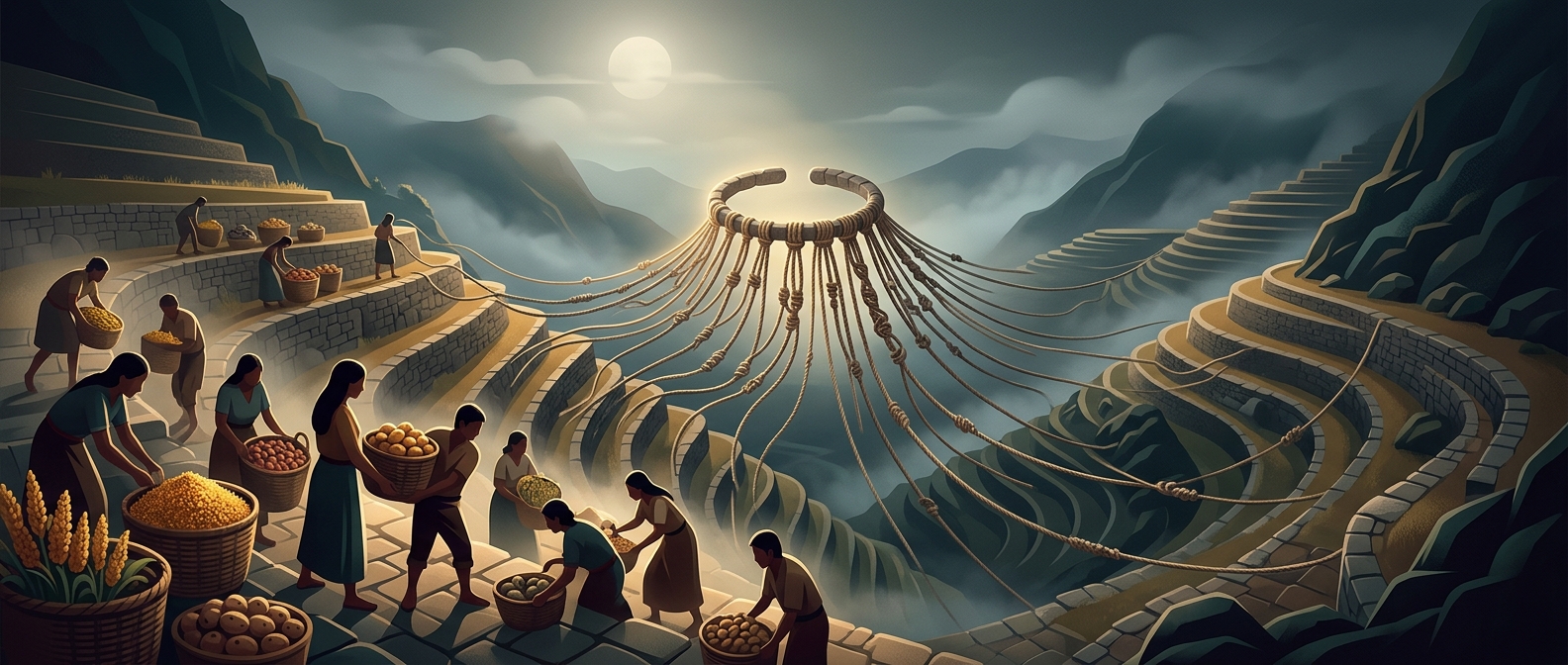
How the Inca ran an empire without money
The mighty Inca Empire ran without coins jingling in pockets or bills exchanging hands. Instead, their currency was people themselves: labor, goods, and…
Discover moreChina’s Terracotta Army wasn’t just statues—it was an entire clay army, hand-painted, equipped with real weapons ready to stand for eternity.
In a dusty tomb near Xi’an lies an army that hasn’t marched a step in two thousand years—yet still stands guard. The Terracotta Warriors weren’t quick…
Discover moreIn 17th-century Europe, women often ran taverns, laundries, and farms while men fought wars.
Imagine Europe in the 1600s. The men were gone, marching with muskets, while women kept towns alive. They ran alehouses that kept spirits high, scrubbed…
Discover more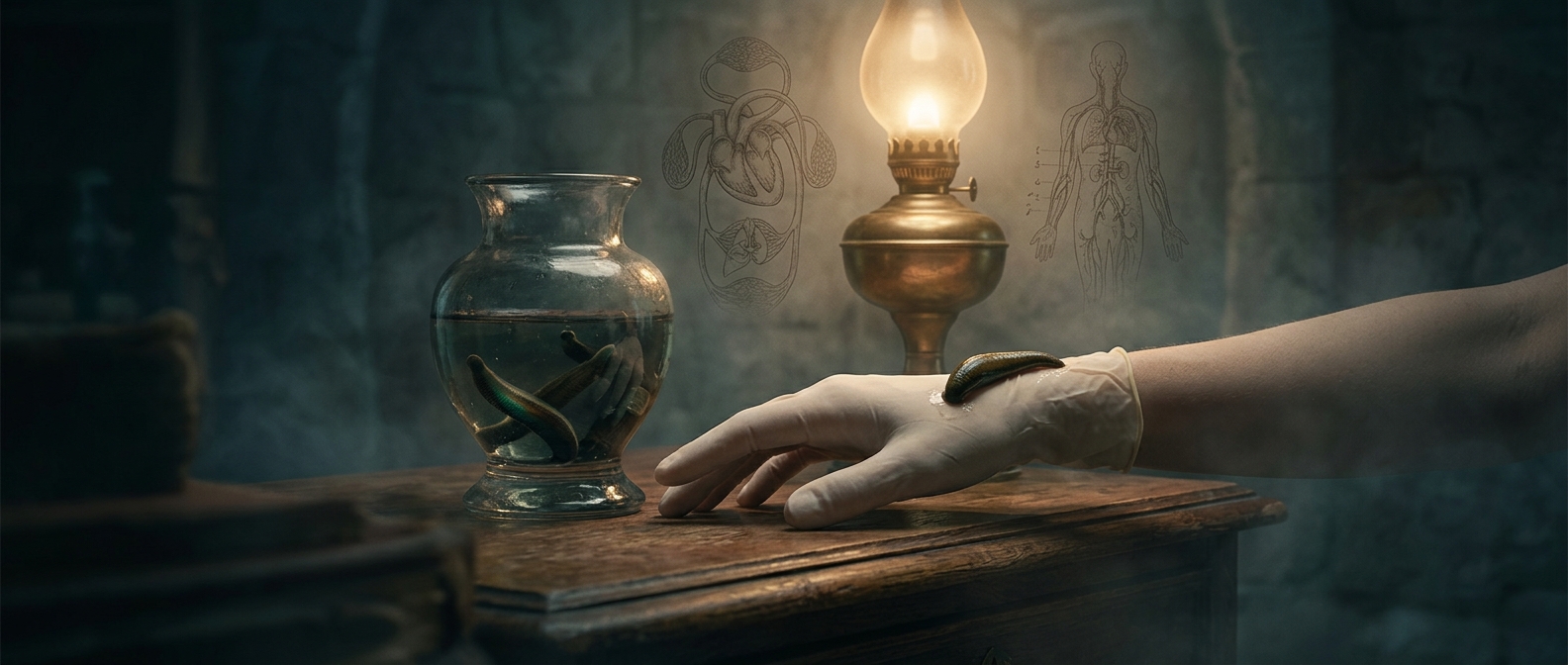
Why leeches are still used in modern medicine
Picture a slimy creature sliding onto your skin and—surprise!—acting as a tiny living syringe. For centuries, people thought leeches were grotesque tools of…
Discover moreIn 1857, Indian soldiers mutinied after rumors spread that cartridges were greased with cow and pig fat, offending both Hindus and Muslims.
The grand uprising of 1857 didn’t begin with an army marching to drums, but with whispers. A rumor spread — cartridges dipped in cow and pig fat, a quiet…
Discover more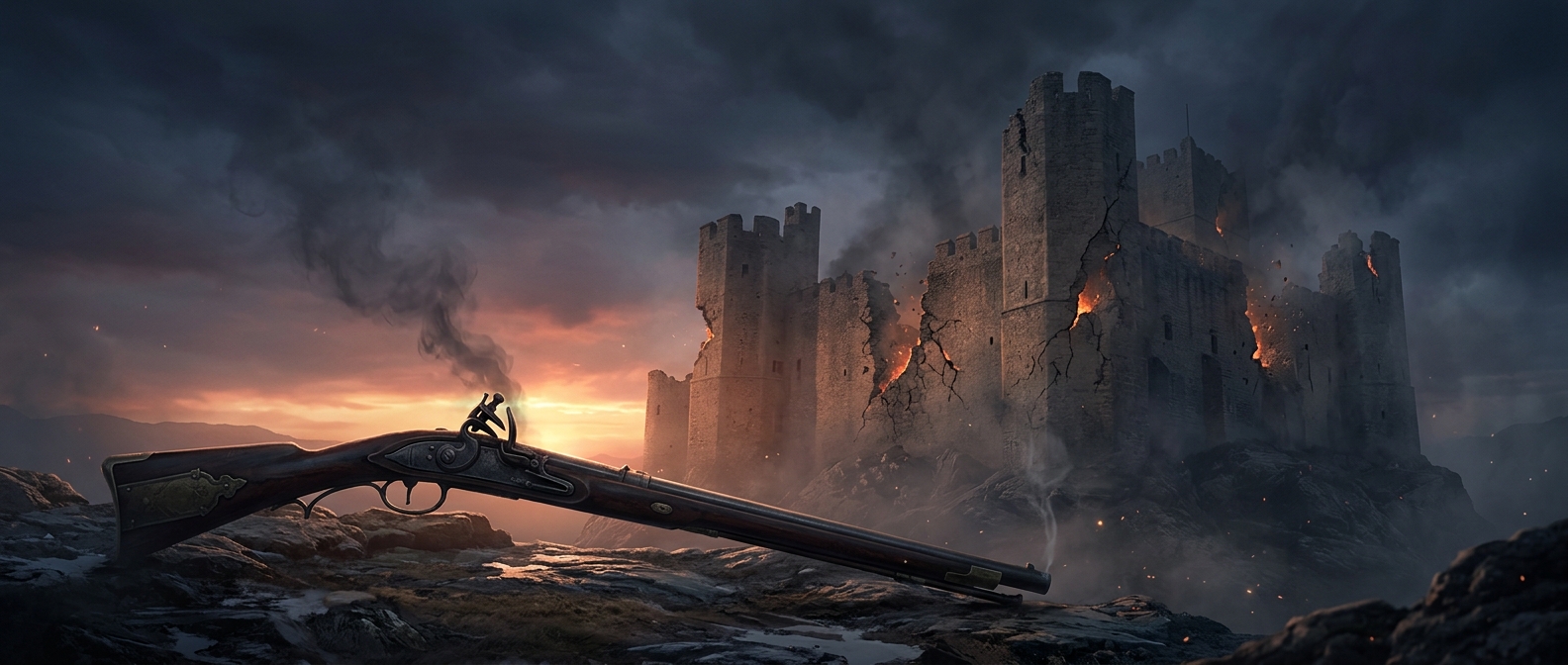
The weapon that made castles vulnerable
Castles once stood as unbeatable fortresses, their thick walls mocking attackers. But then came the matchlock musket — a weapon that turned battlefields…
Discover moreLabor migration isn’t only modern.
Migration is not a new invention of airports—it’s an ancient rhythm of footsteps and wagons spilling across empires. The mighty Roman machine pulled soldiers…
Discover more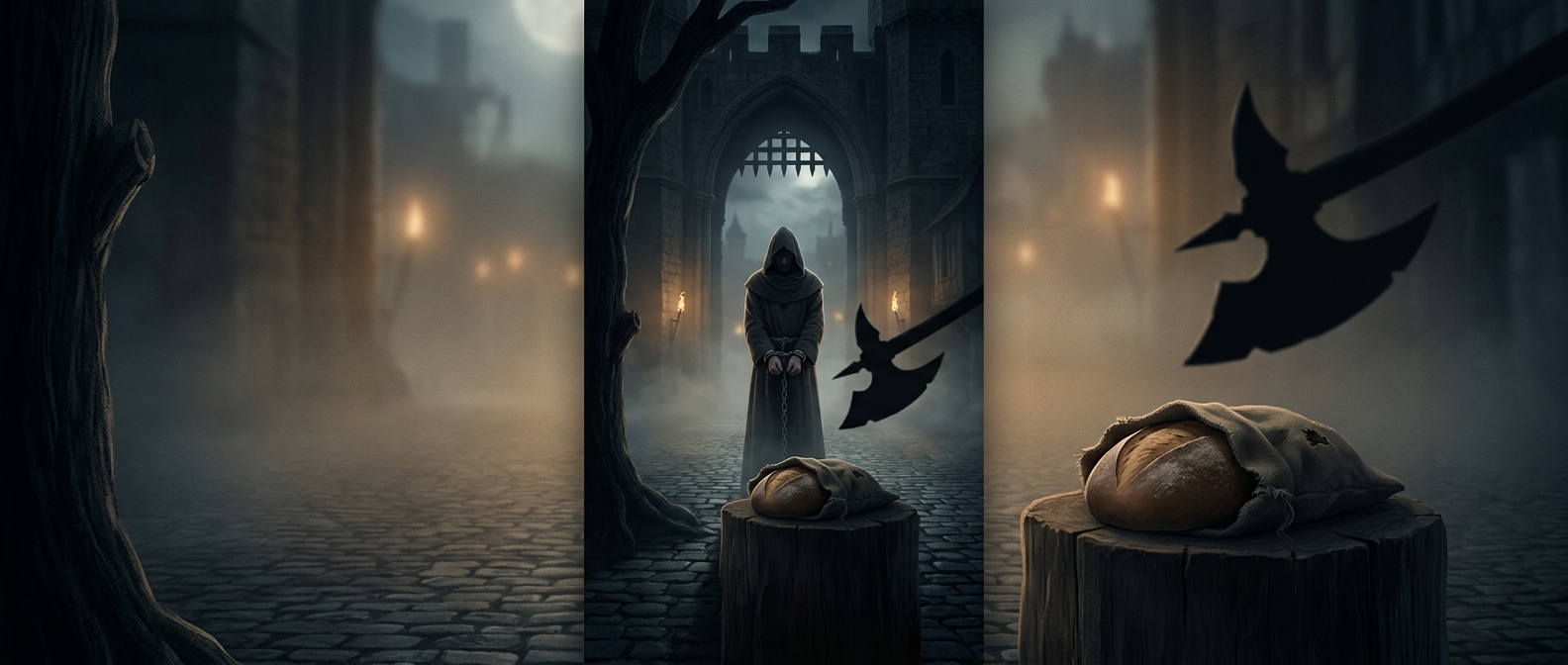
Why stealing bread could cost you a hand
Why would stealing bread cost you a hand? It wasn’t about bread—it was about power. Old rulers saw punishment as theater: a hand chopped off in a marketplace…
Discover more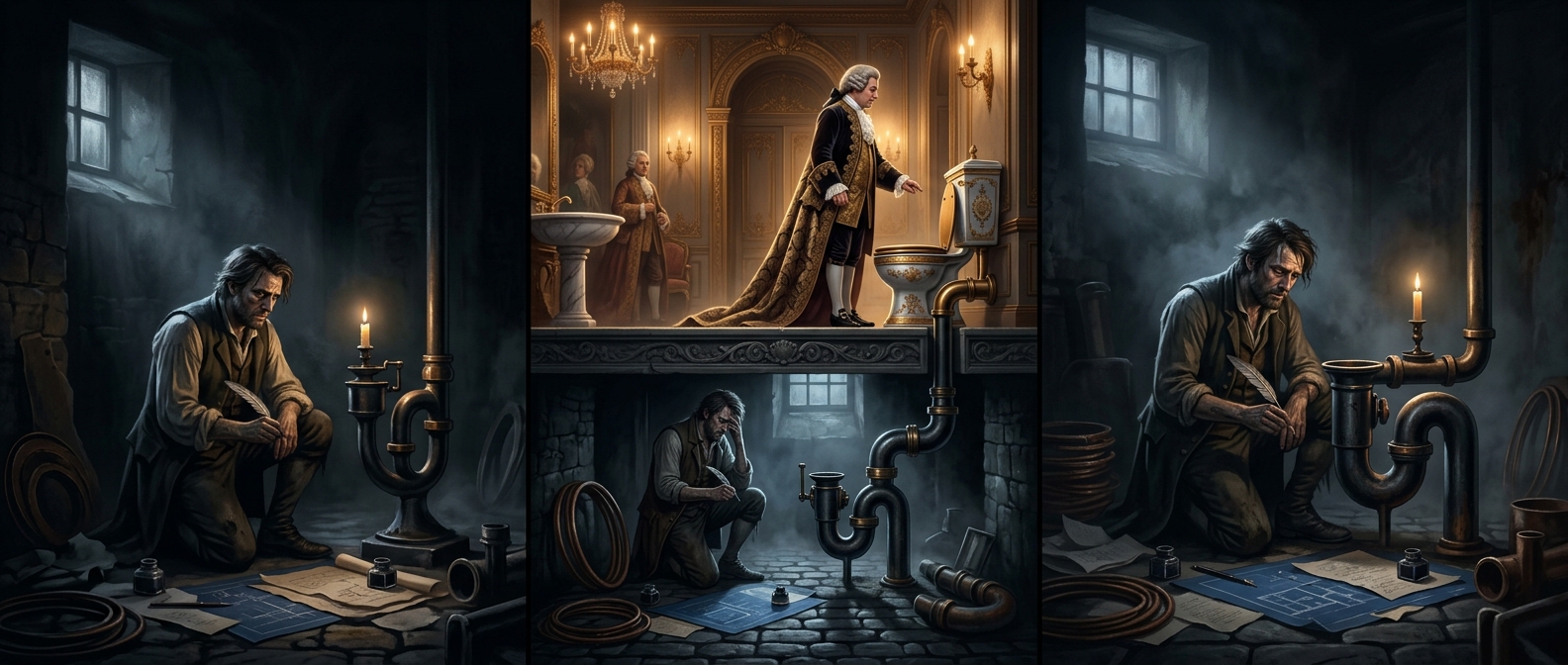
The toilet inventor who died broke
Imagine designing something that would end up in every home, used every single day, bringing comfort and dignity—and yet, in your life, you’re forgotten,…
Discover moreWind-up radio engines, invented to spread communication in communities without electricity, were once hailed as revolutionary tools, but they quickly faded when commercial…
Spin a crank, and an entire radio show bursts to life—what a marvel! The wind-up radio was once hailed as the bridge between isolation and connection,…
Discover more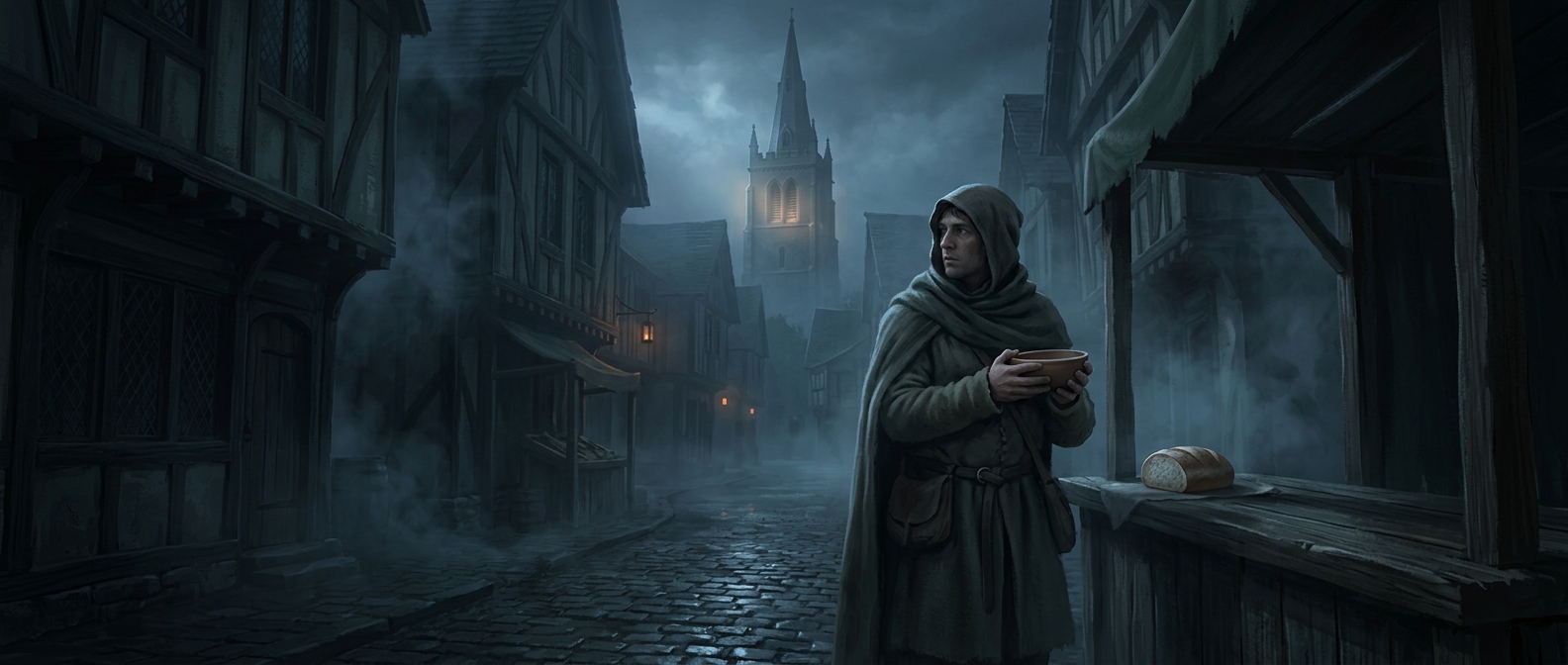
Why medieval England made people wait for breakfast
Yes, it’s true—there was a rule that stopped you from munching bread before the church bells rang on market day. Why? Because breakfast was seen as a sneaky…
Discover moreVictorian inventors built ‘air baths’—metal cages where people sat in the nude to inhale ozone, claiming curative powers: one of countless forgotten contraptions where science,…
Step into Victorian innovation and you’ll find inventions as bizarre as they were hopeful. Picture a person perched inside a gleaming cage, bare as the day…
Discover morePublic beheadings once attracted thousands like a festival, with vendors selling food beside gallows: a chilling reminder that community once gathered not around screens but…
Before movie premieres and live-streamed sports, crowds gathered for something far more chilling: a public beheading. Streets overflowed, markets bustled,…
Discover more