A closer look
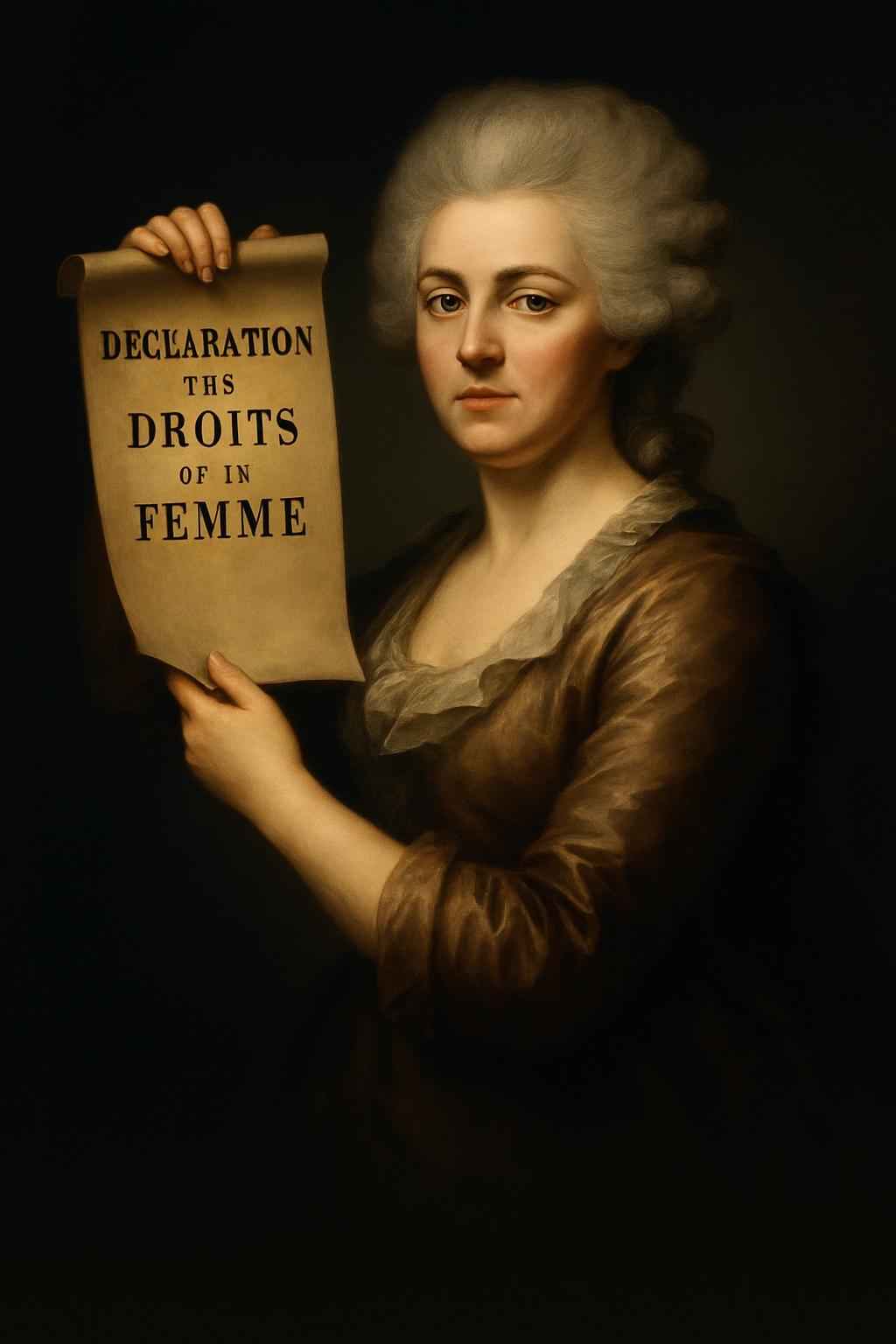
Imagine Europe in the 1600s. The men were gone, marching with muskets, while women kept towns alive. They ran alehouses that kept spirits high, scrubbed soldiers’ clothes in workshops, and managed farms so villages didn’t starve. These weren’t side notes—women were engines of survival. Yet when scribes tallied up “important” history, their names disappeared. Like ink deliberately faded from a page, their labor became invisible. Now, archives whisper a correction: women weren’t merely waiting at home. They powered economies centuries before credit was due.