A closer look
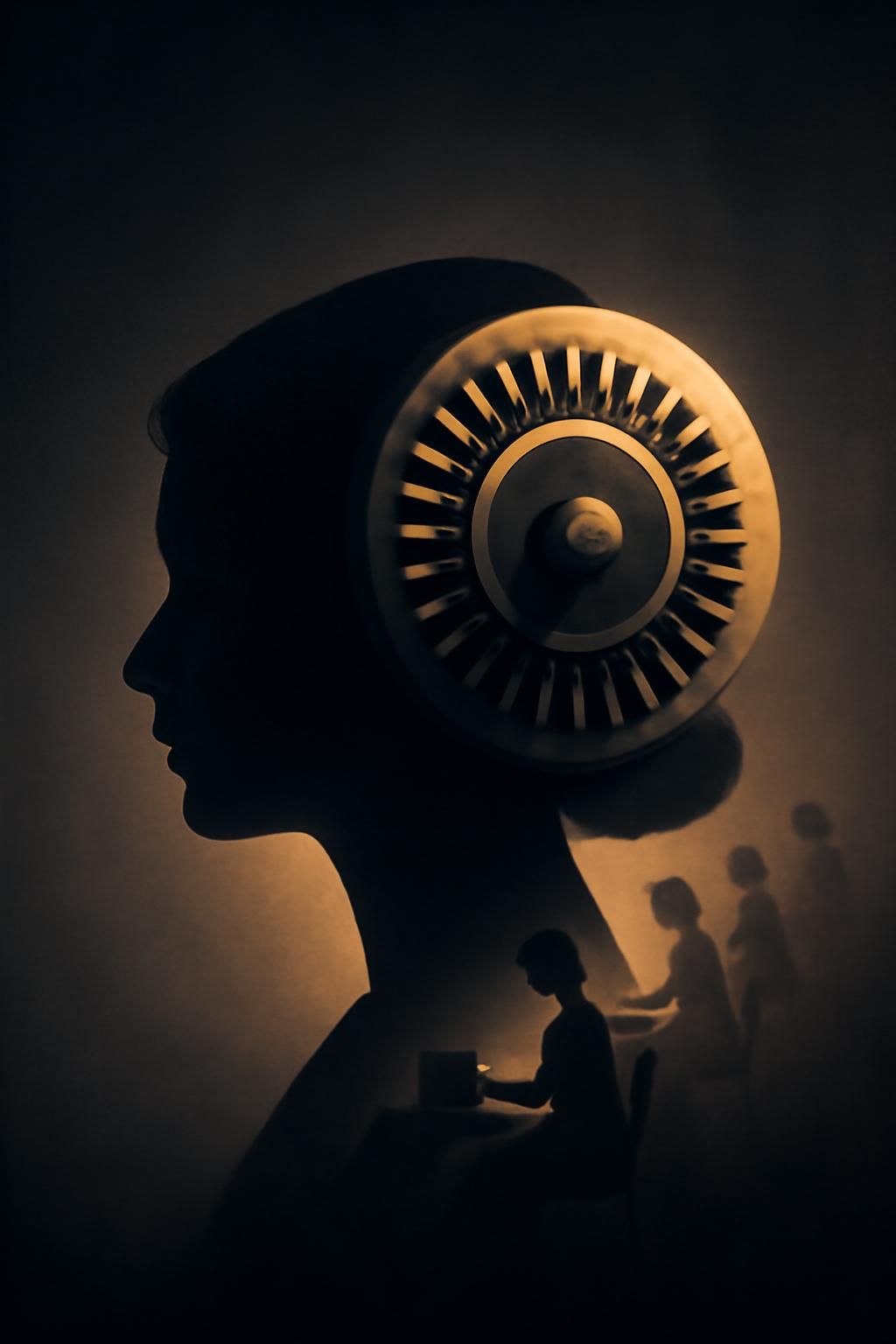
One of the largest intelligence breakthroughs of World War Two depended on thousands of women whose names barely made it into the history books. In places like Bletchley Park in Britain and the US Navy code rooms, young women were recruited from universities, teaching jobs, and even crossword competitions to operate machines, spot patterns, and break enemy ciphers. They worked in shifts around the clock, handling intercepted messages so secret they could not explain their jobs even to family. Many were paid less than men and dismissed after the war with a polite thank you and instructions to stay silent. Yet their work shortened the conflict, saved convoys from U boat attacks, and fed crucial information to commanders. When you picture wartime codebreaking, do not just think of a lone genius at a chalkboard; think of rows of women in cramped huts, turning wheels and solving puzzles that changed history.