A wardrobe became part of a state bargain
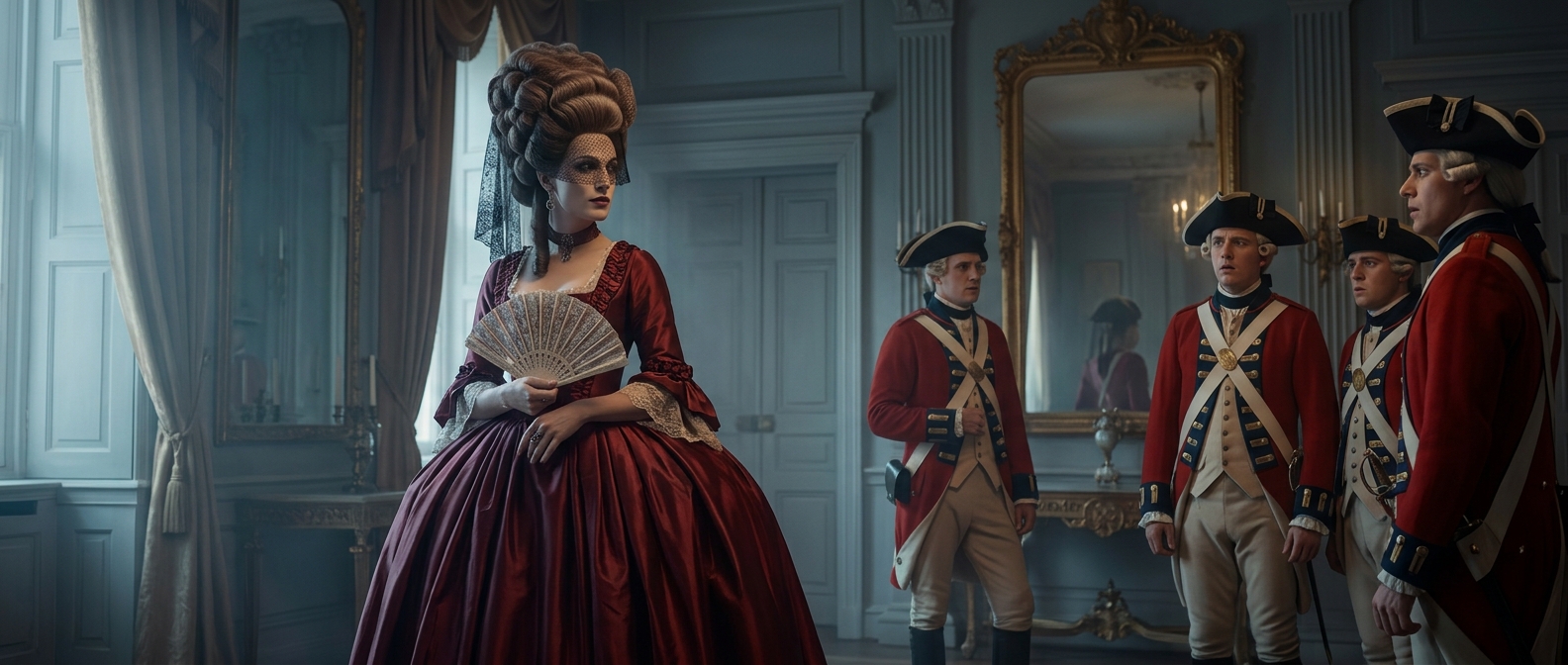
D’Éon’s clothing was not a private matter once the French government made it a condition of silence. The former spy had threatened to reveal secret plans for a French invasion, giving them leverage over officials who wanted those plans kept quiet. In return for surrendering military uniforms, d’Éon was officially declared a woman, and the government paid for a new wardrobe.
That payment made the agreement tangible: the state was not merely asking d’Éon to change how they appeared in public; it was underwriting the change it demanded. Uniforms carried the authority of a military role, while the new clothes marked the identity the government had chosen to recognize.
Controlling the story without exposing the secrets
The bargain addressed two risks at once. Officials sought to prevent the disclosure of sensitive plans, while d’Éon gained an official status backed by the government. The arrangement turned clothing and public identity into terms of a political settlement—not simply personal choices.
Its unusual logic is what makes the episode so striking: the French government used an official declaration and the cost of a wardrobe to secure a spy’s cooperation, while the spy’s knowledge made those concessions part of the price of keeping secrets.