History
Discover facts about history. Small discoveries that change the way you see familiar things.
History
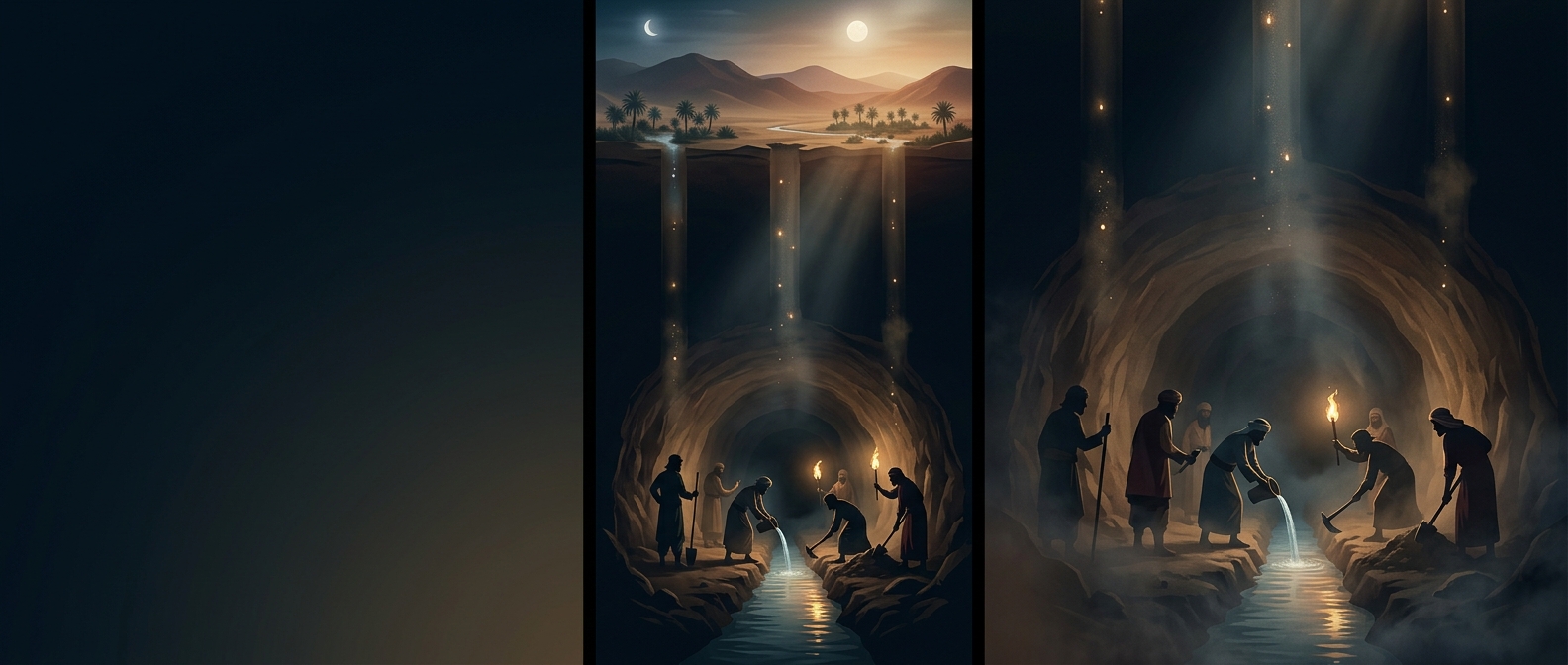
How ancient engineers hid rivers underground
Qanats are gently sloping underground tunnels that carry water from mountain aquifers to dry plains. Keeping the water underground limits its exposure to the…
Discover more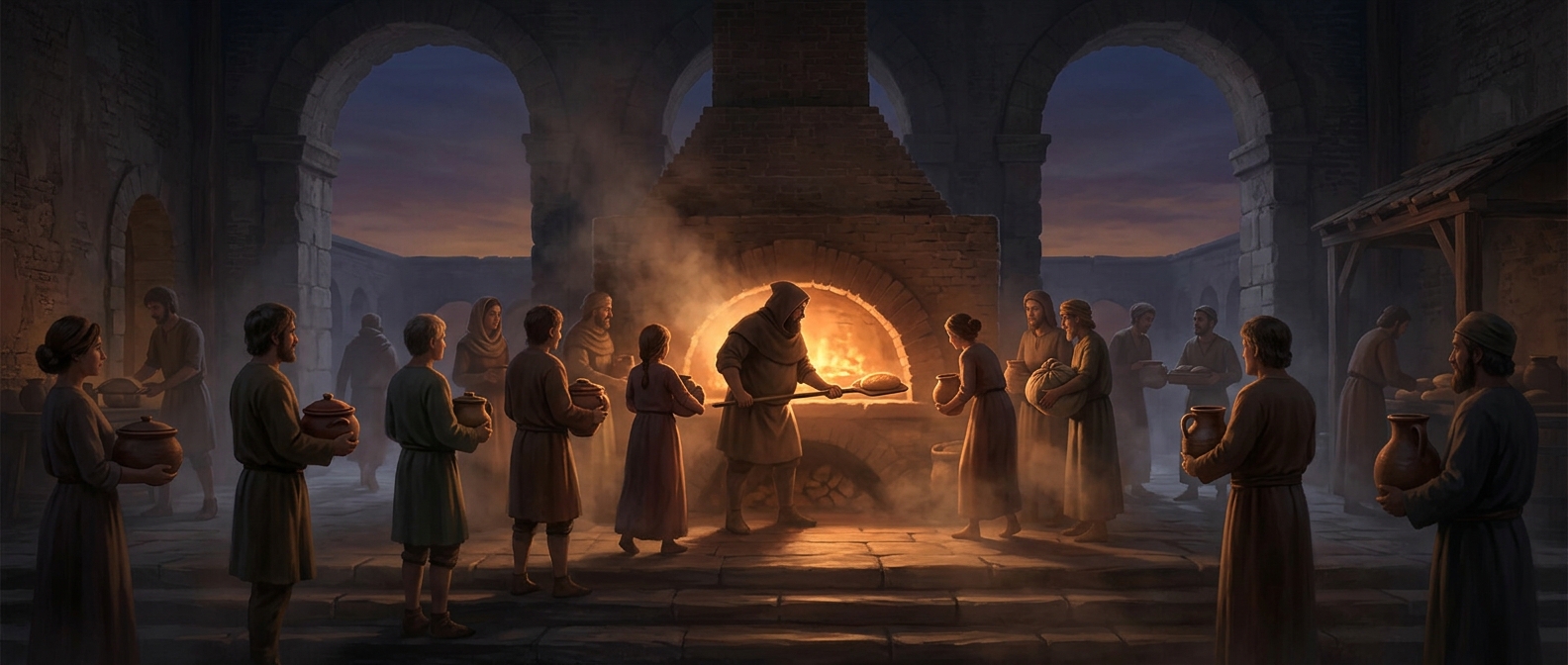
Public bakeries were heavily used to cook private dinners
With few households owning ovens, people brought raw meat to public bakeries to roast in communal ovens, often over the weekend. The bakery was not just where…
Discover more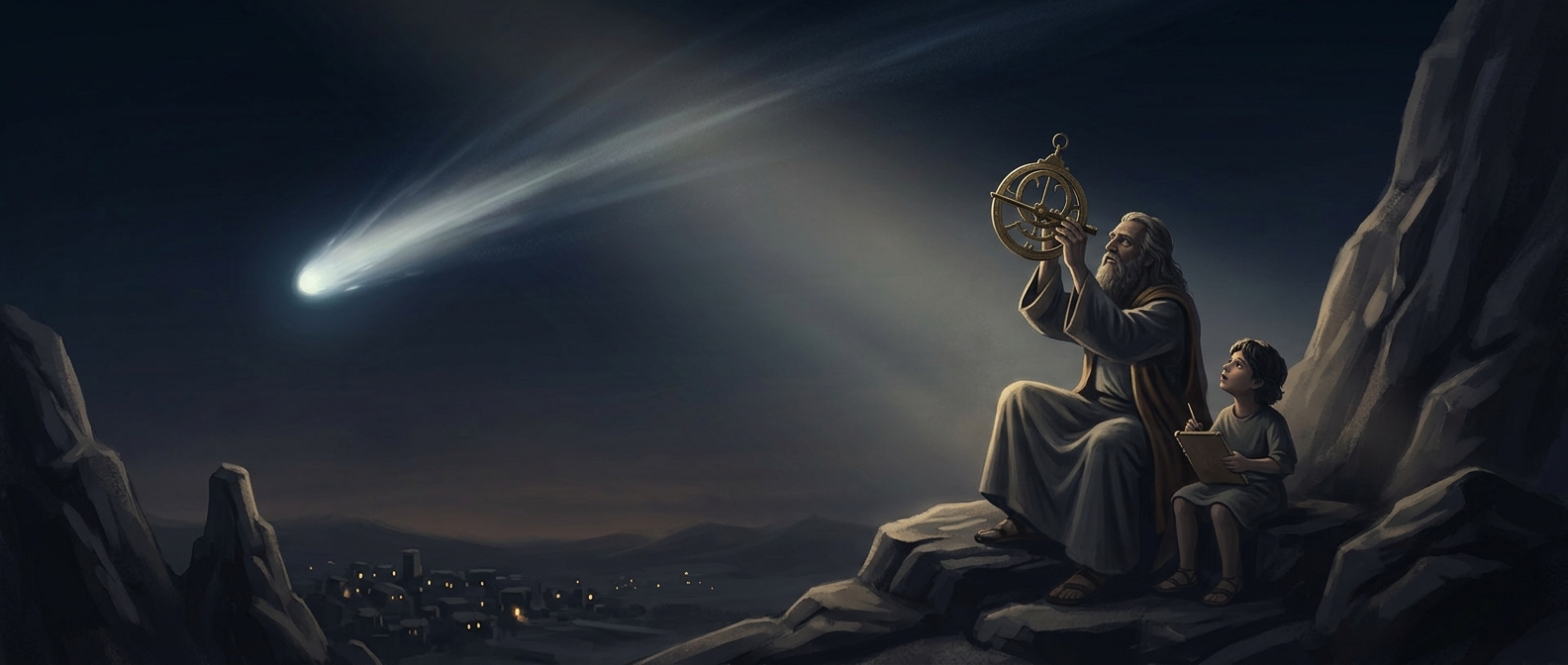
Halley's comet was famous long before Halley
For millennia, observers recorded each appearance as a separate comet; Edmond Halley compared old sightings and recognized the same object returning on a…
Discover more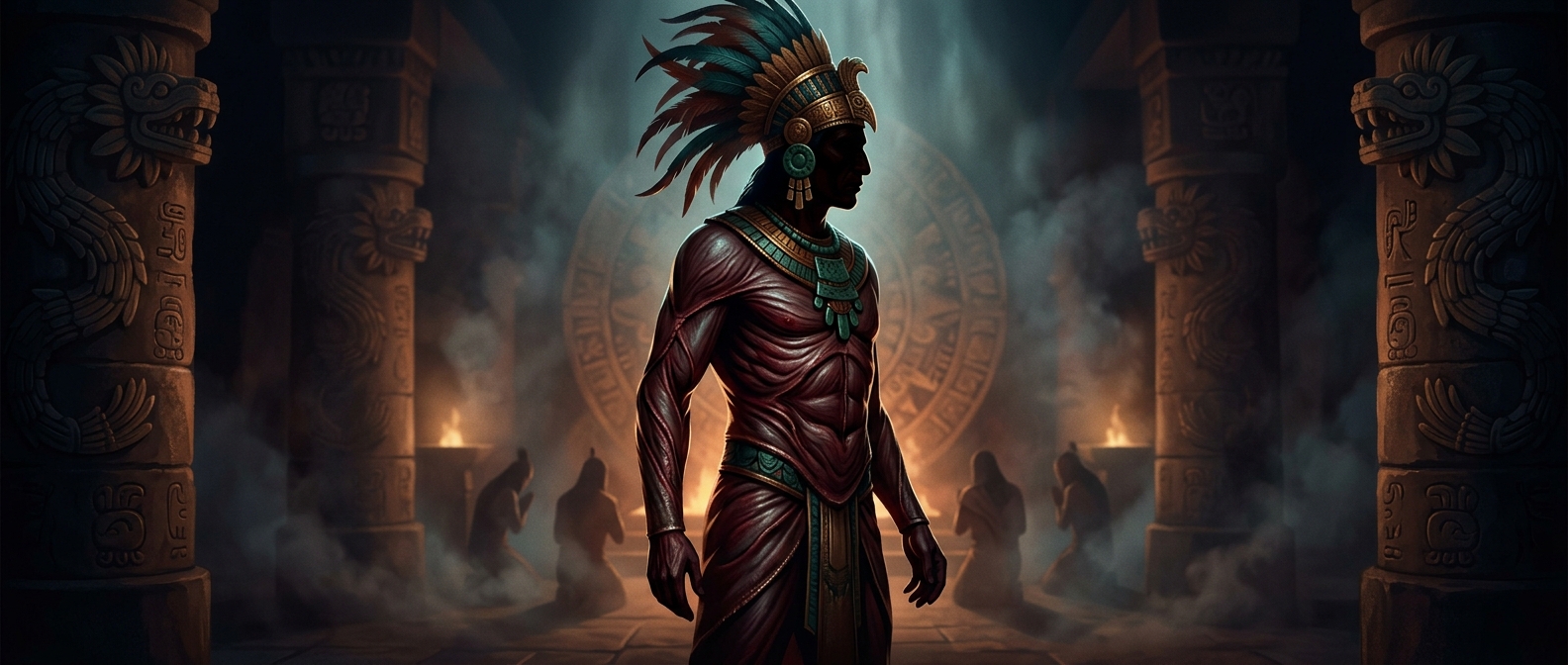
Why Aztec priests wore flayed human skin
The ritual tied sacrifice to agriculture: Xipe Totec represented renewal, and wearing the skins for 20 days made that symbolism physical.
Discover more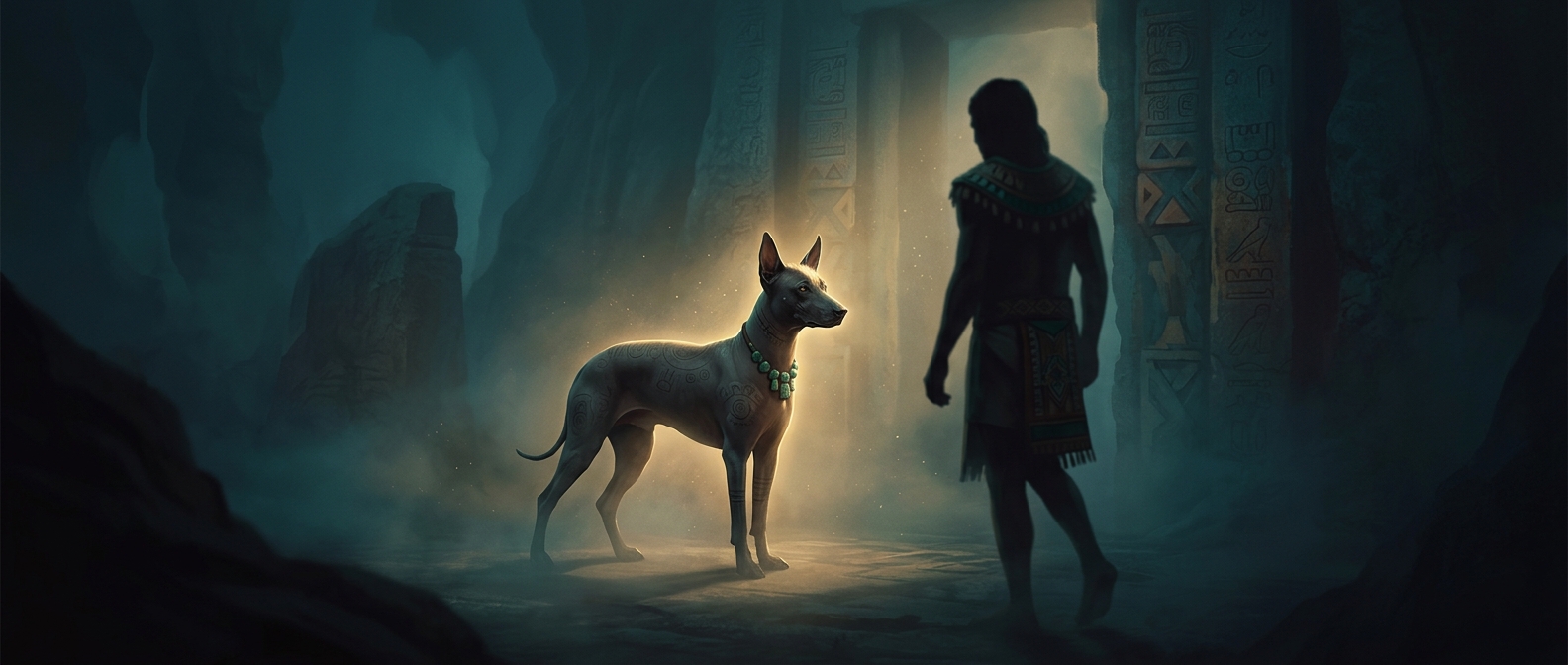
Aztecs buried Xolo dogs as guides to the afterlife
They were believed to guide souls across dangerous rivers in the underworld, so some owners were buried with their dogs.
Discover more
The Nile offered boats a natural return ticket
Its current carries boats north, while prevailing winds blow from the north and help sailing boats travel south. Ancient Egyptian crews could use a different…
Discover more STACKY FOR IPHONE
A bigger world.
One discovery
at a time.
Keep discovering with Stacky. Interesting facts in an app that is always within reach.
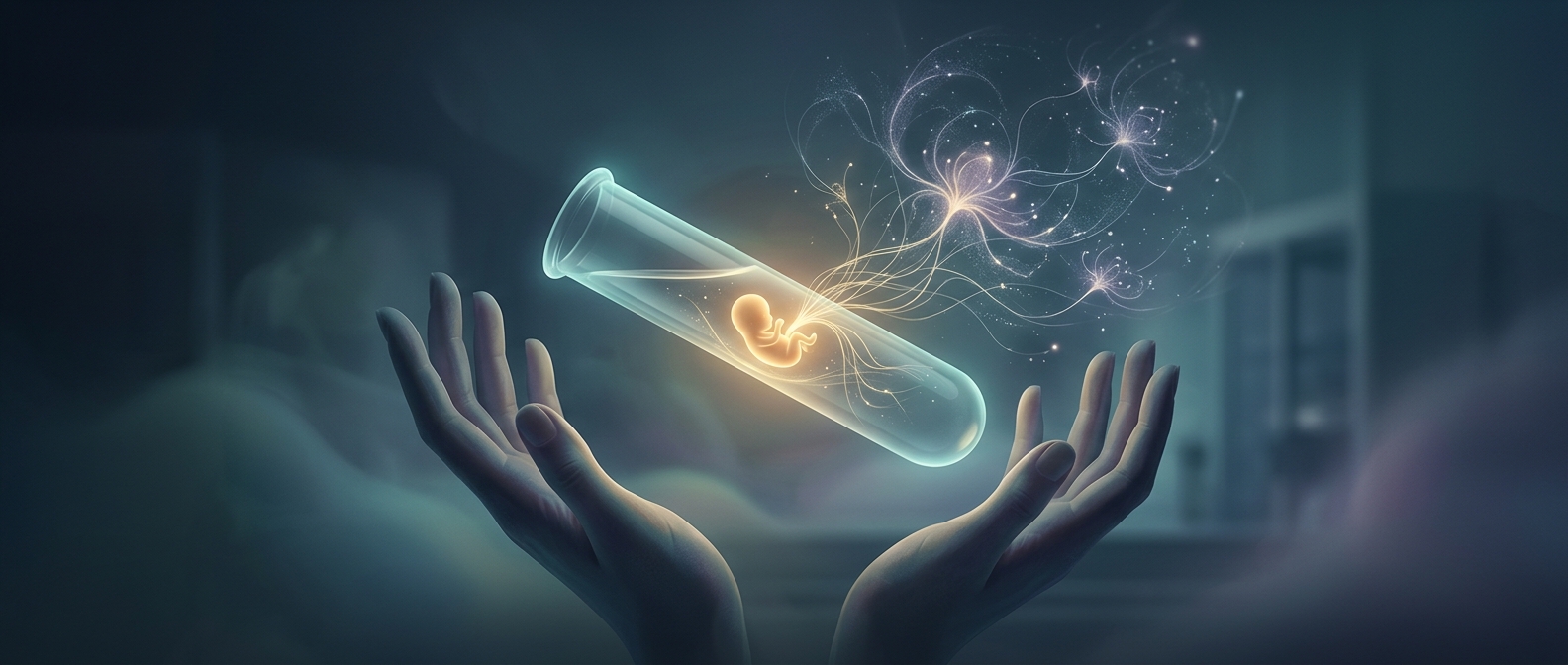
First test tube baby revolutionized reproduction
In 1978, Louise Brown became the first baby born through IVF: her embryo was fertilized in a lab dish, then implanted in her mother’s womb.
Discover more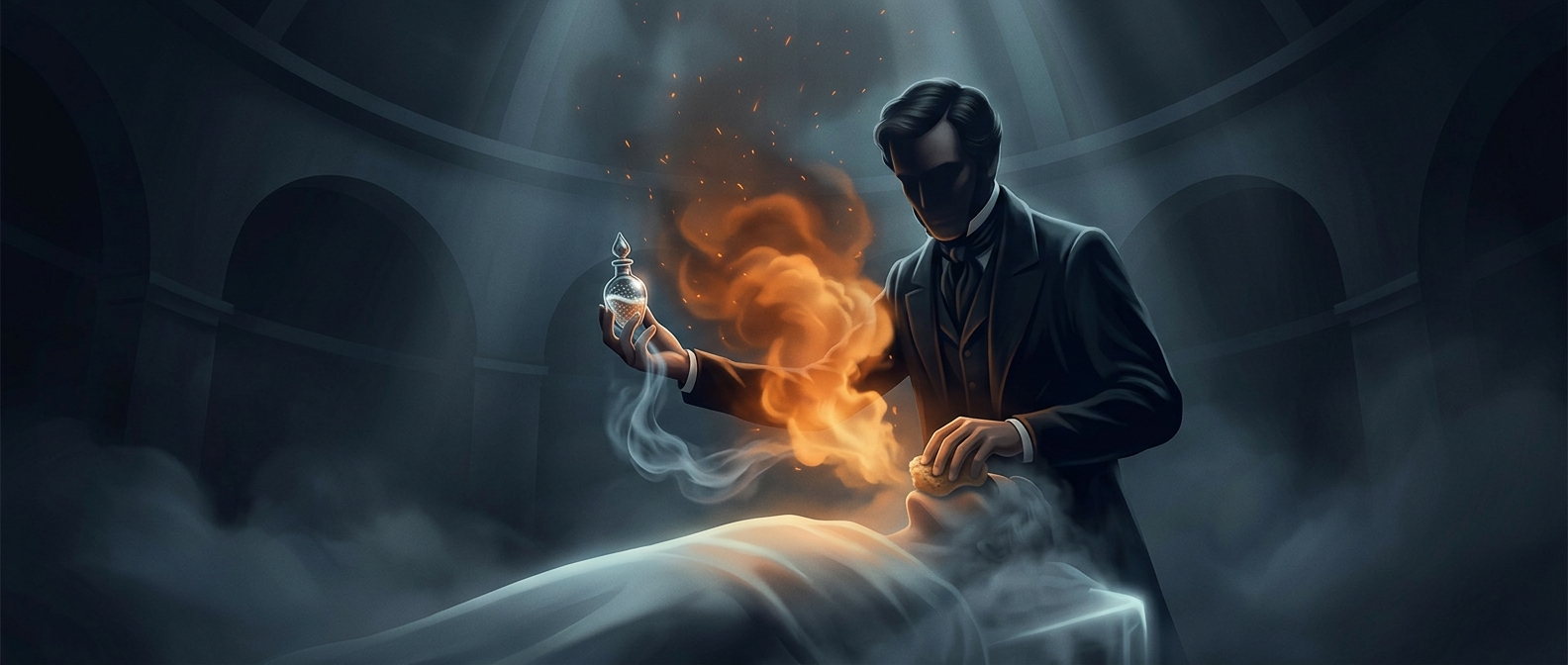
When anesthesia could set the operating room on fire
Ether could knock patients unconscious, but it was highly flammable: a stray spark in the operating room could set it alight.
Discover more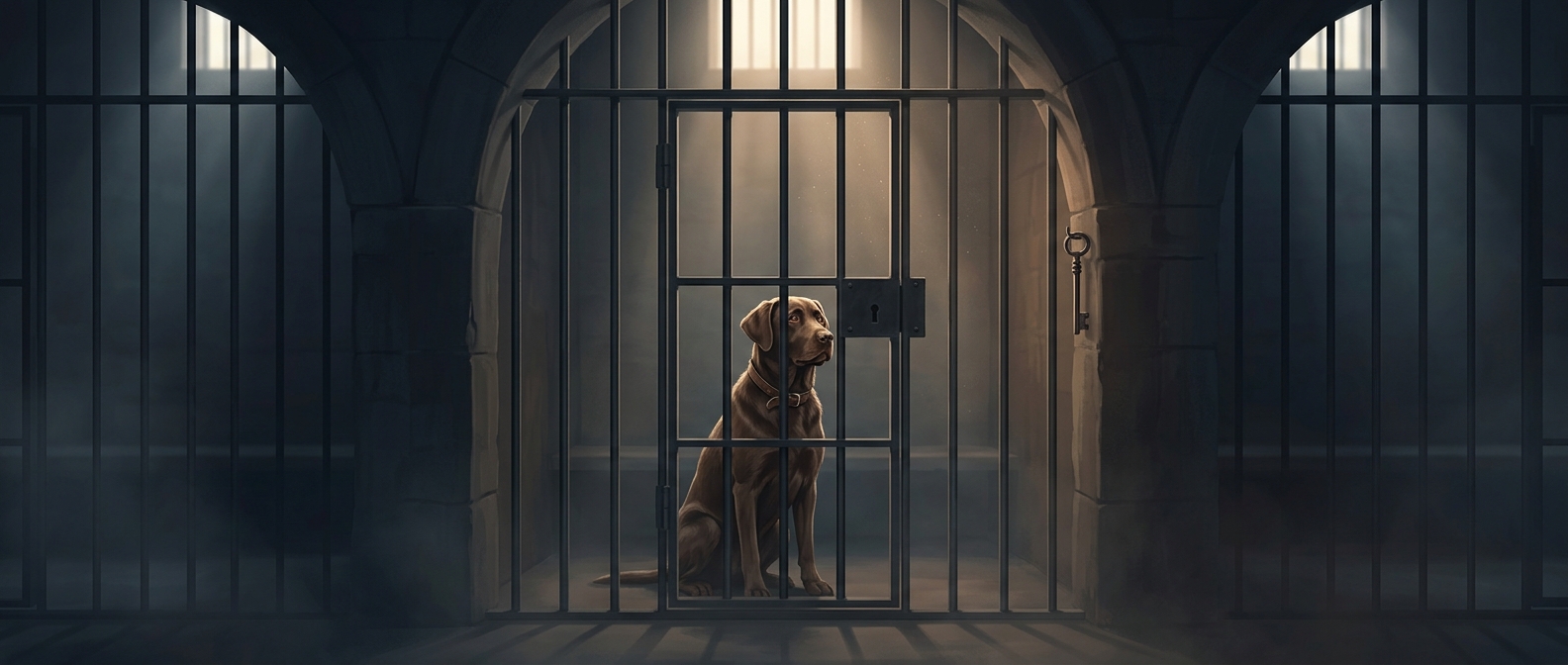
A prison dog received his own mugshot and inmate number
Pep arrived at Pennsylvania’s Eastern State Penitentiary in 1924 as a gift from Governor Gifford Pinchot, intended to improve prisoners’ morale. Staff…
Discover more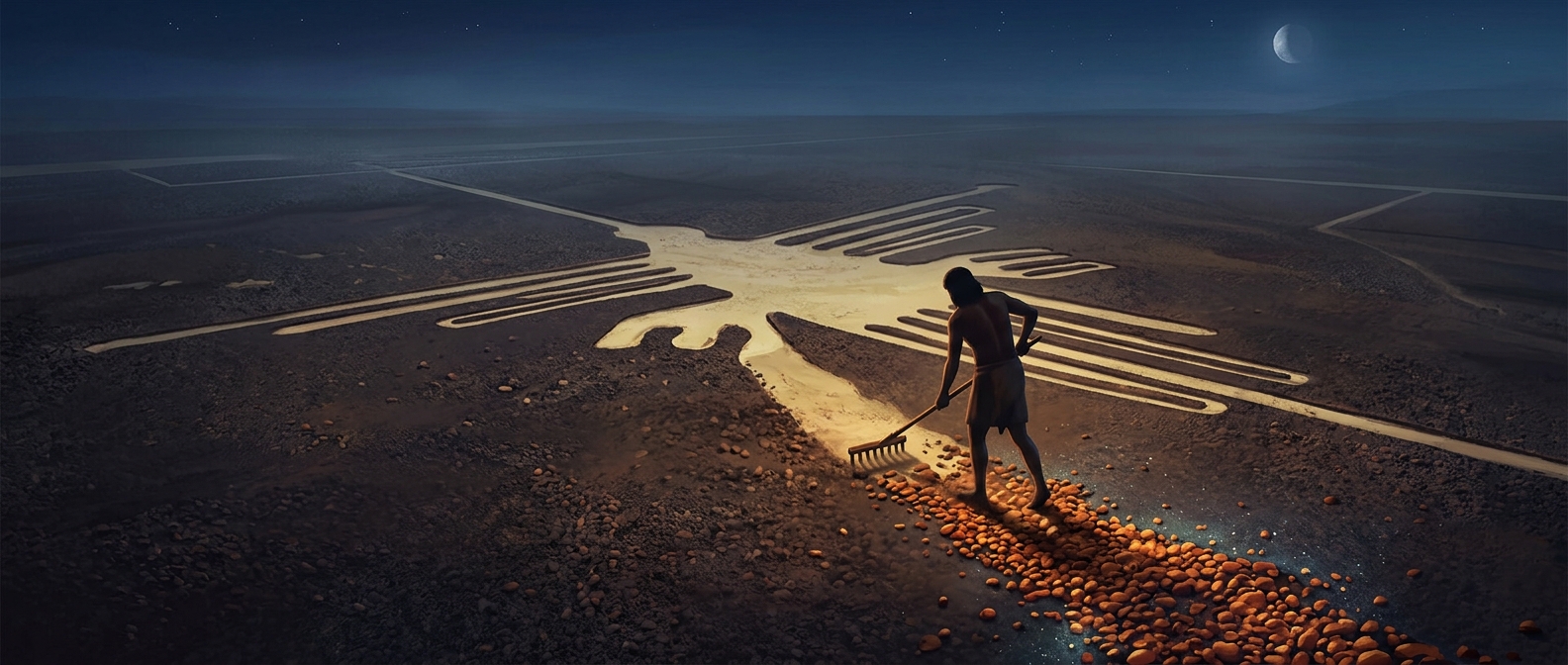
Peruvian geoglyphs were created by scraping red pebbles
The makers didn’t need paint: they scraped away dark surface pebbles to reveal lighter ground beneath. The desert drawing was made by removing the surface,…
Discover more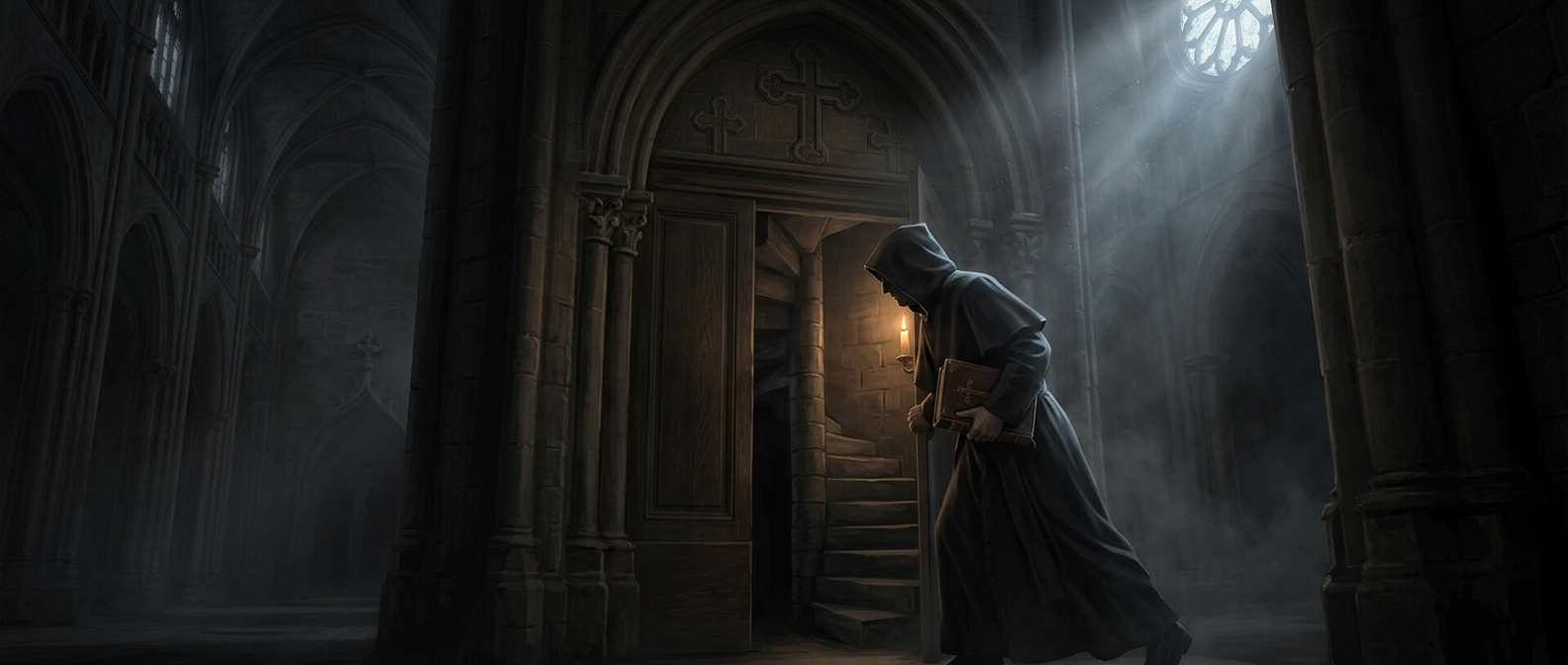
The secret passages built to hide persecuted priests
Catholic families risked arrest for sheltering persecuted clergy, so some mansions had hollow walls and trapdoors where priests could hide. The hidden spaces…
Discover more
Ukiyo-e woodblocks mass produced masterpieces
Carved woodblocks let Japanese artisans print the same detailed, multicolored images again and again. Waves and actors could reach far more people than a…
Discover more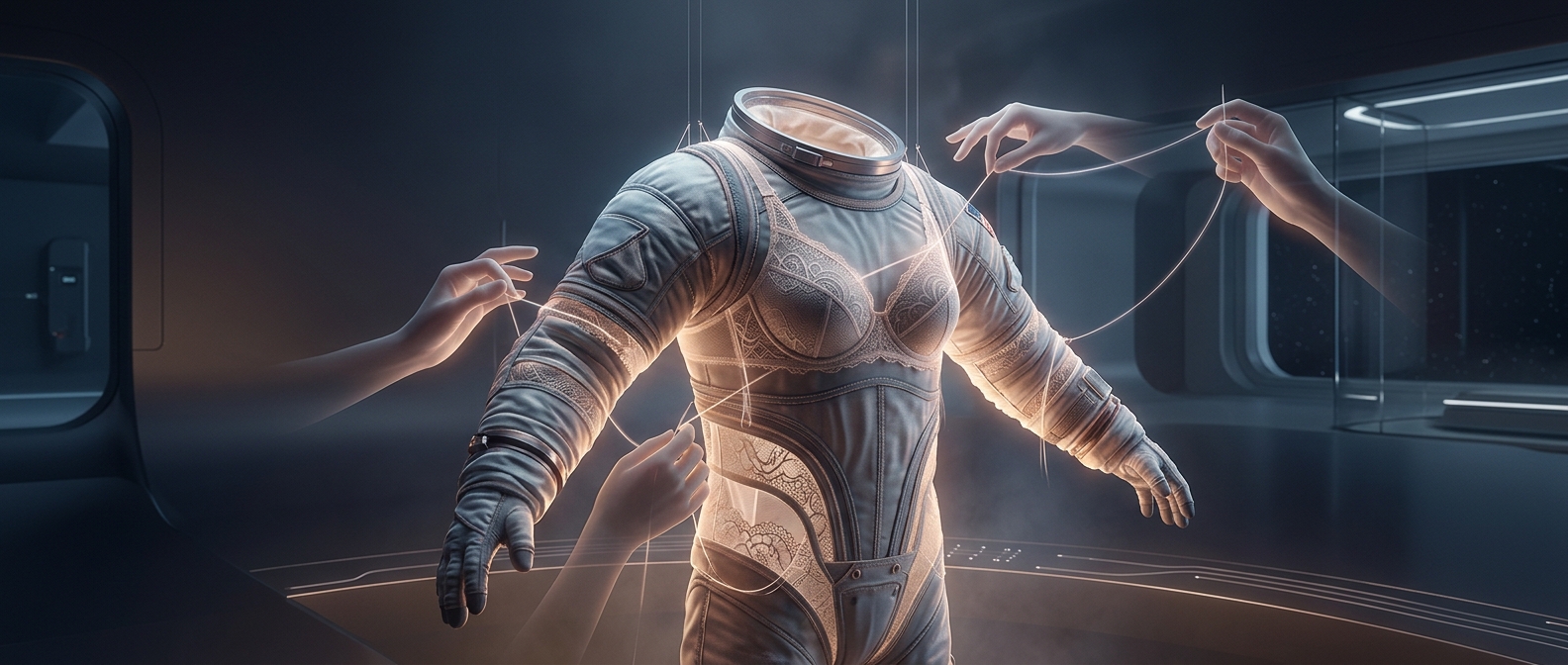
Apollo's spacesuits came from a bra maker
The International Latex Corporation, known for Playtex, brought garment-making skills to a much less forgiving outfit. Seamstresses assembled layers with…
Discover more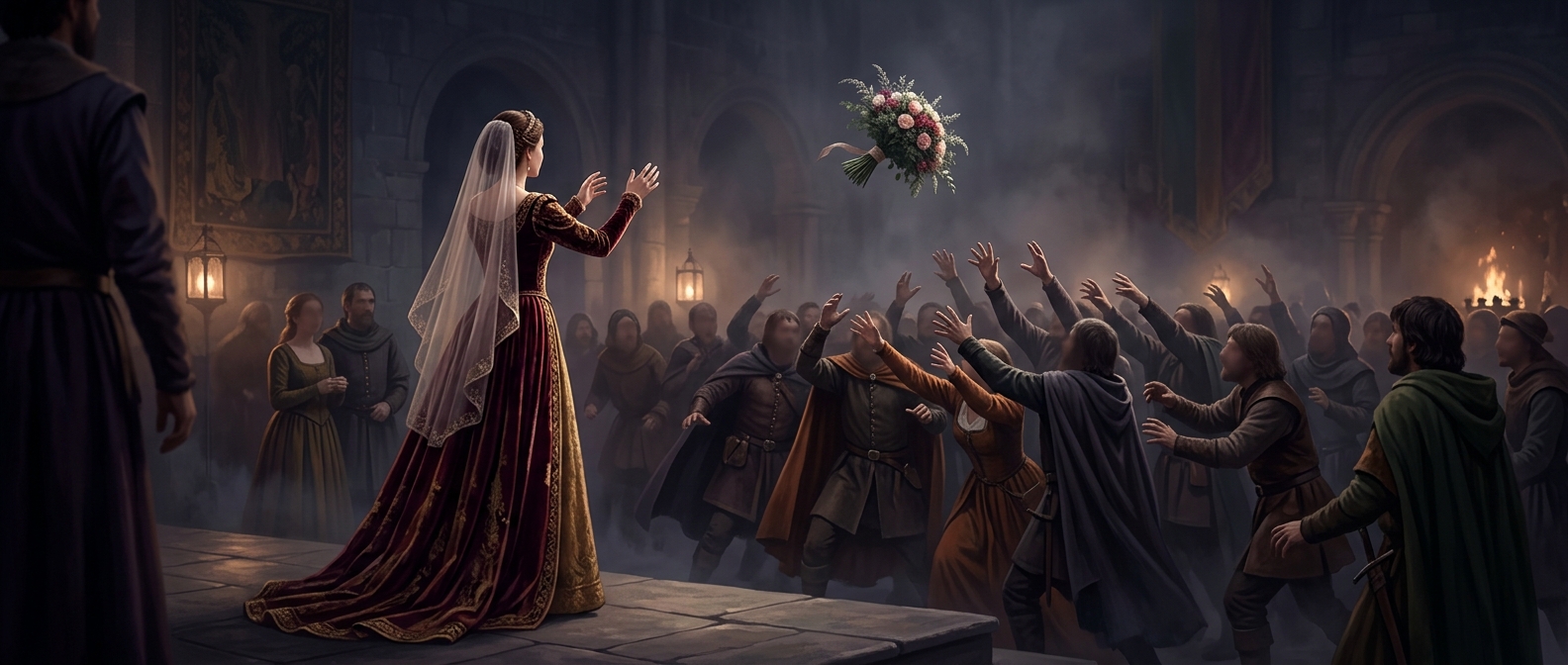
A 1922 wedding guide turned the bouquet toss into an exit strategy
Emily Post described the bride gathering her bridesmaids, heading upstairs to change, then tossing her bouquet back from the staircase. Whoever caught it was…
Discover more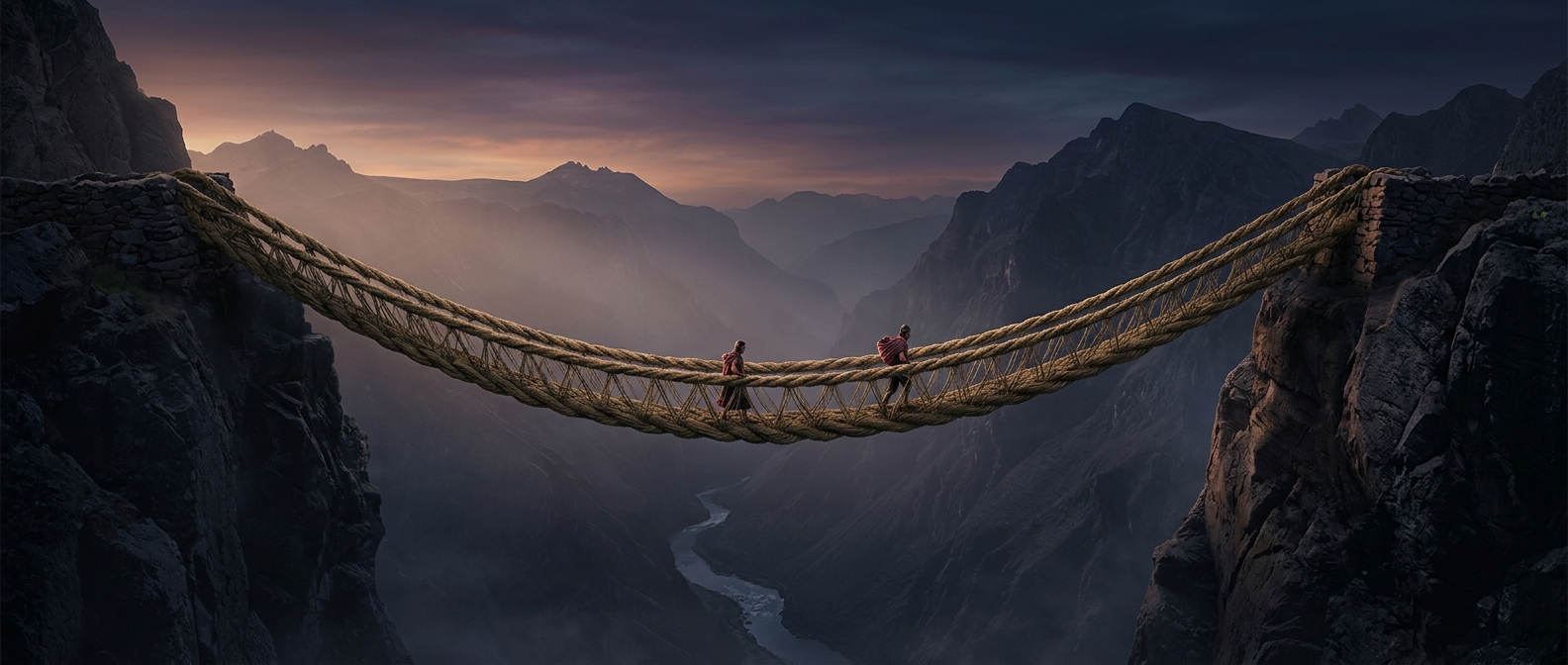
An Andean community renews its grass-rope bridge every year
The Q'eswachaka bridge crosses the Apurímac River gorge using traditional Inca rope-making and construction techniques. Nearby communities gather materials,…
Discover more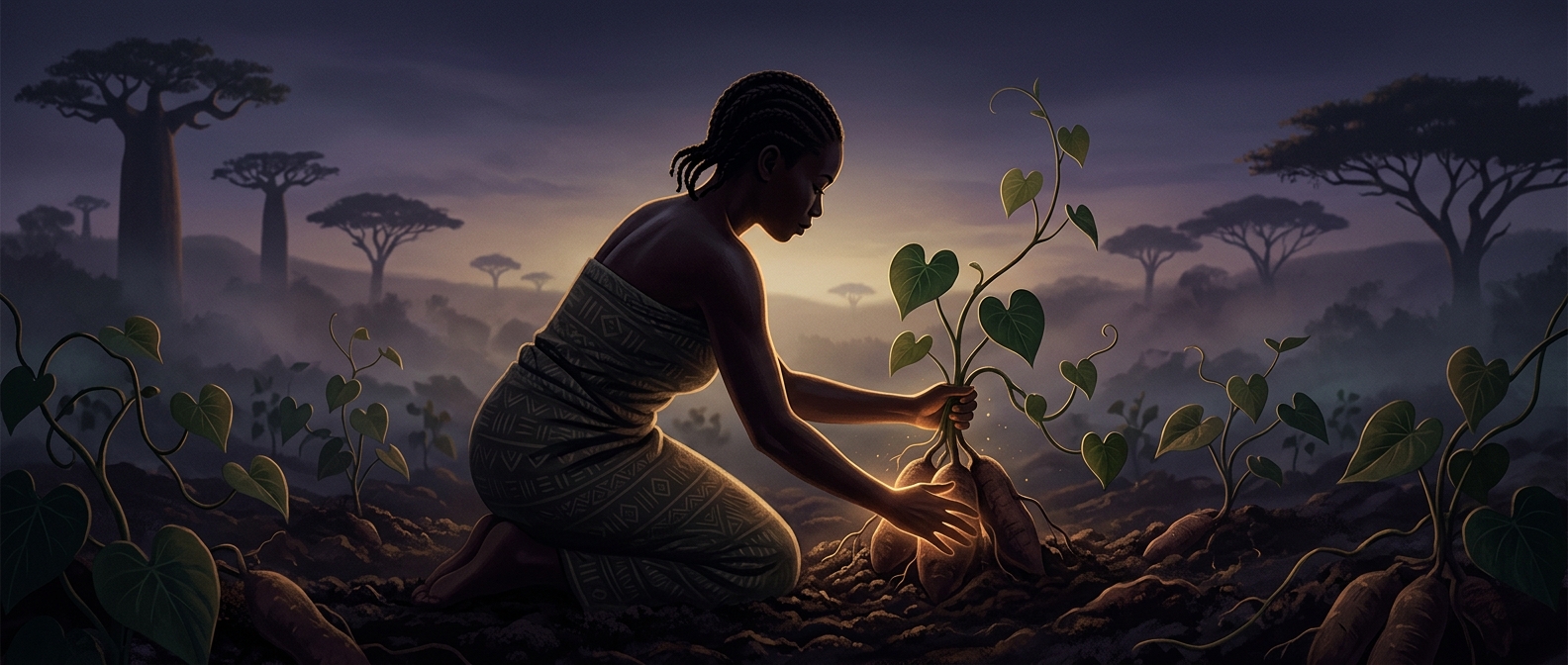
Yams were historically cultivated in West Africa
True yams grow as rough, trunk-like tubers that can be difficult to dig from West African soil, making the harvest demanding manual work.
Discover more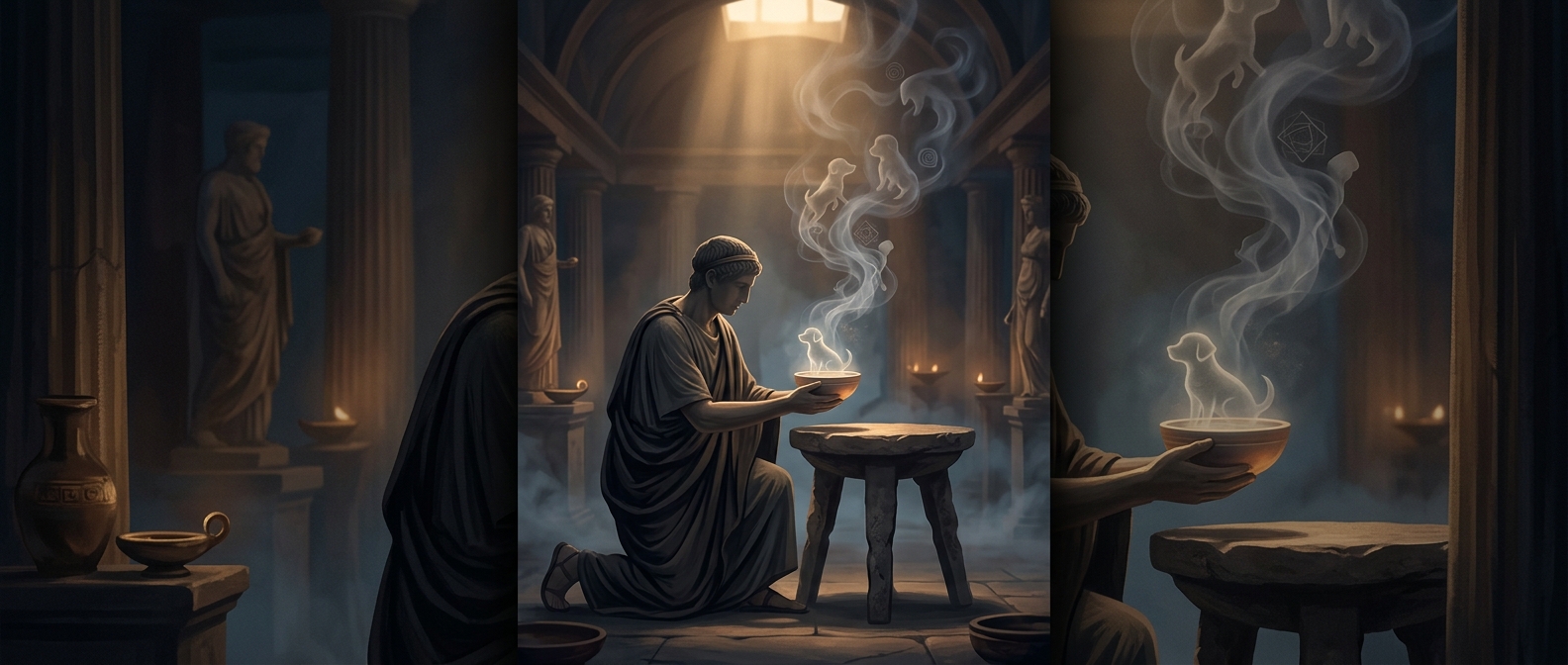
The horrifying ancient remedy for nerve damage
Ancient Greek accounts prescribed boiling newborn dogs in oil to treat nerve damage. The remedy was horrifying, and it didn’t work.
Discover more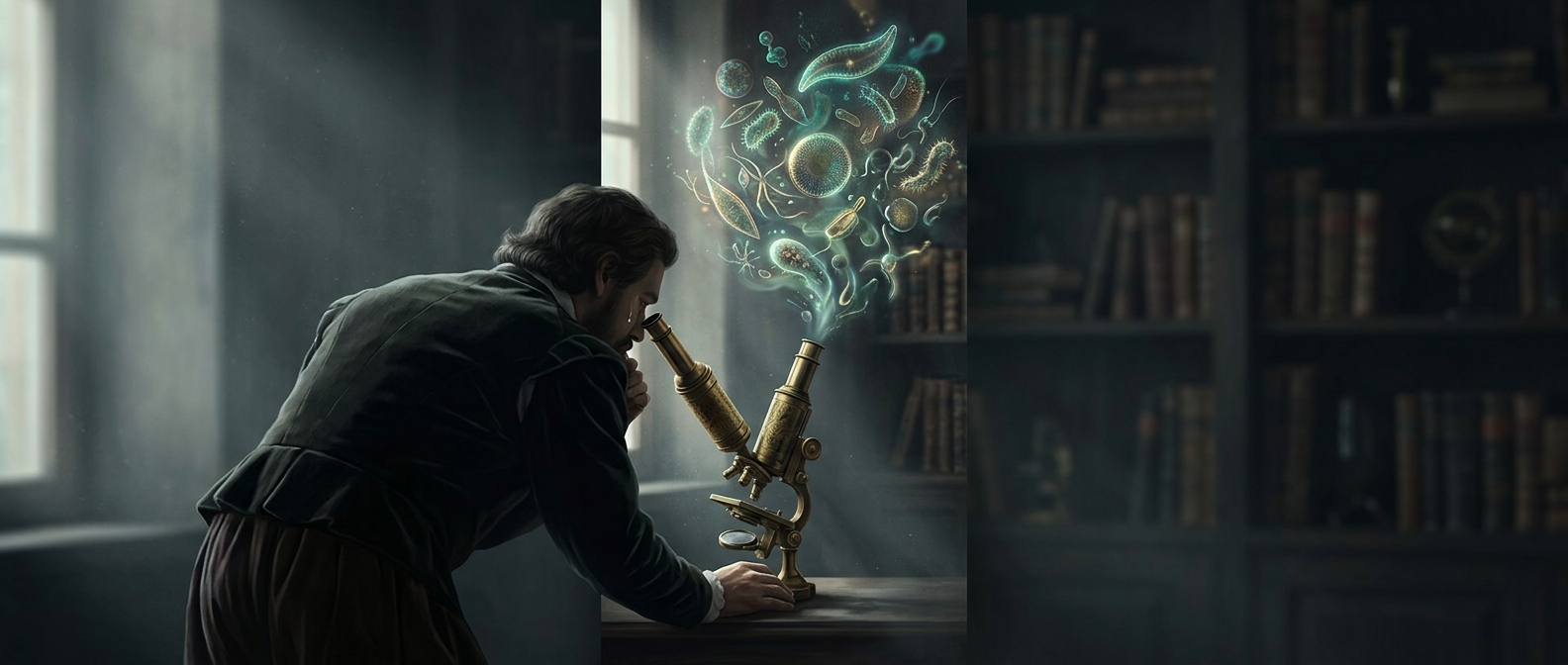
Microscopes revealed organisms nobody believed existed
Before microscopes, a drop of pond water looked like still water. Early lenses revealed it was a crowded world of tiny, wriggling life.
Discover more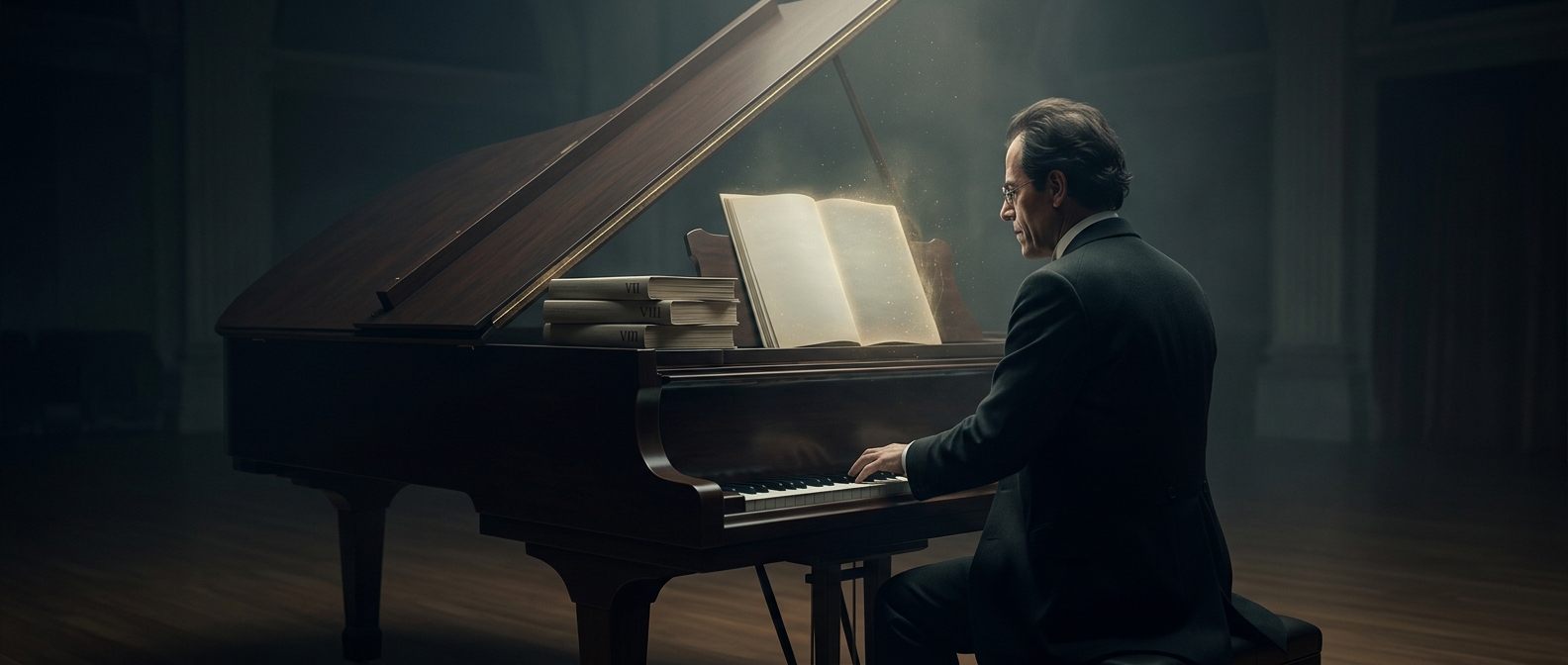
Mahler's music became entangled with the 'curse of the ninth'
The superstition connects composers' deaths with reaching a ninth symphony. In the familiar account associated with Mahler, the unnumbered Das Lied von der…
Discover more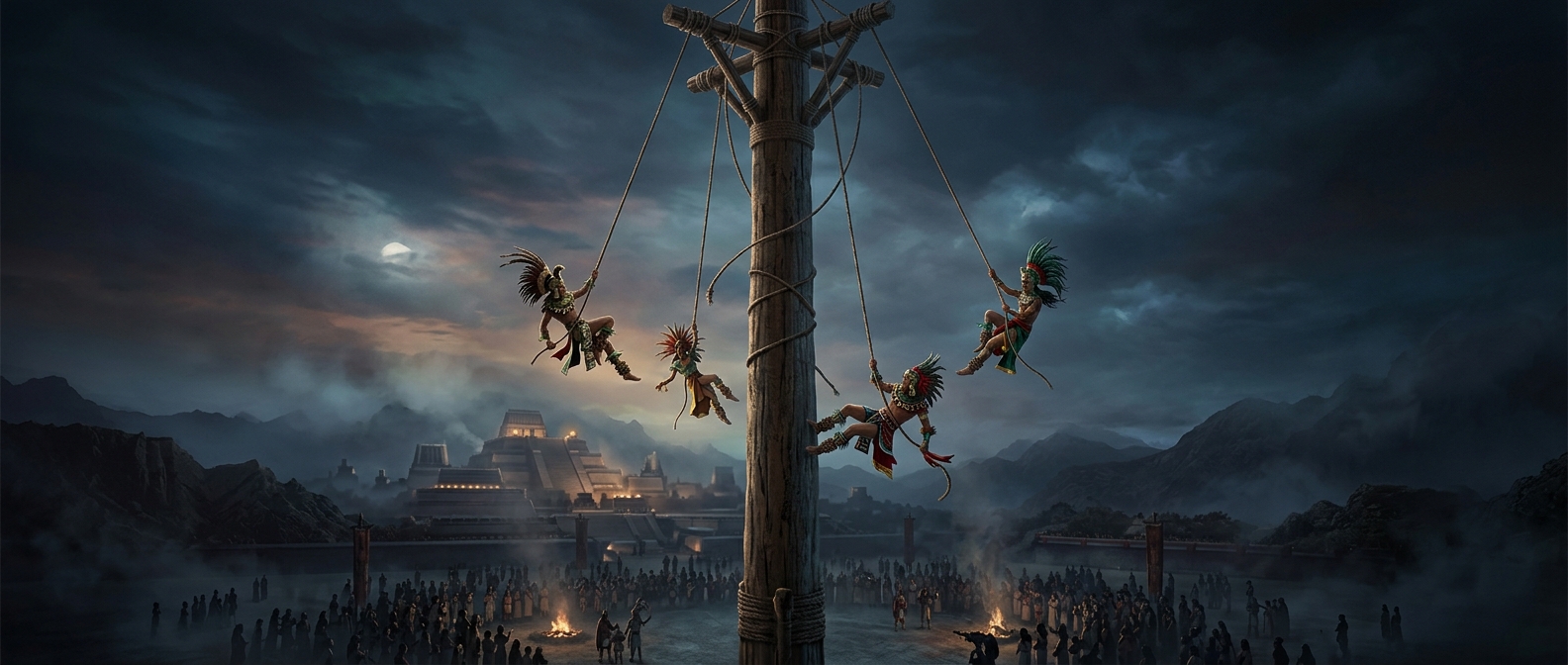
The performers who leap from a towering pole
In the Danza de los Voladores, four performers leap backward from a pole about 100 feet high, ropes tied to their ankles. They spiral down while a fifth man…
Discover more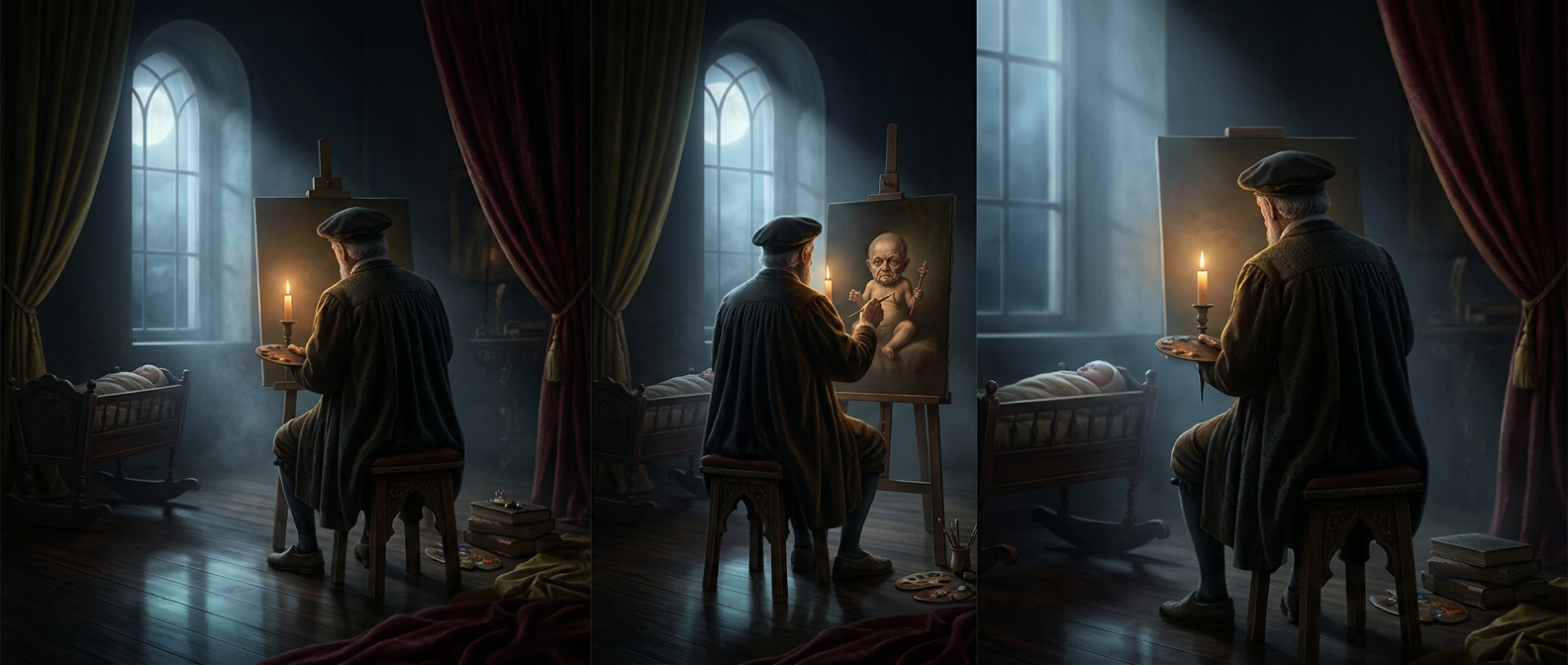
Medieval baby Jesus could look like a miniature adult
Many images emphasized Christ's divine identity and wisdom rather than an ordinary infant's proportions. Adult-looking features made a theological message…
Discover more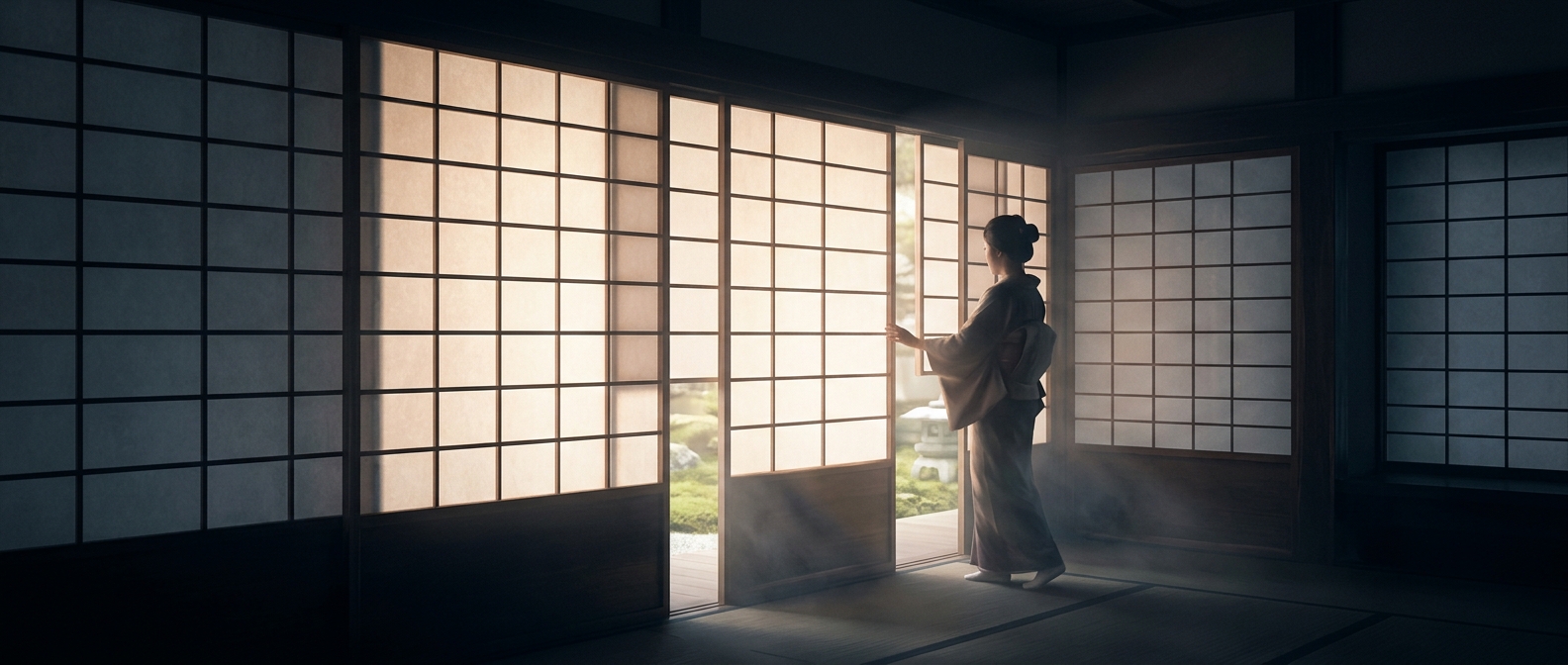
Japanese homes used sliding paper doors
Their lightweight wooden frames and paper panels avoided the weight of heavy doors in earthquake-prone homes. When the ground shook, there was simply less…
Discover more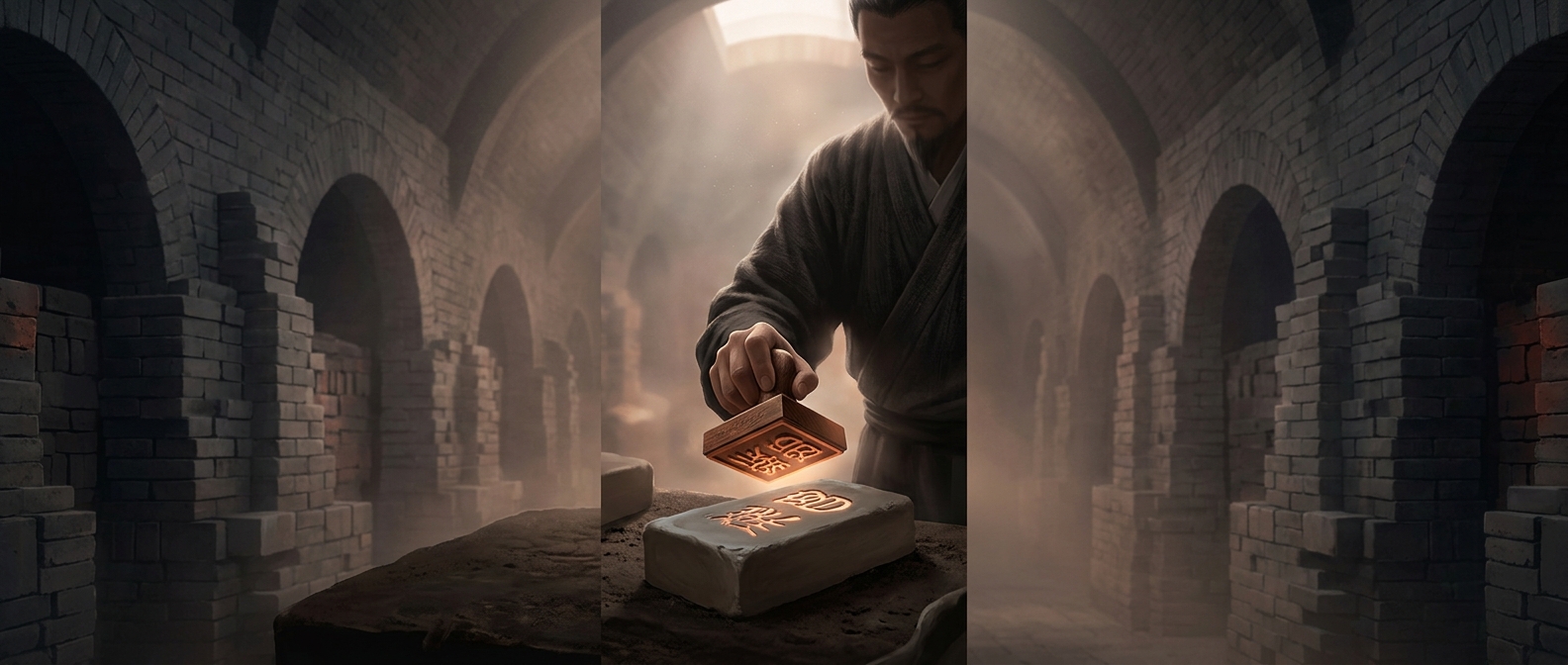
Ancient Chinese brickmakers stamped their names into clay
Inspectors could trace a defective brick to its maker if a section of a defensive wall failed. Each stamp was a tiny accountability label—because a weak wall…
Discover more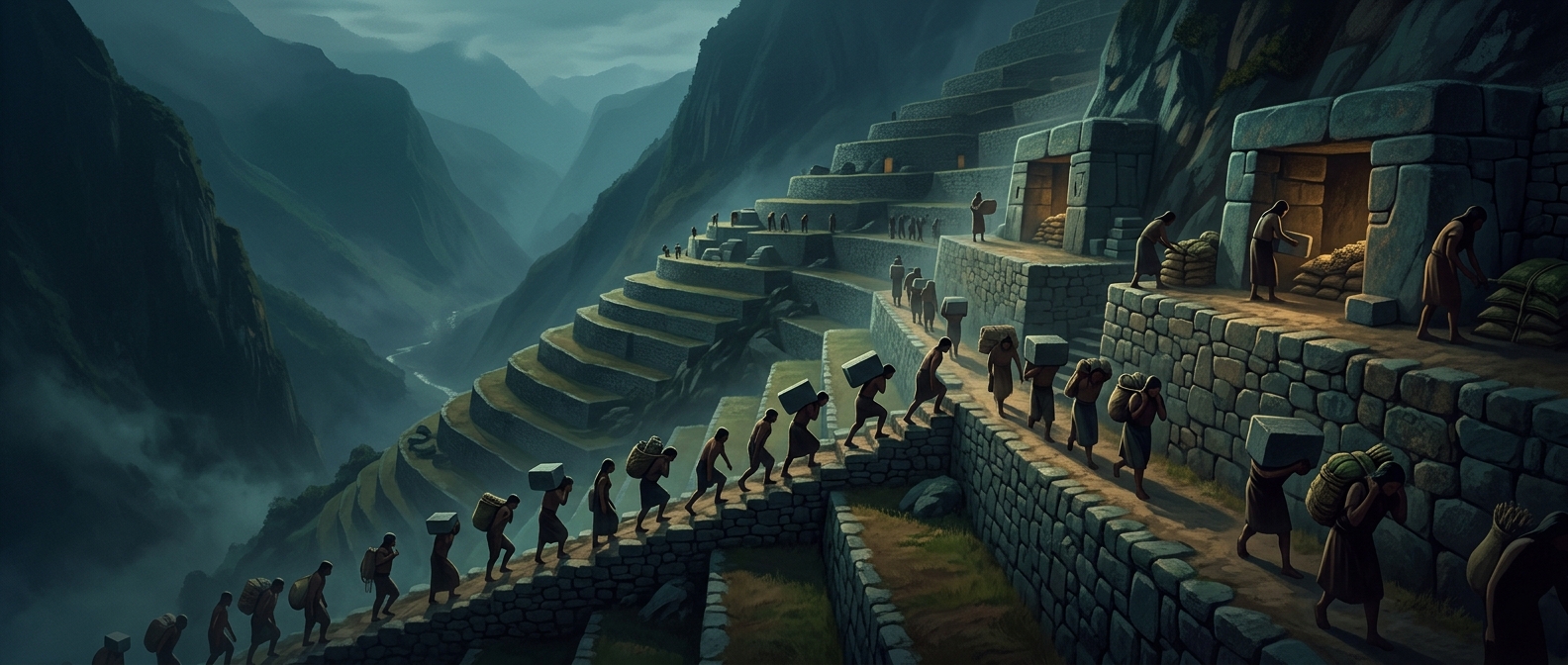
Incan administrators mandated physical labor for taxation
Under the mit’a system, citizens paid taxes by working part of the year on public projects, from building suspension bridges to carving roads through the…
Discover more