History
Discover facts about history. Small discoveries that change the way you see familiar things.
History
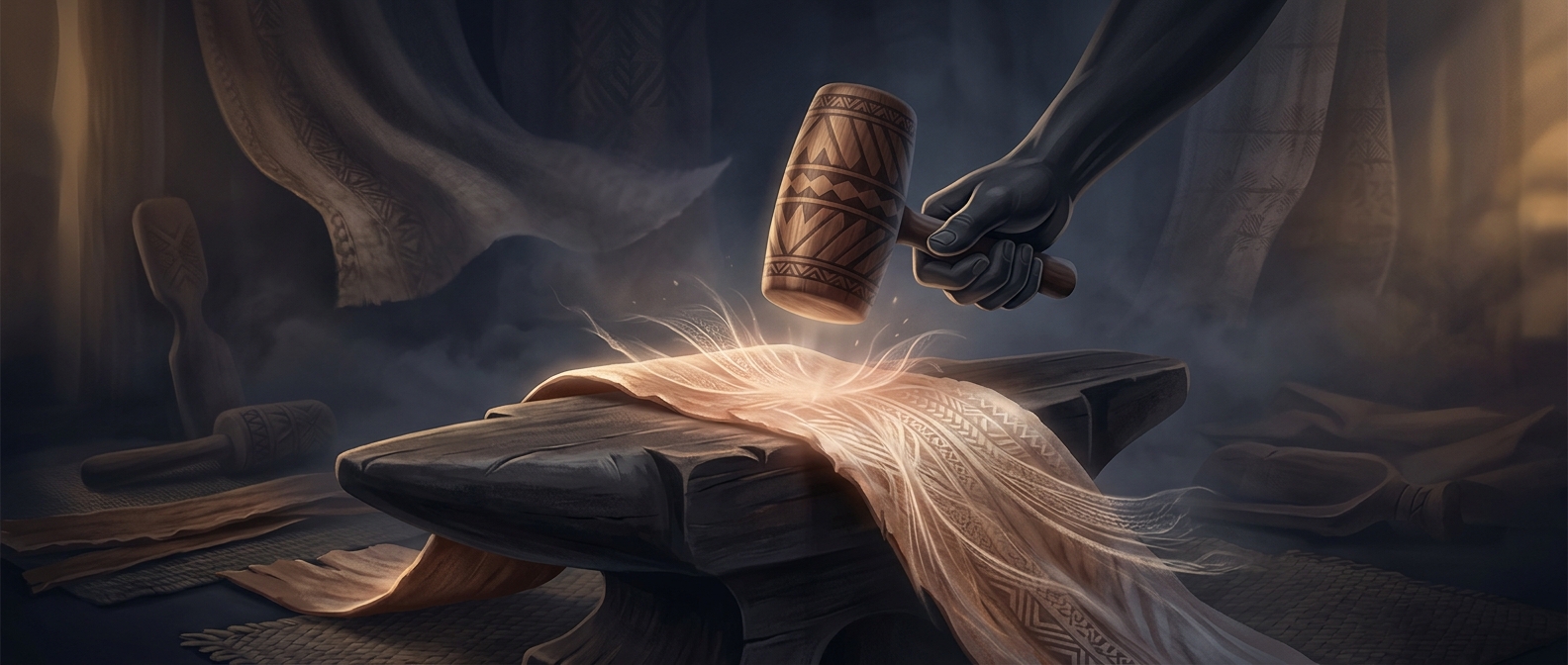
Polynesian bark cloth requires beating tree strips
To make tapa cloth, artisans strip inner bark from mulberry trees and beat it with wooden mallets until it spreads into a soft, durable fabric. They can then…
Discover more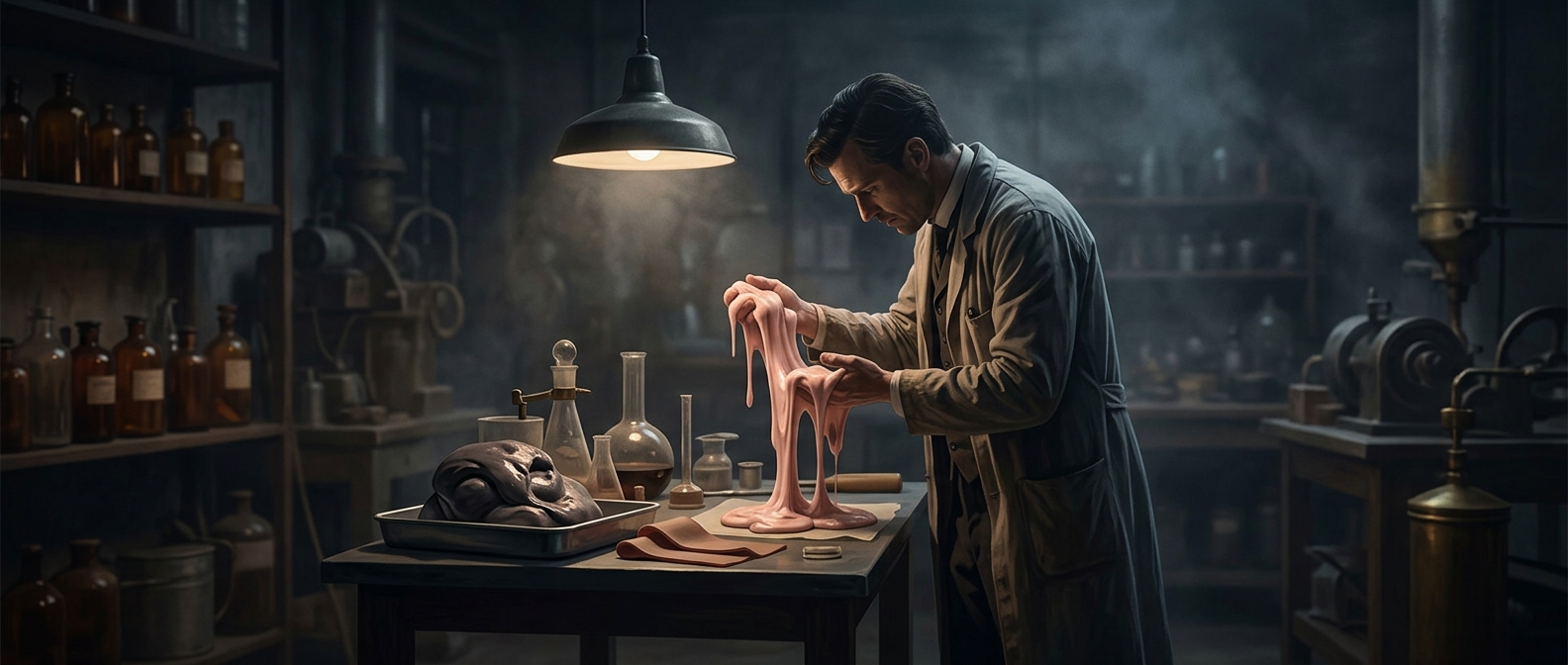
Silly Putty behaves differently depending on how impatient you are
A quick impact makes it respond elastically, so it bounces. Give it time under a steady load and it slowly flows into a new shape. Those behaviors share the…
Discover more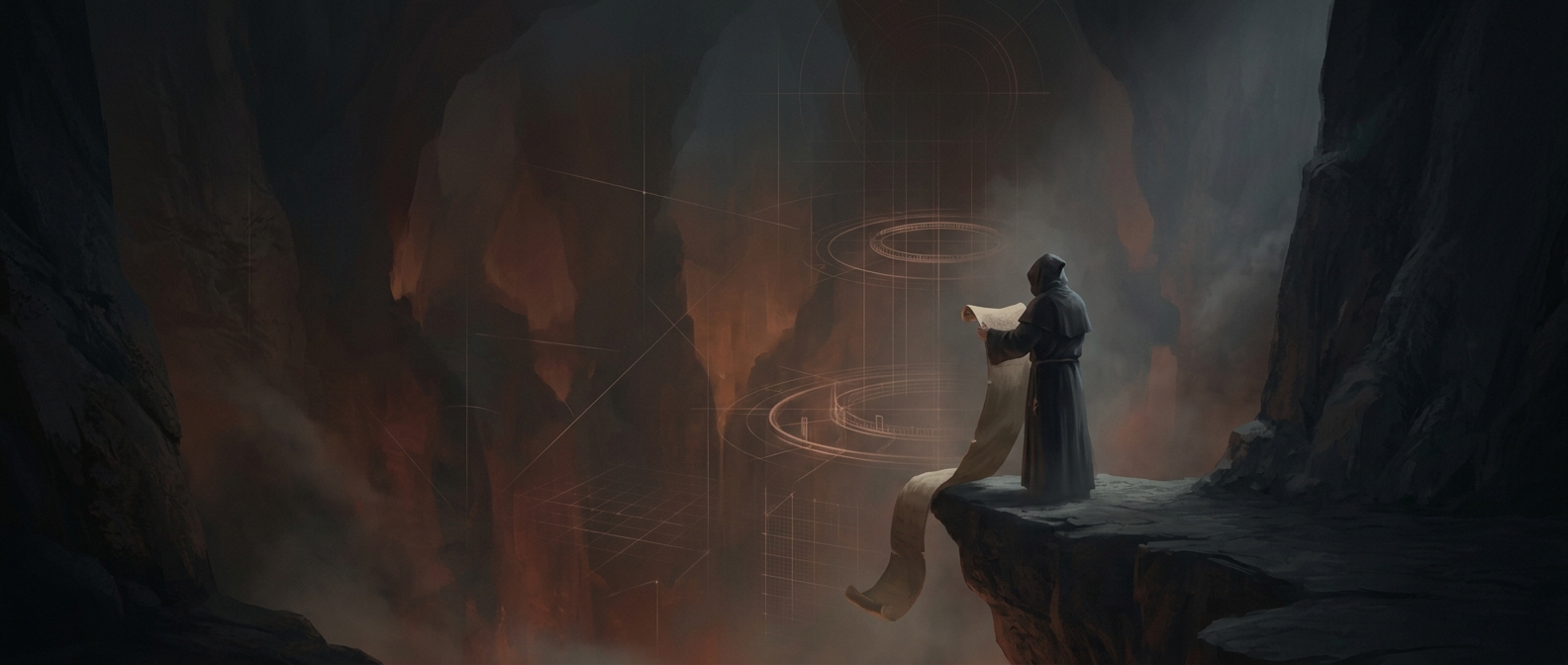
Galileo gave lectures about the dimensions of Dante's hell
He defended a geometric reconstruction of the Inferno in lectures at Florence's academy in 1587–88. Scholars used clues in the poem to debate the underworld's…
Discover more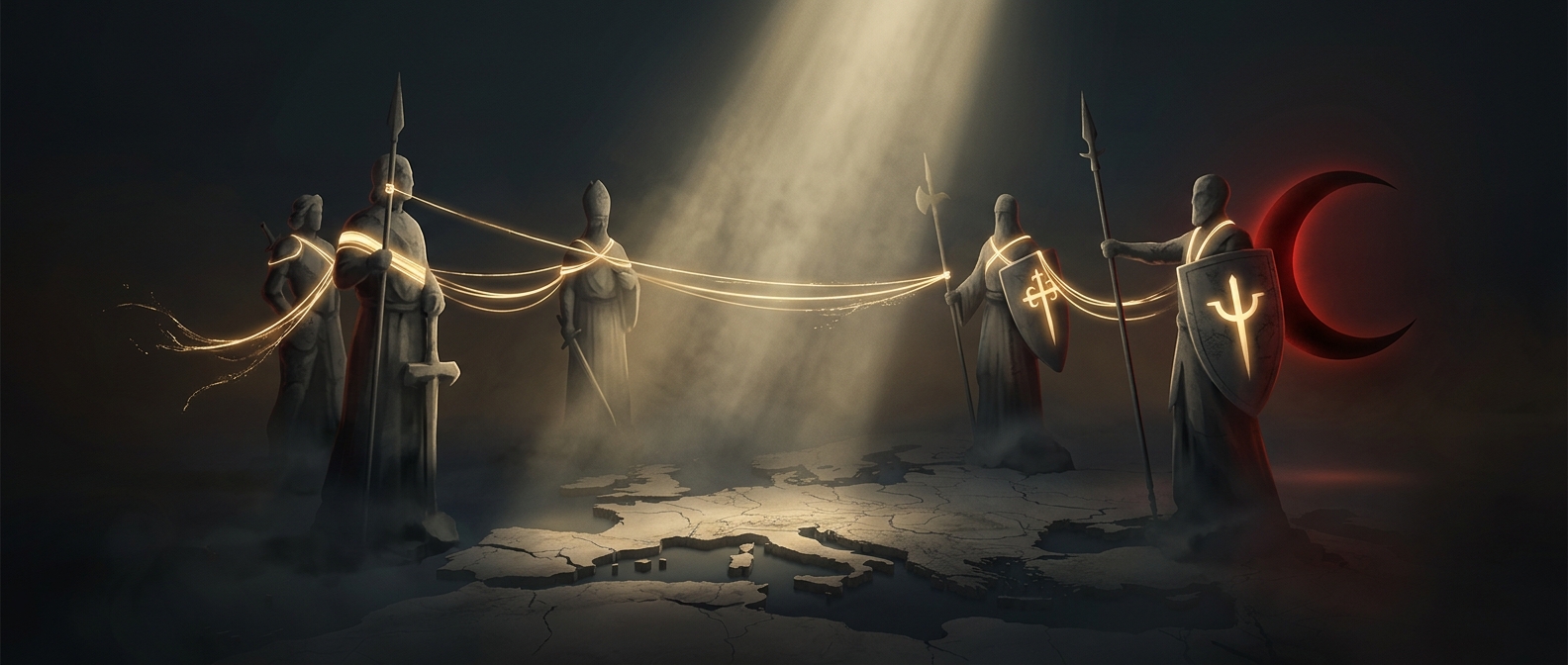
Holy leagues were just temporary alliances to fight Ottomans
The Ottoman threat gave rival rulers a reason to unite, even when they had little else in common. Holy leagues were temporary by design: once the shared enemy…
Discover more
Wedding veils weren't always reserved for the bride
In the 1830s, bridesmaids and even guests could also wear veils. Matching dress helped frame the bride as part of a group, while later fashion sharpened the…
Discover more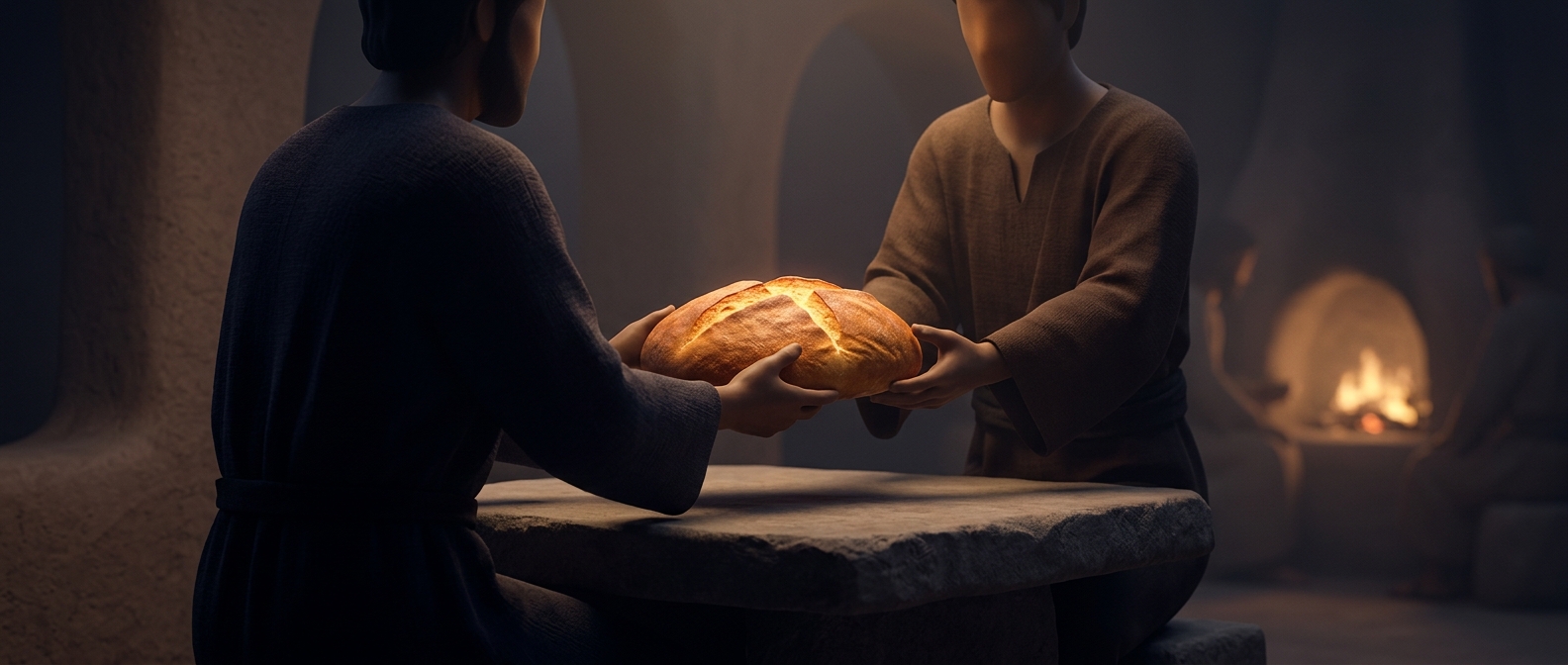
Why a companion is literally someone you share bread with
Late Latin built the word from com, meaning “with,” and panis, meaning “bread”: a companion was, quite literally, someone at your table.
Discover more STACKY FOR IPHONE
A bigger world.
One discovery
at a time.
Keep discovering with Stacky. Interesting facts in an app that is always within reach.
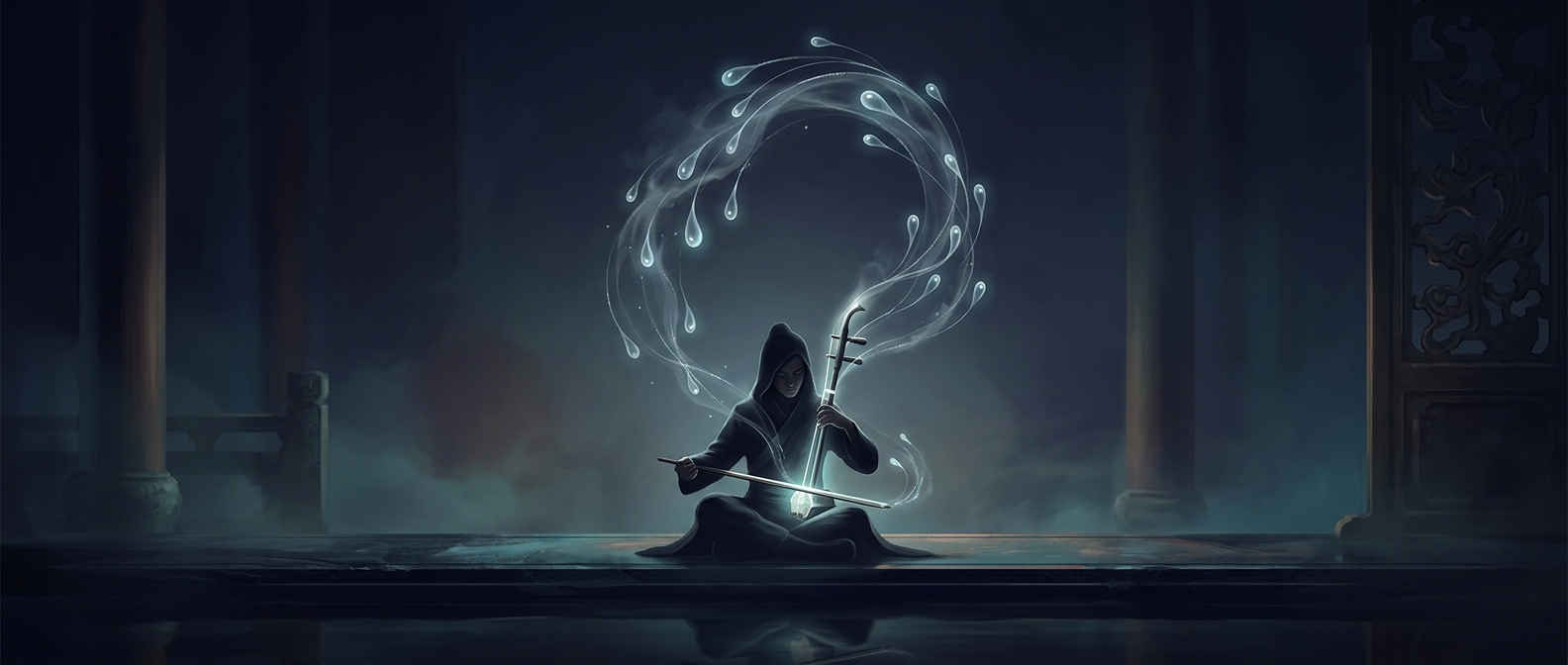
How two strings make an erhu sound like a sob
The bow and the player’s finger pressure let the musician bend and roughen the notes until they closely resemble a human sob.
Discover more
Popcorn was a portable snack long before movie theaters
By selecting corn that popped over a fire, Indigenous peoples created food that was light, nutritious, and slow to spoil. It traveled well long before anyone…
Discover more
When artists threw themselves into their work—literally
The Gutai artists wanted art to be an event, not just an image on canvas. They plunged through paper and wrestled in mud, making the artist’s body part of the…
Discover more
Häagen-Dazs is a made-up name
The founders wanted an imported-sounding name to suggest European style, so they invented one. The foreign feel was the point; the name wasn’t actually…
Discover more
The Maya saw the night sky as a giant jaguar
They imagined the night sky as a giant jaguar, with stars as glowing spots on its pelt—a dangerous predator overhead after sunset.
Discover more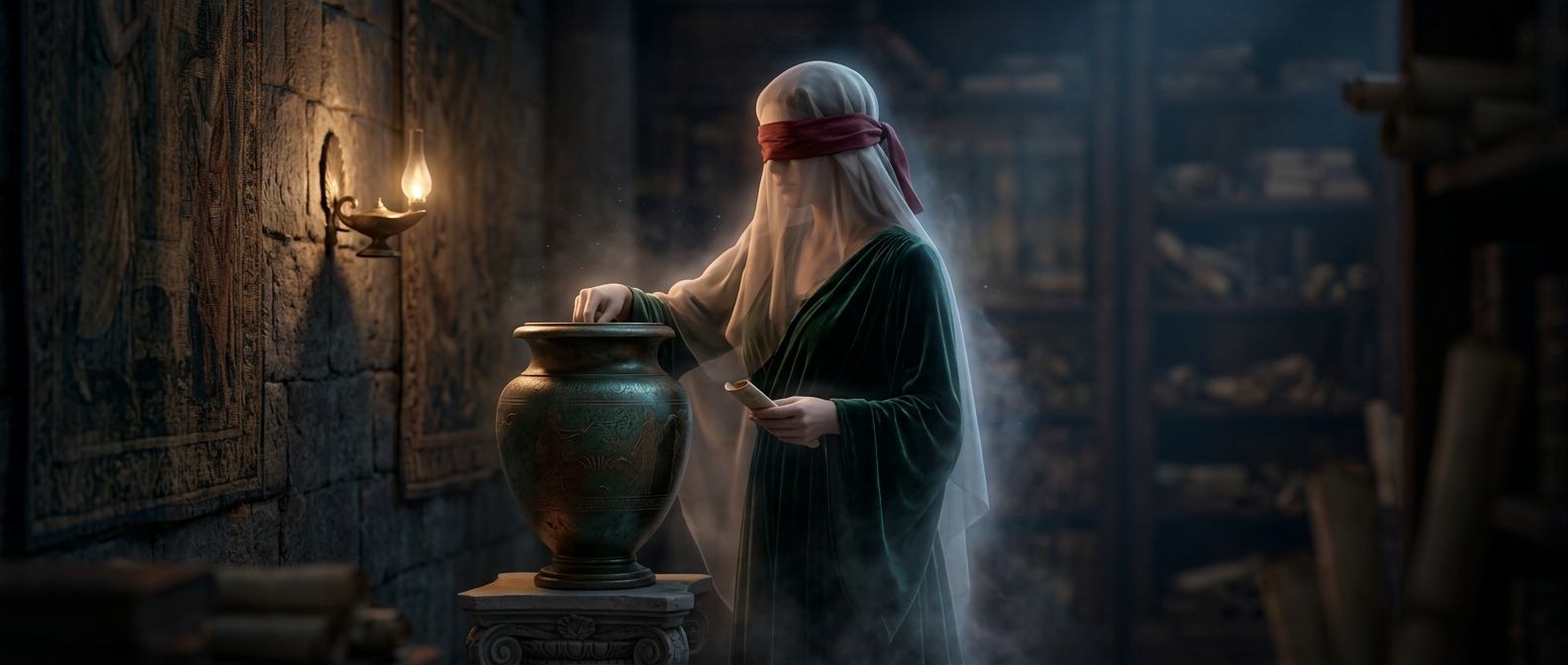
Pepys recorded a Valentine's lottery with a gift bill
The diarist described people drawing names and mottoes to choose valentines in the 1660s. Being selected could mean buying a present, including a ring. The…
Discover more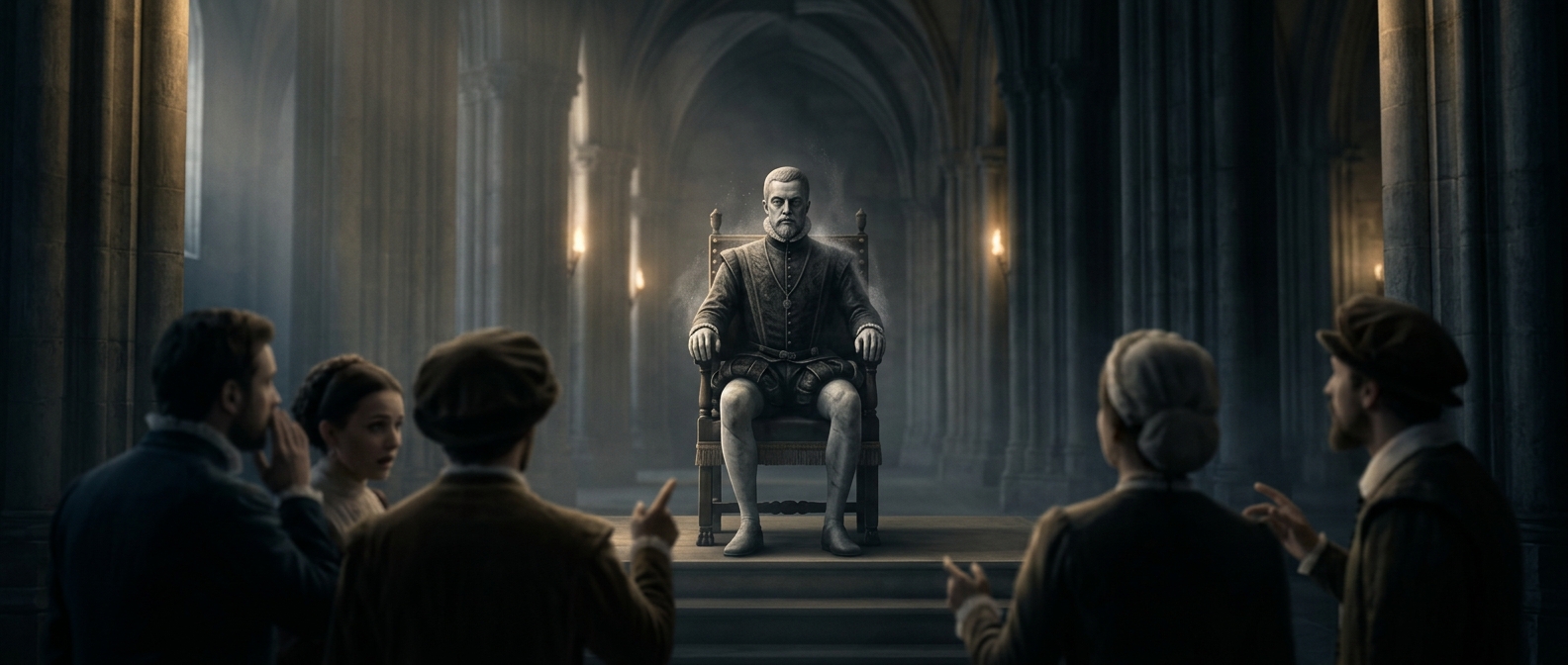
Philip II tried to run an empire through his desk
His rule relied on councils, reports, and an expanding bureaucracy, with important decisions flowing back to the monarch. That gave a distant ruler detailed…
Discover more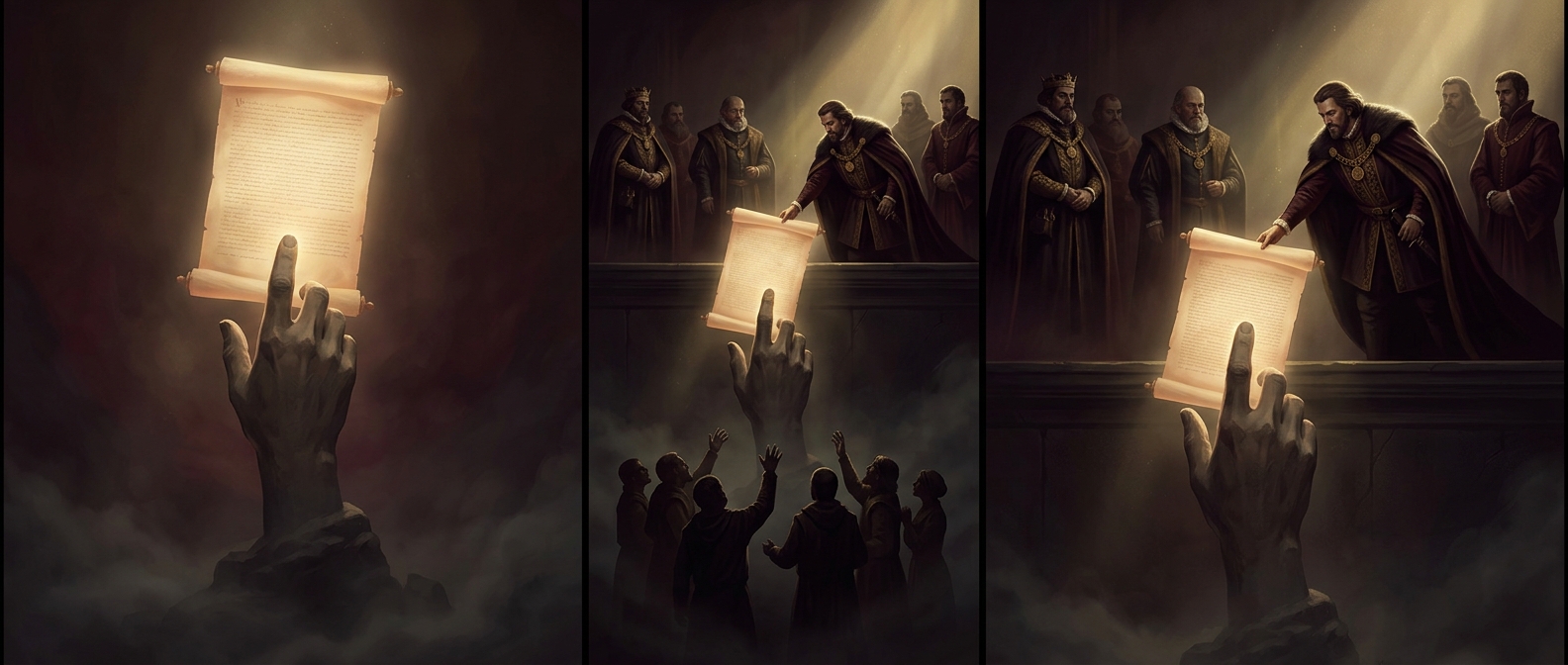
Magna Carta began as a deal between a king and his enemies
Rebel barons forced King John to accept limits in 1215, protecting interests that included inheritance, feudal payments, and the rights of free men. Clauses…
Discover more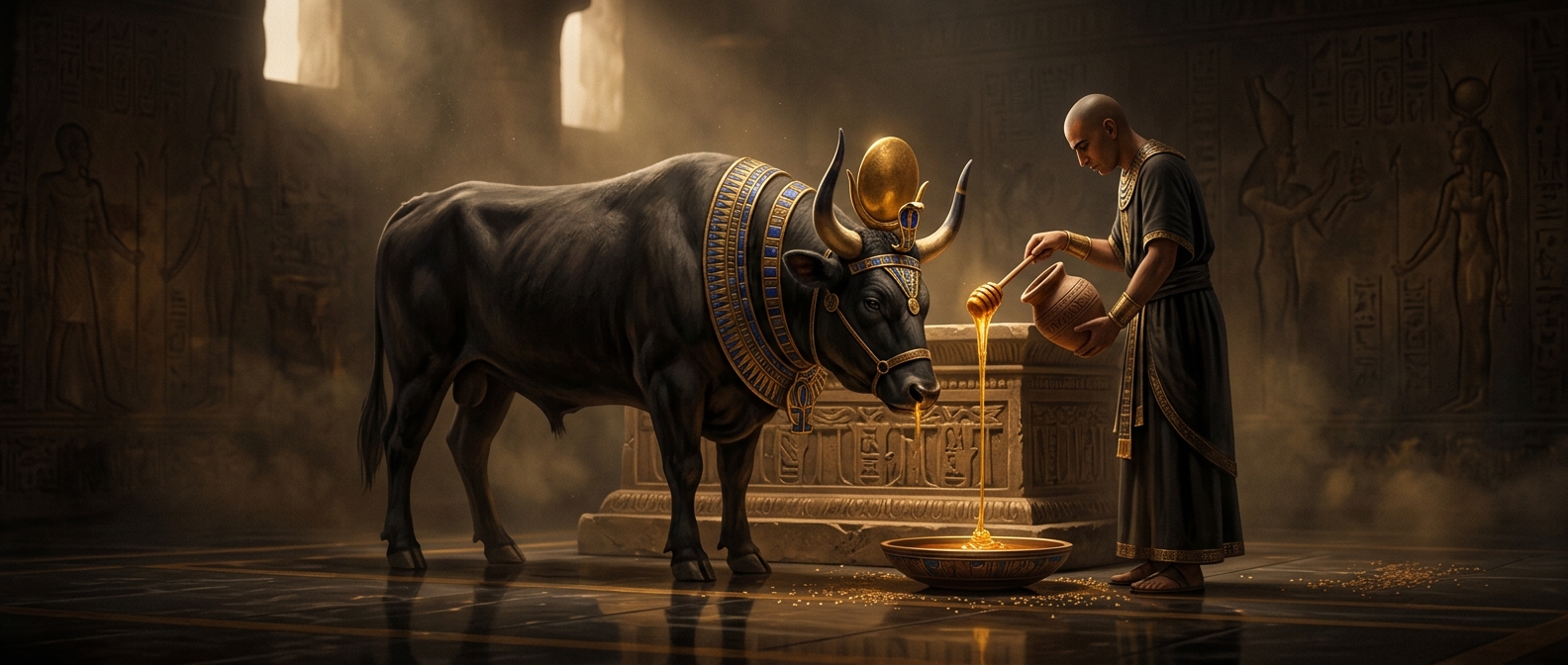
Egypt's sacred bull received a funeral—and his mother had a cult
Priests selected the Apis bull by distinctive markings and kept him near the temple of Ptah in Memphis. After death he was embalmed and buried with honors;…
Discover more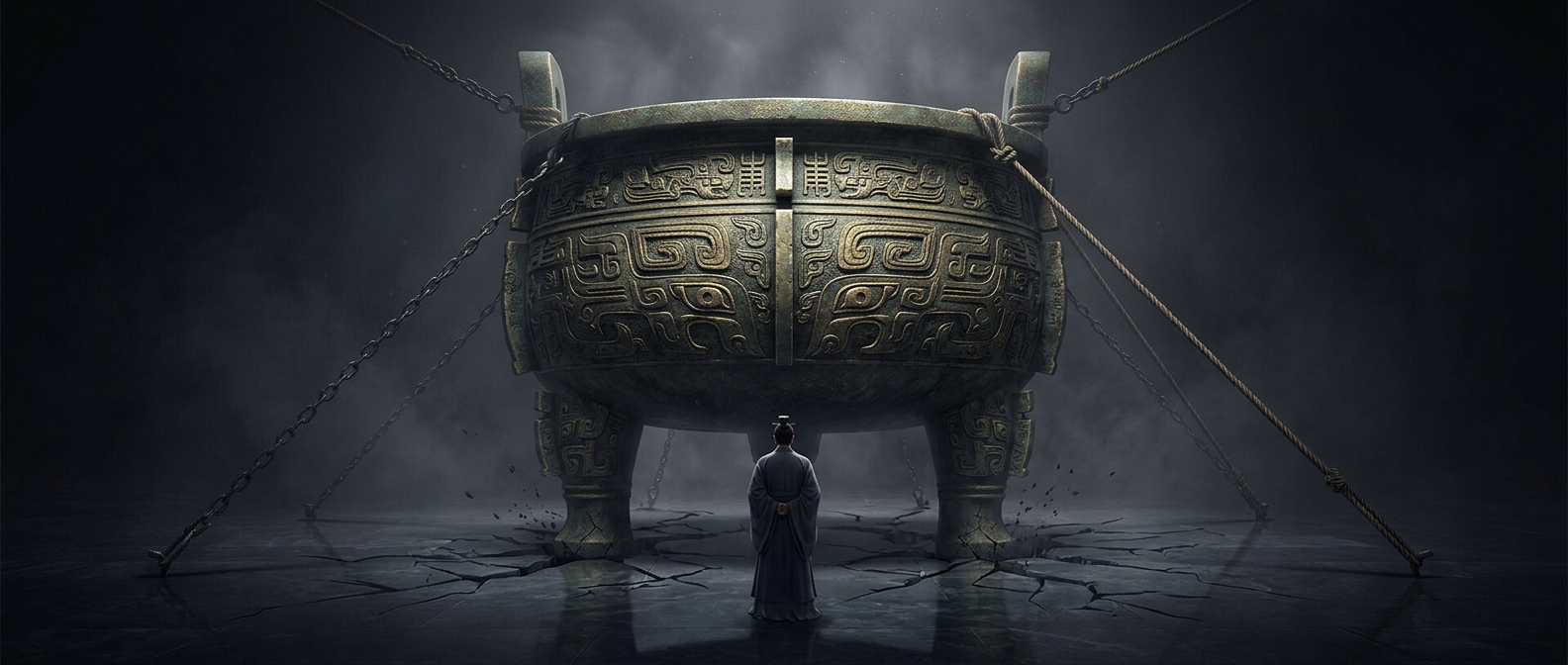
Ancient Chinese ceremonial vessels weighed massive amounts
Some ancient Chinese ceremonial bronze cauldrons weighed thousands of pounds, so moving one required a coordinated team of laborers.
Discover more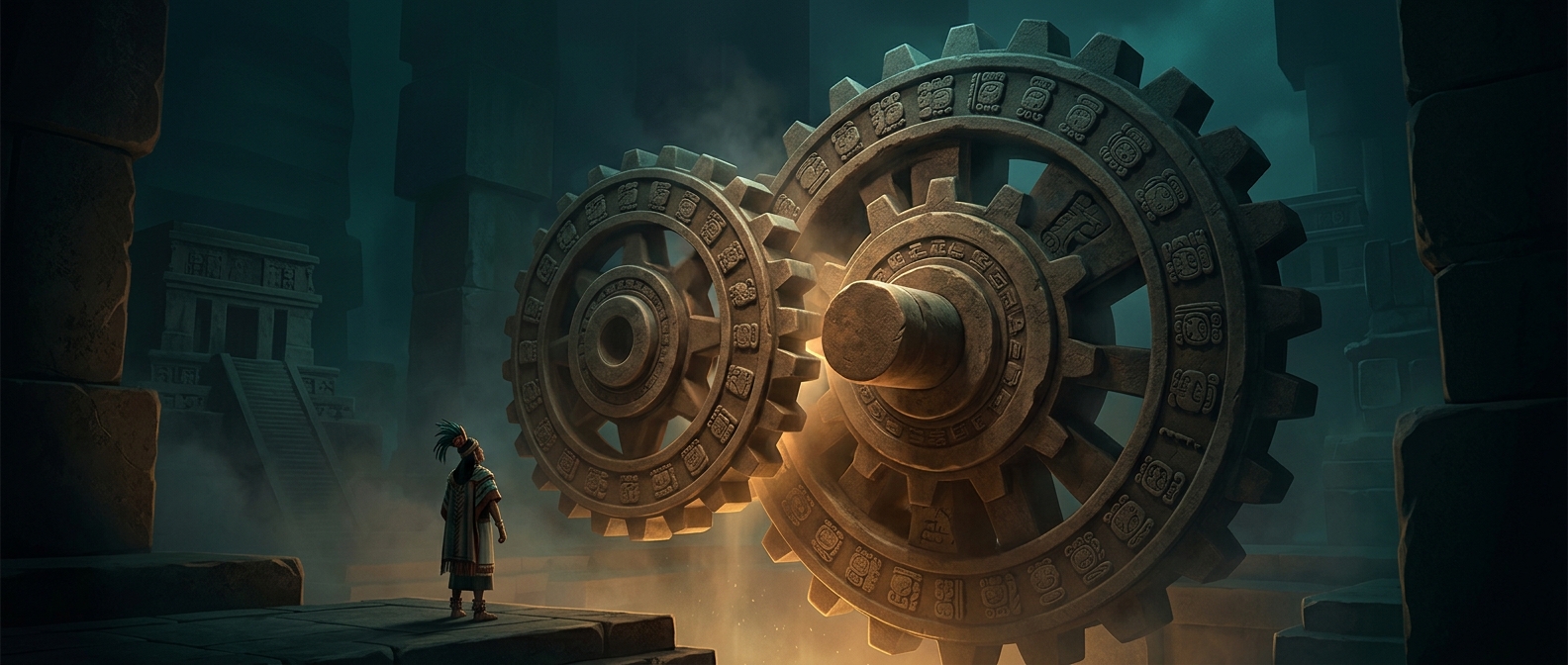
Maya dating systems used interlocking cycles
Maya datekeeping combined interlocking cycles, and the same date pairing returned only once every 52 years. To pin down a date, you had to follow both cycles…
Discover more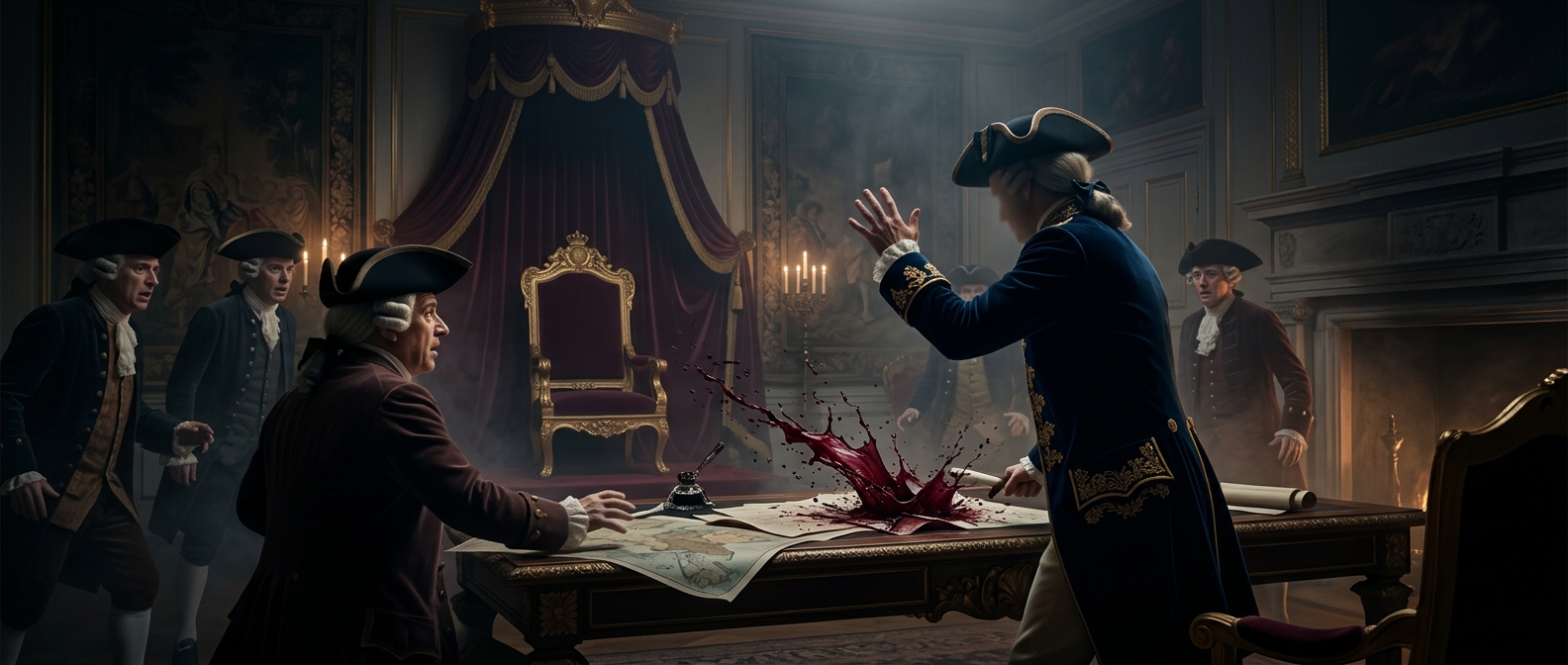
The king who slapped advisers to test their loyalty
He reportedly turned conversation into a loyalty test, slapping trusted advisers to see how they reacted. By that standard, even a flinch could become a…
Discover more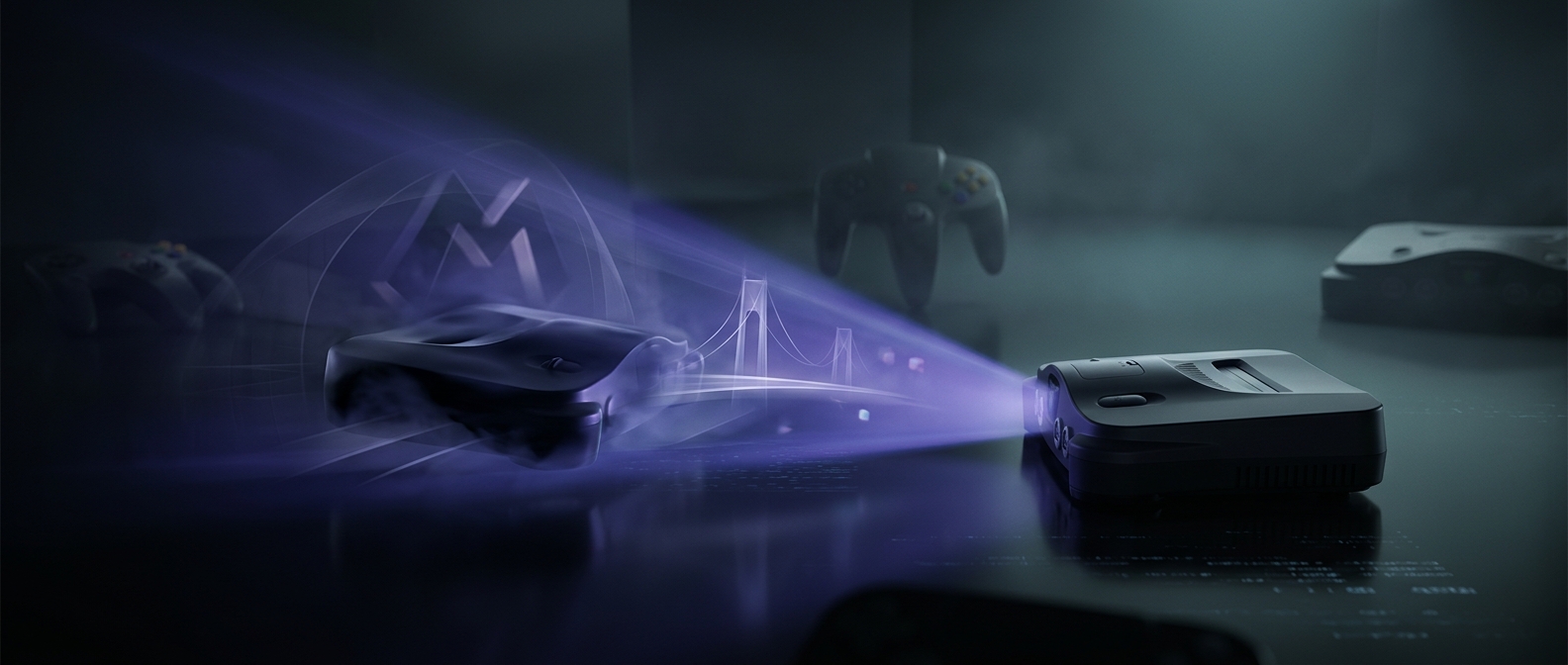
Nintendo's Project Reality brought workstation expertise into a game console
Nintendo teamed with Silicon Graphics in 1993 to develop the machine that became the Nintendo 64. The pitch paired Nintendo's games business with SGI's…
Discover more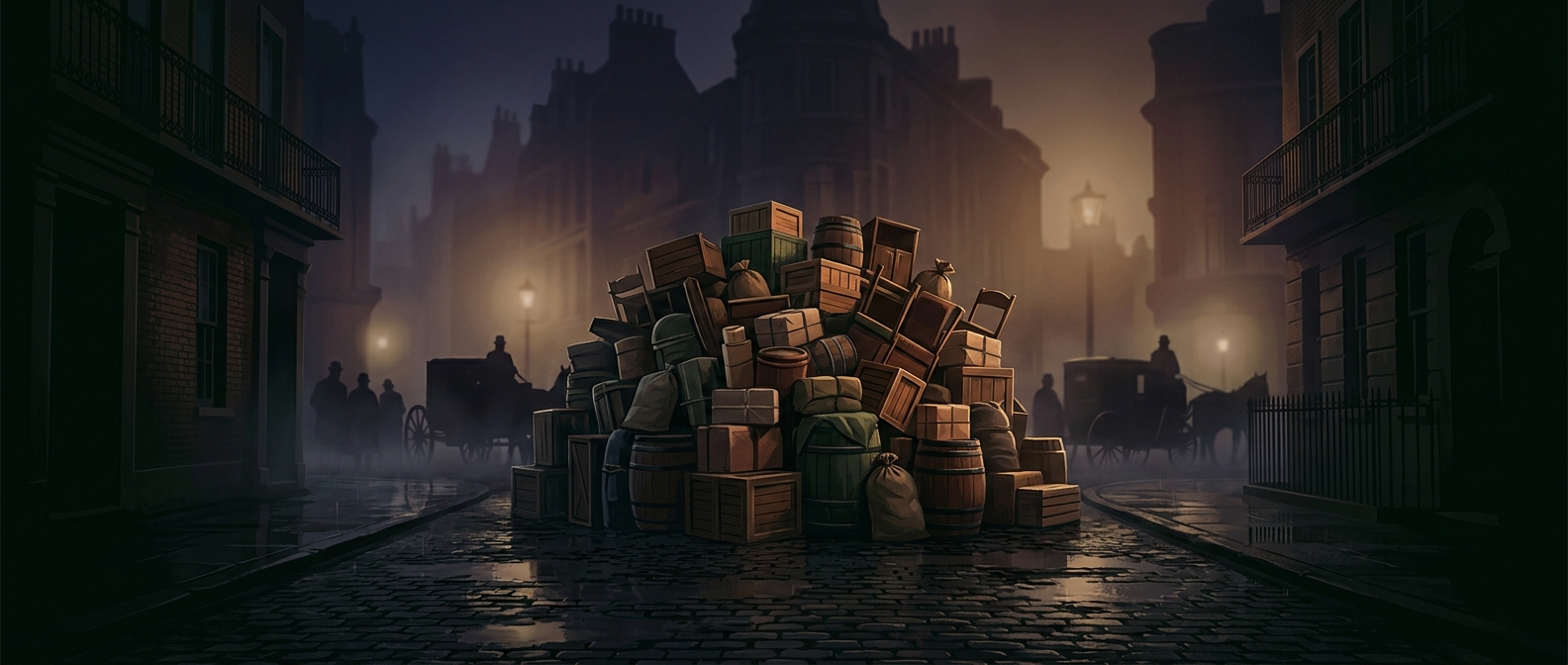
A fake-delivery prank jammed an entire London street
To win a bet, a prankster sent hundreds of fake requests for chimney sweeps, coal, cakes, and pianos to one address on Berners Street, all timed to arrive…
Discover more
John Tyler’s grandson was born 138 years after him
Tyler had a son at 63; that son had a child at 75, in 1928. Two generations of late fatherhood stretched the family timeline until Tyler’s grandson arrived…
Discover more
Noodles started in China four millennia ago
These early noodles were made from millet in northwestern China, not the wheat many people now associate with noodles.
Discover more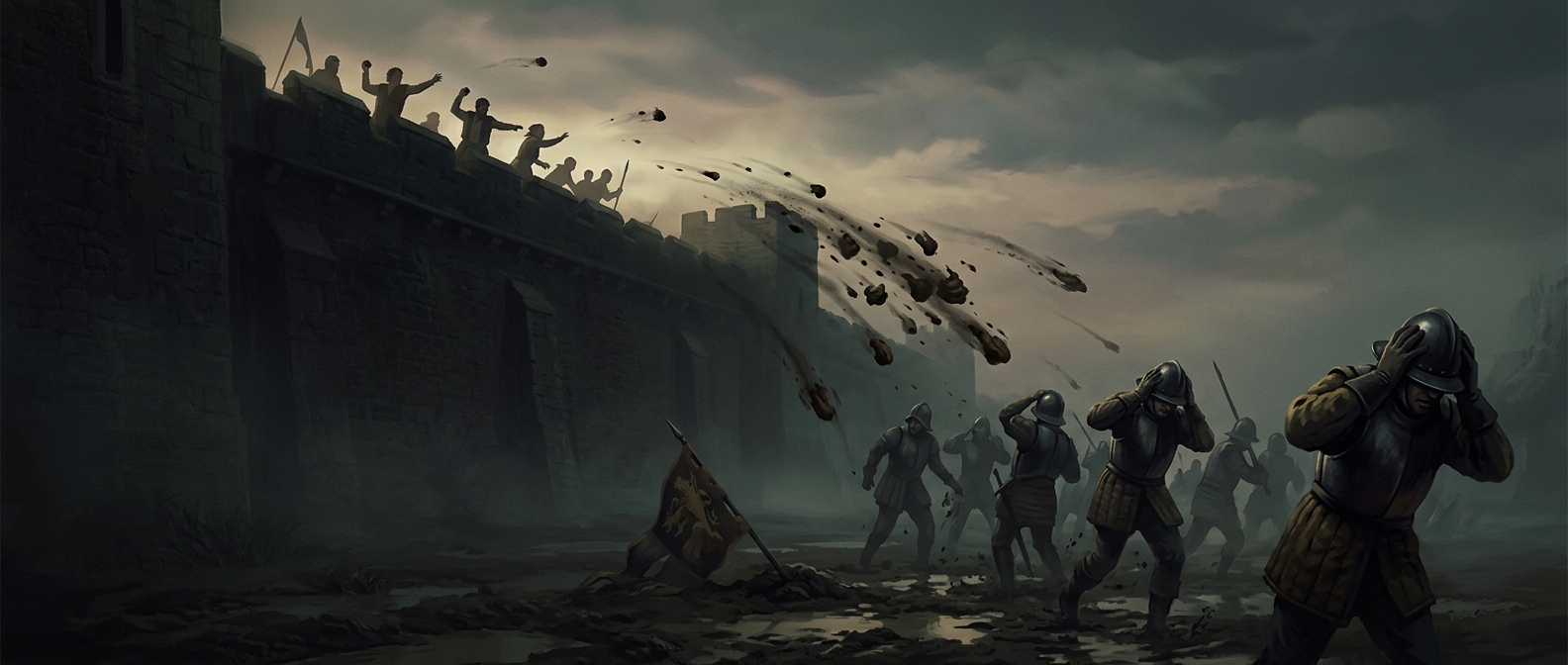
Rebels once threw feces at a royal army
As royal cavalry charged during Kett’s Rebellion, a rebel reportedly dropped his trousers and hurled his own feces at them. The shock briefly sent the…
Discover more
Australia's rabbit invasion traces back to a hunting shipment
Genetic research links much of the continent's invasive rabbit population to animals brought to Thomas Austin's estate in 1859. Earlier introductions had not…
Discover more