History
Discover facts about history. Small discoveries that change the way you see familiar things.
History
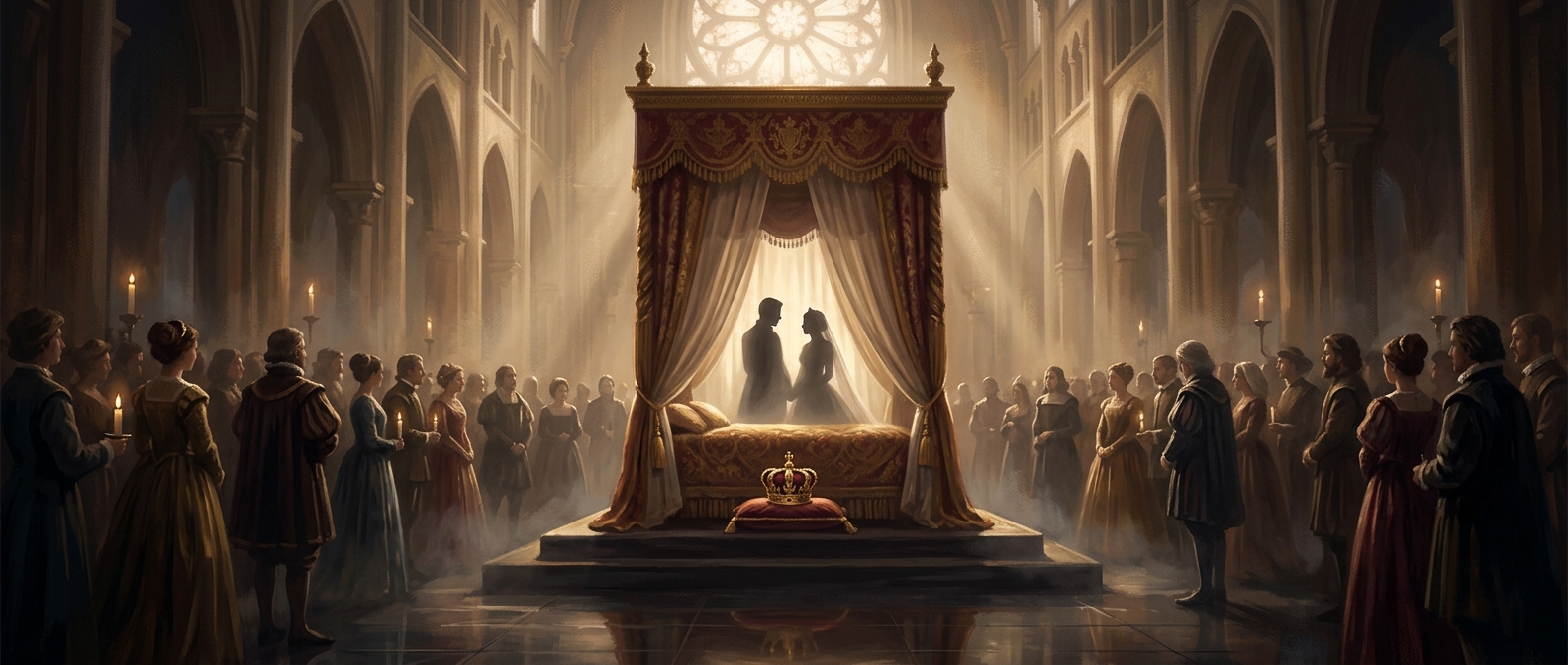
A royal wedding night once came with a bedroom procession
Tudor courtiers escorted the couple to the bedchamber, where the bed was blessed before the attendants withdrew. Consummation could affect the validity of a…
Discover more
The Gateway Arch is as wide as it is tall
The arch measures 630 feet wide and 630 feet tall, even though it can look like a narrow loop from the ground.
Discover more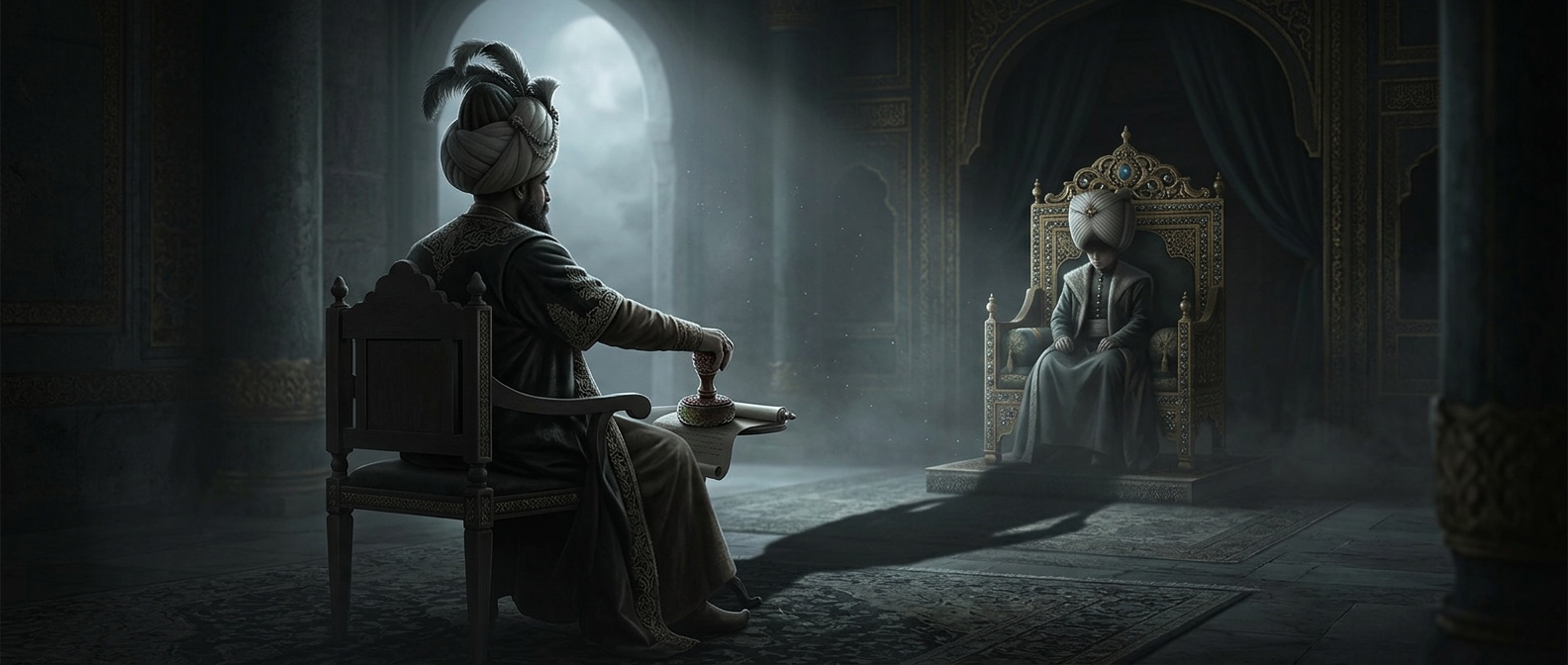
Why Ottoman viziers held enormous power
The sultan delegated military logistics, tax collection, and diplomacy to the Grand Vizier, leaving him to run much of the empire. The job came with a brutal…
Discover more
A rhinoceros received 100,000 protest votes
In São Paulo’s 1959 council election, voters wrote in the zoo’s Cacareco instead of endorsing the human candidates. The ballots could not install a rhino in…
Discover more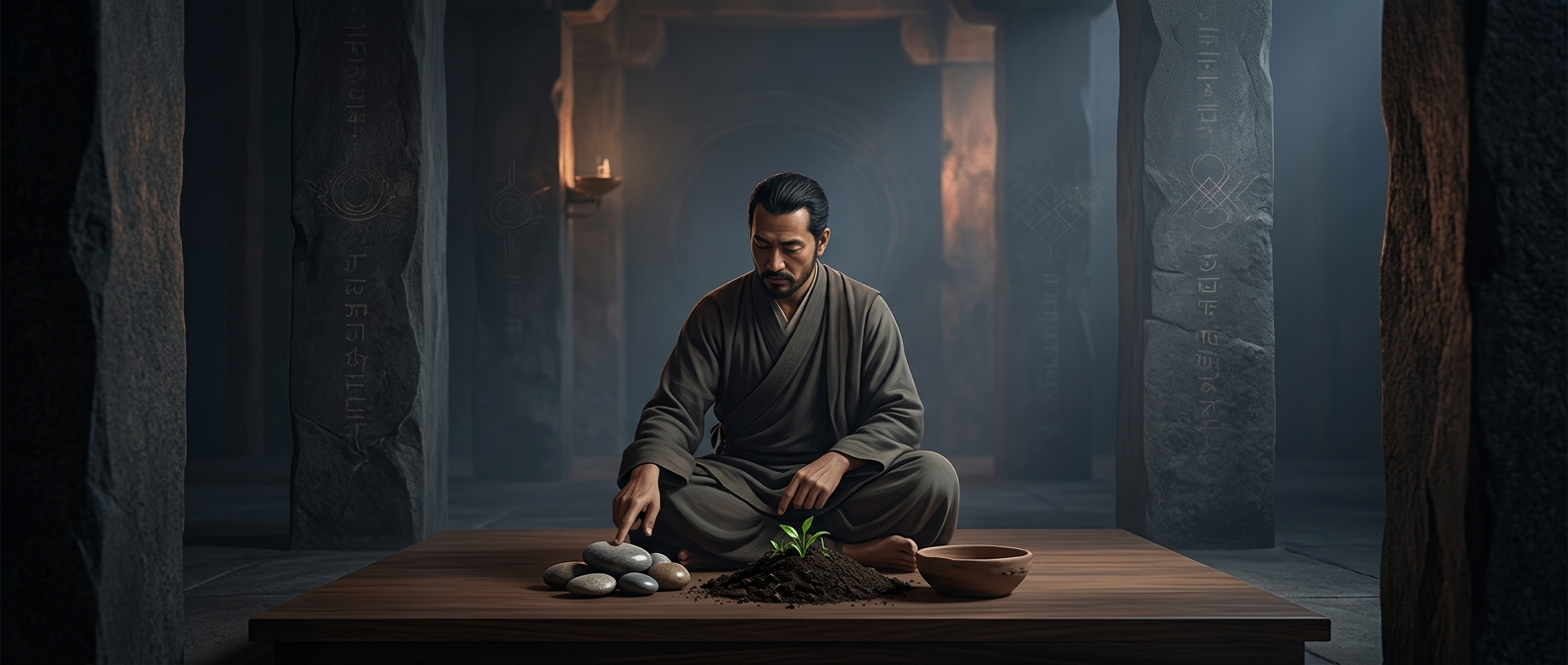
Charvaka philosophers promoted strict materialism
Charvaka thinkers held that only the physical world existed and valued pleasure available to the senses. Their philosophy kept its feet—and its…
Discover more
Cloves were strictly native to the Maluku Islands
Because cloves grew naturally on only a few Moluccan islands, traders had to travel long distances to get them. Chew one and its pungent oil can leave your…
Discover more STACKY FOR IPHONE
A bigger world.
One discovery
at a time.
Keep discovering with Stacky. Interesting facts in an app that is always within reach.
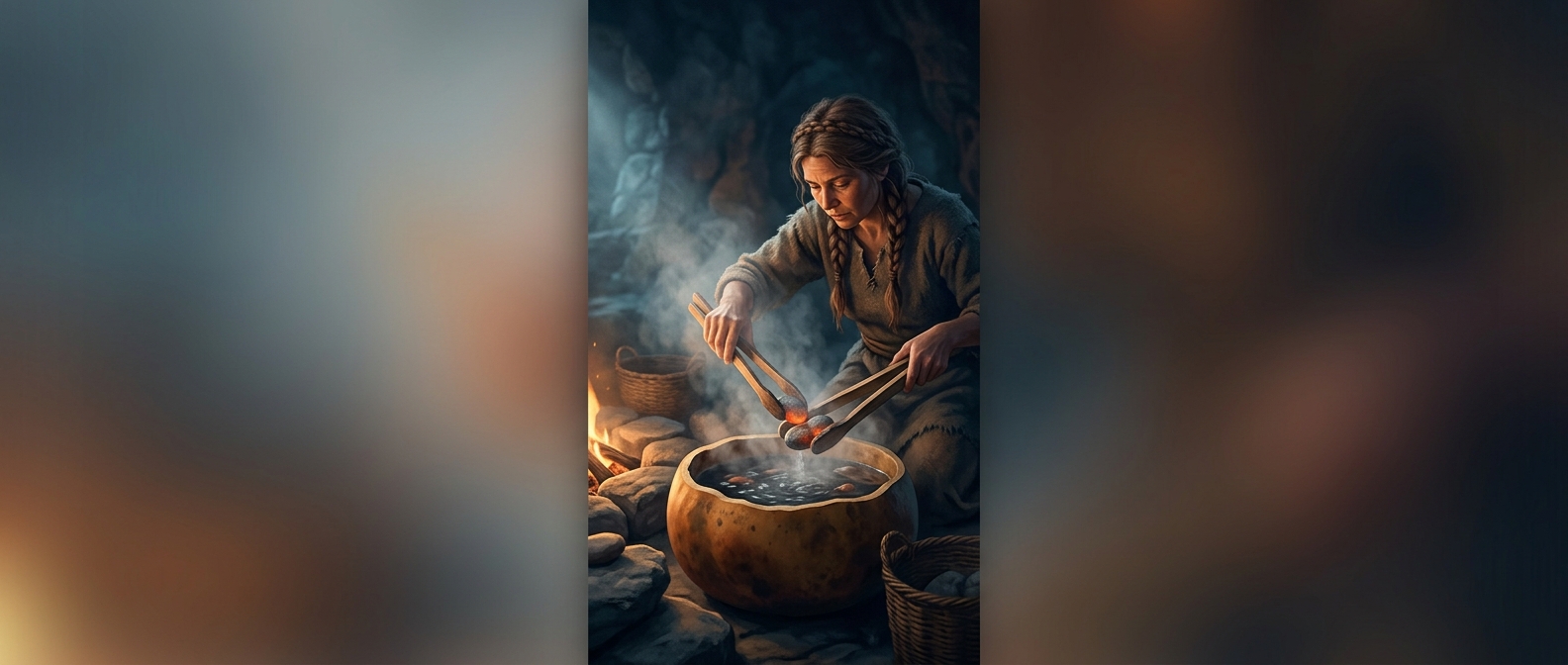
Prehistoric peoples boiled water inside hollow gourds
Without metal pots, people could still boil water by dropping red-hot rocks into water held in hollow gourds. The gourd didn’t need to survive the fire; the…
Discover more
Thomas Jefferson broke his wrist trying to show off
While walking with Maria Cosway in France, Jefferson tried to vault a fence to impress her. He fell and broke his wrist in several places.
Discover more
Egyptian fractions broke everything into unit parts
Egyptian scribes generally split fractions into unit fractions: 3/4 could become 1/2 + 1/4. Instead of one fraction with a larger numerator, they built the…
Discover more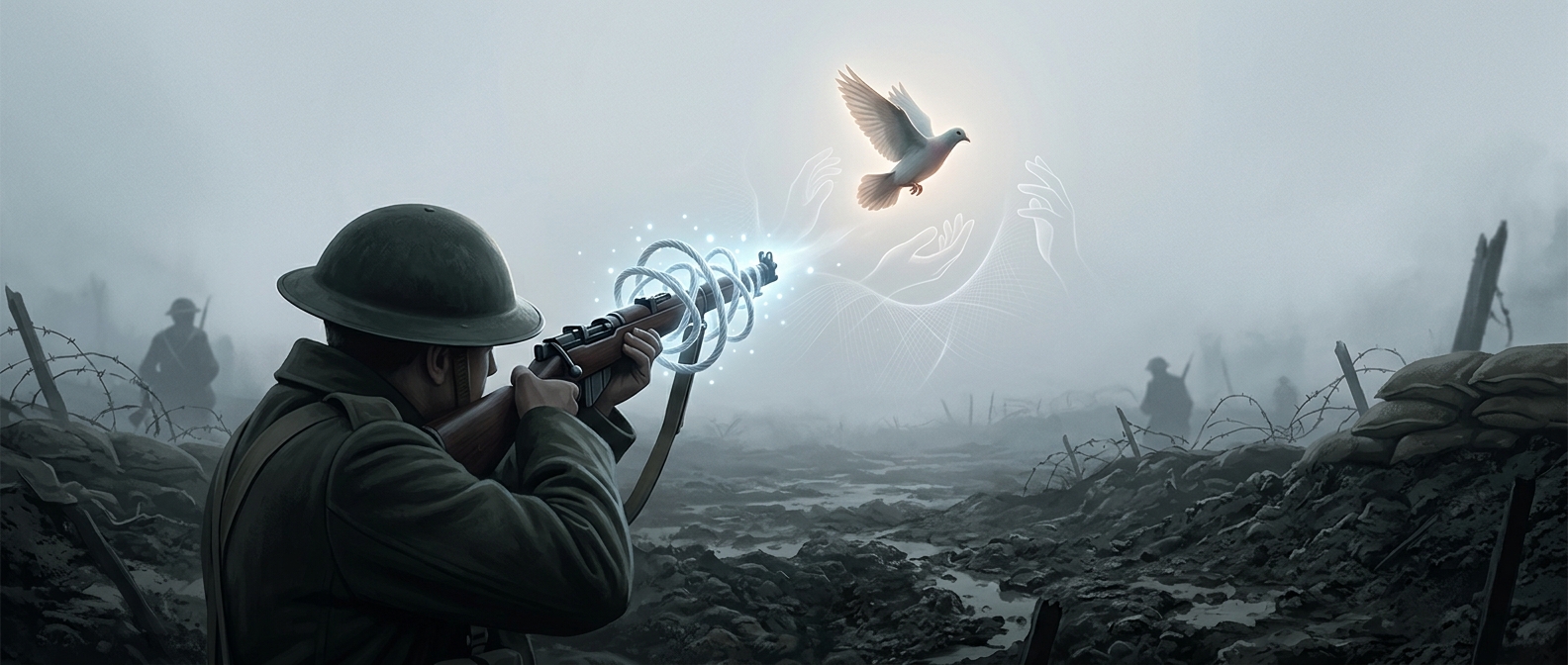
Why Britain banned shooting messenger pigeons
When radio and phone lines failed, homing pigeons could still carry frontline coordinates. Britain made shooting, killing, or even annoying one punishable by…
Discover more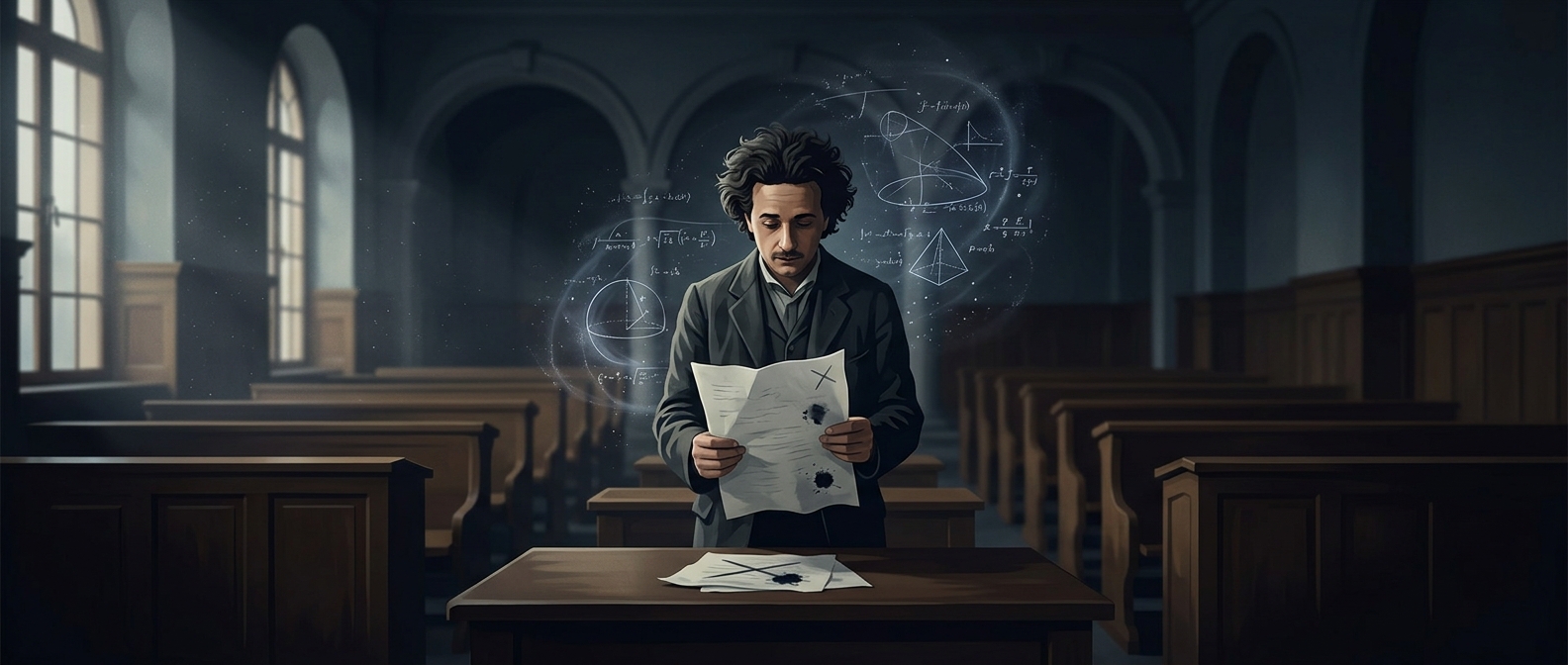
Einstein failed part of his entrance exam
He excelled in math and physics but fell short in language and botany. Even a future physicist had to get past the whole entrance-exam checklist.
Discover more
Sesame seeds sprouted first in Indian soils
Because sesame pods split and fling their seeds, farmers had to harvest them before they burst. The crop’s best trick for spreading itself was exactly what…
Discover more
Indian stepwells doubled as underground air conditioning
Their deep staircases led down into shade, where the air stayed cooler than above ground, and brought people to fresh water. The stepwell made the walk to…
Discover more
The pyramids needed bakeries as well as stoneworkers
Excavations at Giza uncovered facilities for producing the bread that fed the workforce, alongside evidence of organized food supply. Bread and beer were…
Discover more
A pirate's missing eye could come with compensation
Some pirate articles set payments for serious injuries, including the loss of an eye or a limb. The money came out of the crew's shared haul before profits…
Discover more
Why the Legend of a Female Pope Persisted
A woman on the papal throne would have challenged a church that reserved authority for men, giving the tale a lasting edge. Later versions gave it a prop: a…
Discover more
A Renaissance composer hid a patron's name in a melody
Josquin des Prez built a musical subject from the vowels in the Latin title Hercules Dux Ferrariae, matching them to note syllables. The resulting mass…
Discover more
The pope who endorsed cocaine-infused wine
Vin Mariani mixed Bordeaux wine with coca leaves, and Pope Leo XIII appeared in its ads and awarded its creator a Vatican gold medal. The tonic got an…
Discover more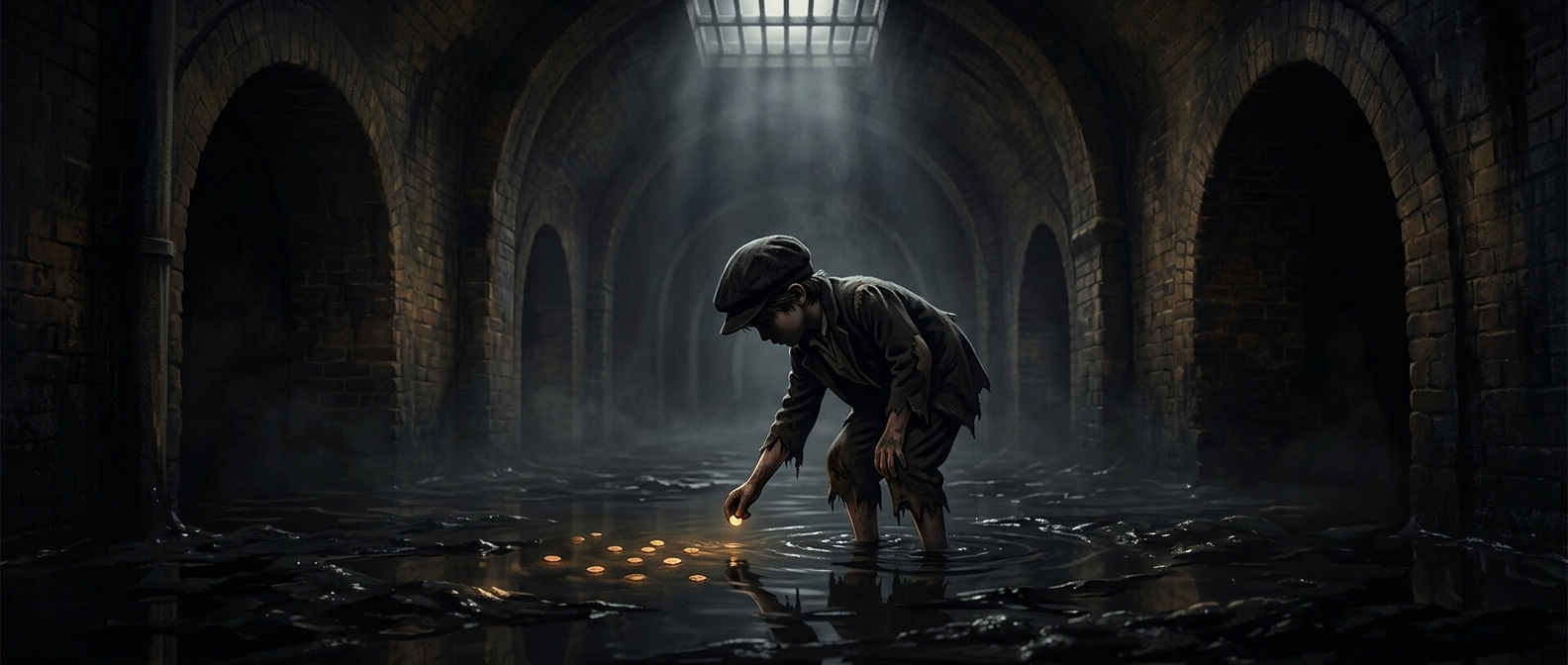
Victorian Children Searched the Thames for Coins
At low tide, children waded through the Thames’s foul, untreated muck to hunt for coins, coal, and scrap metal. A misstep could turn a desperate search for a…
Discover more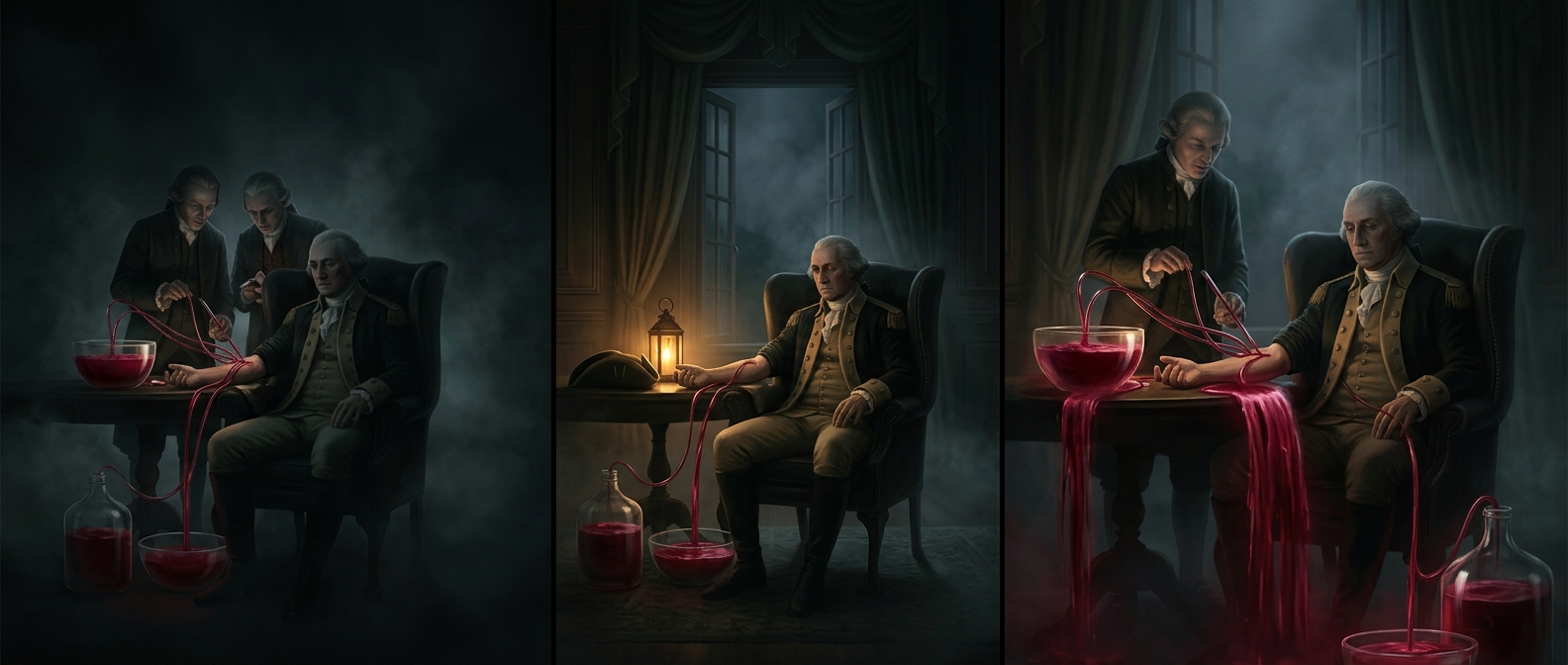
Washington’s doctors took blood while his condition worsened
Treating a severe throat illness in 1799, his doctors repeatedly bled him, removing roughly 80 ounces in less than a day. That was a huge additional strain on…
Discover more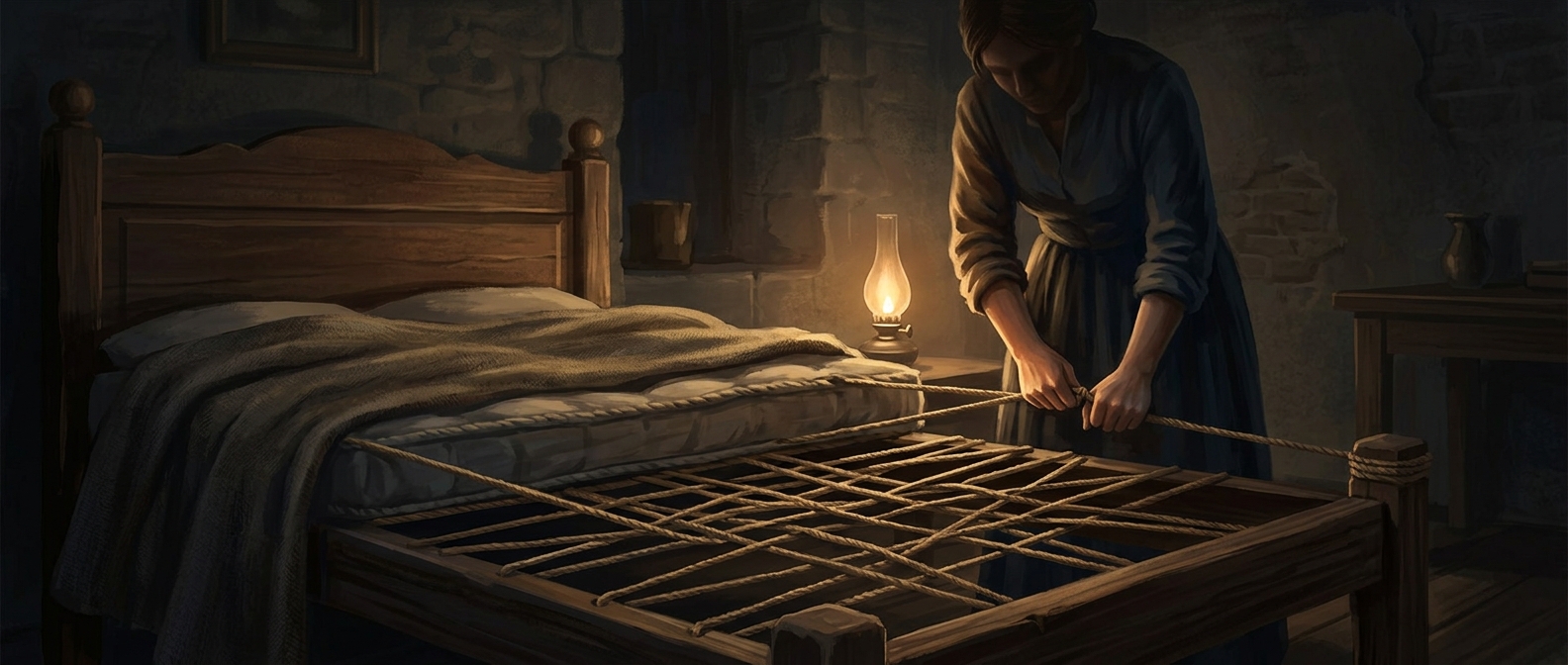
A rope bed needed tightening, just like an instrument
Instead of a modern spring base, a lattice of rope supported the bedding. As it stretched and sagged, tightening restored a firmer sleeping surface.…
Discover more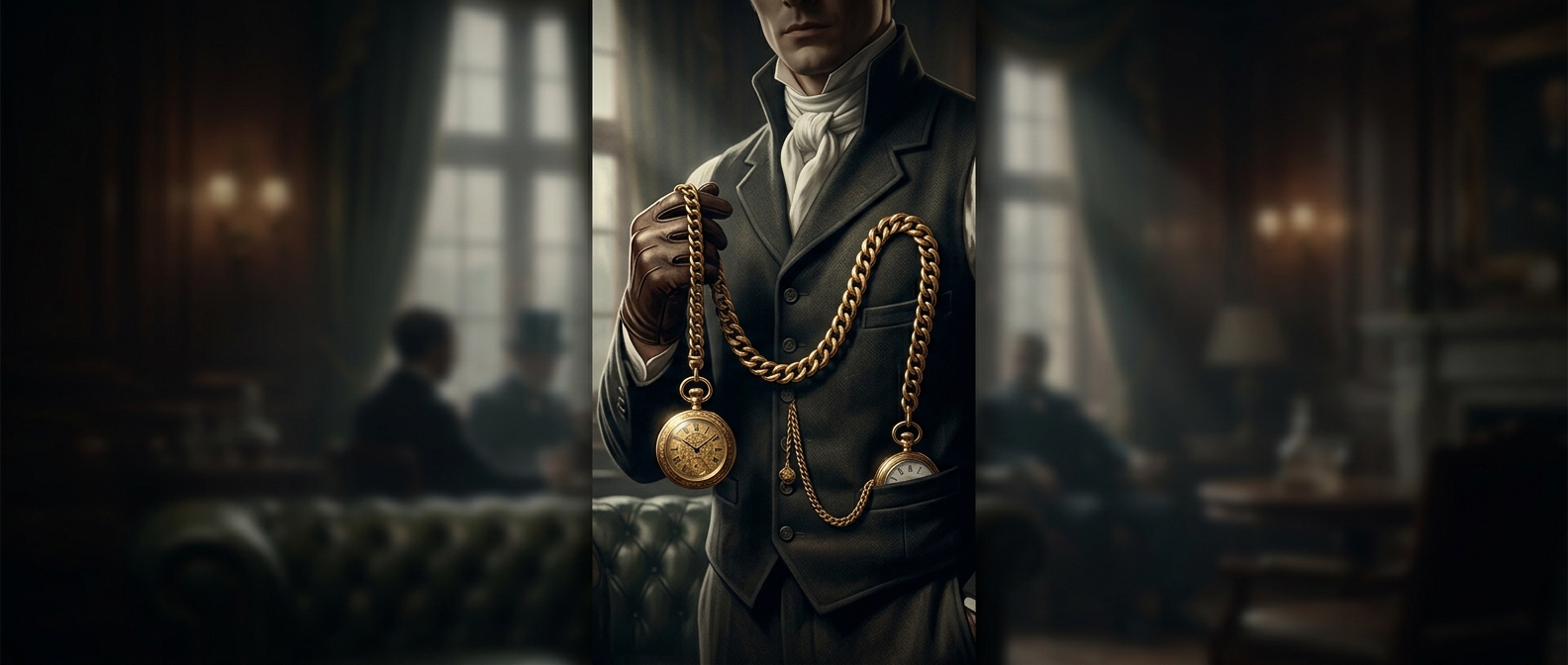
Why pocket-watch chains once showed off wealth
A pocket watch showed you could afford a precision instrument—and had the time to consult it. The chain kept the watch secure while making the expense visible.
Discover more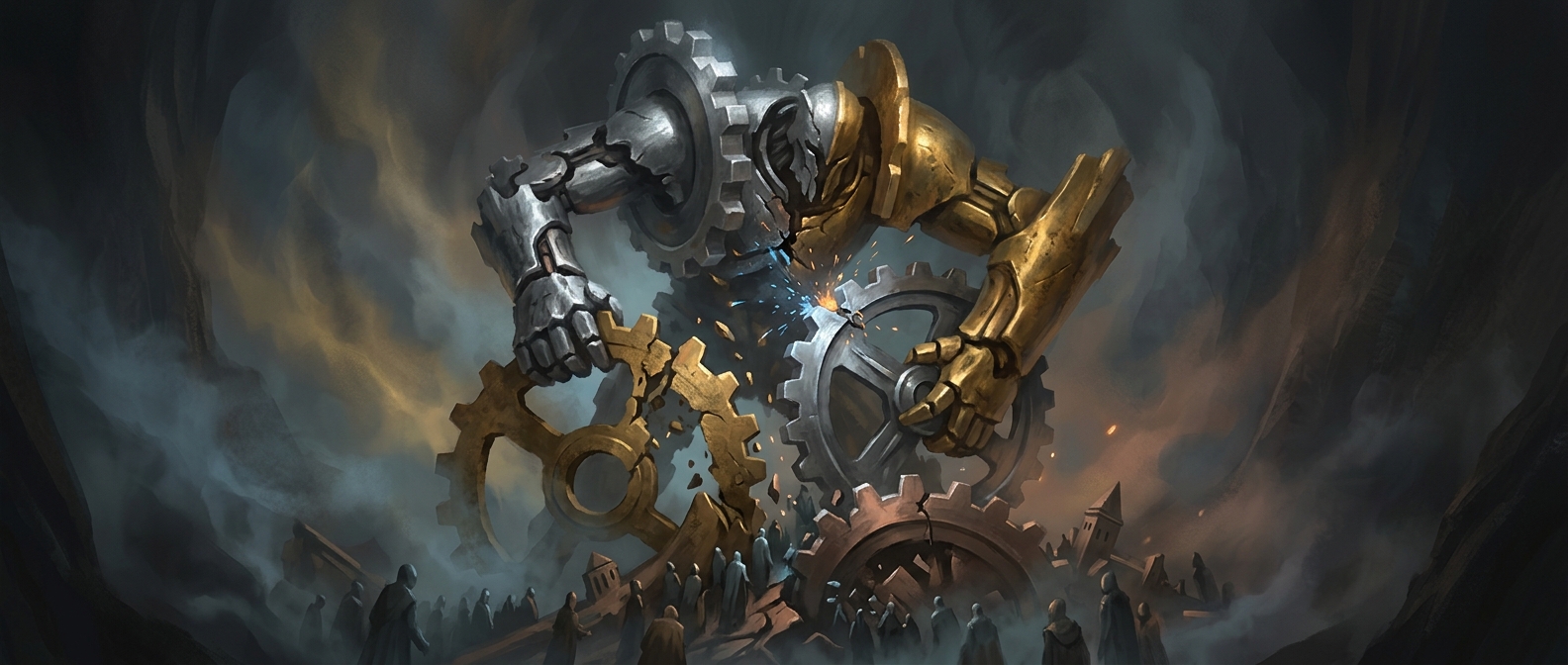
Bimetallism created endless economic chaos
With bimetallism, governments fixed gold and silver at an official exchange rate even as market prices shifted. If one metal became more valuable than its…
Discover more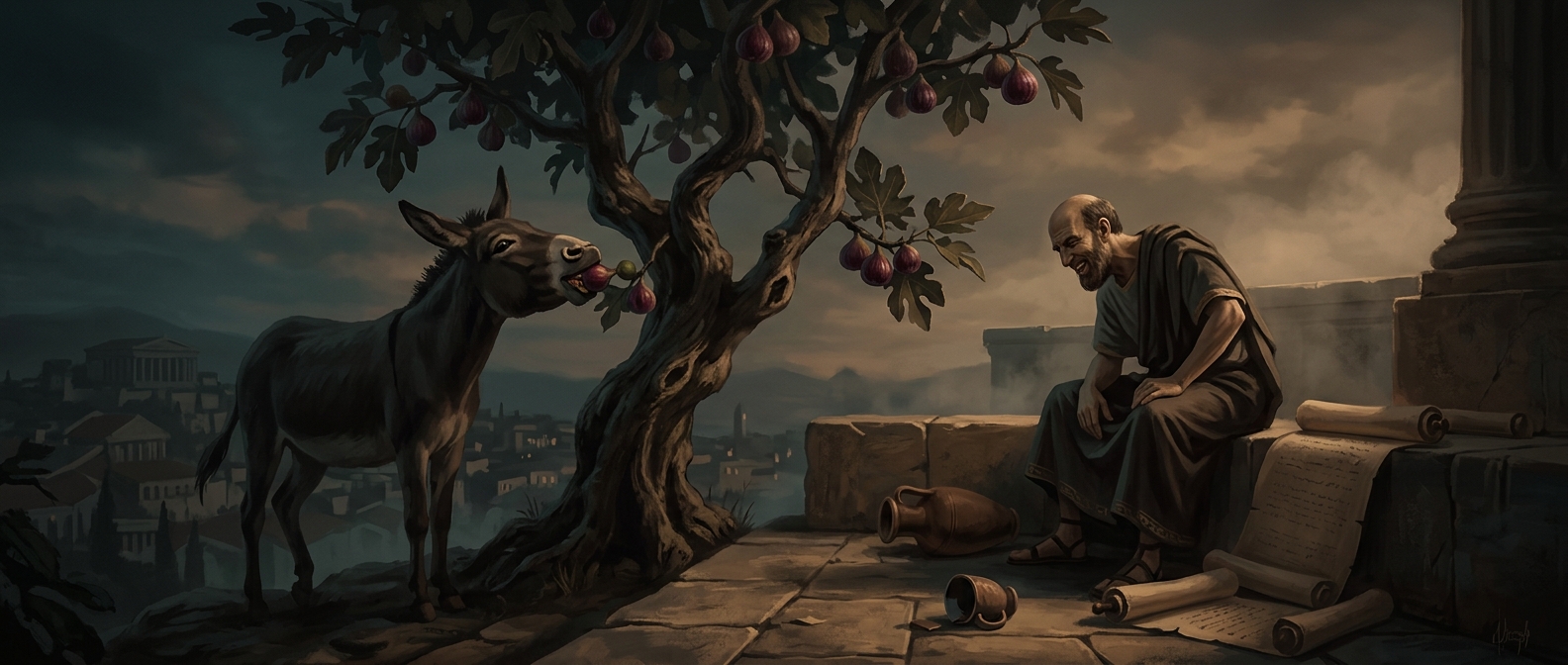
The philosopher who supposedly laughed himself to death
According to the ancient anecdote, Chrysippus watched his drunken donkey try to eat figs and laughed himself to death. The philosopher’s supposedly final joke…
Discover more