History
Discover facts about history. Small discoveries that change the way you see familiar things.
History
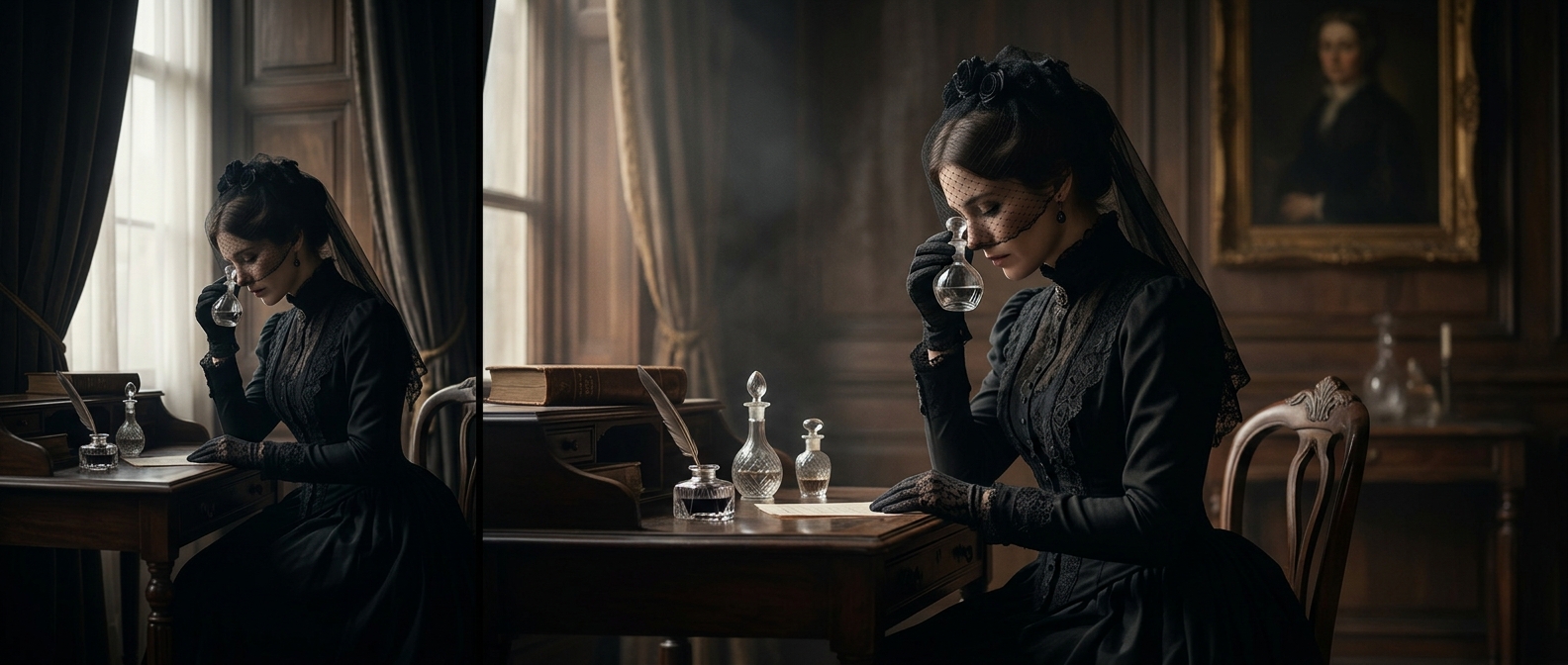
Did Victorians really measure grief with tear bottles
Mourners collected tears in stoppered bottles and waited for them to evaporate before ending their mourning. Grief, by this account, came with a visible timer.
Discover more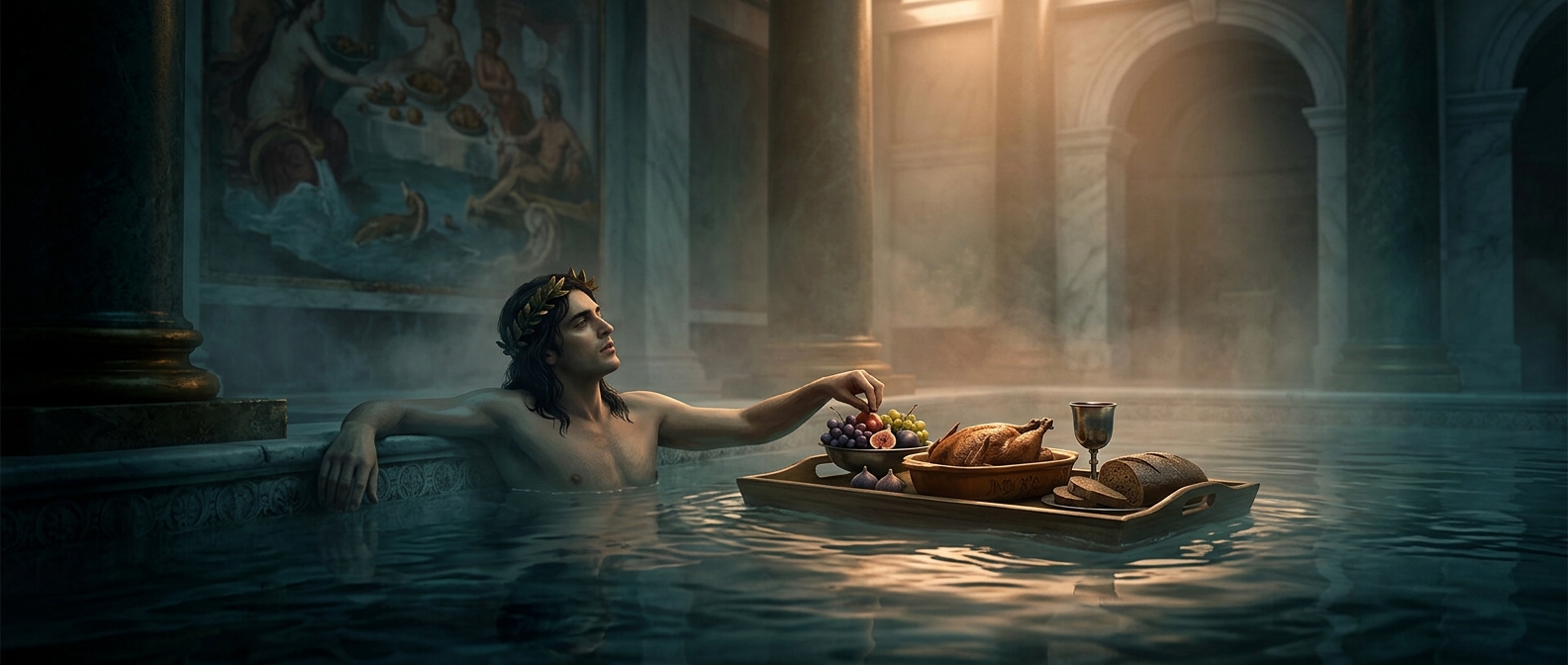
Medieval bathhouses served food to naked guests
In these bathhouses, bathing was a communal outing, not a private chore: guests could eat together while sitting naked in warm water. The meal came with no…
Discover more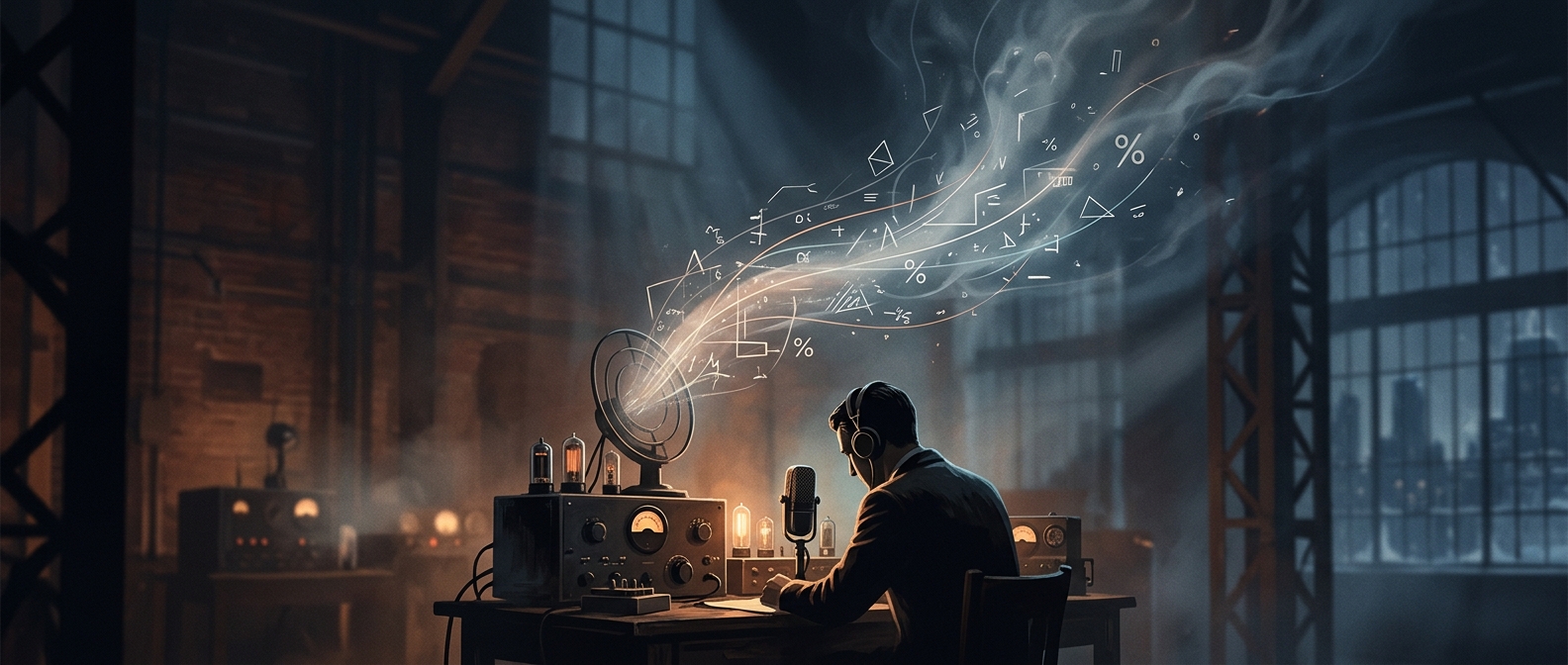
KDKA's famous radio debut was an election-night results service
On November 2, 1920, the Pittsburgh station broadcast returns from the Harding–Cox presidential contest, receiving updates by telephone from a newspaper.…
Discover more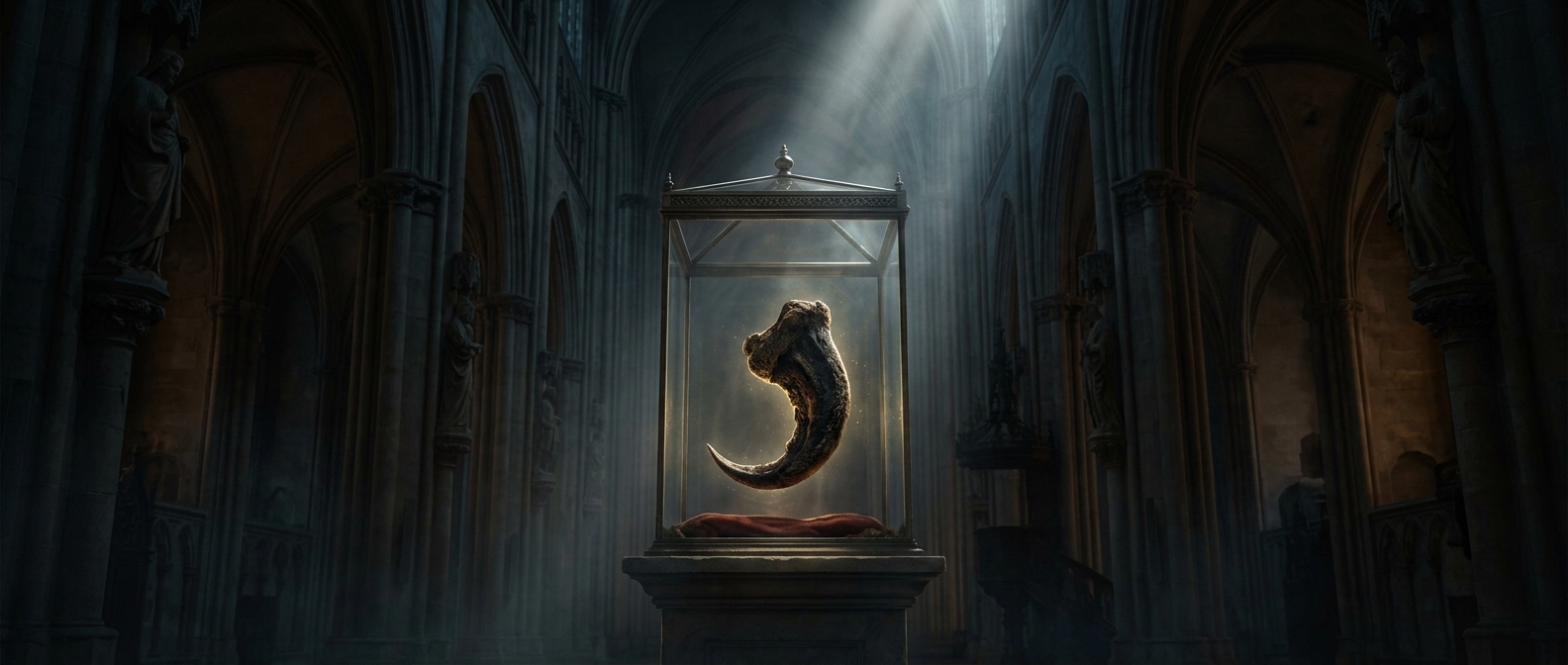
A griffin's claw cup was made from a very earthly horn
A sixteenth-century cup in the British Museum combines an animal horn with elaborate silver-gilt mounts and a claw-shaped support. It belongs to a tradition…
Discover more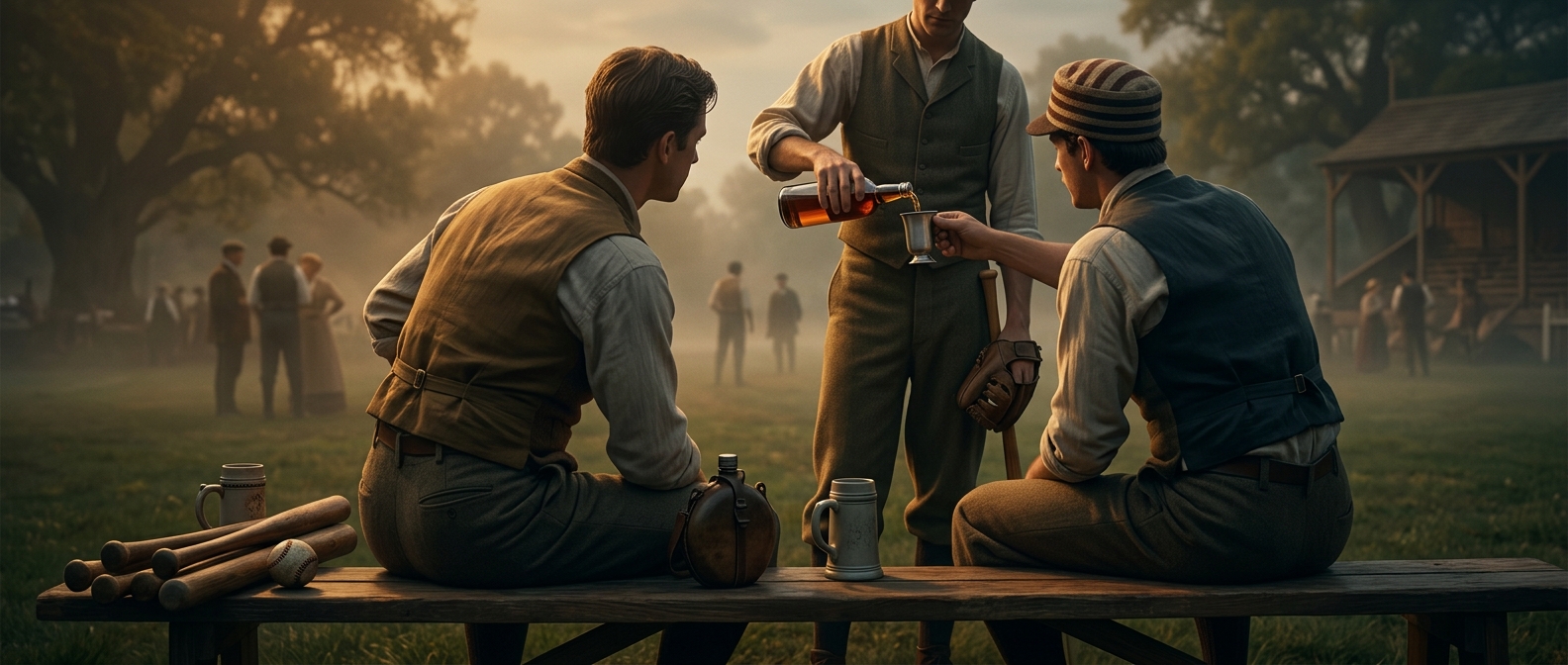
A brewery bought the Cardinals—and its name stayed on the ballpark
Anheuser-Busch acquired the St. Louis Cardinals in 1953, and their home became Busch Stadium. It was a particularly durable meeting of beer and baseball: the…
Discover more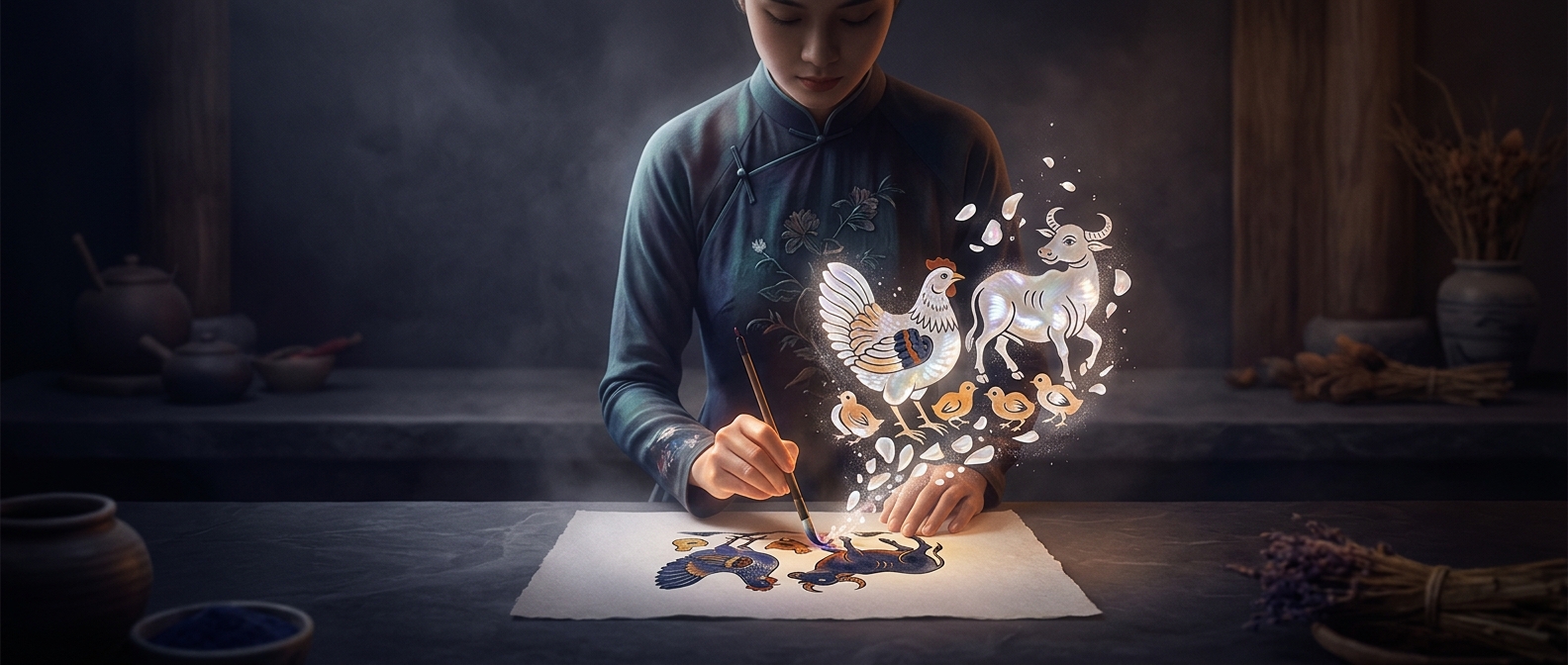
Dong Ho paintings use crushed seashell paper
Crushed scallop shells mixed into tree-bark pulp give the paper a shimmer and texture that makes bold folk colors stand out.
Discover more STACKY FOR IPHONE
A bigger world.
One discovery
at a time.
Keep discovering with Stacky. Interesting facts in an app that is always within reach.
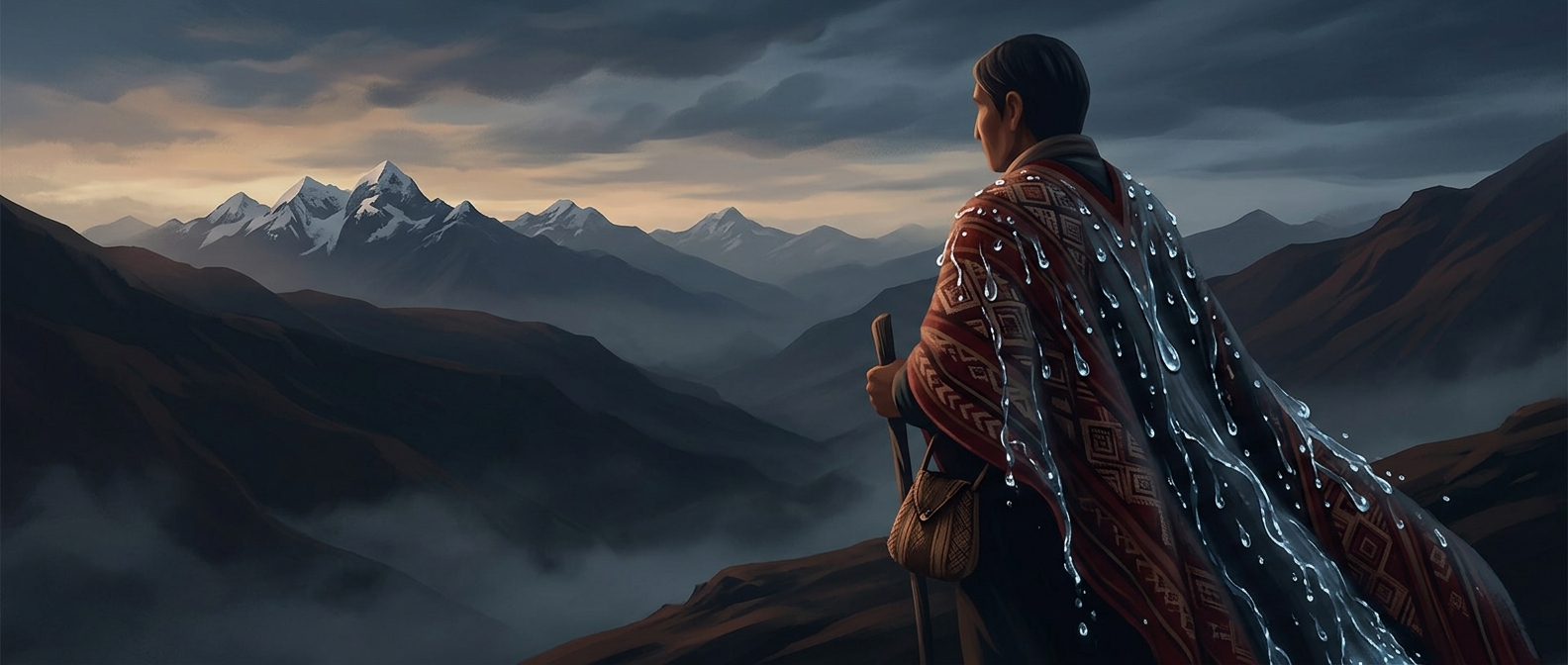
Andean weavers created water-resistant ponchos
Tightly spun local fibers made dense garments that repelled water, serving as rainwear long before synthetic fabrics existed.
Discover more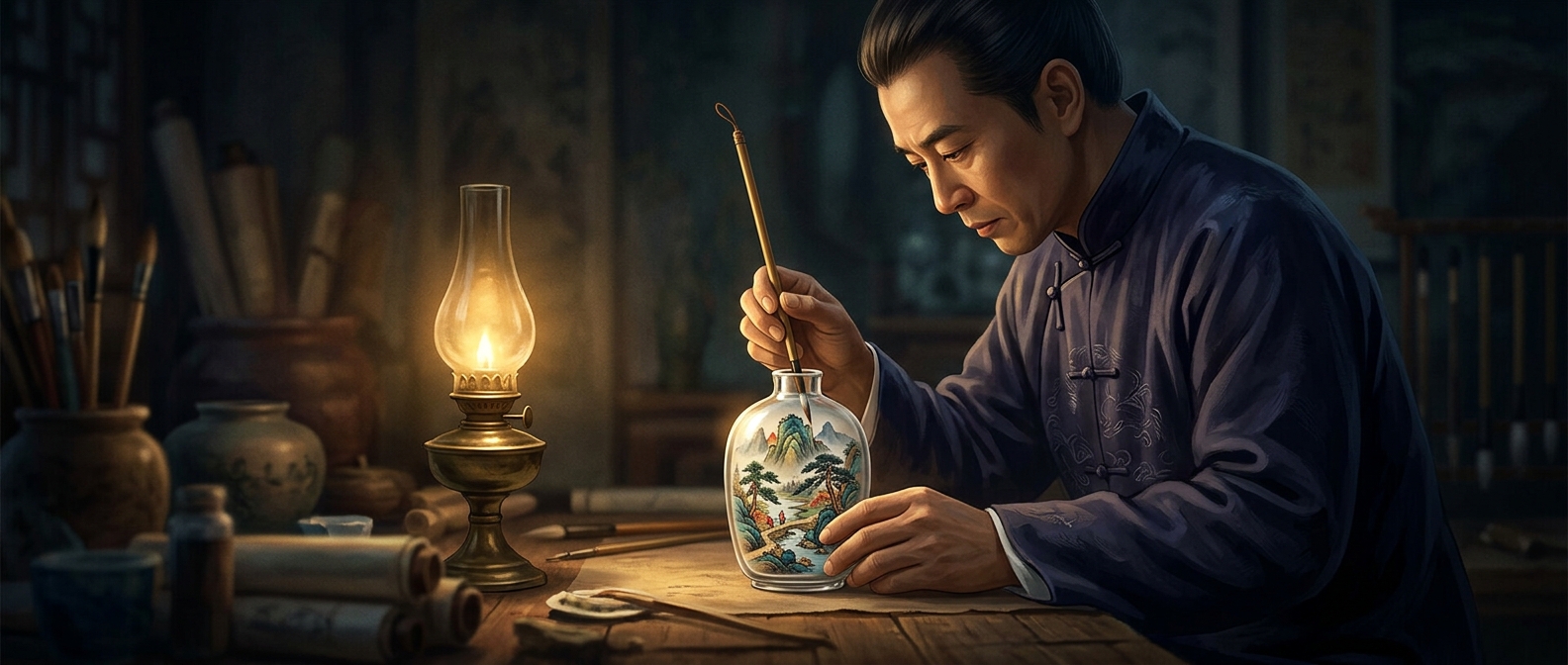
Chinese artisans painted inside tiny glass bottles
Using bent brushes with just a few hairs, artists painted intricate landscapes and calligraphy on the inside of the glass.
Discover more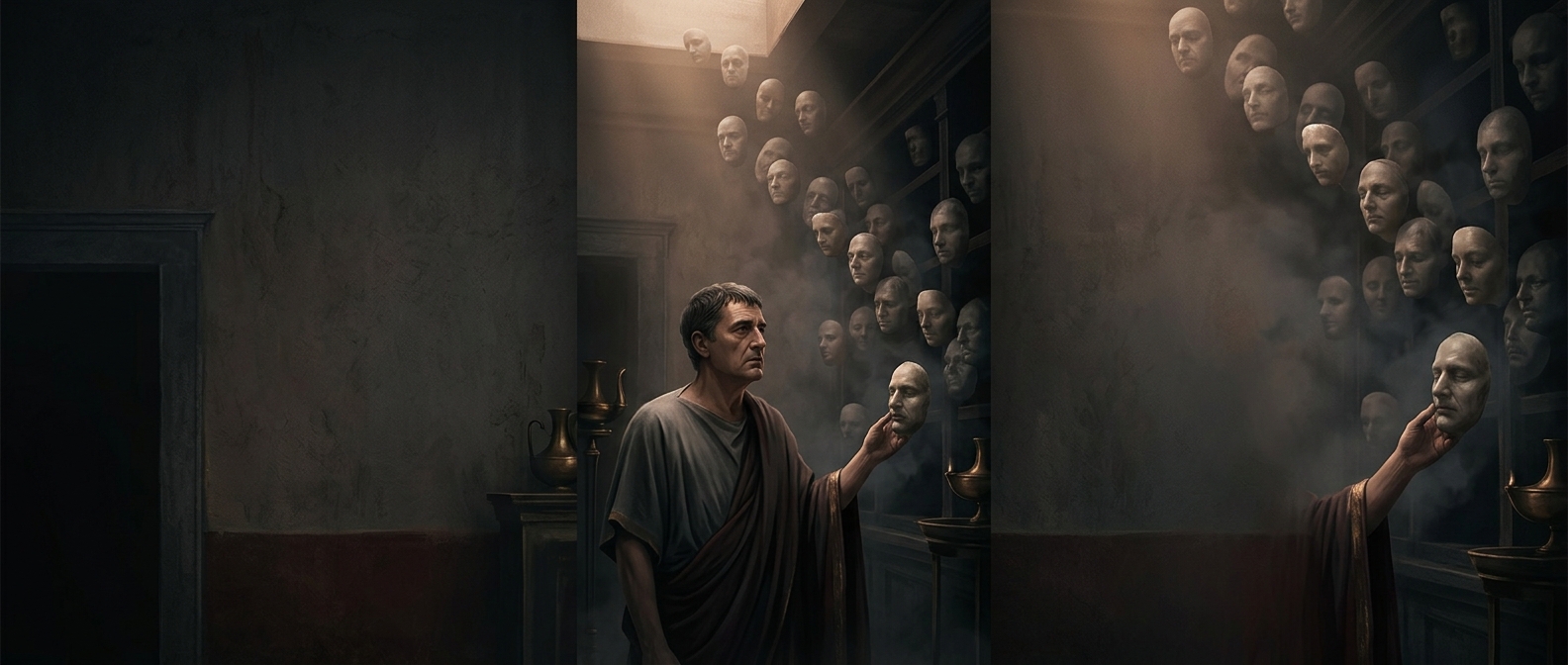
Romans kept lifelike masks of their dead
Noble Roman families displayed lifelike masks of deceased relatives at home, turning ancestry into part of the household décor—and giving visitors a very…
Discover more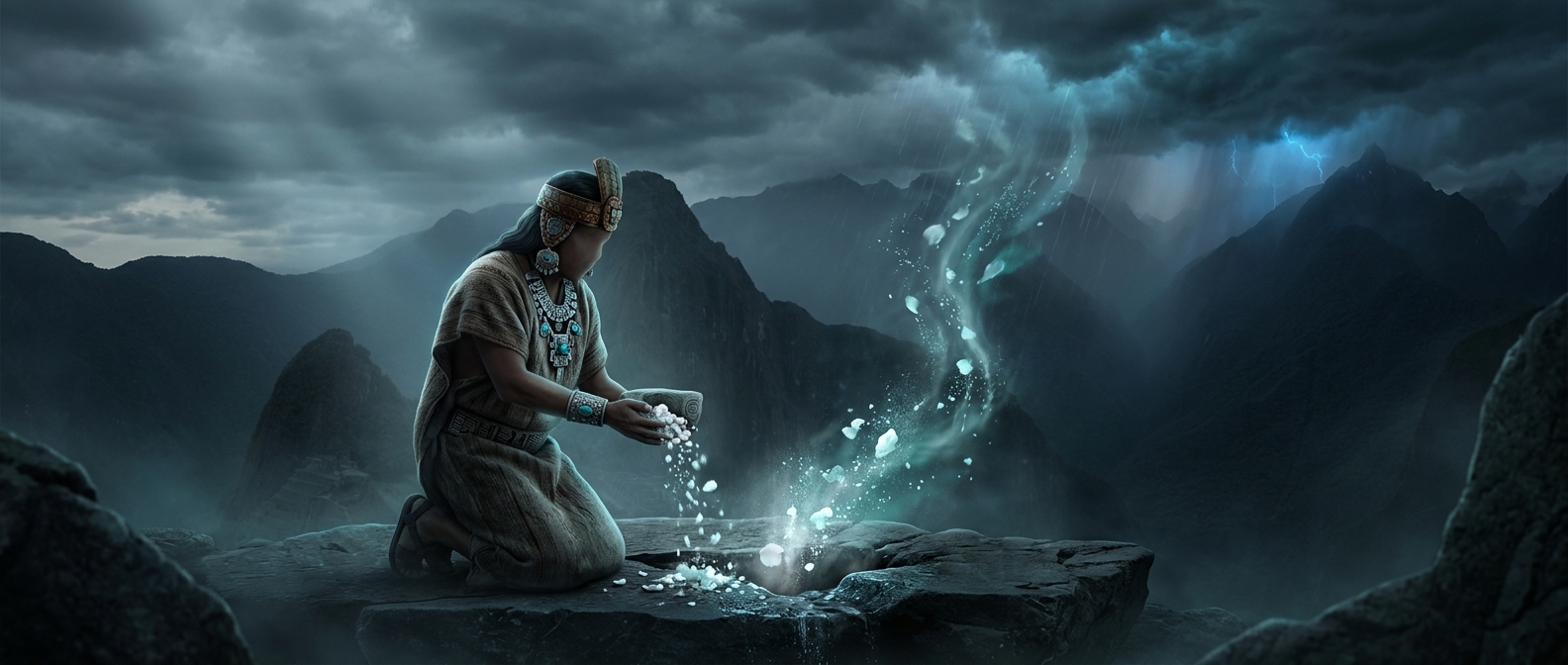
Why the Incas blew crushed seashells into the wind
Spondylus shells came from the Pacific and were considered sacred. During droughts, Inca priests ground them into dust and scattered it into the wind, hoping…
Discover more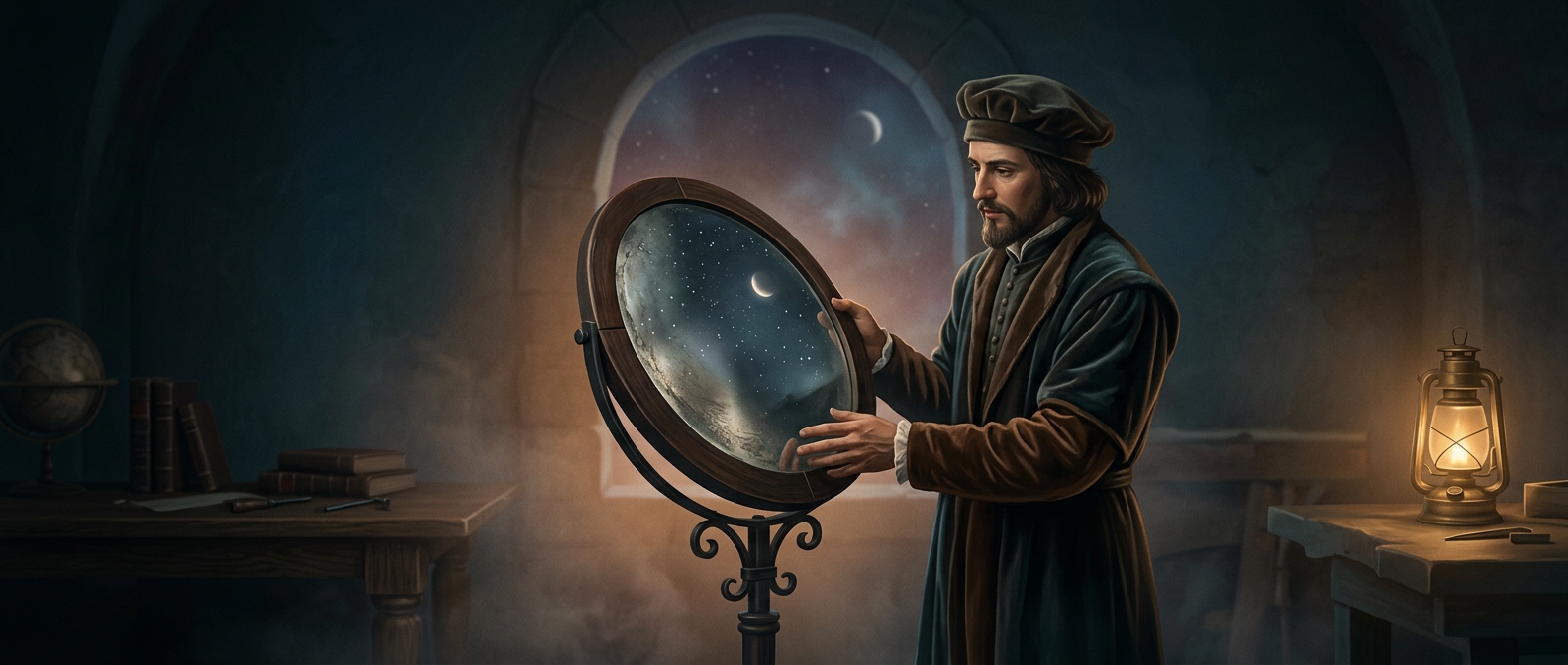
First reflective telescopes used mirrors made of speculum
Speculum mirrors gave early reflecting telescopes their light-gathering surface, but the copper-and-tin alloy tarnished fast. Astronomers had to repolish it…
Discover more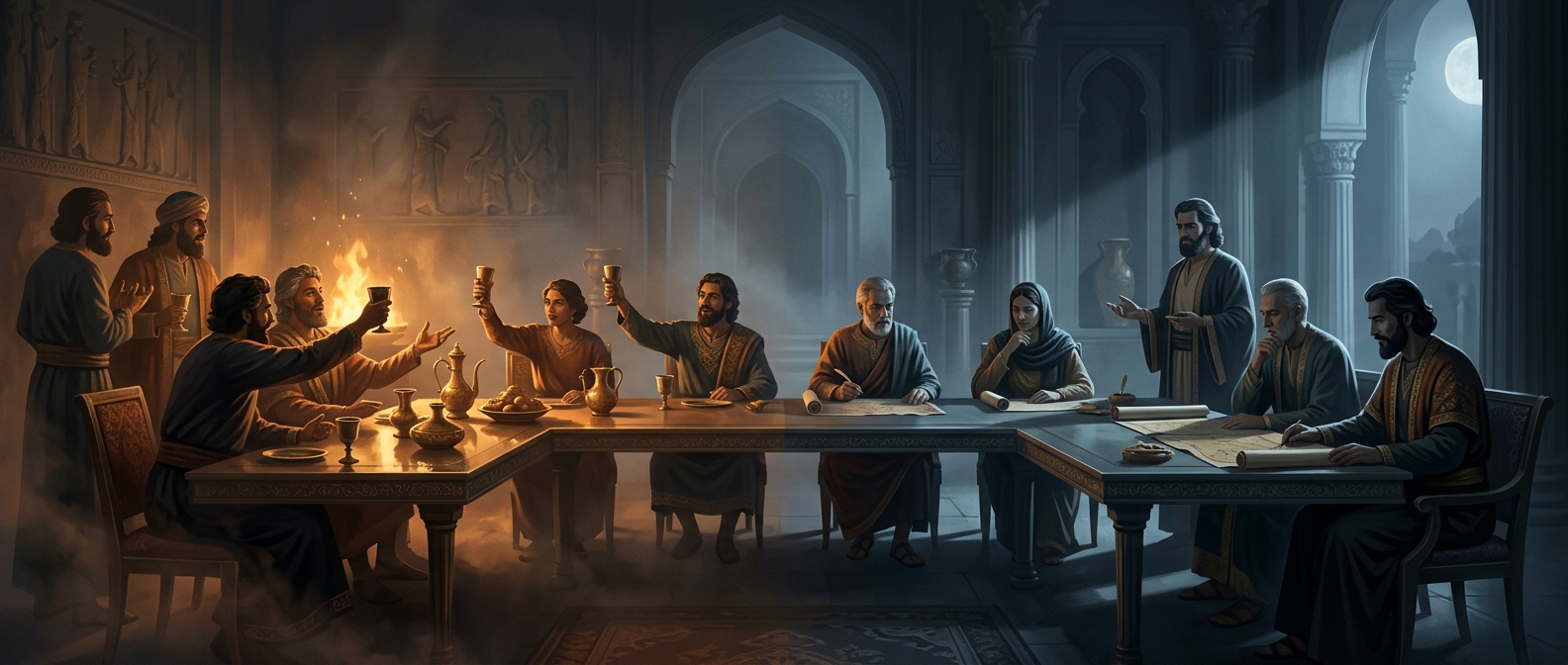
Why ancient Persians debated decisions drunk and sober
A proposal had to survive two tests: the Persians debated it drunk, then reconsidered it sober. If they reached the same conclusion both times, they accepted…
Discover more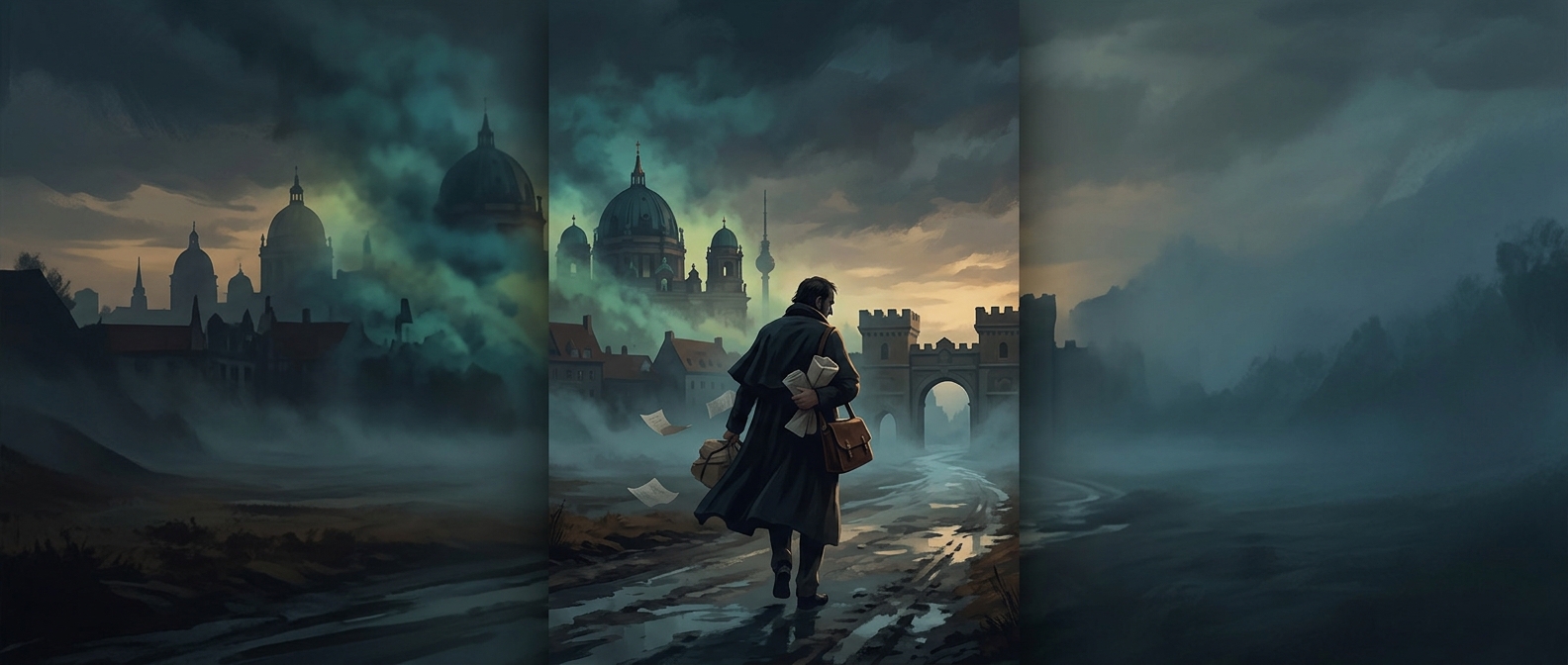
Hegel returned to Berlin during the epidemic he had fled
The philosopher left the city during the 1831 cholera outbreak, then returned and died that November after a brief illness. Cholera was the diagnosis recorded…
Discover more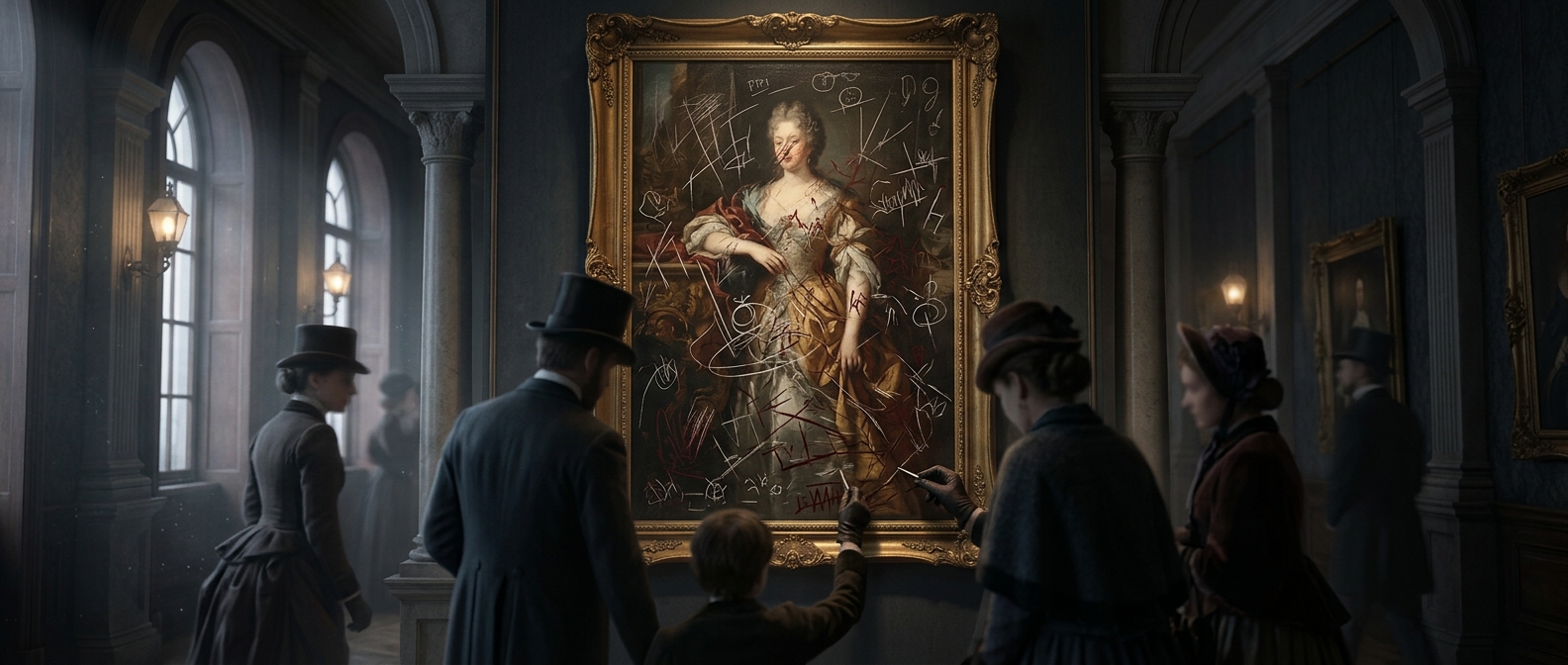
A suffragette slashed one of London's most famous paintings
In 1914, Mary Richardson attacked Velázquez's Rokeby Venus at the National Gallery in protest over the treatment of Emmeline Pankhurst. The museum closed to…
Discover more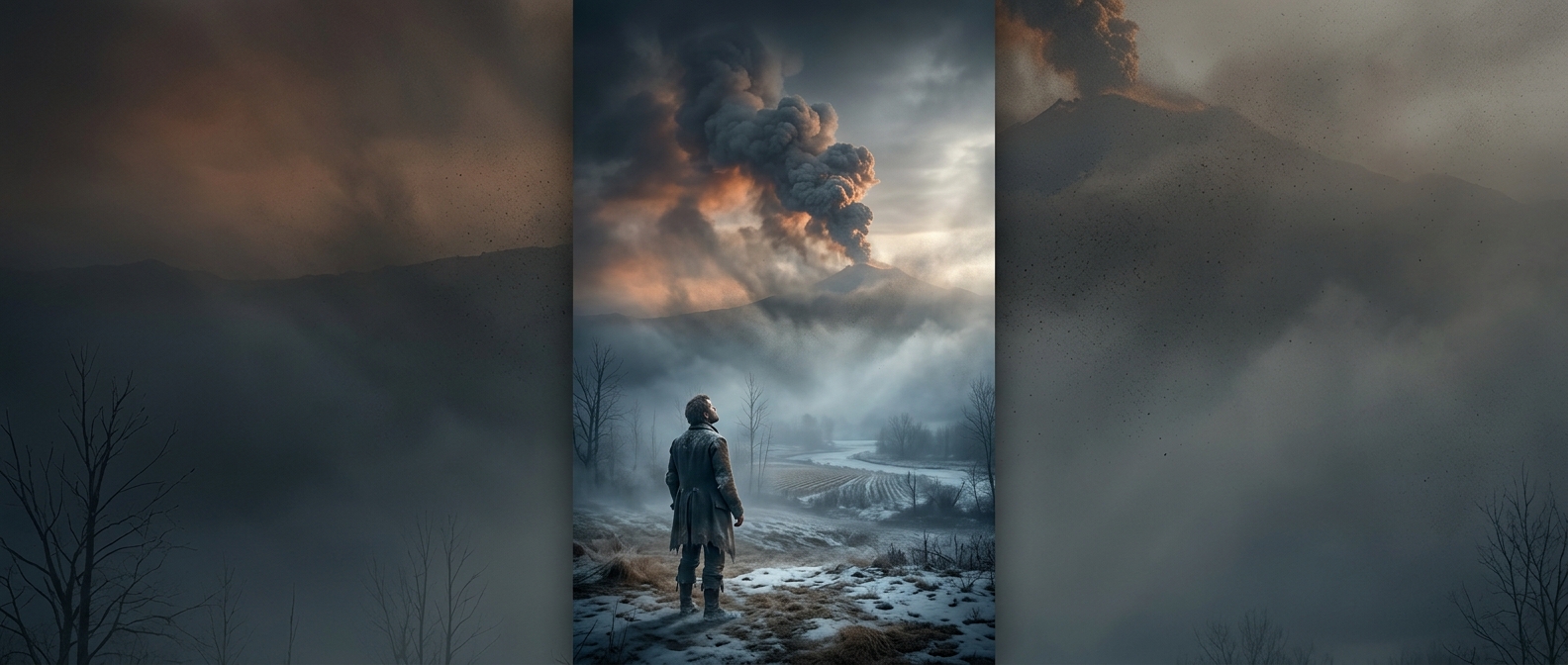
One volcano helped turn 1816 into the Year Without a Summer
Tambora's 1815 eruption sent gases high into the atmosphere, where sulfur-containing aerosols reduced the sunlight reaching the surface. Parts of Europe and…
Discover more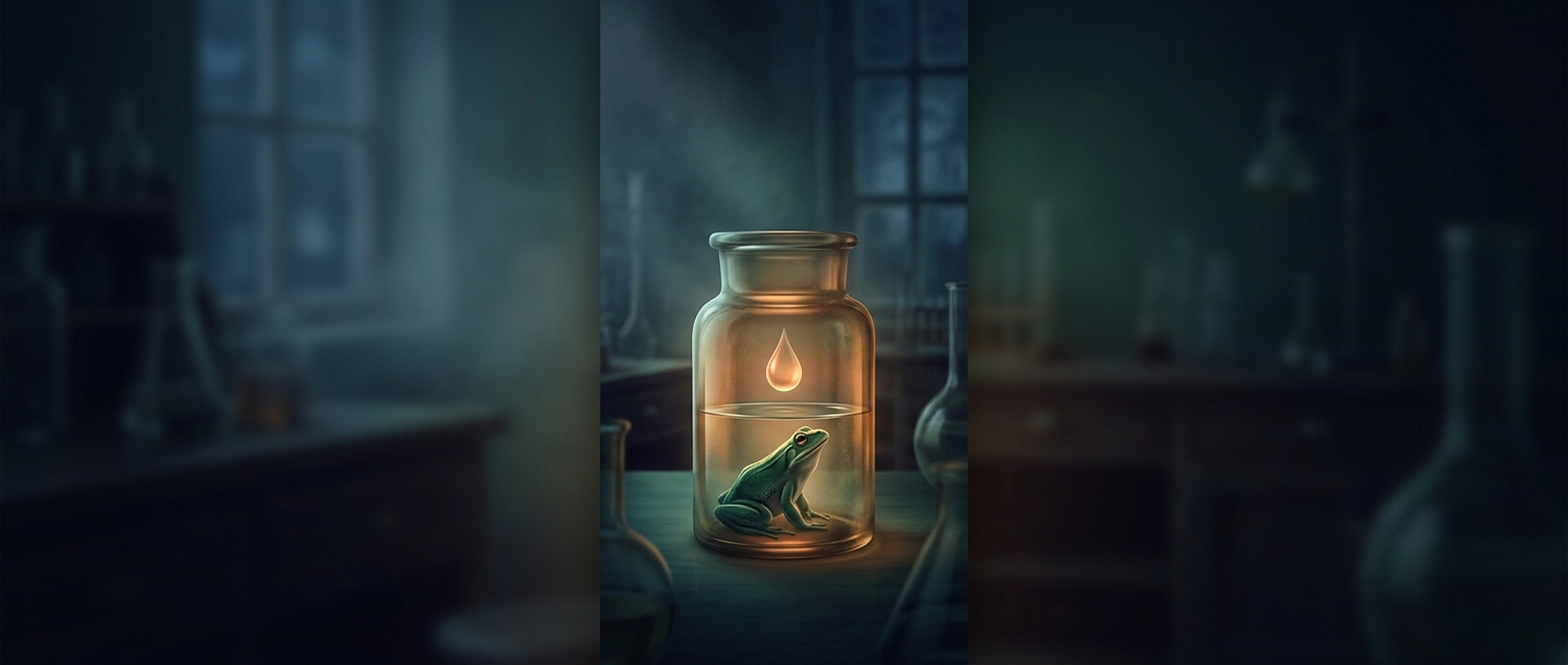
When pregnancy tests involved injecting urine into frogs
Doctors injected urine from pregnant women under the skin of African clawed frogs; within hours, the hormone in the urine could trigger the frogs to lay eggs,…
Discover more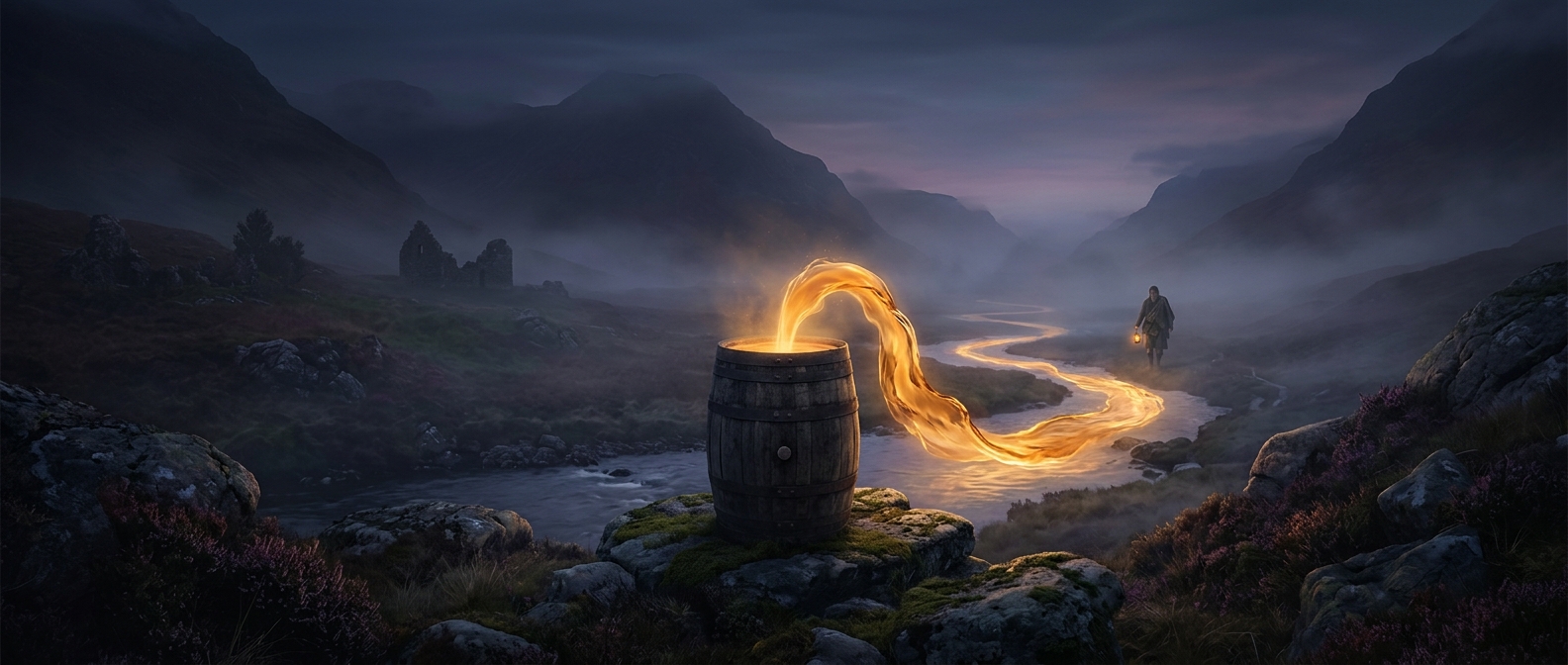
Whiskey's name makes a rather ambitious promise
The word comes from the Gaelic phrase meaning “water of life.” The phrase survived as the drink's name while its pronunciation changed in English. Ordering a…
Discover more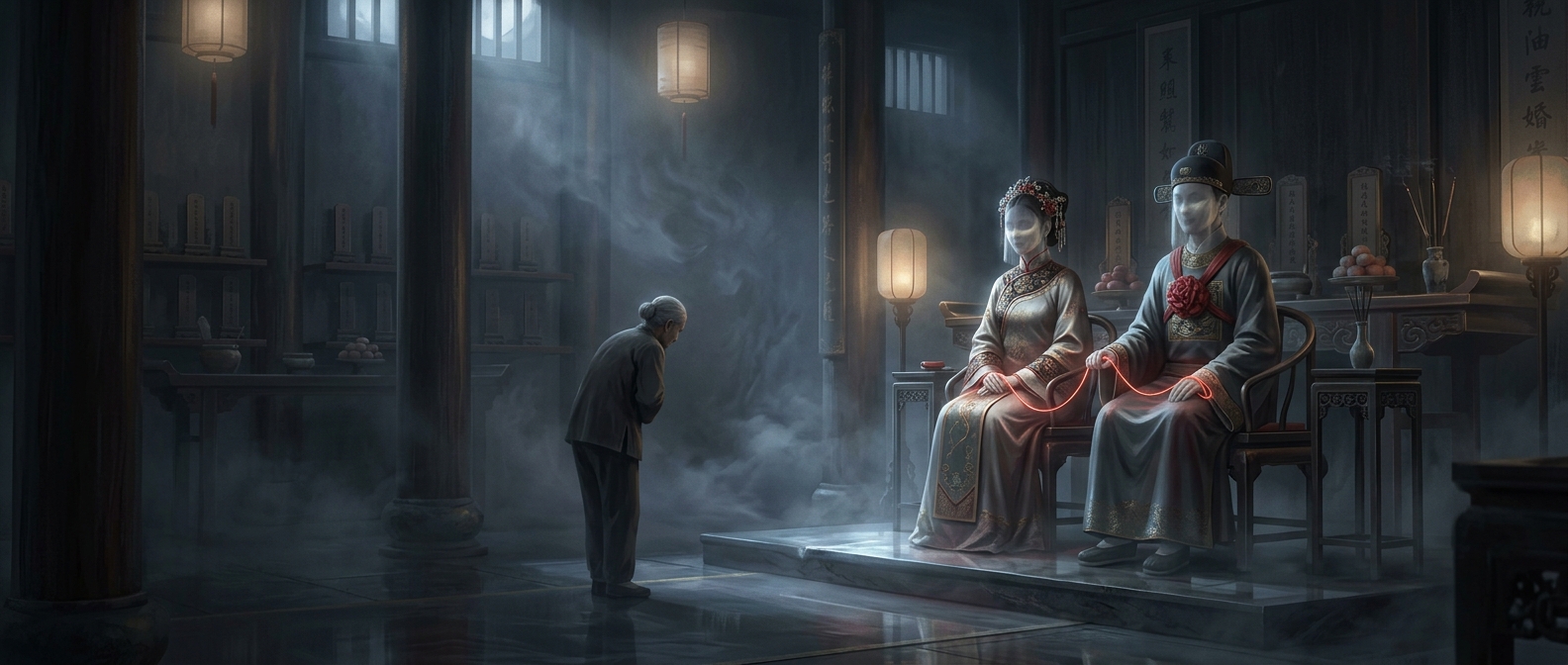
Ghost marriages give the dead a place in a family structure
In some Chinese traditions, families have arranged marriages involving deceased people, including those who died unmarried. The custom can address beliefs…
Discover more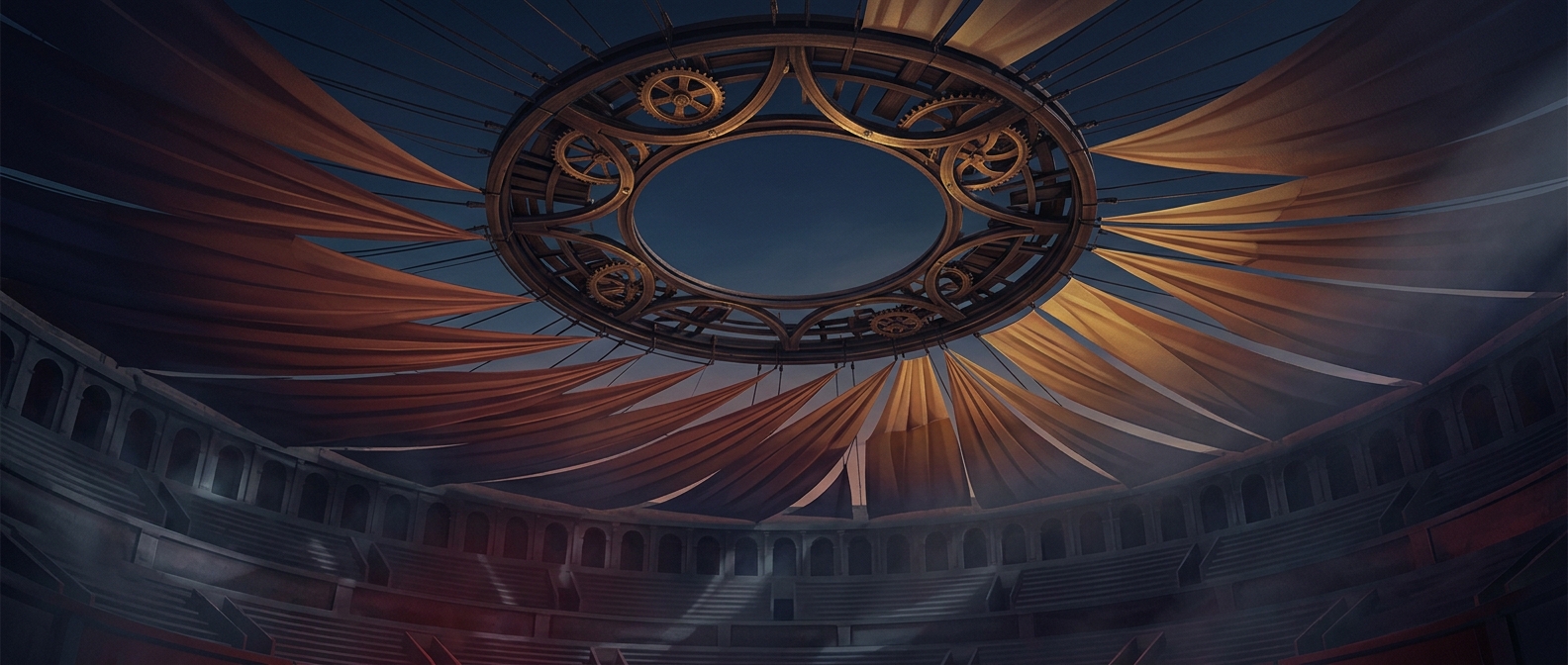
Roman sailors ran the Colosseum's giant sunshade
The Colosseum's canvas velarium relied on a system of ropes, so sailors from the Roman navy worked it to shade spectators. In Rome, even keeping the crowd…
Discover more
The discoverer of Uranus imagined people living on the Sun
In 1795, William Herschel proposed that the Sun had a solid, potentially inhabited surface beneath its luminous atmosphere. He interpreted sunspots as…
Discover more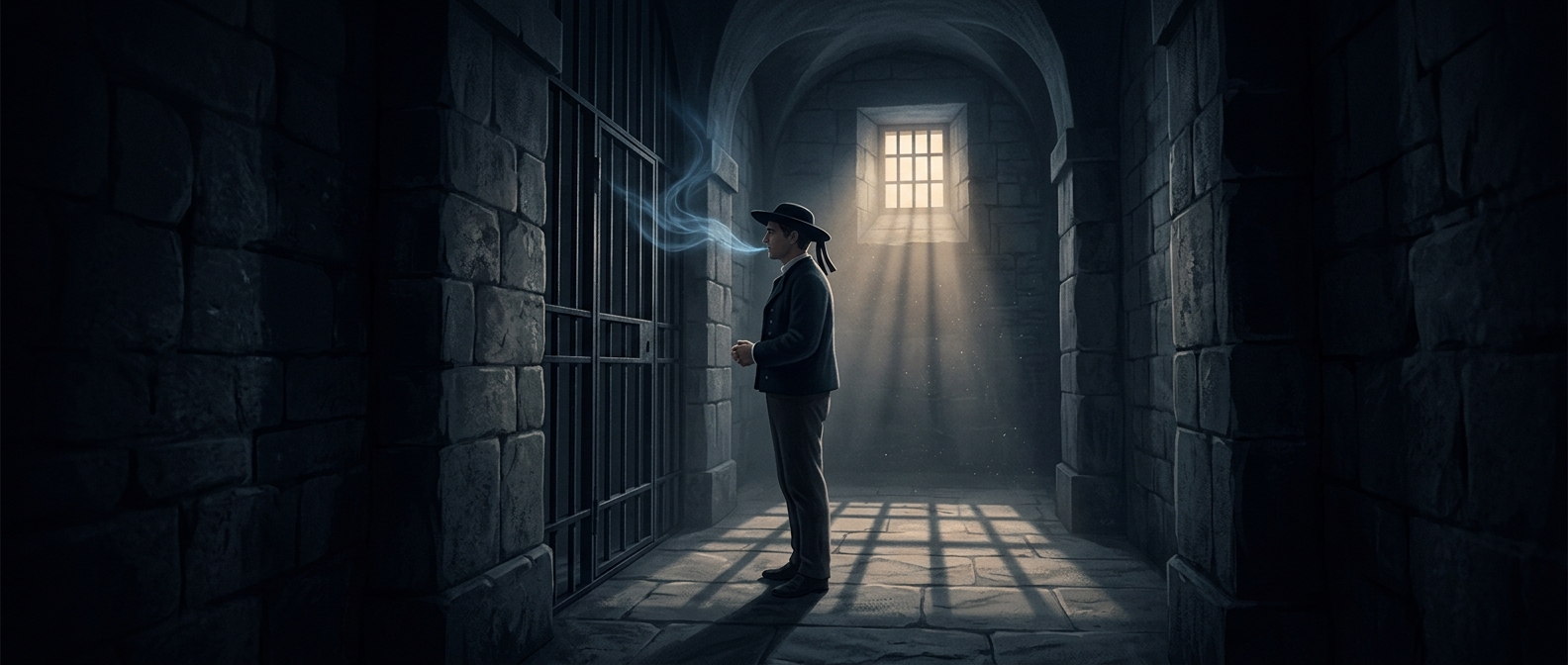
France once punished people for speaking Breton
French authorities pushed a common language as a tool of national unity, and speakers of Breton could be punished for using their own. The effort to make…
Discover more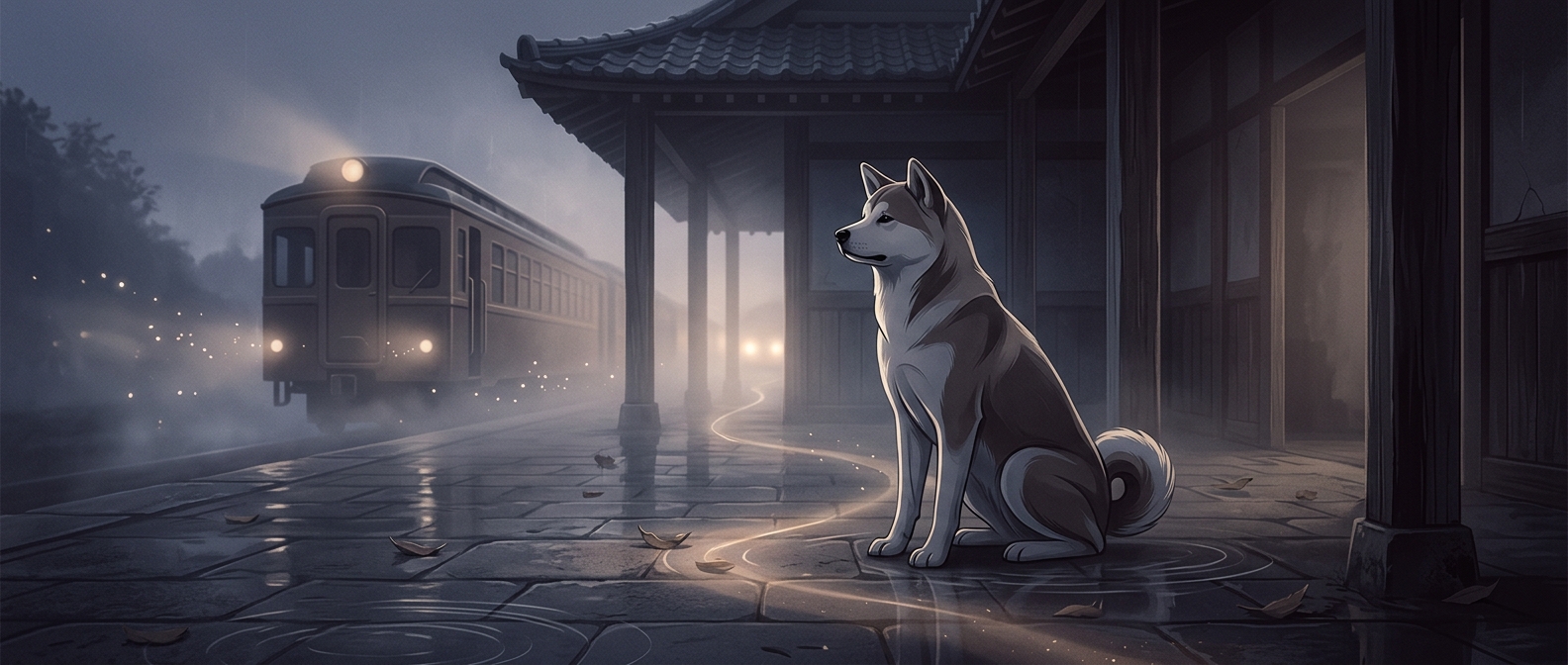
Hachiko returned to Shibuya Station for nine years
After his owner died, Hachiko kept returning to the station where they had met, every day for nearly nine years. He kept making the trip long after there was…
Discover more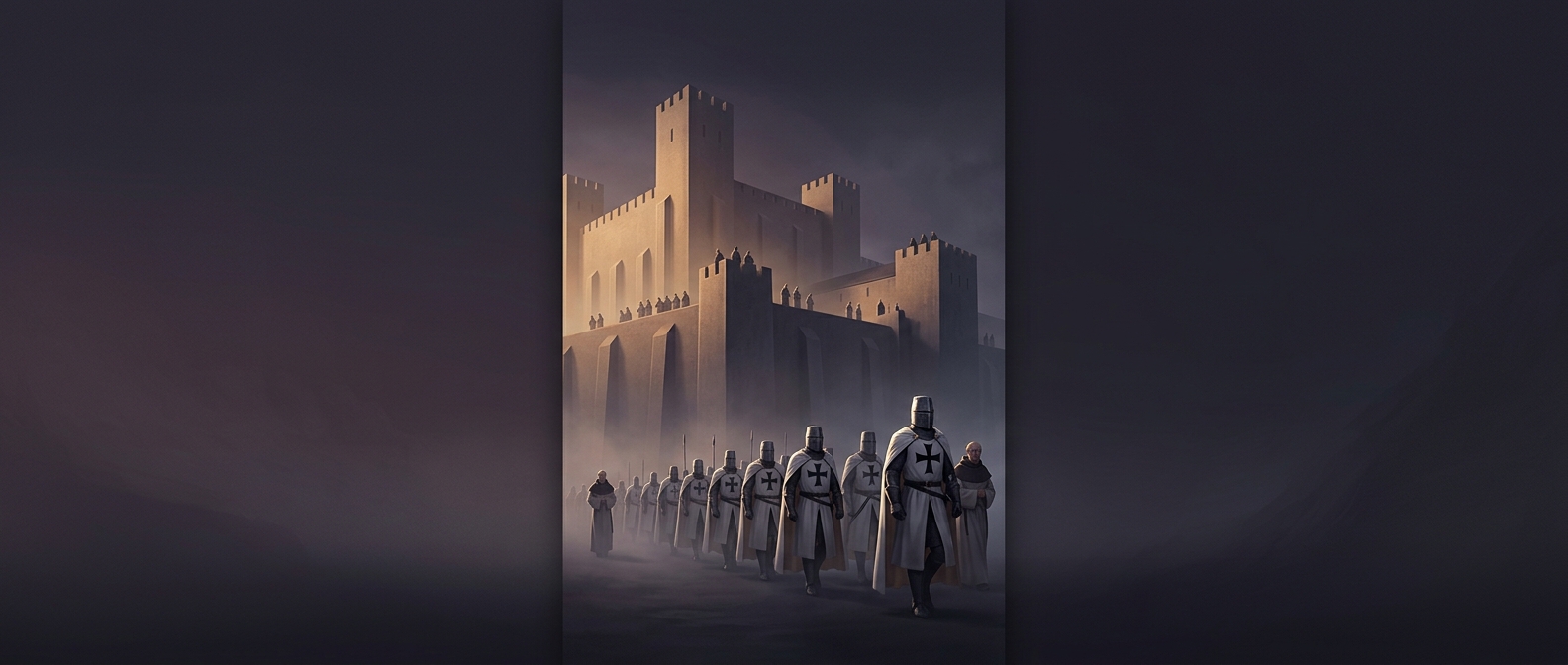
The warrior monks who ruled a Baltic state
Religious vows and territorial ambition shared one government: the Teutonic Knights ruled a militarized theocracy around the Baltic and expanded it by force.
Discover more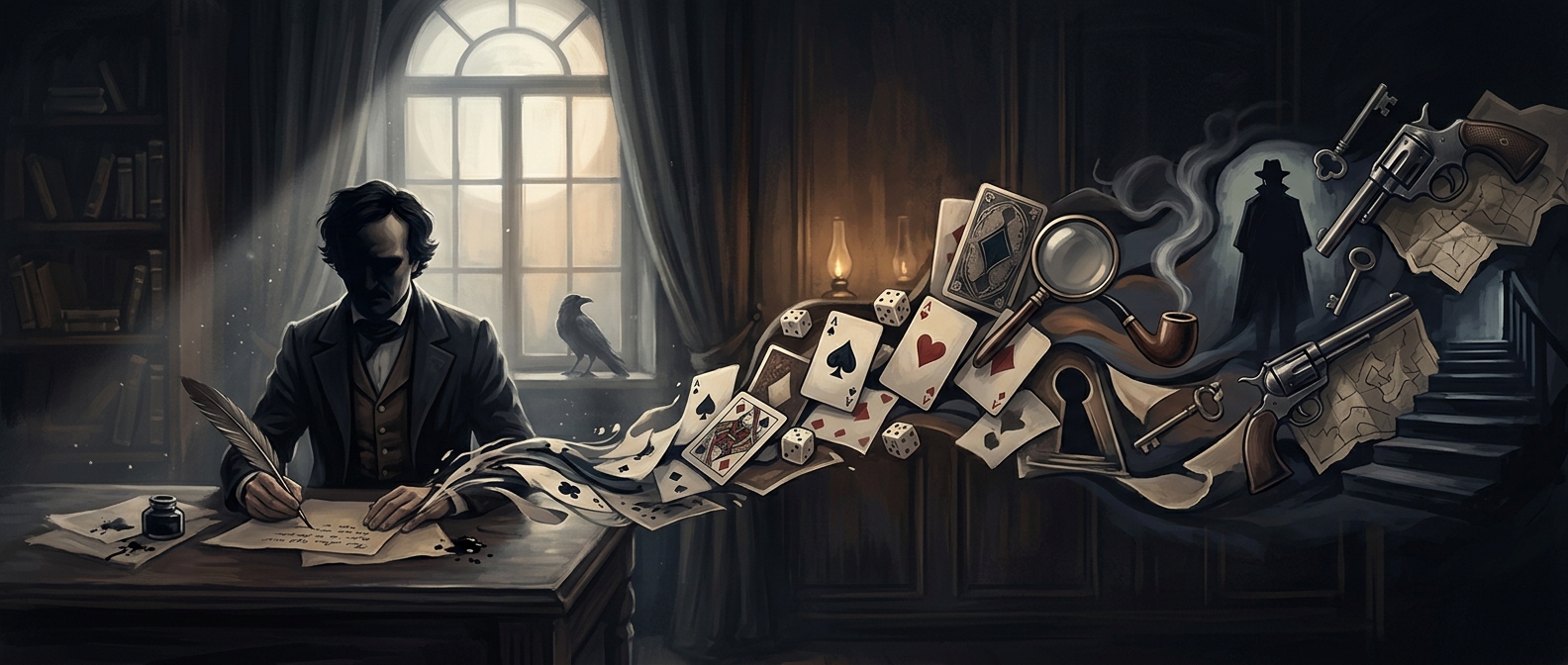
Poe’s fictional detective helped make Sherlock Holmes possible
The Murders in the Rue Morgue introduced C. Auguste Dupin in 1841: an eccentric thinker whose reasoning is presented through a companion’s account. That…
Discover more